


Published: July 13, 2026
You probably think about zinc once a year — when you're reaching for a lozenge at the first sign of a cold. But what if that impulse is actually your body sending you a much bigger message than a runny nose?
Zinc is the second most abundant trace mineral in the human body, present in every single cell. Unlike iron, calcium, or vitamin D, your body has no specialized storage system for it. There is no zinc reserve. When your intake drops — and for most people it does — the deficit hits fast, and the consequences ripple across nearly every system you have.
According to GreenMedInfo's research, zinc plays a critical role in immune defense, hormone production, nerve function, wound repair, mental health, and cancer protection. It catalyzes over 300 enzymes and regulates the activity of thousands of proteins throughout your body. And yet most people have never had their zinc levels tested.
This is worth paying attention to.
What Does Zinc Do in the Body?
Zinc deficiency isn't reserved for malnourished populations in developing countries. According to the research compiled on GreenMedInfo, zinc deficiencies are caused by poor diet, environmental oxidative stressors, the use of statin drugs, and simply getting older. Any one of those factors can deplete your levels — and most of us are dealing with several at once.
The consequences of running low touch almost every aspect of health. The same GreenMedInfo overview shows that suboptimal zinc is independently linked to coronary heart disease risk, pre-hypertension markers, increased vulnerability to infections, and higher rates of anemia in children.

Decreased zinc levels were found as an independent risk factor in a study of 1,253 patients diagnosed with coronary heart disease compared to 2,288 healthy controls.
What makes this especially frustrating from a root-cause perspective is how fixable it is. Zinc deficiency isn't a pharmaceutical deficiency. It's a nutritional gap that conventional medicine largely ignores until symptoms become impossible to dismiss.
How Does Zinc Affect the Nervous System and Brain?
Here's the angle that doesn't make headlines but should: zinc is concentrated in the presynaptic vesicles of your brain's glutamatergic neurons — the very sites where nerve signals fire and synaptic communication happens. It isn't a passive bystander in neurological health. It's an active participant.
Published research on the neurobiology of zinc confirms that zinc acts as a regulatory and structural catalyst for proteins, enzymes, and transcription factors essential to cell proliferation, differentiation, and survival. It modulates neuronal plasticity and synaptic activity throughout both neonatal and adult stages of life. When brain zinc status is disrupted, the research notes, the result can include a range of neurological diseases including impaired brain development.
Perhaps most striking is what the science says about neurogenesis — the brain's ability to generate new neurons. Zinc doesn't just maintain existing neural pathways. It's directly tied to your brain's capacity to grow and repair them.

For anyone who understands that the nervous system coordinates every function in the body, this is significant. Proper nerve signaling depends on more than spinal alignment — it depends on the raw materials your neurons need to fire, communicate, and regenerate. Research on zinc's role in neuroinflammation shows it actively inhibits inflammatory responses in brain microglia — the immune cells of the central nervous system — helping protect neural tissue from the kind of chronic low-grade inflammation that contributes to cognitive decline over time.
Does Zinc Boost Your Immune System?
Most people's awareness of zinc stops at immunity — and there's a good reason for that. The connection is real and well-documented. What's less understood is how deep that connection goes.
Zinc's role in immune aging found that zinc deficiency is an important contributing factor in immune dysfunction among the elderly, and that improving zinc status can, in part, reverse that dysfunction and reduce the chronic inflammation associated with aging. The researchers studied both T-cell behavior and inflammatory cytokine profiles, finding that age-related zinc loss directly compromises the body's ability to mount an effective immune defense.

That word — aging — matters here. Immune decline isn't inevitable. It's partly a zinc depletion problem.
For acute illness, the evidence is equally compelling. A pooled analysis published on GreenMedInfo found that a combination of Vitamin C and zinc was significantly more efficient than placebo at reducing the duration of common cold symptoms over five days. And for asthma specifically, research on zinc's immunomodulatory role found that zinc deficiency may play an important role in the development of atopic asthma, with supplementation showing measurable effects on key immune signaling markers.
Supporting your immune system isn't about chasing pathogens. It's about keeping your body's innate defense systems resourced. Zinc is foundational to that equation.
Can Zinc Deficiency Cause Depression and Anxiety?
Here's something worth sitting with: zinc deficiency is consistently found alongside psychiatric diagnoses. Not occasionally. Consistently.
Research is catching up to what integrative practitioners have long suspected. Zinc modulates NMDA receptors, regulates monoamine neurotransmitters, and influences BDNF — brain-derived neurotrophic factor — the protein most critical to neural plasticity and emotional resilience. These are the same pathways that antidepressants attempt to manipulate pharmacologically, often with a long list of side effects and uncertain long-term outcomes.

A study compiled in GreenMedInfo's research database found that lower serum zinc levels were a significant predictor of prenatal depression and postnatal depressive symptoms, even after accounting for a range of lifestyle and demographic factors. The researchers concluded that prenatal depressive and physical symptoms follow an immune-inflammatory pathophysiology — and that zinc, alongside inflammatory markers, is a central variable in that picture.
Meanwhile, a separate body of work cited in GreenMedInfo's depression and nutrition research notes that zinc deficiency is often found concurrent with psychiatric diagnosis, and that our bodies cannot store zinc — making consistent dietary intake or targeted supplementation not just helpful, but critical for anyone dealing with mood instability.
The question isn't whether zinc affects mental health. The research is clear that it does. The question is why it's not part of the first conversation your doctor has with you.
Does Zinc Increase Testosterone Levels?
If there's one section of this article to share with the men in your life, this is it.
In a cross-sectional study of 40 healthy men ranging from age 20 to 80, researchers found a direct and statistically significant correlation between cellular zinc concentrations and serum testosterone levels. The results were published in the journal Nutrition and are available through GreenMedInfo's research database. When zinc-restricted diets were induced in young healthy men, serum testosterone dropped significantly after just 20 weeks.

When elderly men who were marginally zinc-deficient received supplementation for six months, their testosterone levels nearly doubled — from an average of 8.3 nmol/L to 16.0 nmol/L.
Let that land for a moment. Not a pharmaceutical intervention. Not hormone replacement therapy. Correcting a nutritional deficiency.
A separate human trial on zinc deficiency and testicular function restricted dietary zinc in male volunteers for 24 to 40 weeks and found that oligospermia — abnormally low sperm count — was induced in four out of five subjects. The researchers concluded that zinc plays a direct role in the maintenance of testicular function and male reproductive health.
The broader testosterone research on GreenMedInfo adds important context: physical activity, including exercise in both sedentary men and elite athletes, can suppress testosterone levels — and zinc supplementation has been shown to mitigate that suppression. The mineral also helps metabolize excess testosterone and protects against heavy-metal-associated damage to the testes.
This isn't just a men's health footnote. Testosterone affects energy, mood, body composition, bone density, and cardiovascular health across the board. Protecting it naturally starts with making sure zinc is where it needs to be.
Hair Loss, Skin Health, and the Zinc Connection
Zinc deficiency is one of the most overlooked culprits behind hair loss in both men and women. According to research featured on Sayer Ji’s GreenMedInfo, zinc acts directly on hair follicles, and stress alone can triple zinc loss from the body. The mineral also plays a direct role in metabolizing testosterone — and excess testosterone, when zinc isn't available to regulate it, is a known driver of follicle damage and hair thinning.
Skin health follows a similar pattern. Zinc is a required cofactor for metalloenzymes involved in cell membrane repair, tissue proliferation, and the formation of new skin structure.

When zinc is insufficient, the body's ability to maintain healthy skin, repair minor damage, and regulate inflammatory responses in the skin is compromised. This extends to conditions like acne, eczema, and delayed wound healing — all of which have a documented relationship with zinc status.
The body was designed for wholeness. When the right raw materials are present, it knows how to maintain itself. Zinc is one of those materials — not optional, not secondary, but fundamental.
How to Increase Zinc Levels Naturally
Cancer biology and zinc have a quietly significant relationship that mainstream medicine has been slow to elevate in public conversation.
Research published on GreenMedInfo examining zinc's anti-cancer mechanisms found that zinc's protective effects operate through multiple pathways simultaneously: antioxidant activity that reduces the cellular damage driving tumor formation, influence over transcription factors governing cell differentiation, DNA synthesis and repair, enzyme regulation, and the stabilization of cell structure and membranes.

Many epidemiological studies have shown a relationship between dietary zinc levels and cancer risk.
One of the most compelling areas of research involves the prostate gland, which contains the highest concentration of zinc of any soft tissue in the human body — and loses that zinc dramatically as prostate cancer develops. The loss of zinc is not a coincidence of the disease. Research now suggests it may be a prerequisite for malignant transformation to take hold.
This is the kind of root-cause biology that demands attention. Zinc doesn't just support the immune system's fight against abnormal cells — it may be part of what allows healthy cells to remain healthy in the first place.
Sayer Ji's GreenMedInfo database on zinc contains nearly 2,000 peer-reviewed study abstracts on this mineral alone, spanning immune function, oncology, neurology, endocrinology, and beyond. When someone tells you "there's no research" supporting the value of nutritional interventions, that database is your answer.
What You Can Do: Take Action Today
1. Get it through food first
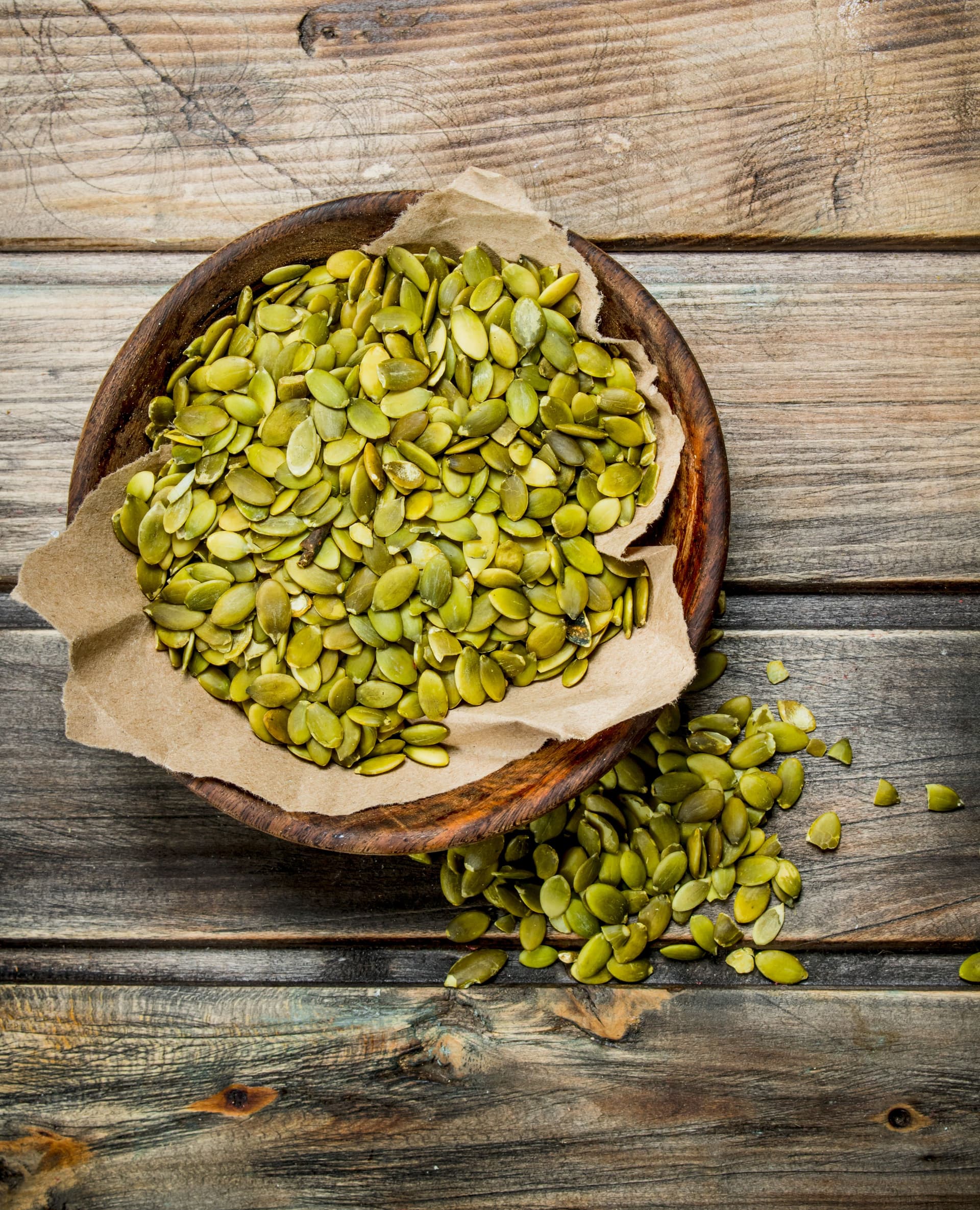
The richest food sources of zinc include oysters (by far the most concentrated), red meat, pumpkin seeds, hemp seeds, legumes, nuts, and pastured eggs. Whole food sources come with co-factors that support absorption in ways isolated supplements can't fully replicate. If you're eating a varied, whole-food diet and not relying heavily on processed or grain-heavy foods that bind zinc, you're giving your body a solid foundation to work from.
That said, even a solid diet may not be enough if you're under chronic stress, aging, or dealing with environmental exposures that actively deplete your levels. This is where knowing your numbers matters — and where targeted supplementation becomes less optional and more essential.
2. Understand how much you actually need
According to research referenced across GreenMedInfo's zinc database, standard daily maintenance sits around 11 mg for men and 8–12 mg for women.
But if you're actively deficient — and given how common depletion is, there's a real chance you are — therapeutic correction typically requires 15–30 mg daily. As noted in GreenMedInfo's overview of zinc and its role in the body, taking oral zinc in high doses over long periods may lead to copper deficiency, with symptoms including numbness and weakness in the extremities — making thoughtful dosing and quality formulation just as important as the decision to supplement in the first place.
The NIH's established upper limit for adults is 40 mg per day. Staying below that threshold matters because long-term intake above it can deplete copper levels, which brings its own set of problems including numbness, weakness, and anemia. This is why the form and formulation of your zinc supplement is just as important as the dose.
3. Consider targeted supplementation
For those looking for therapeutic-grade zinc support, MaxLiving's PurePath Zinc+ is formulated with 30 mg of chelated zinc bisglycinate — the most bioavailable form available — placing it right in the therapeutic range without pushing past the upper safety threshold. It's paired with Vitamin B6 and quercetin to support immune health, hormone balance, and skin clarity, third-party tested, and free of fillers. For anyone dealing with stress-related depletion, hair thinning, low energy, or immune challenges, this is the kind of root-cause support worth exploring with your healthcare provider.
4. Explore GreenMedInfo's zinc research
Sayer Ji's GreenMedInfo is the world's most widely-cited, evidence-based natural health resource. Visit the GreenMedInfo zinc research page to explore nearly 2,000 peer-reviewed studies on this mineral — whether your concern is immune health, cognitive function, hormonal balance, hair loss, or cancer prevention. This is the arsenal that gives you receipts when the sick care system tells you "there's no evidence."
5. Stay connected to the movement
Join the MaxLiving community by signing up for MaxLiving's newsletter for ongoing natural health education, community connection, and practical strategies for reclaiming your health. For the latest peer-reviewed research delivered directly to you, also subscribe to GreenMedInfo's free newsletter — new studies, new insights, every week.
6. Share what you know
How many people do you know dealing with low testosterone, hair loss, persistent infections, brain fog, or depression — taking prescriptions for each symptom while no one checks their zinc? Share this article. Share the research. Be the person who opens a door someone didn't know existed.
Small daily choices add up.
About This Research:
All research and information referenced in this article is sourced from GreenMedInfo.com, founded by Sayer Ji. GreenMedInfo is the world's most widely-referenced, open-access, evidence-based natural health resource, containing over 95,000 peer-reviewed study abstracts on natural medicine. Their comprehensive database on zinc includes nearly 2,000 studies, making it one of the most extensively researched trace minerals in their collection.
Disclaimer: This content is educational and not intended to diagnose, treat, cure, or prevent any disease. Always consult with your healthcare provider before making changes to any health protocol or medication regimen. Zinc supplementation may interact with certain medications including antibiotics and diuretics, and excessive intake can affect copper absorption, so professional guidance is recommended.
References:
- https://greenmedinfo.com/blog/why-your-body-needs-zinc-and-top-zinc-rich-foods
- https://greenmedinfo.com/blog/10-reasons-why-you-need-eat-enough-zinc
- https://greenmedinfo.com/article/neurobiology-zinc-and-its-role-neurogenesis
- https://greenmedinfo.com/article/zinc-inhibited-lps-induced-inflammatory-responses-upregulating-a20-expression-
- https://greenmedinfo.com/article/zinc-deficiency-important-contributing-factor-immune-aging
- https://greenmedinfo.com/article/combination-high-dose-vitamin-c-plus-zinc-common-cold
- https://greenmedinfo.com/article/atopic-asthmatics-might-benefit-zinc-supplements
- https://greenmedinfo.com/article/lower-serum-zinc-and-higher-crp-strongly-predict-prenatal-depression-and-physi
- https://greenmedinfo.com/blog/5-rules-eating-away-your-depression
- https://greenmedinfo.com/article/zinc-status-associated-serum-testosterone-levels-healthy-adults
- https://greenmedinfo.com/article/experimental-zinc-deficiency-has-suppressive-affect-testicular-function
- https://greenmedinfo.com/blog/5-proven-ways-boost-testosterone-naturally-1
- https://greenmedinfo.com/blog/getting-root-hair-loss
- https://greenmedinfo.com/article/role-zinc-immune-system-and-anti-cancer-defense-mechanisms


 Facebook
 Instagram
 LinkedIn