


Published: July 17, 2026
You're lying in bed, completely exhausted, and your body refuses to cooperate. Heart doing something slightly weird. Jaw clenched — you notice it only because someone mentioned it once. An email from earlier is replaying on loop even though you stopped caring about it an hour ago. Nothing dangerous is happening. You know this. Your nervous system, however, has its own opinion.
Or maybe it's the opposite. You're moving through your days like a background character in your own life — present but not really there. Flat. Numb. A baseline of "fine" that somehow feels worse than feeling bad.
Both of these experiences share the same root. A nervous system that has lost its ability to regulate — to activate when it needs to, recover when it should, and know the difference between a genuine threat and a stressful Tuesday afternoon.
This isn't a personality trait. It isn't weakness, anxiety that needs medicating, or a sensitivity you should toughen out of. According to the American Psychological Association's survey of over 3,000 U.S. adults, nearly a quarter of Americans now rate their daily stress between 8 and 10 out of 10 — a number that's climbed significantly since 2019. Among adults under 35, mental health diagnoses have reached 50%. We are not dealing with a personal problem. We're dealing with a collective one, and it lives in the body.
The good news is that the body is also where the solution lives. That's what somatic healing is actually about — and it's more grounded in science than the wellness internet tends to make it sound.
Why Can't I Turn My Brain Off Even When I'm Exhausted?
Modern life has created a nearly perfect environment for chronic nervous system dysregulation. The inputs are relentless — notifications, deadlines, comparison, news cycles, financial pressure, relationship complexity — and they arrive faster than the body's stress-response system was ever designed to process.
Your autonomic nervous system (ANS) manages the parts of your biology that run automatically. Heart rate. Breathing. Digestion. Immune function. It operates in two primary modes: the sympathetic branch, which mobilizes your body for action under perceived threat, and the parasympathetic branch, which brings you back down — slowing the heart, restoring digestion, shifting resources toward repair and recovery.
A healthy, regulated system moves fluidly between these two modes. You encounter something stressful, your body responds, the moment passes, and you return to baseline. The problem is that for most people, that return-to-baseline part has stopped working reliably.
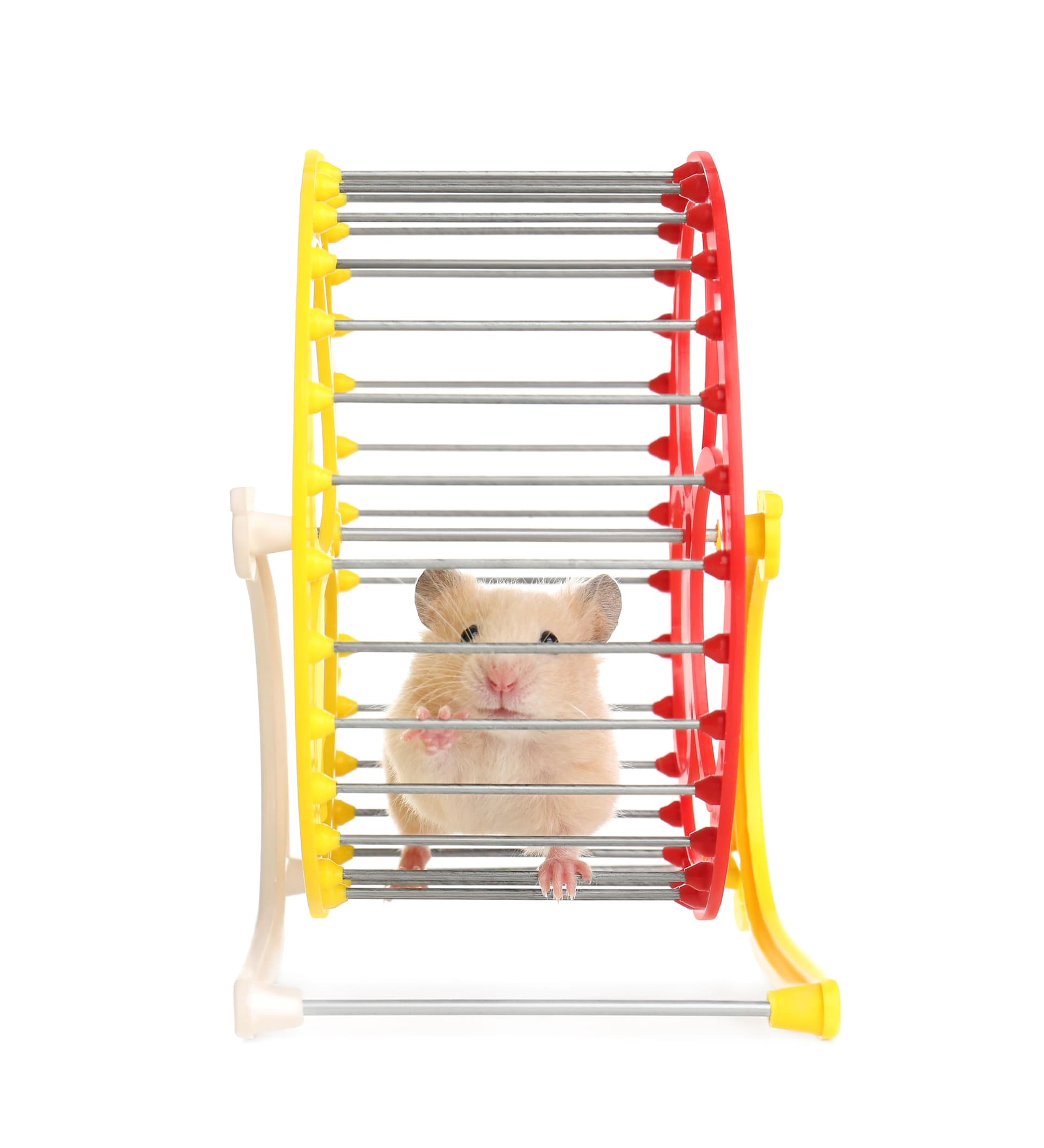
The brake pedal is stuck. And when chronic stress keeps the body in low-grade fight-or-flight mode over months and years, the downstream effects go far beyond mood. Inflammation rises. Immune function drops. Digestion suffers. Sleep becomes shallow. The body starts running on reserves it was never meant to spend this way.
What Is Polyvagal Theory? (The Three Modes Your Nervous System Operates In)
If you've spent any time in therapy, breathwork circles, or wellness spaces in the last few years, you've probably heard "polyvagal" mentioned with great reverence and very little explanation. Here's the actual map.
In the 1990s, neuroscientist Dr. Stephen Porges introduced what he called the polyvagal theory — a framework that reframes the autonomic nervous system not as a simple on/off switch but as a three-tiered hierarchy, each tier corresponding to a completely different way of experiencing and engaging with the world.
The first and most evolved tier is the ventral vagal state — the "safe and social" zone. When you're here, you feel grounded, curious, connected. You can handle complexity without falling apart. You have access to your full range of thinking and feeling. The vagus nerve functions like a brake in this state, quietly suppressing defensive responses that aren't needed. This is where most of your healing, growth, and genuine connection happen.

Drop below that into the sympathetic state, and the system shifts to mobilization. This is fight-or-flight mode — useful in genuine danger, exhausting as a default setting. Energy goes to the muscles and away from digestion. Thinking narrows. The body is preparing to deal with a threat whether one is actually present or not.
Deeper still is the dorsal vagal state — the freeze and shutdown response. When threat feels inescapable or overwhelming, the nervous system essentially powers down. This looks like emotional numbness, dissociation, extreme fatigue, or the inability to feel much of anything. People in this state are often labeled as depressed, unmotivated, or checked out. What's actually happening is that their nervous system has hit an evolutionary circuit breaker.
What makes this framework genuinely useful — and what somatic healing is built around — is a concept Porges called neuroception: the unconscious process by which your nervous system continuously scans your body, environment, and social cues for signals of safety or danger and shifts states accordingly. You can know cognitively that you're safe and still feel terrified, because the threat detection system operates below the level of conscious thought. You can't think your way into a different state. The body has to be led there first.
Why Does Stress Get Stored in the Body?
Here's the shift that changes the whole conversation: stress and trauma aren't primarily mental events stored as memories. They're physical events stored as patterns — in how you breathe, how you hold your shoulders, how your gut responds, how your heart rate behaves.
When your body encounters a threat, it initiates a full-system stress response: muscle tension, elevated heart rate, hormone cascade, narrowed focus. That response is designed to complete. You deal with the threat, the energy discharges, and your system resets. Watch animals in the wild and you'll see this literally — a deer that narrowly escapes a predator will shake and tremble for a few minutes afterward, completing the neurological cycle, and then walk back to the field like nothing happened.
Humans interrupt that process constantly. We override the shaking, the crying, the trembling because it's inconvenient or socially awkward or we learned early that those responses weren't safe to express. The result is a stress response that gets frozen mid-cycle — and a body that stays in a low-grade state of braced readiness, sometimes for years, sometimes for decades.

This is the premise behind somatic therapy and somatic healing: the body holds what the mind couldn't fully process. And the path forward runs through the body, not around it. A randomized controlled trial on Somatic Experiencing — one of the most researched body-based trauma approaches — found significant reductions in PTSD symptom severity and depression in participants who completed treatment, with effect sizes that held at follow-up. Not from talking about what happened, but from gradually building the capacity to tolerate and complete what the body started.
What Does the Vagus Nerve Do?
The vagus nerve is the anatomical centerpiece of everything we've covered so far. It's the longest cranial nerve in the body — running from your brainstem down through your neck, chest, and abdomen, with branches touching your heart, lungs, liver, and most of your digestive organs along the way. It's the primary carrier of parasympathetic signals, and its tone — how active and responsive it is — is one of the best indicators of overall nervous system health.
Here's the part that surprises most people: roughly 80% of the fibers in the vagus nerve run upward — from the body to the brain, not the other way around.

Your gut, heart, and internal organs are sending far more information to your brain than your brain sends down to them. "Gut feelings" aren't a metaphor. They're a description of a real neurological information highway, and that highway runs mostly in one direction.
The vagus nerve also governs what researchers call the cholinergic anti-inflammatory pathway — a mechanism by which healthy vagal tone actively suppresses the production of pro-inflammatory compounds like TNF and IL-6. When vagal tone is low, inflammation rises. When it's robust, your immune system stays better regulated. This is why chronic nervous system dysregulation doesn't just affect your mood — it affects your gut, your immune response, your cardiovascular health, and how well your body functions at a cellular level.
The practical implication: anything that stimulates the vagus nerve helps pull the system toward parasympathetic recovery. And as it turns out, there are more ways to do this than most people realize — and many of them are completely free.
What Are Signs of a Dysregulated Nervous System?
Heart rate variability (HRV) is the most accessible objective window into autonomic health that exists right now. Rather than measuring your heart rate itself, HRV measures the variation in time between individual heartbeats. A regulated nervous system produces high variability — the intervals between beats constantly shift slightly as your parasympathetic and sympathetic systems balance each other in real time. A system under chronic stress produces lower variability — a more rigid, mechanical rhythm.

Research consistently shows that lower HRV is a meaningful biomarker for cardiovascular risk, anxiety, depression, chronic pain, inflammatory conditions, and poor stress resilience. Wearables like WHOOP, Oura Ring, and Apple Watch have made HRV tracking accessible to anyone — and watching your HRV trend over weeks as you implement regulation practices gives you something concrete to anchor to beyond "I think I feel a little better?"
If you're not interested in biometric tracking, the lived indicators are worth knowing too. Difficulty winding down at night even when exhausted. Emotional reactivity that feels disproportionate. Physical symptoms that cycle without clear cause — tension headaches, digestive disruption, recurring shoulder tightness. Waking up tired regardless of how many hours you slept. These are the felt sense of a nervous system that's been running too hot for too long.
What Actually Works for Nervous System Regulation?
The somatic healing space is full of tools. Some have decades of research behind them. Others are promising but early. Here's an honest look at what the evidence actually supports.
The physiological sigh is arguably the highest-evidence free tool available. A Stanford study randomized 108 adults to one of several breathwork practices or mindfulness meditation for one month. The group practicing cyclic sighing — two short inhales through the nose followed by a long, slow exhale — showed greater improvements in mood and reduced physiological arousal compared to meditation. The mechanism: the double inhale fully reinflates the alveoli (the tiny air sacs that collapse under stress and shallow breathing), while the extended exhale triggers the parasympathetic response. The whole thing takes 30 seconds. You can do it mid-meeting, in traffic, or lying in bed at midnight when your body won't cooperate.

Slow, resonant breathing — around five to six breaths per minute — amplifies something called the baroreflex, the feedback loop between your blood pressure sensors and heart. Practiced consistently, especially with HRV biofeedback (where you can watch your HRV respond in real time), this is one of the more robustly studied approaches. A recent meta-analysis found significant reductions in stress and anxiety across controlled trials of HRV biofeedback training. Slow down the exhale, and the nervous system follows.
Humming surprises people, but the mechanism is real. The vagus nerve runs through the larynx and pharynx — the structures involved in producing vocal sound. Vibrating those structures stimulates vagal branches directly. Research published in Cureus found that Bhramari pranayama (humming breath) produced the lowest stress index and highest markers of vagal tone in HRV measurements compared to other activities. Gargling works through a similar pathway. Both are free, immediate, and genuinely shift the physiology.
Cold water on the face activates the diving reflex — a hardwired vagal response your body shares with marine mammals. When cold water contacts the face, heart rate slows and parasympathetic tone rises. A controlled trial found cold facial stimulation increased vagal activity, blunted the cortisol response, and improved recovery from acute stress. Splashing cold water on your face when anxiety spikes isn't just a feel-good tip — it's triggering a real autonomic shift. No ice bath required.
Yoga has a well-established autonomic effect. A published study found that one month of regular yoga practice shifted autonomic balance measurably toward parasympathetic dominance — improvements in HRV markers and reduced sympathetic tone across the group. Yoga works through multiple mechanisms simultaneously: physical movement that helps discharge stored tension, breathwork that stimulates the vagus, and the sustained interoceptive attention (awareness of internal body sensations) that is itself a nervous system regulator.
Body scanning is one of the most underrated entry points into somatic awareness — and it requires nothing but a few minutes and somewhere to sit or lie down. The practice is straightforward: close your eyes, start at the bottom of your feet, and slowly move your attention upward through your body. Not trying to fix anything. Not labeling sensations as good or bad. Just noticing — warmth, tightness, tingling, numbness, whatever's there. This builds what researchers call interoception — the nervous system's ability to sense, interpret, and regulate signals from inside the body. The NIH has identified interoception as critical to stress regulation, emotional well-being, and the prevention of chronic disease. Most people operating in chronic stress mode have lost touch with this internal signal system entirely. Regular body scanning gradually rebuilds that awareness — and awareness is the prerequisite for everything else on this list.
Orienting is a polyvagal-informed tool that takes about 60 seconds and can be done anywhere. The original paper introducing polyvagal theory was actually titled "Orienting in a Defensive World" — because orienting is one of the nervous system's most fundamental safety signals. When you're activated or anxious, your visual system narrows — tunnel vision, fixed gaze, rapid darting eyes. Orienting intentionally reverses that. Let your eyes move slowly around the room, taking in your surroundings without urgency. Pause on objects that feel neutral or pleasant. Notice the distance between things. Feel where your body makes contact with the chair or floor. This sends direct cues through your sensory channels to the part of your nervous system that decides whether you're safe — and it responds to that input whether your thinking brain agrees or not.
Progressive muscle relaxation works on a principle most people intuitively understand but rarely use deliberately: tension followed by deliberate release teaches your nervous system the contrast between braced and at ease. A 2024 systematic review confirmed what decades of research have pointed to — PMR measurably reduces stress, anxiety, and depression in adults by directly diminishing sympathetic nervous system activity. The practice itself is simple: starting at your feet, tense each muscle group firmly for five to seven seconds, hold, then release completely and notice the difference for ten to fifteen seconds before moving on. Work through your calves, thighs, abdomen, hands, arms, shoulders, and face. What you're doing is reminding the body what it feels like to not be contracted — because after enough chronic stress, that baseline tension becomes completely invisible. The release after each squeeze is the nervous system receiving a signal it may not have gotten in a long time: you don't have to hold on.
Does Chiropractic Care Actually Affect the Nervous System?
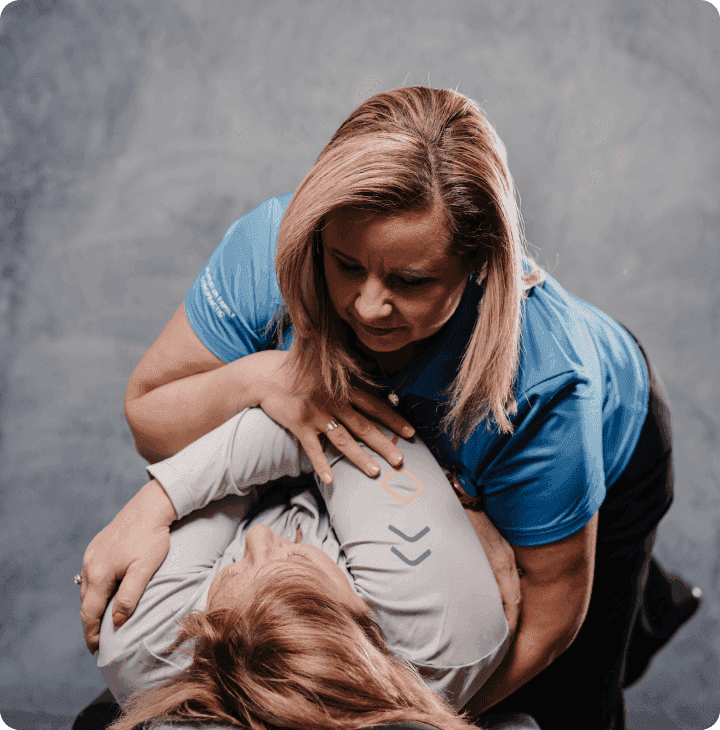
The spine is the central corridor through which every signal between your brain and body travels. Chiropractic care has long been built around the relationship between spinal function and nervous system health — and the research, while still developing, offers meaningful support for that connection.
A multisite clinical study in the Journal of Manipulative and Physiological Therapeutics measured HRV before and after chiropractic adjustments across a broad patient sample. The findings indicated that adjustments influenced autonomic nervous system activity — with patients showing measurable shifts in HRV alongside significant reductions in reported pain. The evidence base isn't uniform across all studies (some controlled trials have found more modest effects), but the mechanistic rationale is sound: areas of restricted spinal movement or nerve irritation create a source of low-grade stress input to the nervous system. Addressing that input removes a signal the body was interpreting as threat.
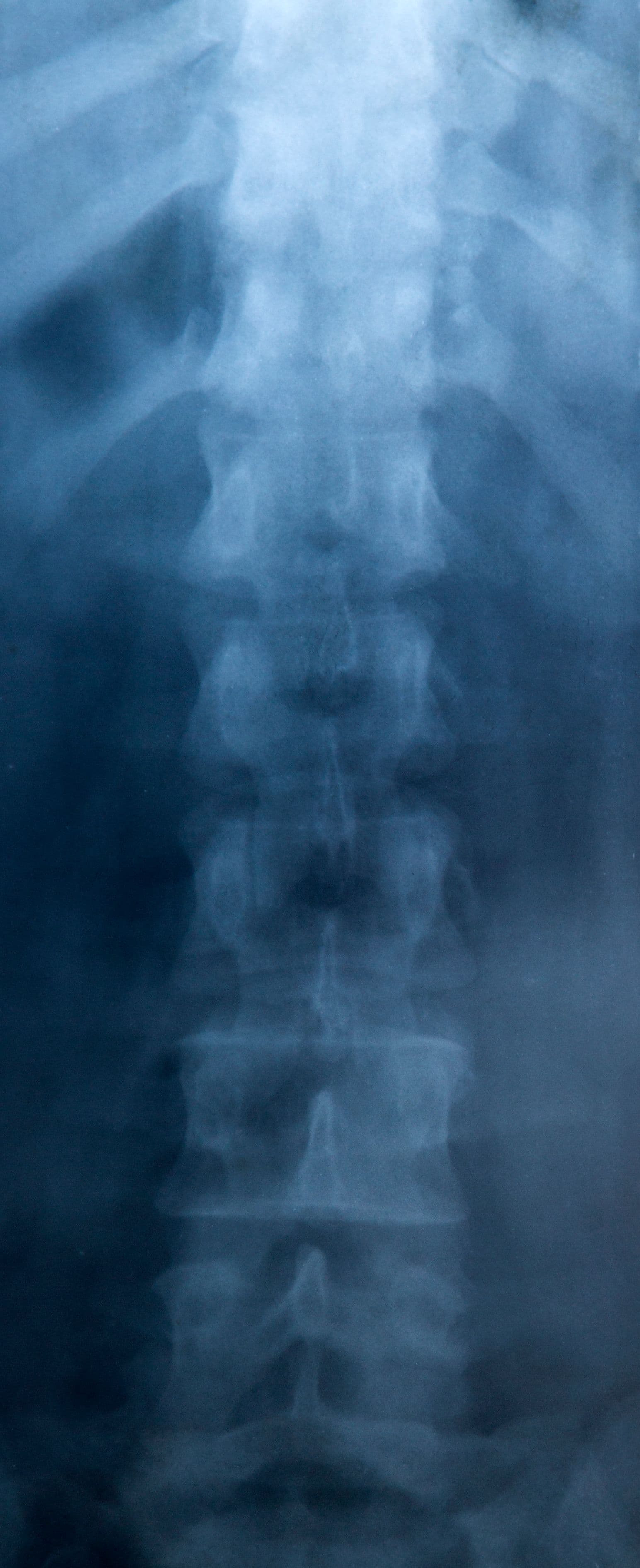
Put simply, chiropractic care isn't operating in a separate lane from what we've covered. When you understand the nervous system as the master regulatory system of the body — the communication network that determines how you respond to stress, how well you recover, and how your organs function — keeping that network's central pathway clear becomes foundational rather than optional.
What Supplements Help With Nervous System Support?
No supplement reorganizes a dysregulated nervous system on its own. But certain nutrients are genuinely involved in how the body manages stress, produces calming neurotransmitters, and recovers from activation.
Magnesium is the one that comes up most consistently. It's a required cofactor for hundreds of enzymatic processes — including those that regulate cortisol and support GABA, the brain's primary inhibitory neurotransmitter (the chemical signal that says "calm down"). Chronic stress depletes magnesium faster than diet typically replaces it, and most people are already running low. MaxLiving's Multi Magnesium combines several bioavailable forms — glycinate for nervous system and sleep support, malate for energy, and others — designed for absorption and the kind of multi-system support the nervous system actually needs.

Adaptogens are the other category with meaningful research. Ashwagandha in particular has been studied for its effect on cortisol and the HPA axis — the stress-hormone cascade that gets chronically overactivated in dysregulated nervous systems. Rather than suppressing stress responses outright, adaptogens help the body modulate them more efficiently. For anyone dealing with the adrenal fatigue end of the dysregulation spectrum — exhausted, wired, struggling to recover — MaxLiving's Adrenal Balance combines ashwagandha, rhodiola, and cordyceps specifically for that adrenal-nervous system support.
Neither of these replaces the practices. But they can support the physiological foundation while those practices take hold.
How to Start Regulating Your Nervous System
You don't overhaul the nervous system in an afternoon. But you can change its trajectory starting now, with tools that take minutes and cost nothing.
Begin with the physiological sigh. Two short inhales through the nose, one long slow exhale through the mouth. Do it when you wake up. Do it when stress peaks. Do it before sleep. Thirty seconds, zero equipment, and the strongest acute evidence behind it of any regulation tool on this list.
Add an orienting practice the next time anxiety kicks in. Instead of fighting the feeling or trying to think your way through it, let your eyes move slowly around the room. Pause on something neutral. Feel the weight of your body in the chair. This is not a distraction technique — it's a direct signal to your nervous system that you're safe, delivered in the only language it actually listens to.
Build a body scan into one part of your day — morning, before sleep, or even on your lunch break. Five to ten minutes of moving your attention slowly through your body without trying to fix anything.

Over time this rebuilds the interoceptive awareness that chronic stress quietly dismantles, and that everything else on this list depends on.
Pick one vagal stimulation habit and make it automatic. Humming in the car. Cold water on your face in the morning. Gargling before bed. These feel almost insultingly simple — but the physiology is real, and consistency is what separates results from good intentions.
When you're ready to go deeper, add progressive muscle relaxation before sleep three nights this week. Start at your feet, work upward, and let each release be deliberate. You're not just relaxing muscles — you're teaching your nervous system what it actually feels like to let go.
And don't underestimate movement. Yoga, intentional walking, or any form of physical engagement where you're in your body rather than escaping it through a podcast. The goal isn't fitness in the traditional sense — it's using movement to help your body complete what stress starts, the way it was always designed to.
Your nervous system isn't broken. It learned to survive in conditions that demanded constant vigilance. Now the work is teaching it — through consistent, embodied signals — that the conditions have changed. That it's safe to come down. And that recovery, not survival, is the new default.
References:
- https://www.apa.org/news/press/releases/stress/2023/collective-trauma-recovery
- https://pmc.ncbi.nlm.nih.gov/articles/PMC11546738/
- https://pmc.ncbi.nlm.nih.gov/articles/PMC12302812/
- https://my.clevelandclinic.org/health/body/22279-vagus-nerve
- https://www.ncbi.nlm.nih.gov/pmc/articles/PMC5518443/
- https://www.frontiersin.org/journals/neuroscience/articles/10.3389/fnins.2018.00049/full
- https://www.ccjm.org/content/76/4_suppl_2/S23
- https://pmc.ncbi.nlm.nih.gov/articles/PMC10295200/
- https://pmc.ncbi.nlm.nih.gov/articles/PMC9873947/
- https://link.springer.com/article/10.1007/s10484-025-09750-w
- https://pmc.ncbi.nlm.nih.gov/articles/PMC10182780/
- https://pmc.ncbi.nlm.nih.gov/articles/PMC9649023/
- https://pubmed.ncbi.nlm.nih.gov/26865773/
- https://journals.plos.org/plosone/article?id=10.1371%2Fjournal.pone.0103676
- https://www.sciencedirect.com/science/article/abs/pii/S0161475406000546

 Facebook
 Instagram
 LinkedIn