


Published: June 19, 2026
You've probably been told this story your whole life: Getting older means getting inflamed. Your joints start aching. Your body hurts more. Chronic diseases show up. And that's just what happens when you age.
Except scientists just proved that story is wrong.
In June 2025, researchers published a groundbreaking study in Nature Aging that flipped everything we thought we knew about inflammation and aging. They measured inflammatory markers across multiple populations around the world and found something remarkable: chronic inflammation with aging—what scientists call "inflammaging"—only happens in industrialized populations.
People living in non-industrialized societies? They don't experience it. At all.
Same human biology. Same genes. Completely different inflammatory trajectories.
Which means inflammaging isn't written into your DNA. It's not an inevitable consequence of being alive for decades. It's a product of how you live.
And if it's lifestyle-driven, it's modifiable. That changes everything.
Why Does Inflammation Even Matter?
Before we get into solutions, let's talk about what chronic inflammation actually does to your body—because this isn't just about occasional joint pain.
Acute inflammation—the kind you get from a cut or infection—is protective. Your immune system responds appropriately to a threat, does its job, and then the inflammation resolves. That's healthy.
Chronic low-grade inflammation is different. It's your immune system stuck in a constant state of mild activation. Inflammatory molecules circulate continuously at levels too low to cause obvious symptoms but high enough to damage tissues over time.

This is the kind of inflammation that drives:
Cardiovascular disease: Inflammation damages blood vessel walls, promotes plaque formation, and increases clotting risk. The Tsimane people of Bolivia—who we'll talk about in a minute—have virtually zero coronary artery calcium despite chronic parasitic infections that keep their inflammatory markers elevated.
Metabolic dysfunction: Inflammation interferes with insulin signaling, contributing to type 2 diabetes and weight gain. A 2024 study showed that lifestyle deterioration over just two months led to measurable increases in inflammatory cytokines.
Cognitive decline: Neuroinflammation damages brain tissue and is implicated in Alzheimer's and other dementias. The Tsimane show remarkably slow brain volume loss with age compared to industrialized populations.
Chronic pain: Inflammation sensitizes pain pathways, making everything hurt more. People with higher baseline inflammation report more pain across the board.
Accelerated aging: Inflammatory molecules damage cellular structures and DNA, literally speeding up biological aging at the molecular level.
The American Heart Association released a 2025 scientific statement recognizing chronic inflammation as a root contributor to fatigue, cognitive decline, metabolic dysfunction, and accelerated aging. It's not just one disease—it's the underlying process driving multiple conditions simultaneously.
What Did the Groundbreaking Study Actually Find?
The June 2025 study tracked 19 different inflammatory cytokines—the molecular messengers of inflammation—across diverse populations. Researchers compared industrialized groups (Italy, Singapore) with non-industrialized populations, specifically the Tsimane people of Bolivia and the Orang Asli of Malaysia.
In industrialized populations, the pattern was exactly what everyone expects: inflammatory markers increased steadily with age. More years alive equals more inflammation equals more chronic disease. The pattern we've been told is universal and inevitable.
In non-industrialized populations? Nothing. No increase in inflammatory markers with age. Older adults had inflammation levels similar to younger adults.

And correspondingly, these populations showed minimal rates of chronic age-related diseases—cardiovascular disease, cancer, metabolic syndrome, dementia.
The researchers were thorough. They controlled for genetics, infections, and other variables. The difference wasn't genetic or due to lack of medical diagnosis.
It was lifestyle.
What Are Non-Industrialized Populations Doing Differently?
Four major factors stood out in the research:
High daily physical activity: Not gym workouts. Not structured exercise. Consistent movement throughout the day—walking for transportation, manual labor, active food preparation, playing with children, maintaining living spaces without modern conveniences.
Whole-food diets low in processed foods: Food that looks like food. Plants, animals, minimal processing. No ultra-processed products engineered for shelf stability and profit.

Strong social connections and community integration: Daily interaction with extended family and community members. Shared meals, collaborative work, multi-generational living.
Lower chronic psychological stress: Not stress-free lives—they face physical challenges, uncertainty, and real dangers. But less exposure to the chronic psychological stressors of modern life: constant connectivity, information overload, social comparison via screens, financial anxiety divorced from immediate survival needs.
None of these are exotic. None require special access or resources. They're foundational human behaviors that industrialized life has systematically disrupted.
How Much Does Daily Movement Actually Matter?
Here's what the research shows consistently: daily physical activity is the single strongest predictor of inflammatory status.
Not intense exercise. Not marathon training. Not CrossFit. Consistent, moderate movement throughout the day.
A 2024 study in Scientific Reports demonstrated that lifestyle changes affect inflammatory markers within just two months. Daily physical activity showed the strongest relationship to inflammation levels—stronger than diet, stronger than sleep, stronger than any other single factor measured.
The Tsimane move constantly. The average Tsimane man accumulates roughly 17,000 steps daily, women around 15,000 steps. Not because they work out, but because their daily life requires it.
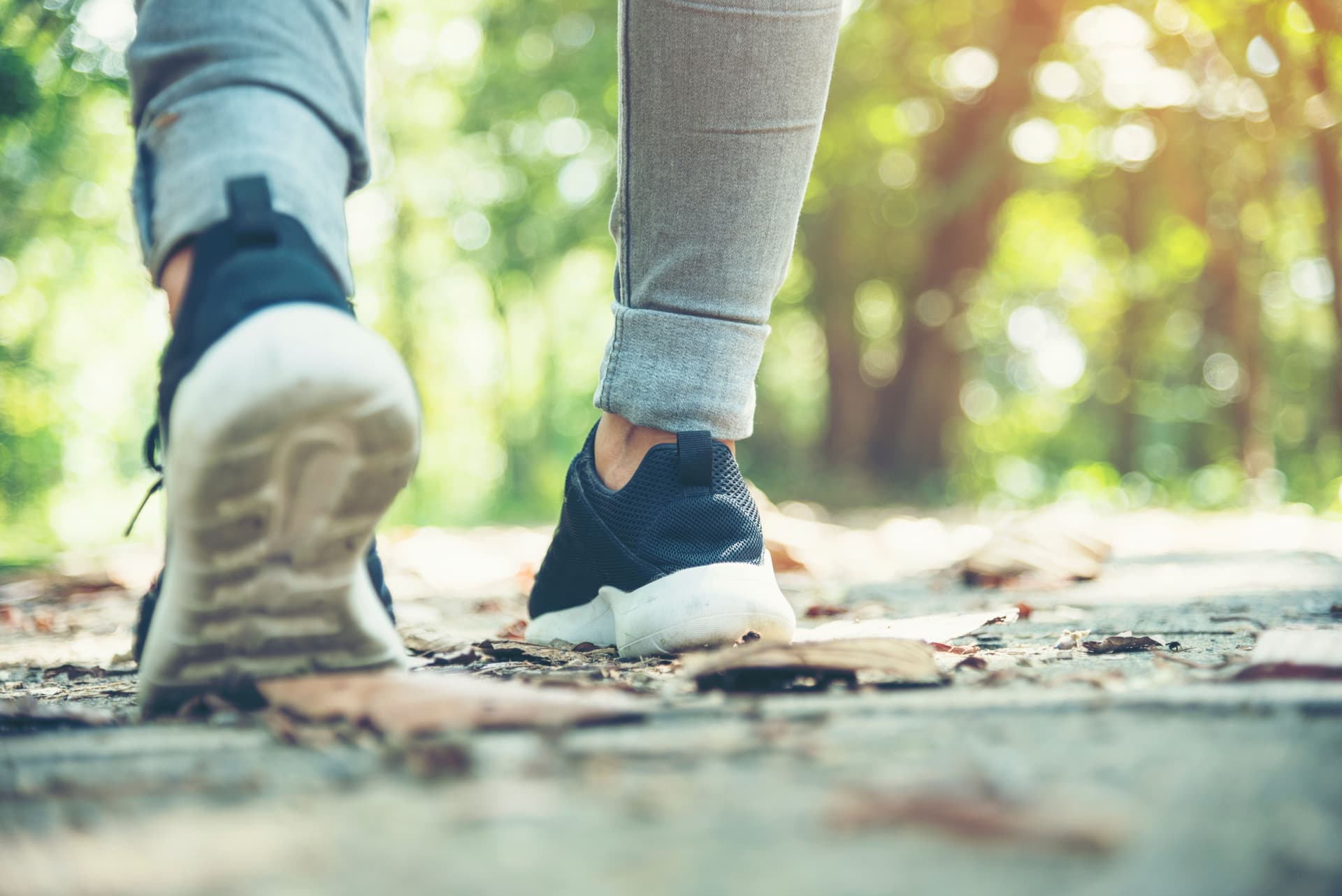
The average adult in industrialized societies sits for 9-10 hours daily. We've engineered movement out of modern life so completely that we have to consciously reintroduce it through "exercise."
Your body interprets prolonged sitting as a threat signal. Sedentary time directly increases inflammatory markers—independent of how much you exercise. Meaning an hour at the gym doesn't cancel ten hours at a desk.
A 2025 meta-analysis covering over 30,000 participants found that exercise interventions produced measurable reductions in C-reactive protein, IL-6, and TNF-alpha—key inflammatory markers linked to chronic disease risk.
The practical takeaway: you don't need to become an athlete. You need to break up sedentary time. Standing, walking, stretching, light activity scattered throughout the day produces more anti-inflammatory benefit than one intense workout followed by 10 hours of sitting.
Can Food Choices Really Change Inflammation That Fast?
Yes. And the timeline is faster than most people think.
Non-industrialized populations eat food that looks like food. Industrialized populations eat engineered products loaded with refined sugars, industrial seed oils, additives, and compounds that actively promote inflammation.
The Mediterranean dietary pattern—which closely mimics traditional whole-food eating—is one of the most well-researched anti-inflammatory approaches. It emphasizes:
- Omega-3 rich foods (fatty fish, walnuts, flaxseed)
- Polyphenol-rich produce (berries, leafy greens, colorful vegetables)
- Olive oil as primary fat
- Limited ultra-processed foods, refined sugars, and industrial seed oils
Research shows these aren't vague suggestions. A 2014 systematic review found that adherence to Mediterranean-style eating patterns was associated with reduced inflammatory markers and lower cardiovascular risk independent of other factors.
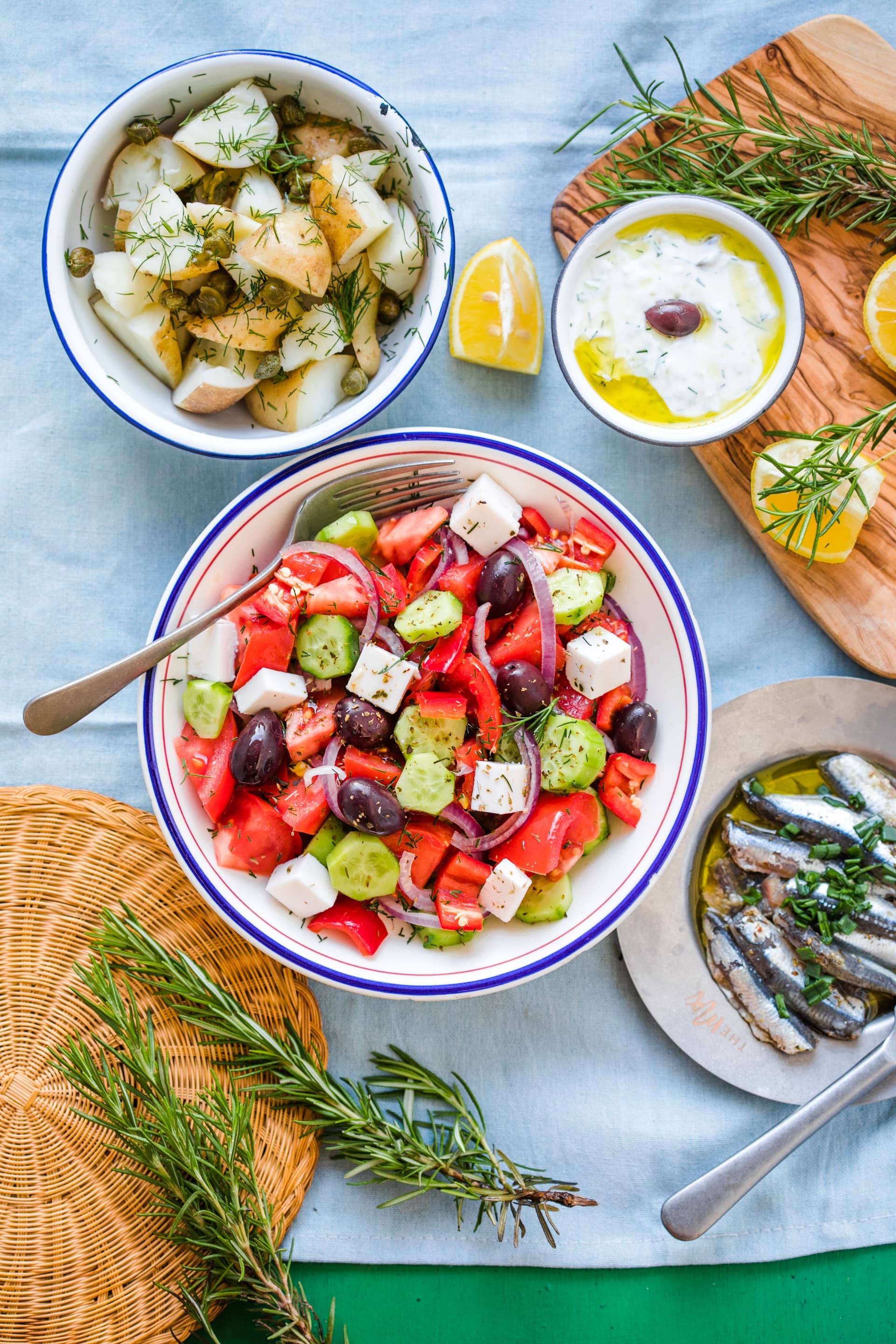
The goal isn't perfection. It's shifting the ratio. More whole foods, fewer processed products. More plants, more omega-3s, less refined sugar.
And here's the encouraging part: changes happen fast. The 2024 study showing lifestyle effects on inflammation measured changes over just two months. Small consistent changes compound quickly.
Why Does Stress Keep Making Everything Worse?
Chronic psychological stress directly elevates inflammatory markers. The mechanism is well-established.
When you're stressed, your body releases cortisol and activates inflammatory pathways—appropriate responses to acute threats. But when stress is chronic and psychological (work pressure, financial worry, relationship conflict, information overload), those pathways stay active.
The connection runs both ways. Stress increases inflammation. Inflammation makes you more stress-reactive. It becomes a self-reinforcing cycle that's hard to break without deliberate intervention.

Non-industrialized populations aren't stress-free. They face physical challenges, food scarcity, and real dangers. But they typically have stronger social support networks, more time in nature, and less exposure to the chronic psychological stressors of modern life.
Practical stress reduction doesn't mean eliminating all stressors—that's impossible. It means creating regular recovery periods. Time in nature, social connection with people you trust, physical activity, adequate sleep. These aren't luxuries. They're biological necessities that directly influence your inflammatory status.
Is Sleep Quality Really That Important for Inflammation?
Short answer: yes. Consistently.
Poor sleep quality increases inflammatory cytokines. The effect is measurable and reproducible across studies.
During deep sleep, your brain clears metabolic waste, your immune system recalibrates, and inflammatory pathways downregulate. When sleep is disrupted—whether from insufficient duration, poor quality, or circadian misalignment—inflammation stays elevated.
The research is clear: people who sleep poorly have higher baseline inflammation, which contributes to all the chronic diseases we've been talking about—cardiovascular disease, metabolic dysfunction, cognitive decline, chronic pain.
Prioritizing consistent sleep timing, adequate duration (7-9 hours for most adults), and sleep quality often produces more health benefit than other interventions people obsess over.

What About Social Connection—Does That Actually Matter?
Yes, and the effect size surprises most people.
Strong social ties are independently associated with lower inflammation. Community involvement and meaningful relationships aren't just psychologically beneficial—they're biologically protective.
The mechanism likely involves stress buffering, behavioral reinforcement of healthy habits, and direct neuroendocrine effects of positive social interaction on inflammatory pathways.

Non-industrialized populations live in tightly integrated communities with daily multi-generational contact. Modern industrialized life often fragments severely—people living alone, working remotely, interacting primarily through screens.
The prescription here is simple but not easy: prioritize time with people who support you. Make community involvement a non-negotiable part of your schedule, not something you do when you have leftover time.
What Can You Actually Do With This Information?
Based on the research, here's what moves the needle on inflammatory status:
Break up sedentary time every 30-60 minutes. Stand, stretch, walk. "Movement snacks"—5-10 minute activity bursts—are more anti-inflammatory than a single long workout if the rest of your day is sedentary. Aim for consistent moderate activity rather than occasional intense exercise.
Shift toward whole foods and away from processed products. Increase omega-3 intake through fatty fish, walnuts, or flaxseed. Load up on colorful produce—each color represents different polyphenols with anti-inflammatory properties. Limit refined sugars and industrial seed oils.

**Build regular stress recovery into your schedule. **Not just when you're already overwhelmed. Time in nature, social connection, physical activity, and adequate sleep all directly reduce inflammatory markers. Consistency matters more than intensity.
Prioritize sleep consistency. Maintain regular sleep-wake times, even on weekends. Aim for 7-9 hours of quality sleep as non-negotiable, not optional.
Invest in social connection. Strong social ties independently lower inflammation. Prioritize time with people who support you. Community involvement isn't just nice—it's biologically protective.
The Bottom Line: Your Inflammation Is Not Your Fate
The 2025 research is unambiguous: inflammaging isn't inevitable. It's not written into your genes. It's not the unavoidable price of living long enough.
It's a product of daily choices—movement patterns, food choices, stress management, sleep quality, social connection.
You don't need a complete life overhaul. You need to shift the ratios. More movement, less sitting. More whole foods, fewer processed products. More recovery time, less chronic stress. More sleep consistency, better circadian alignment.
Small daily choices compound. They shift your inflammatory trajectory from the industrialized pattern—steadily increasing inflammation driving chronic disease—toward the pattern seen in populations who age without inflammaging.
The Tsimane aren't superhuman. They're not genetically protected. They simply live in ways that don't chronically activate inflammatory pathways.

You can't replicate their entire lifestyle. But you can adopt the principles: move throughout the day, eat real food, prioritize sleep, manage stress, stay connected to people who matter.
Your inflammation is not your fate. It's your choice.
References:
- https://www.nature.com/articles/s43587-025-00668-0
- https://www.nature.com/articles/s41569-017-0005-5
- https://pmc.ncbi.nlm.nih.gov/articles/PMC6028773/
- https://www.nature.com/articles/s41574-017-0014-1
- https://www.nature.com/articles/s41598-024-69967-3
- https://pmc.ncbi.nlm.nih.gov/articles/PMC8599004/
- https://www.ahajournals.org/doi/10.1161/CIR.0000000000001388
- https://www.thelancet.com/journals/lancet/article/PIIS0140-6736(17)30752-3/abstract
- https://pmc.ncbi.nlm.nih.gov/articles/PMC2722089/
- https://pubmed.ncbi.nlm.nih.gov/24205208/
- https://link.springer.com/article/10.1007/s11332-025-01445-3
- https://www.mdpi.com/2227-9032/10/3/581
- https://www.tandfonline.com/doi/full/10.1080/10408398.2011.596955
- https://www.frontiersin.org/articles/10.3389/fnhum.2017.00316/full
- https://pubmed.ncbi.nlm.nih.gov/27183440/
- https://academic.oup.com/biomedgerontology/article/72/2/266/2631007


 Facebook
 Instagram
 LinkedIn