


Published: July 20, 2026
Here's something worth sitting with for a moment: your heart beats roughly 100,000 times per day. Your brain processes millions of bits of information every second. Your immune cells scan for threats around the clock. None of that happens without energy. And the compound sitting at the center of all that energy production — one your body makes naturally — begins declining the moment you hit your thirties.
It's called Coenzyme Q10. Most people have never heard of it until something starts going wrong.
CoQ10 isn't a trend. It's a molecule present in virtually every cell of your body, concentrated most heavily where energy demands are greatest — your heart, your brain, your liver, your muscles. The research behind it has been building for decades. So why isn't your doctor talking about it?
What Is CoQ10 and Why Does It Decline?
CoQ10 functions as the spark plug inside your mitochondria — the energy factories of your cells. It shuttles electrons through the mitochondrial chain to produce ATP, the fuel that powers every contraction, every nerve signal, every cellular repair process in your body.
Your liver synthesizes CoQ10, and small amounts come from food — organ meats, sardines, beef, spinach. But here's what the pharmaceutical model rarely acknowledges: CoQ10 production peaks in your twenties and steadily declines with age. By your fifties and sixties, the tissues that need it most are operating on significantly lower reserves than they were designed to work with.
And if you're taking one of the most commonly prescribed medications in the country? That decline accelerates. A double-blind, placebo-controlled study published on Sayer Ji’s GreenMedInfo confirmed that statin drugs significantly reduce CoQ10 plasma levels in both healthy volunteers and patients — with potential for mitochondrial dysfunction and cellular damage as a result.

The same drug prescribed to protect your heart is depleting the very compound your heart runs on. That's not a theory. That's biochemistry.
Can CoQ10 Support Heart Health Naturally?
Heart disease has remained the leading cause of death in America for over a century. Conventional medicine's primary answer has been statins and blood pressure medications. But what if the missing piece isn't another drug — it's a compound your body already knows how to use?
The Q-SYMBIO trial, one of the most significant cardiovascular studies on CoQ10, followed 420 patients with heart failure over two years. Those who received CoQ10 experienced major adverse cardiovascular events at a rate of 15% — compared to 26% in the placebo group. That's nearly half the risk, from a natural compound with no reported side effects.

Additional research found that 200mg of CoQ10 daily added to conventional treatment in heart failure patients showed significant improvements in quality of life, diastolic function, and cardiac output — including prevention of dangerous tachycardia.
The evidence has grown compelling enough that even mainstream cardiology has taken notice. A 2024 scientific review published on GreenMedInfo highlighted that the American Heart Association acknowledged potential benefit for CoQ10 as a complementary therapy for heart failure patients — a significant concession from an institution not known for embracing natural medicine.
Your heart is the hardest-working muscle in your body. It deserves fuel that actually supports how it was designed to function.
Does CoQ10 Protect the Brain and Nervous System?
You've probably heard that the nervous system is the master controller of everything. Chiropractors understand this better than most — when your nervous system can communicate freely, your body's innate intelligence does what it was created to do. But that communication requires something: energy. Enormous, continuous amounts of it.
The brain consumes more energy per unit of weight than any other organ. It is exquisitely dependent on mitochondrial function — and therefore on CoQ10. As levels decline, the brain becomes vulnerable. Research indexed on GreenMedInfo documents that CoQ10 provides neuroprotection against Alzheimer's disease, Parkinson's disease, and Huntington's disease — acting through both its mitochondrial energy role and its powerful antioxidant capacity.

The mechanism matters here: CoQ10 deficiency leads to oxidative stress and mitochondrial failure in neuronal tissue. The nerve cells most dependent on continuous energy — those in the brain, spinal cord, and peripheral nervous system — suffer first. Supporting CoQ10 levels isn't just about preventing fatigue. It's about protecting the very infrastructure through which your body organizes and heals itself.
This is why understanding CoQ10 goes hand in hand with understanding chiropractic philosophy. Remove interference in the spine. Restore communication through the nervous system. Then give that system the raw cellular fuel it needs to carry that signal effectively. These aren't competing ideas — they're complementary ones.
Can CoQ10 Help With Migraines and Chronic Headaches?
If you or someone you love deals with migraines, this section deserves your full attention.
A study measuring CoQ10 levels in 1,550 migraine patients found that nearly a third of them were below the reference range for CoQ10. When those deficient patients were given CoQ10 supplementation, headache frequency improved significantly — and headache-related disability scores dropped nearly in half.

A separate randomized, double-blind, placebo-controlled trial found that CoQ10 at 300mg daily was superior to placebo for attack frequency, headache days, and days with nausea — with a 50% responder rate of 47.6% versus just 14.4% for placebo. The number needed to treat was 3. Three people supplemented, and statistically, one person's migraines were cut in half.
Conventional migraine prevention drugs come with side effects ranging from fatigue and weight gain to depression and cognitive dulling. CoQ10's most commonly reported "side effect" across studies? None worth noting.
The root cause lens asks: why is this person's brain so energy-depleted that it's generating debilitating pain signals? That's a different — and far more productive — question than "which drug suppresses the symptom?"
Fertility: The Mitochondrial Connection No One Is Talking About
Here's something that doesn't get nearly enough attention in the fertility conversation: egg cells and sperm cells are among the most mitochondria-dense cells in the human body. They have to be — the energy demands of fertilization and early cell division are extraordinary.
As CoQ10 levels decline with age, so does the mitochondrial activity that drives reproductive cell quality. Research highlighted by GreenMedInfo, drawn from the most comprehensive nutrient-fertility study ever conducted — found that CoQ10 was among the key nutrients directly linked to male fertility outcomes, with improvements in sperm motility, count, and morphology documented across multiple human trials.

The implications extend to female fertility as well. The same mitochondrial decline that impairs sperm function also affects egg quality, which is why fertility specialists have increasingly included CoQ10 in reproductive support protocols. This isn't fringe thinking. It's cell biology.
If you're supporting someone on their fertility journey — or on your own — CoQ10's role in mitochondrial health is a conversation worth having with your healthcare provider.
Do Statins Deplete CoQ10—The Drug That Steals Your Cellular Energy
Let's name what's happening plainly.
Statins work by inhibiting the mevalonate pathway — the biochemical route your body uses to produce cholesterol. What most people aren't told is that this same pathway also produces CoQ10. You cannot block one without blocking the other. As GreenMedInfo documents, statin use measurably lowers CoQ10 plasma levels — and diminished CoQ10 availability is now linked to the muscle pain, fatigue, cognitive impairment, and cardiac side effects that many statin users experience.

Tens of millions of people are taking a drug that depletes the compound their heart, brain, and muscles need most — while being told the drug is protecting them.
That's the difference between sick care and true health. Sick care manages numbers on a lab panel. True health asks what the body actually needs to function the way it was designed.
You have the right to that conversation. You have the right to the research. And now you have it.
How to Add CoQ10 to Your Daily Health Routine
1. Add CoQ10-Rich Foods to Your Daily Plate
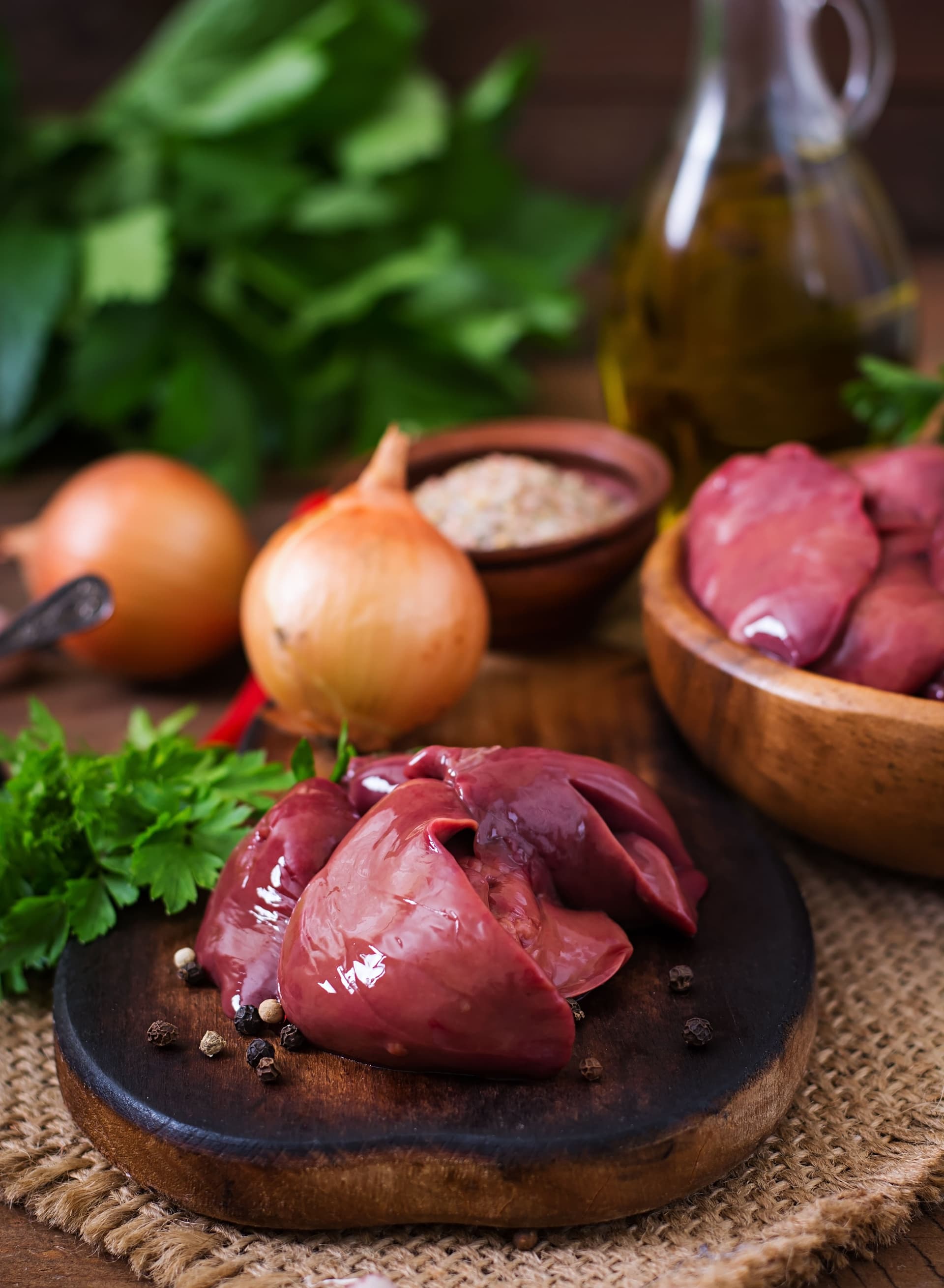
The best food sources of CoQ10 are organ meats (beef heart and liver are the richest), sardines, mackerel, grass-fed beef, and spinach. These aren't exotic ingredients — they're the kinds of whole, God-made foods that have sustained healthy populations for centuries. Eating them regularly won't replace therapeutic supplementation, but they provide a meaningful foundational base.
2. Consider Targeted Supplementation
If you're looking for therapeutic-grade CoQ10 support, MaxLiving's Cellular Health & Longevity formula is designed to support cellular energy production and mitochondrial function — working at the foundational level where CoQ10 does its best work. For those seeking focused cardiovascular and cellular support, it's worth exploring what your MaxLiving doctor recommends based on your specific health picture.
Most research on therapeutic CoQ10 uses dosages between 100–300mg daily, though some cardiovascular studies used higher amounts. Work with a qualified provider to determine what's appropriate for you.
3. Explore GreenMedInfo's CoQ10 Research Database
Sayer Ji's GreenMedInfo is the world's most widely-cited, evidence-based natural health resource. Visit their CoQ10 research page to explore the full depth of peer-reviewed studies across heart health, neuroprotection, migraine, fertility, and more. With over 2,300 indexed studies on this one compound alone, their database makes it impossible to dismiss what the research has been quietly showing for decades.
This is the arsenal that gives you receipts when the sick care system tells you "there's no evidence."
4. Stay Connected to the Movement
Join the MaxLiving community by signing up for MaxLiving's newsletter to stay updated on natural health strategies, upcoming events, and ways to take your health back. For ongoing access to cutting-edge research, also subscribe to GreenMedInfo's free newsletter for the latest peer-reviewed studies on natural medicine delivered straight to your inbox.
5. Share This
How many people do you know who are exhausted all the time, dealing with migraines, struggling with heart issues, or taking statins without anyone mentioning CoQ10 to them? Share this article. Share the research. Be the person who opens a door someone didn't know existed.
Small daily choices compound. Heroes grow here — and sometimes being a hero looks like forwarding an article that changes the conversation.
About This Research:
All research and information referenced in this article is sourced from GreenMedInfo.com, founded by Sayer Ji. GreenMedInfo is the world's most widely-referenced, open-access, evidence-based natural health resource, containing over 95,000 peer-reviewed study abstracts on natural medicine. Their comprehensive database on CoQ10 includes 2,300+ studies, making it one of the most extensively researched natural compounds in their collection.
Disclaimer: This content is educational and not intended to diagnose, treat, cure, or prevent any disease. Always consult with your healthcare provider before making changes to any health protocol or medication regimen. CoQ10 may interact with certain medications including blood thinners and chemotherapy agents, so professional guidance is essential. If you are currently taking statin medications, do not discontinue them without consulting your prescribing physician.
Resources:
- https://greenmedinfo.com/article/statin-drugs-reduce-coq10-levels-which-may-result-mitochondrial-dysfunction-an
- https://greenmedinfo.com/article/supplemental-coenzyme-q10-may-be-useful-option-effective-management-patients-h
- https://greenmedinfo.com/article/coenzyme-q10-appears-prevent-tachycardia-heart-failure-patients
- https://greenmedinfo.com/content/fish-oil-coq10-and-tai-chi-could-help-heart-failure-patients-says-leading-card
- https://greenmedinfo.com/article/neuroprotection-coenzyme-q10-neurodegenerative-diseases
- https://greenmedinfo.com/article/deficiency-coq10-may-be-common-pediatric-and-adolescent-migraine
- https://greenmedinfo.com/article/coq10-efficacious-and-well-tolerated-migraine-prophylaxis
- https://greenmedinfo.com/blog/most-extensive-study-ever-nutrients-male-fertility
- https://greenmedinfo.com/substance/coenzyme-q10


 Facebook
 Instagram
 LinkedIn