


Published: June 22, 2026
That jar of "cinnamon" in your spice cabinet? There's a decent chance it's not actually cinnamon at all. And even if it is, you're probably using way too little of something that could be doing way too much for your health.
We're talking about a spice so valuable that wars were fought over it, empires built around it, and ancient healers prescribed it for everything from digestive issues to deadly infections. Fast forward a few thousand years, and modern science is finally catching up to what traditional medicine knew all along.
According to Sayer Ji's GreenMedInfo—the world's largest open-access natural health database—cinnamon has over 696 peer-reviewed studies documenting its medicinal properties. Not folklore. Not marketing hype. Actual published research showing this humble bark can regulate blood sugar better than some pharmaceuticals, kill antibiotic-resistant bacteria, shrink tumors, and protect your brain from degenerative diseases.
But here's the kicker: most people don't know the difference between real cinnamon and its cheaper impostor. And that difference matters when you're trying to harness serious therapeutic benefits.
Is the Cinnamon You're Using Actually Cinnamon?
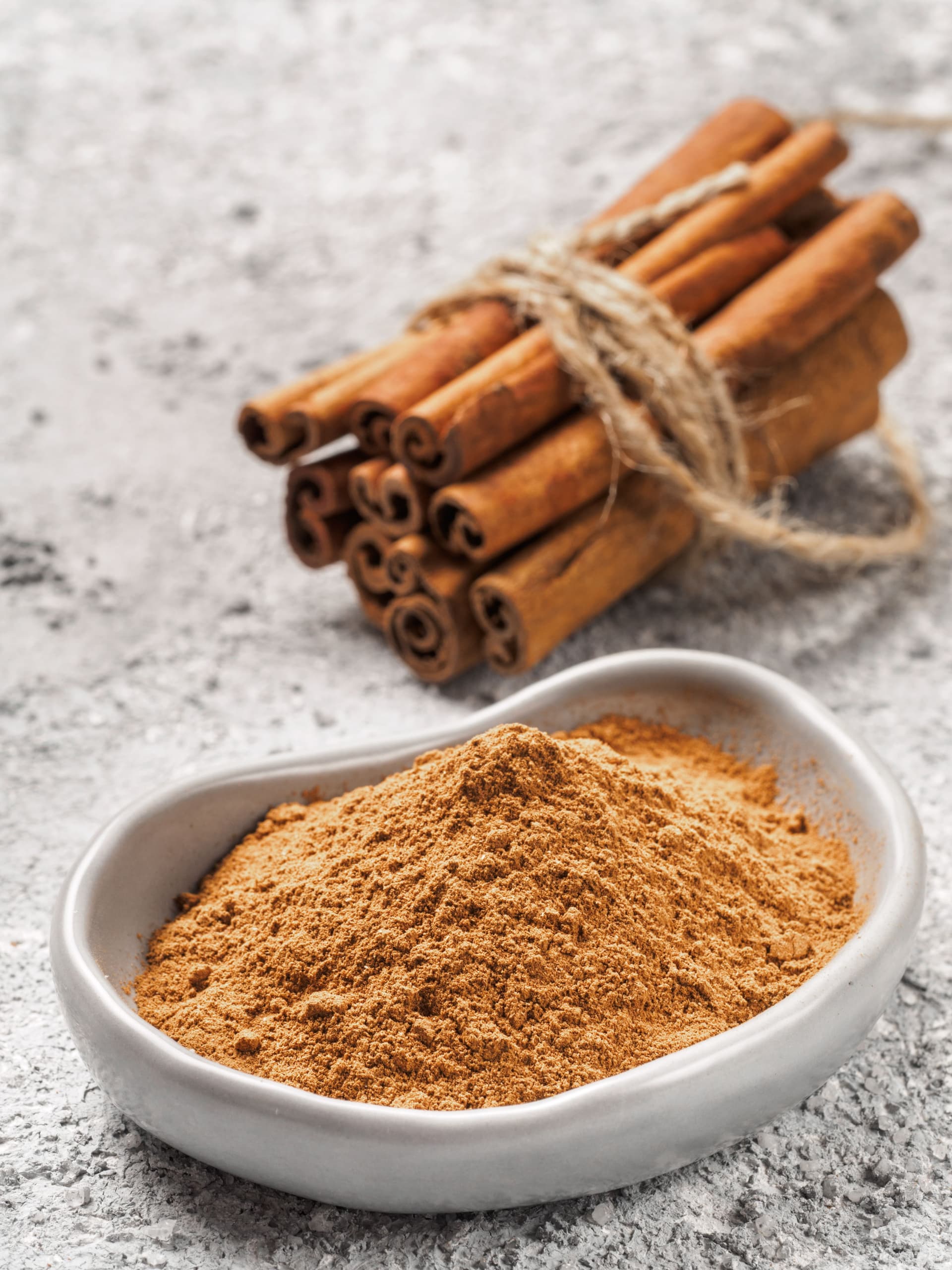
Walk into any grocery store in North America, grab a jar labeled "cinnamon," and you've probably just bought cassia. Not Ceylon cinnamon—the real deal that's been used medicinally for thousands of years—but a similar-tasting cousin that's cheaper to produce and comes with some potential downsides.
Ceylon cinnamon, also called "true cinnamon," comes primarily from Sri Lanka, India, Madagascar, and the Caribbean. It's lighter in color, sweeter in taste, and significantly more expensive. Cassia cinnamon—often labeled as "Chinese cinnamon" or "Saigon cinnamon"—comes from Indonesia, China, Vietnam, and Korea.
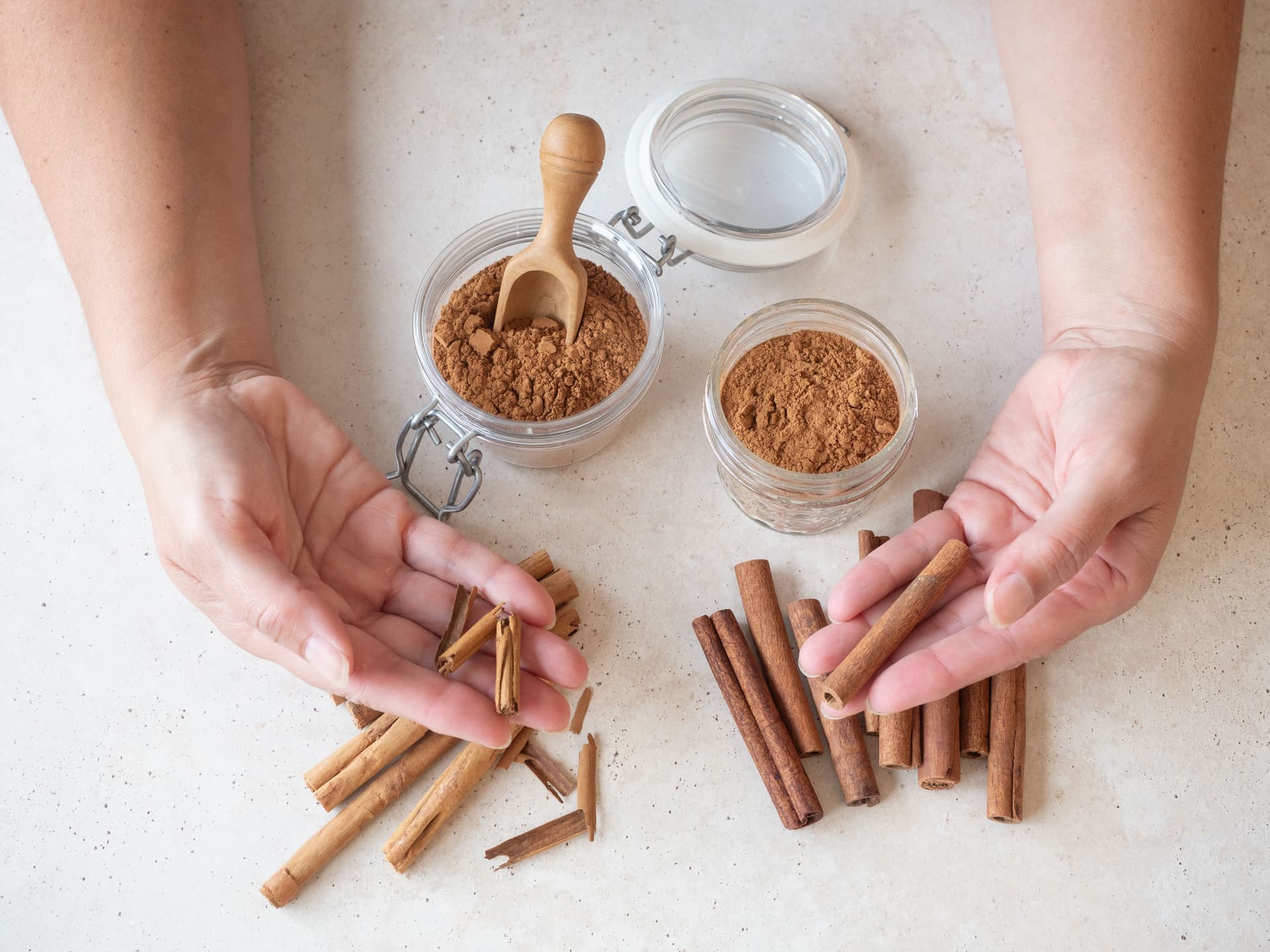
Both types contain beneficial compounds. Both have been studied for health effects. But cassia contains high levels of coumarin, a compound that can damage your liver with prolonged high-dose use. Ceylon cinnamon contains trace amounts of coumarin, making it the safer choice for therapeutic doses.
The ancient Egyptians knew cinnamon's value—they used it in embalming rituals. The Romans considered it so precious that Emperor Nero burned a year's supply on his wife's funeral pyre as proof of his devotion. These weren't symbolic gestures. This was recognition of a substance with profound preservative and medicinal properties.
And now we have the research to prove exactly why.
Can Cinnamon Actually Control Blood Sugar Better Than Drugs?
If you're one of the millions managing type 2 diabetes or prediabetes, what you're about to read might change how you think about blood sugar control.
A meta-analysis of eight clinical trials found that cinnamon intake—either as whole cinnamon or cinnamon extract—results in statistically significant lowering of fasting blood glucose in people with type 2 diabetes and prediabetes. The reduction averaged 0.49 mmol/L, which might not sound dramatic until you realize this was achieved without the side effects that come with pharmaceutical interventions.
But it gets more impressive. In a randomized controlled trial, 58 people with poorly controlled type 2 diabetes took either 2 grams of cinnamon or a placebo daily for 12 weeks.
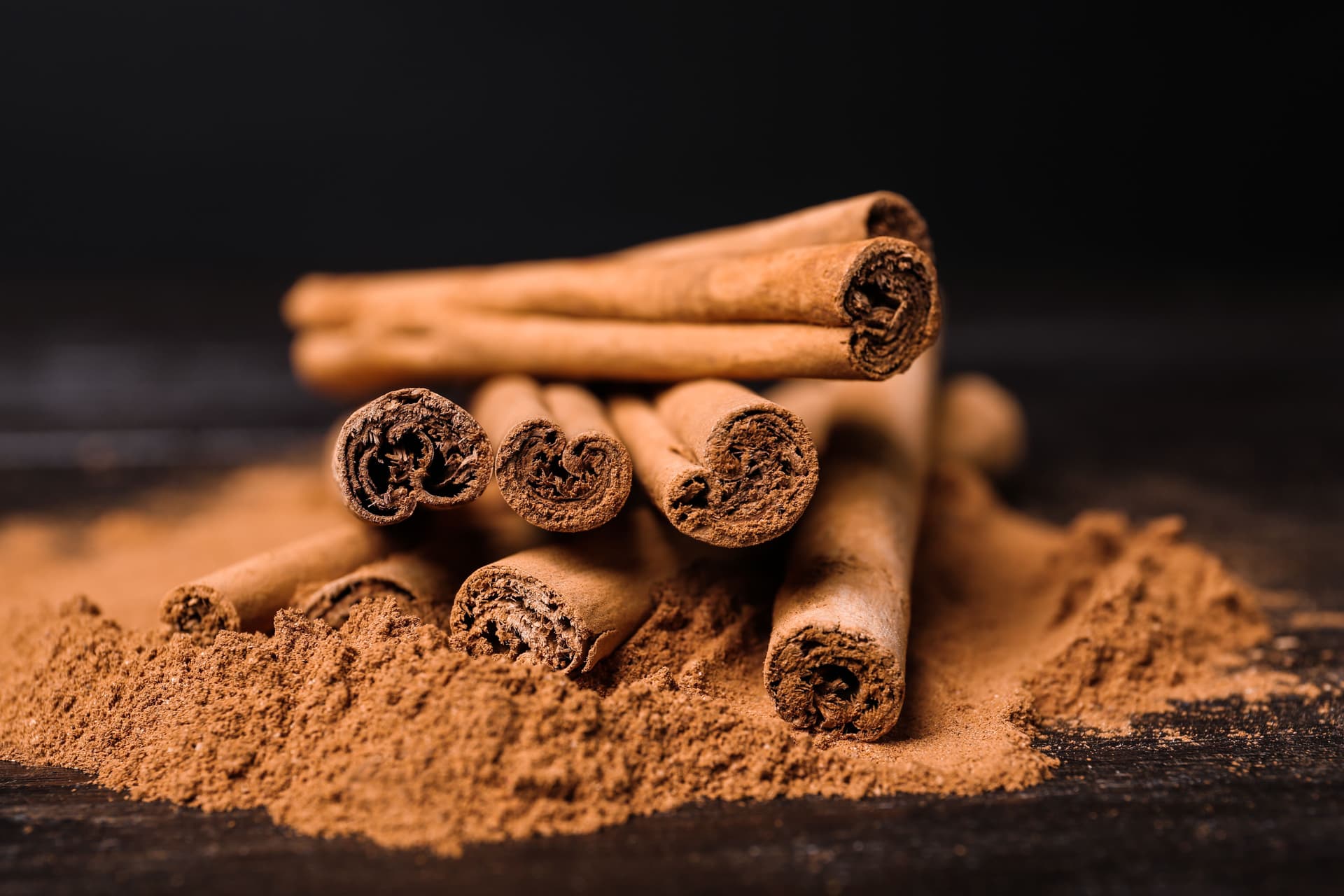
The cinnamon group saw their HbA1c drop from 8.22% to 7.86%, while the placebo group actually got worse, going from 8.55% to 8.68%.
HbA1c measures your average blood sugar over three months—it's the gold standard for diabetes management. A reduction like this translates to dramatically lower risk of complications including nerve damage, kidney disease, and cardiovascular problems.
And here's what makes this particularly interesting: cinnamon appears to work through multiple mechanisms. It doesn't just suppress symptoms. It actually improves how your body processes glucose at the cellular level.
Research shows that compounds in cinnamon activate insulin receptors, increase glucose transporter synthesis in cells, and can boost glucose metabolism up to twentyfold. At the same time, cinnamon slows gastric emptying—meaning food leaves your stomach more slowly—which prevents the blood sugar spikes that damage your system over time.
Your body wasn't designed to handle the constant glucose rollercoaster that modern eating creates. Cinnamon helps restore the natural rhythm your metabolism is supposed to follow.
Does Cinnamon Lower Blood Pressure and Protect Your Heart?
Heart disease kills more Americans than anything else, and conventional medicine's answer is a lifetime of medications with questionable efficacy and guaranteed side effects. What if there was a better starting point?
The same 12-week study that showed dramatic blood sugar improvements also found significant blood pressure reductions. Systolic blood pressure dropped from 132.6 to 129.2 mmHg, and diastolic pressure fell from 85.2 to 80.2 mmHg in the cinnamon group. The placebo group? No change.
These aren't trivial numbers. Every 10-point reduction in systolic blood pressure reduces your risk of major cardiovascular events by about 20%. And cinnamon achieved this without the dizziness, fatigue, or sexual dysfunction that often comes with blood pressure medications.
Cinnamon's cardiovascular benefits stem from several mechanisms working together. The phenolic compounds in cinnamon provide 65.3% antioxidant activity, scavenging the free radicals that damage blood vessels and accelerate aging. Compounds like trans-cinnamaldehyde and p-cymene produce anti-inflammatory effects by blocking inflammatory biomarkers before they can trigger the cascade that leads to chronic disease.
Inflammation and oxidative stress are the root causes of metabolic syndrome—a cluster of conditions including high blood pressure, elevated blood sugar, excess abdominal fat, and abnormal cholesterol levels. When these factors converge, your risk of heart disease, stroke, and diabetes skyrockets. Cinnamon addresses multiple factors simultaneously, not by suppressing symptoms, but by reducing the underlying dysfunction.
And unlike statins, which come with risks of muscle damage, liver dysfunction, and cognitive impairment, cinnamon's side effects in human trials have been essentially nonexistent at therapeutic doses.
Can Cinnamon Fight Cancer Without Destroying Healthy Tissue?
Cancer treatment in conventional medicine follows a scorched-earth approach: chemotherapy and radiation destroy cancer cells but also devastate healthy tissue, leaving patients with compromised immune systems, organ damage, and quality of life that's often worse than the disease itself.
What if there was a different approach?
Research published on GreenMedInfo shows that eugenol and cinnamaldehyde—two active compounds in cinnamon—have powerful apoptotic properties. Apoptosis is programmed cell death, the body's natural way of eliminating damaged or abnormal cells. Cancer cells are particularly good at evading apoptosis, which is why they multiply out of control.

Eugenol up-regulates caspase activity, essentially reactivating the self-destruct mechanism that cancer cells have learned to disable. In one study, pre-treatment with eugenol resulted in a 1.5-fold increase in the apoptotic index of cancer cells.
But here's what makes this remarkable: cinnamon demonstrates selectivity. Studies show significant anti-proliferative activity against colon cancer cells while leaving healthy cells largely untouched. The compounds work by targeting the mechanisms that make cancer cells different from normal cells—their uncontrolled growth, their resistance to death signals, their ability to recruit blood vessels for fuel.
This is the opposite of chemotherapy, which can't distinguish between rapidly dividing cancer cells and rapidly dividing healthy cells in your gut lining, bone marrow, and hair follicles.
That research also shows that cinnamon modulates angiogenesis—the formation of new blood vessels that tumors need to grow beyond a certain size. Without the ability to create their own blood supply, tumors can't expand or metastasize effectively. Components of cinnamon control this process, essentially starving cancer cells of the infrastructure they need to thrive.
None of this suggests cinnamon replaces comprehensive cancer treatment. But it does validate what integrative medicine has been saying for years: food contains compounds that work with your body's natural defense systems, not against them.
How Does Cinnamon Kill Antibiotic-Resistant Bacteria?
Antibiotic resistance is approaching crisis levels. Common infections that were once easily treatable are becoming life-threatening because bacteria have evolved resistance to our most powerful drugs. And what's mainstream medicine's response? Develop stronger antibiotics, which just accelerates the resistance cycle.
Meanwhile, cinnamon bark has demonstrated the highest antimicrobial activity particularly against antibiotic-resistant strains. We're talking about bacteria that laugh at conventional antibiotics—methicillin-resistant Staphylococcus aureus (MRSA), drug-resistant E. coli, Salmonella strains that have adapted to survive everything we throw at them.
Cinnamon doesn't work the way antibiotics do. Antibiotics target specific bacterial mechanisms, which is why bacteria can evolve around them. Cinnamon contains multiple antimicrobial compounds that attack bacteria through different pathways simultaneously, making resistance exponentially more difficult to develop.
The compound cinnamaldehyde disrupts bacterial cell membranes, inhibits ATPase activity, and prevents biofilm formation—those protective slime layers bacteria create to shield themselves from antibiotics and your immune system. This multi-pronged attack is why bacteria haven't figured out how to resist cinnamon despite thousands of years of exposure.
And it's not just bacteria. Cinnamon demonstrates antiviral activity against various influenza viruses, including H1N1. When conventional medicine was scrambling to develop vaccines and antivirals during flu pandemics, cinnamon was sitting in spice racks worldwide with proven ability to inhibit viral replication.
For fungal infections, the research is equally compelling. Studies show cinnamon's antifungal properties are effective against Candida albicans and other pathogenic fungi. The GreenMedInfo database on antifungal agents includes extensive research on cinnamon's ability to break down Candida biofilms in the gut and reduce systemic yeast overgrowth.
Your immune system was designed to handle infections when it has the right support. Cinnamon provides that support without the collateral damage of broad-spectrum antibiotics wiping out your beneficial bacteria.
Can Cinnamon Protect Your Brain and Reverse Cognitive Decline?
Your brain is under constant assault. Environmental toxins, inflammatory foods, chronic stress, poor sleep—all of it contributes to neurodegeneration that conventional medicine considers irreversible. Alzheimer's, Parkinson's, dementia: once diagnosed, the trajectory is supposedly one-way.
But emerging research suggests otherwise.
Cinnamon enhances cognitive processing and has been shown to improve test subjects' scores related to attention, memory, and visual-motor speed. These aren't subtle effects—people performed measurably better on cognitive tasks simply by chewing cinnamon gum or smelling the spice.
More importantly, research indicates cinnamon may reduce the chronic inflammation that leads to neurodegenerative diseases including Alzheimer's, Parkinson's, multiple sclerosis, and brain tumors. Neuroinflammation is now understood to be a primary driver of cognitive decline, not just a symptom of it.
Cinnamon's neuroprotective properties work through multiple mechanisms: suppressing inflammatory cytokines in brain tissue, reducing oxidative stress that damages neurons, and potentially blocking the formation of toxic protein aggregates characteristic of Alzheimer's disease.
There's also fascinating research on cinnamon's potential to block tau formation—the tangled proteins that strangle neurons in Alzheimer's brains. While human studies are still limited, the mechanisms are becoming clearer: compounds in cinnamon appear to prevent these toxic proteins from clumping together and strangling healthy brain cells.
Your nervous system coordinates every function in your body. When it can't communicate properly because of inflammation, oxidative damage, or toxic protein buildup, everything starts breaking down. Cinnamon supports the cellular environment your brain needs to maintain clarity, memory, and cognitive function as you age.
Does Cinnamon Help With Weight Loss and Metabolic Health?
Metabolic syndrome is sweeping the globe—a cluster of conditions including abdominal obesity, insulin resistance, high blood pressure, and abnormal cholesterol that dramatically increases your risk of diabetes, heart disease, and early death. One in three American adults now has metabolic syndrome, and the numbers are rising.
Research on natural anti-obesity agents shows that cinnamon may stimulate the development of brown fat—a type of metabolic tissue that burns calories to generate heat rather than storing them. High percentages of brown fat are linked to reduced levels of branched-chain amino acids and improved metabolic health markers.
But cinnamon's weight management benefits go deeper than brown fat activation. By improving insulin sensitivity and stabilizing blood sugar, cinnamon reduces the constant hunger and cravings that make sustainable weight loss nearly impossible on the standard calorie-restriction model.
When your blood sugar spikes and crashes throughout the day, your body is constantly in crisis mode—storing fat, triggering hunger hormones, and making you feel like you need to eat every few hours just to maintain energy. Cinnamon helps normalize this dysfunction by slowing gastric emptying, improving glucose uptake in cells, and reducing the inflammatory state that makes weight loss biochemically difficult.
Studies show cinnamon improves all the variables associated with metabolic syndrome: insulin resistance, elevated glucose and lipids, inflammation, decreased antioxidant activity, and weight gain. This isn't about forcing your body to lose weight through caloric deprivation. It's about restoring metabolic function so your body naturally regulates weight the way it was designed to.
What About Prediabetes—Can Cinnamon Stop Progression?
Prediabetes affects nearly 70% of Americans according to some estimates, and most don't even know they have it. Blood sugar levels that are higher than normal but not yet diabetic. Conventional medicine's approach? Wait until it progresses to full diabetes, then prescribe medications.
That's insane.
Recent research on prediabetes prevention found that cinnamon consumption has glucose-lowering potential for people with prediabetes and obesity. In a randomized, controlled, double-blind crossover trial, participants took 4 grams of cinnamon daily for 4 weeks. Glucose changes were measured using continuous glucose monitoring—technology that captures fluctuations throughout the day, not just fasting measurements.
The results showed promising glucose-lowering effects. The study demonstrated that cinnamon can help prevent the progression from prediabetes to full type 2 diabetes by addressing the underlying insulin resistance before it becomes irreversible.
This matters because once you develop full-blown diabetes, the damage is exponentially harder to reverse. Your pancreatic beta cells become exhausted, your cellular insulin receptors become increasingly resistant, and the complications—nerve damage, kidney disease, vision loss, cardiovascular disease—accelerate rapidly.
Catching dysfunction at the prediabetes stage and addressing it with compounds that improve insulin sensitivity rather than just managing symptoms is the difference between preventing disease and managing decline.
How to Use Cinnamon for Maximum Health Benefits
Understanding the research is one thing. Actually using cinnamon therapeutically is another. Here's how to incorporate this ancient medicine into modern life.
Choose Ceylon When Possible
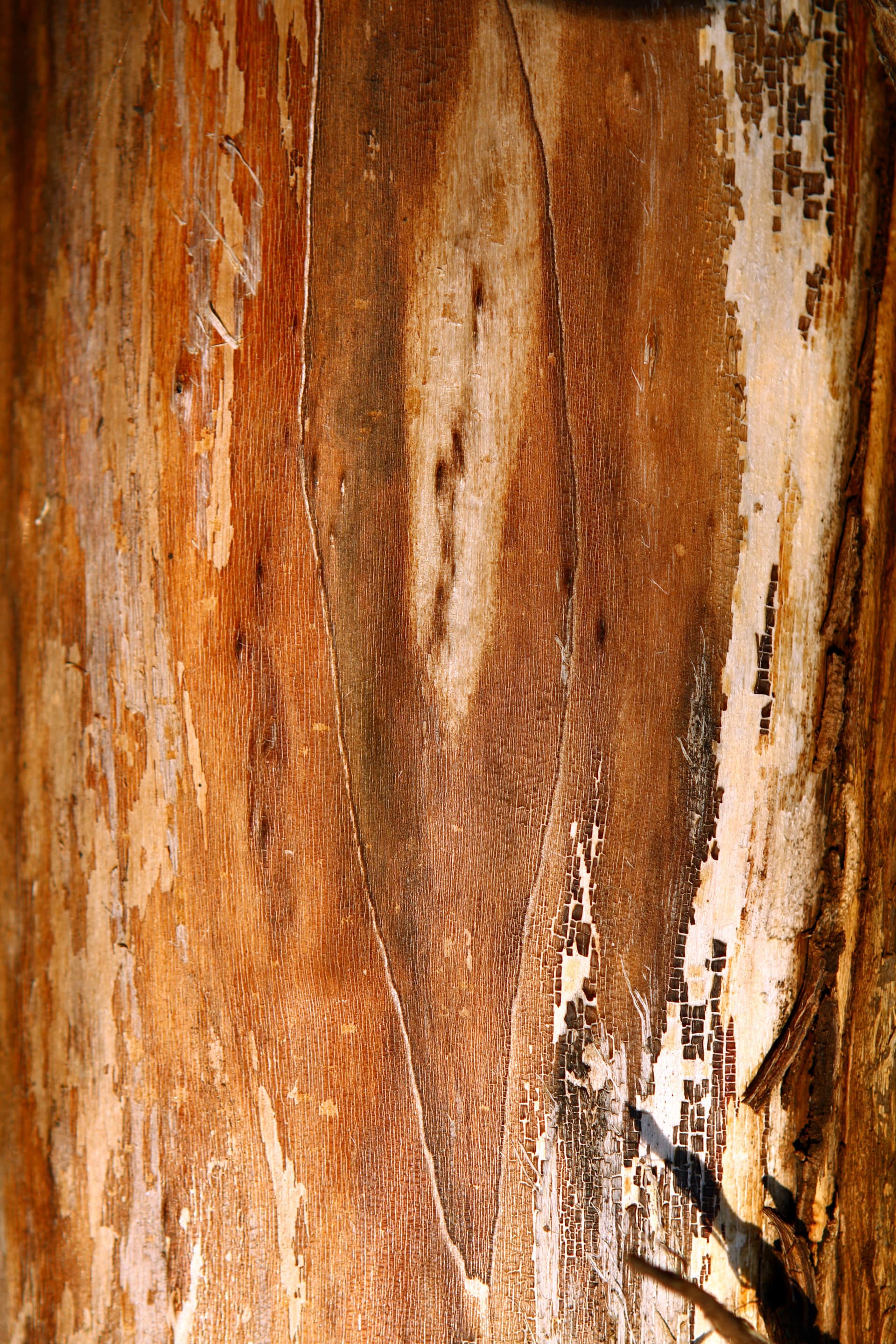
Ceylon cinnamon is safer for regular therapeutic doses because of its low coumarin content. Cassia contains enough coumarin that prolonged high-dose use can stress your liver. Look for labels that specifically say "Ceylon cinnamon" or "Cinnamomum verum." If it just says "cinnamon," it's probably cassia.
That said, cassia isn't dangerous at culinary doses—the amounts you'd use in cooking are generally safe. But if you're taking therapeutic doses daily, Ceylon is the better choice.
Use Therapeutic Amounts
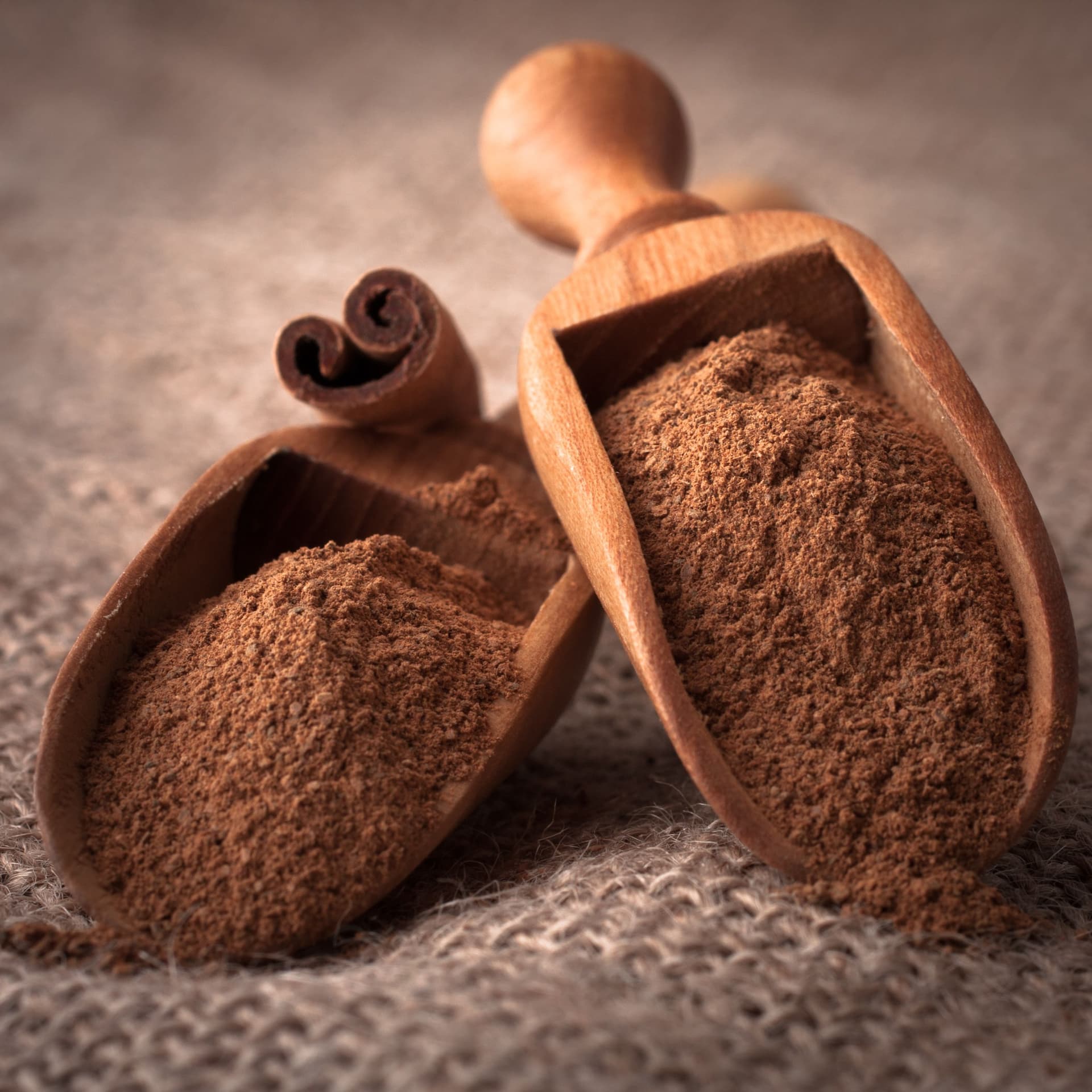
The studies showing significant health benefits typically used 1-6 grams daily. One gram is roughly half a teaspoon of ground cinnamon. Start with 1-2 grams daily and increase gradually if needed.
You can add cinnamon to coffee, smoothies, oatmeal, yogurt, or use it as a rub on meats and vegetables. Traditional Chinese Medicine has used cinnamon for digestive issues for centuries—it improves your body's ability to digest fruit, dairy, and other foods that can cause bloating or discomfort.
Consider Cinnamon Tea
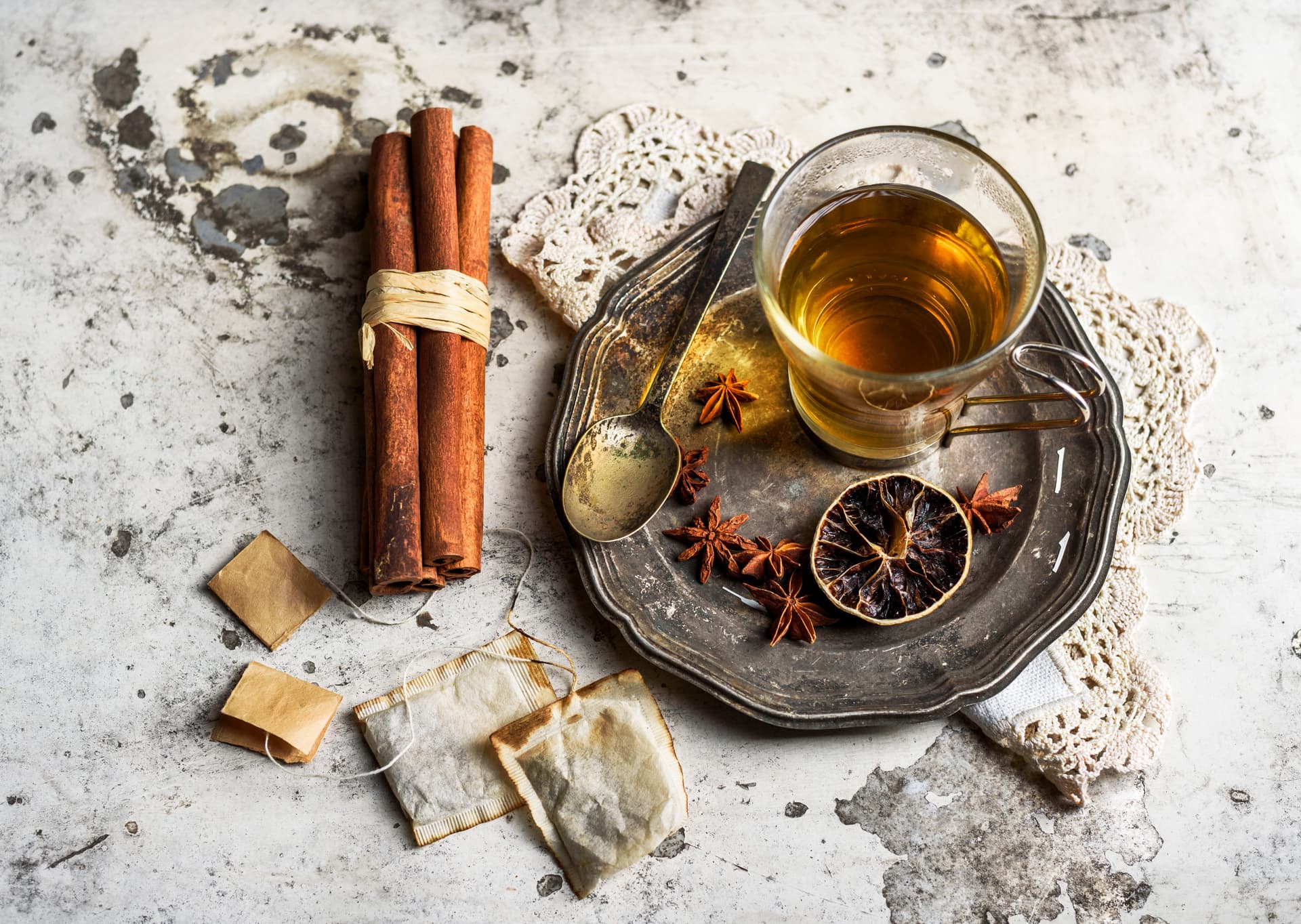
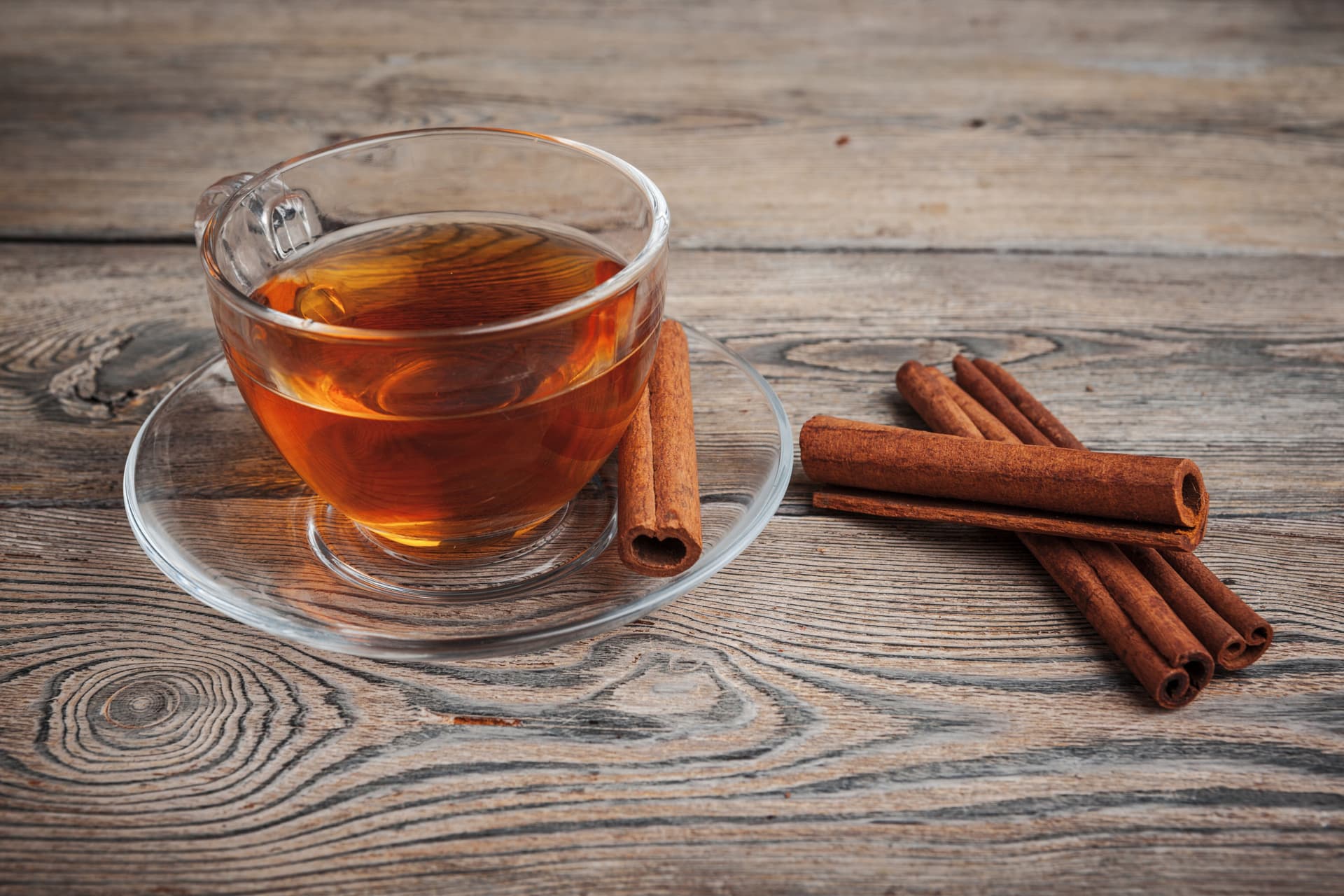
Steeping cinnamon sticks in hot water creates a therapeutic tea that's been used traditionally for blood sugar control, digestive health, and circulation. Use 1-2 sticks per cup, steep for 10-15 minutes, and drink 1-2 cups daily.
Timing Matters
For blood sugar control, consuming cinnamon with meals provides the most benefit by slowing gastric emptying and reducing post-meal glucose spikes. Some research even shows benefits when cinnamon is consumed up to 12 hours before a glucose challenge.
Know Your Limits
While cinnamon is remarkably safe, extremely high doses can cause mouth irritation, allergic reactions, or liver stress (particularly with cassia). Stick to therapeutic ranges unless working with a qualified healthcare provider. If you're on blood thinners or diabetes medications, talk to your doctor—cinnamon can potentiate these effects, which might require dosage adjustments.
Stay Connected to Real Research
For ongoing natural health strategies and community support, join the movement by signing up for the MaxLiving newsletter. For the latest peer-reviewed studies on cinnamon and other natural medicines, sign up for the GreenMedInfo newsletter. When someone tells you natural approaches aren't evidence-based, you'll have access to the actual research that proves otherwise.
The Bigger Picture: Food as Medicine
Here's what the research on cinnamon really tells us: your body already knows how to regulate blood sugar, fight infections, prevent cancer, and maintain cognitive function. Sometimes it just needs the right support to do its job.
Cinnamon isn't a miracle cure. It's a reminder that the compounds in whole foods work synergistically with your biology in ways that isolated pharmaceuticals can't replicate. When you consume cinnamon, you're not getting one active ingredient—you're getting dozens of beneficial compounds that support multiple systems simultaneously without the side effects that come with synthetic drugs.
This is what Sayer Ji's GreenMedInfo has been documenting for over a decade: peer-reviewed research proving that nature provides medicine, and that whole foods contain therapeutic compounds our ancestors recognized long before we could measure them in laboratories.
The sick care system wants you dependent on pharmaceuticals that manage symptoms while ignoring root causes. Real health comes from supporting your body's innate healing capacity with what it was designed to work with.
Cinnamon has been used medicinally for over 4,000 years across virtually every traditional medicine system. The research just confirms what healers have always known: this isn't just a flavoring agent. It's powerful medicine hiding in plain sight.
The choice is yours. You can keep using cinnamon as an afterthought sprinkled on desserts, or you can recognize it for what the evidence shows it to be—a therapeutic food with documented ability to prevent and address some of the most common chronic diseases destroying health and quality of life.
Small daily choices compound over time. Heroes grow here, and sometimes being a hero is as simple as choosing real food over processed substitutes and sharing what you've learned with someone who needs to hear it.
About This Research:
All research and information referenced in this article is sourced from GreenMedInfo.com, founded by Sayer Ji. GreenMedInfo is the world's most widely-referenced, open-access, evidence-based natural health resource, containing over 95,000 peer-reviewed study abstracts on natural medicine. Their comprehensive database on cinnamon includes 696+ studies, making it one of the most extensively researched therapeutic foods in their collection.
Disclaimer: This content is educational and not intended to diagnose, treat, cure, or prevent any disease. Always consult with your healthcare provider before making changes to any health protocol or medication regimen. Cinnamon may interact with certain medications including blood thinners and diabetes drugs, so professional guidance is essential. High-dose cinnamon supplementation should be monitored, particularly cassia cinnamon which contains higher levels of coumarin.
References:
- https://greenmedinfo.com/blog/6-healthy-reasons-eat-more-real-cinnamon-not-its-cousin
- https://greenmedinfo.com/substance/cinnamon
- https://greenmedinfo.com/article/cinnamon-extract-andor-cinnamon-improves-fasting-blood-sugar-people-type-2-dia
- https://greenmedinfo.com/article/intake-2g-cinnamon-12-weeks-significantly-reduces-hba1c-systolic-and-diastolic
- https://greenmedinfo.com/article/cinnamon-has-potential-role-prevention-insulin-resistance-metabolic-syndrome-a
- https://greenmedinfo.com/blog/cinnamon-helps-reduce-high-blood-pressure
- https://greenmedinfo.com/blog/apoptotic-and-anticancer-effects-cinnamon
- https://greenmedinfo.com/article/cinnamon-piperine-resveratrol-have-significant-anti-proliferative-activity-aga
- https://greenmedinfo.com/article/cinnamon-verum-bark-has-highest-antimicrobial-activity-particularly-against-an
- https://greenmedinfo.com/article/cinnamon-has-antiviral-activity-against-various-influenza-viruses
- https://greenmedinfo.com/pharmacological-action/antifungal-agents
- https://greenmedinfo.com/blog/maintain-healthy-weight-these-natural-antiobesity-agents
- https://greenmedinfo.com/content/10-ways-prevent-progression-prediabetes-naturally


 Facebook
 Instagram
 LinkedIn