


Published: July 6, 2026
Here's something worth sitting with: one of the most powerful disease-fighting foods on the planet costs about $4 a pint, requires zero prescription, and has been growing wild in North American forests long before anyone thought to put a patent on it.
You've probably been eating blueberries your whole life without realizing what was actually packed inside that little blue package. And that's not an accident. When a food can do what the research says blueberries can do — and do it for pennies a day — the sick care system doesn't exactly rush to put it on the evening news.
According to GreenMedInfo's blueberry research database, blueberries have been studied in relation to over 200 different health conditions across hundreds of peer-reviewed studies. That spans brain health, heart disease, cancer defense, metabolic function, and immune support. Sayer Ji and his team at GreenMedInfo have spent years compiling this evidence so that you don't have to take anyone's word for it.
One small, brilliant berry. Hundreds of documented therapeutic possibilities. Food by God, working exactly as designed.
Can Blueberries Improve Memory and Brain Function?
Let's start where the research gets most compelling for anyone who understands that the nervous system runs the show.
Researchers at the University of Reading investigated the effects of wild blueberry extract on cognitive function in healthy older adults across two separate randomized, double-blind, placebo-controlled trials. Published on GreenMedInfo, the findings revealed that wild blueberry extract helped participants maintain sharper mental performance throughout the day — specifically during the post-lunch window when cognitive performance typically nosedives. Participants showed faster reaction times and improved executive function compared to placebo.
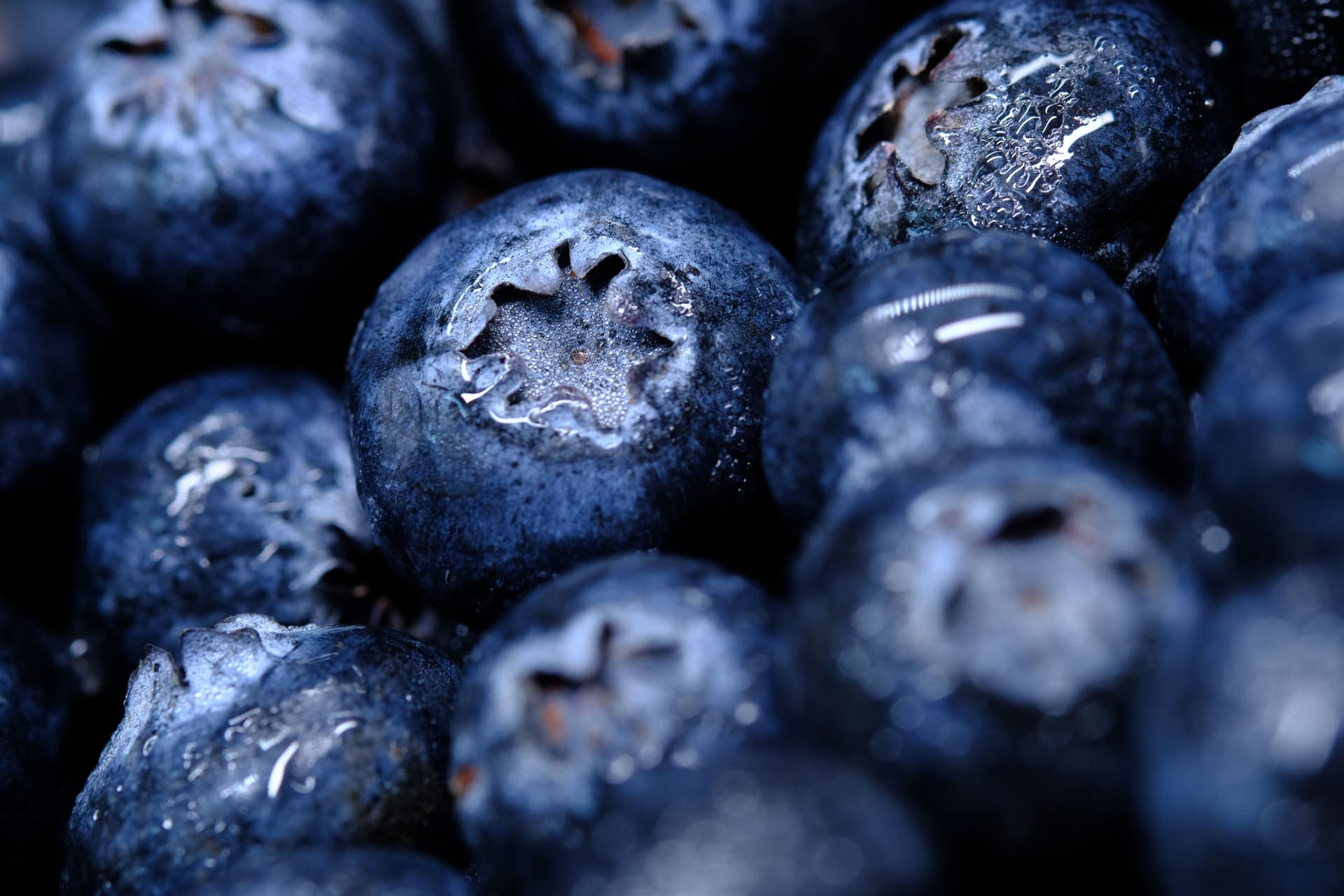
That's a food demonstrating measurable neuroprotective effects in real human beings.
But what makes this relevant for everyone is what's happening at the neurological level underneath those results. Research compiled by GreenMedInfo shows that blueberry anthocyanins — the bioactive compounds responsible for that distinctive blue-purple color — cross the blood-brain barrier and directly influence brain function. They modulate Brain-Derived Neurotrophic Factor (BDNF) — the protein responsible for neural plasticity, memory consolidation, learning, and the survival of existing neurons.
Researchers at Tufts University went as far as calling blueberries "the brain berry." In their studies, blueberry supplementation led to remarkably beneficial changes in learning and memory, and appeared to make the brain more neuroplastic — more flexible in the communication between neurons. Their conclusion was striking: blueberries may help reverse brain aging.
Think about what that means in the context of MaxLiving's Core Chiropractic Essential. The entire goal is a freely communicating nervous system — removing interference so the body can operate as it was created to. When you stack optimized spinal alignment with a diet that actively supports neural tissue, BDNF expression, and cognitive flexibility, you're not just treating symptoms. You're feeding the master controller of every function in the human body.
A separate study found that berries improved cognitive function for up to six hours after consumption, with improvements in working memory, executive function, and positive affect. The researchers noted it's possible the flavonoid-rich berries improved cognitive performance by enhancing cerebrovascular blood flow — meaning better circulation to the brain itself.
Do Blueberries Protect Against Heart Disease?
Heart disease remains the leading cause of death in America, and conventional medicine's answer is a lifetime of statins, beta-blockers, and blood pressure medications — each with their own considerable list of consequences.
But Harvard researchers looking at actual food found something the pharmaceutical industry couldn't patent.
Scientists from Harvard and the University of East Anglia examined the dietary habits of 93,600 women over 18 years as part of the Nurses' Health Study II.
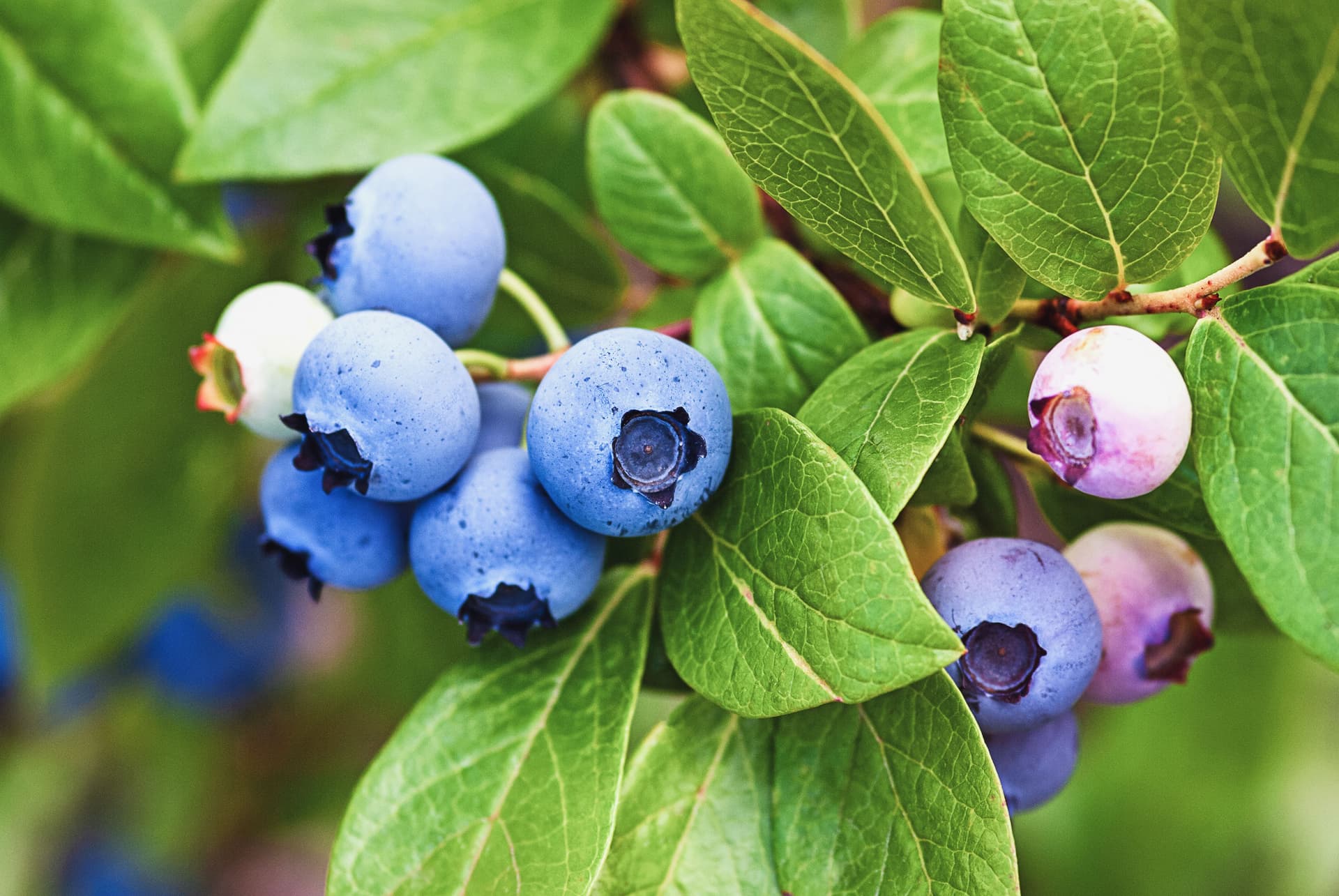
Their findings, referenced in GreenMedInfo's research, showed that women who ate three or more servings of blueberries per week reduced their risk of heart attack by as much as 32%. And critically, women who otherwise ate a diet rich in fruits and vegetables but skipped berries did not enjoy the same protection. It had to be the berries.
The mechanism is anthocyanins — which help dilate arteries, counter the buildup of plaque, and provide cardiovascular protection that other foods simply can't replicate in the same way.
A double-blind, placebo-controlled clinical trial from Florida State University added even more precision to this picture. Researchers gave 48 women with pre-hypertension or stage-one hypertension either 22 grams of freeze-dried blueberry powder — equivalent to one cup of fresh blueberries — or a placebo daily. After just 8 weeks, as documented on GreenMedInfo, the blueberry group saw systolic blood pressure drop 5.1% and diastolic drop 6.3%. The researchers attributed this to a stunning 68.5% increase in blood levels of nitric oxide — the compound that widens blood vessels and improves blood flow.
Separate research published on GreenMedInfo found that blueberry supplementation in obese patients with metabolic syndrome also produced meaningful reductions in both systolic and diastolic blood pressure while simultaneously lowering oxidized LDL — a key marker of cardiovascular damage.
Wild blueberries specifically have also been shown to have an almost immediate and long-lasting effect on vascular function — improving how freely blood moves through your arteries and veins so your heart doesn't have to work as hard.
This is root cause medicine. Not suppressing symptoms with a statin. Actually supporting the systems your cardiovascular network was designed to run on.
Can Blueberries Help Prevent Cancer?
Your body already knows how to identify and destroy abnormal cells. It's been doing it since creation. What it needs is nutritional support to do that job effectively.
Researchers found that eating just one cup of blueberries every day may prevent the cell damage linked to cancer — specifically by neutralizing the free radicals responsible for the oxidative cellular damage that drives cancer development in the first place. Blueberries are one of the richest sources of anthocyanins among all commonly eaten fruits, and those anthocyanins are doing significant defensive work at the cellular level.
But GreenMedInfo goes deeper than general antioxidant claims. Research on triple-negative breast cancer — one of the most aggressive and difficult-to-treat forms — found that blueberry phytochemicals inhibited both the growth and the metastatic potential of breast cancer cells. Tumor weight and proliferation decreased in blueberry-treated subjects, while apoptosis — programmed cancer cell death — increased. Healthy cells were left untouched.
The immune connection is equally powerful. A clinical study documented found that daily blueberry consumption significantly increased Natural Killer (NK) cell counts — the white blood cells that serve as your immune system's front-line scouts. NK cells scan the body continuously for abnormal cells and eliminate them before they can develop into actual cancers. After six weeks of daily blueberry powder, NK cell counts increased significantly compared to placebo.
Earlier research by the same team found that blueberries improve NK cell counts, reduce oxidative stress, and lower inflammation even under the intense physiological demands of endurance exercise — one of the most challenging stress environments the immune system faces.
Your body's innate cancer surveillance system is real, it's active, and it responds to what you feed it. That's not alternative medicine. That's immunology.
Are Blueberries Good for Blood Sugar and Insulin Resistance?
The current diabetes epidemic isn't a pharmaceutical deficiency. It's a metabolic breakdown accelerated by decades of processed food, chronic inflammation, and a sick care system that treats rising blood sugar numbers with drugs rather than asking why those numbers went wrong in the first place.
Blueberries offer a profoundly different conversation.
A double-blinded, randomized, placebo-controlled clinical study published in The Journal of Nutrition — accessible through GreenMedInfo's research database — evaluated blueberry bioactives on insulin sensitivity in obese, non-diabetic, insulin-resistant participants. Researchers had 32 participants consume smoothies with or without 22.5 grams of blueberry bioactives twice a week for six weeks. The result: the blueberry group improved their insulin sensitivity by a factor of four compared to placebo — without any significant changes in body weight.
Four times the improvement in insulin sensitivity. From a berry. Not a drug.
The same research that documented blood pressure improvements in patients with metabolic syndrome also found that blueberry supplementation reduced lipid peroxidation and lowered markers of oxidative damage — the kind of cellular-level damage that precedes and accelerates both diabetes and cardiovascular disease.
This connects directly to MaxLiving's Nutrition Essential. When you choose food that actively reduces insulin resistance and oxidative damage at the same time, you're not just eating clean. You're removing physiological interference — the very thing that prevents your body from operating at its God-given capacity.
Can Blueberries Reduce Inflammation?
Chronic inflammation doesn't announce itself with a dramatic symptom. It moves quietly — elevating cytokines, compressing nerve tissue, degrading joint and vascular health, undermining cellular communication — until something breaks down enough to produce a symptom you can name.
Every section of this article connects back to inflammation. Brain decline, heart disease, cancer vulnerability, insulin resistance — all of them are fed by the same chronic inflammatory processes.
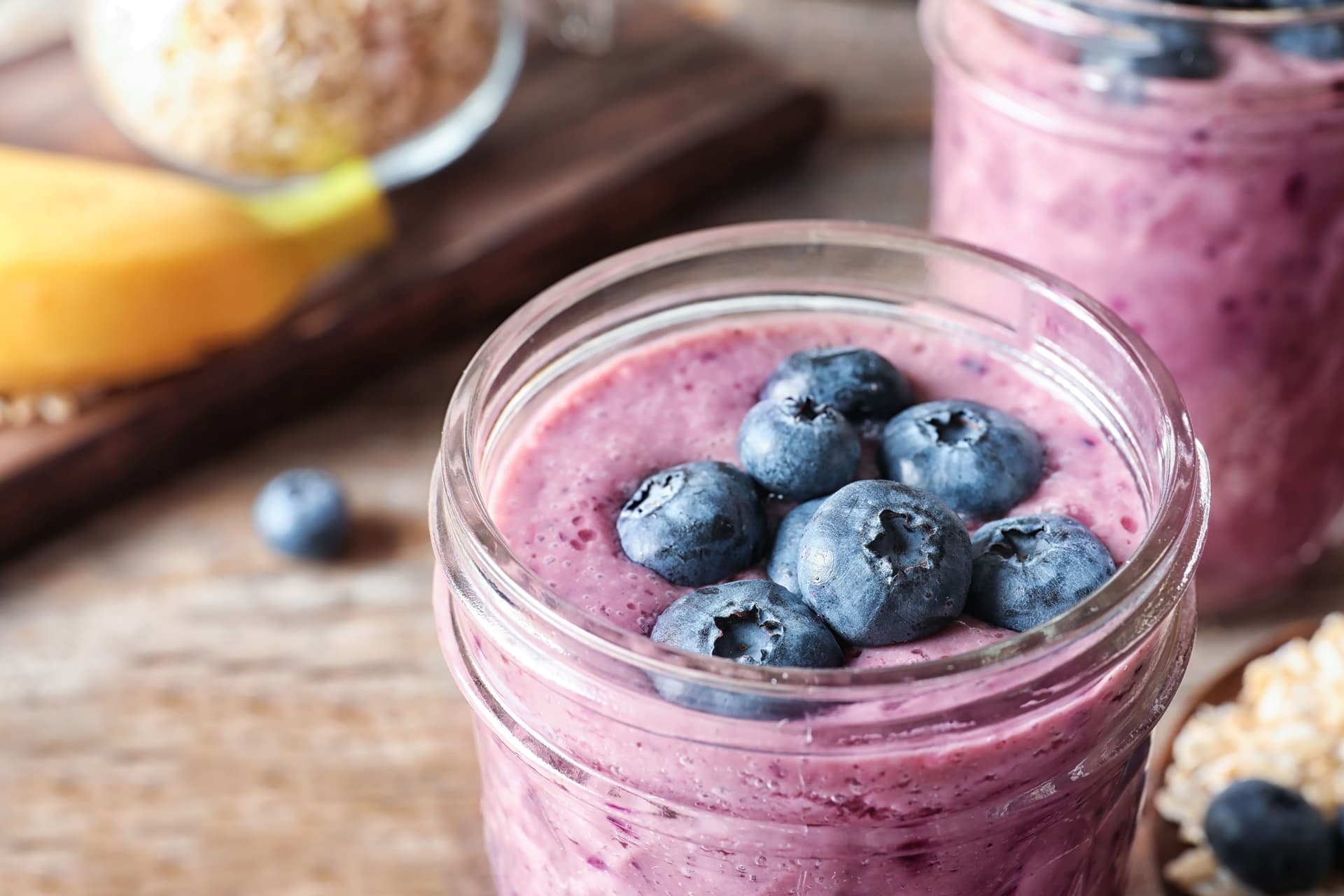
Blueberries target inflammation at multiple levels simultaneously. GreenMedInfo's documented research on blueberries includes pharmacological actions that downregulate Interleukin-6, Interleukin-8, and Tumor Necrosis Factor (TNF) Alpha — the key inflammatory signaling molecules implicated in arthritis, autoimmune conditions, neurodegeneration, and cardiovascular disease all at once.
What this means for nervous system health specifically is significant. When pro-inflammatory cytokines are chronically elevated, they don't just cause joint pain. They impair nerve signal transmission, disrupt neurotransmitter balance, and accelerate cognitive decline. Dietary anti-inflammatory support isn't optional for anyone serious about long-term neurological health — it's foundational.
The same research that documented increased NK cell counts also found that daily blueberry consumption reduced oxidative stress markers and elevated anti-inflammatory cytokines. Blueberries don't just target one system. They reduce the systemic inflammatory burden that quietly undermines every system in the body — including the nervous system that coordinates all of them.
How to Add Blueberries to Your Daily Health Routine
1. Make Blueberries a Daily Non-Negotiable
Fresh or frozen both work — the clinical trials have used both with measurable results. Add a cup daily to smoothies, plain yogurt, oatmeal, or simply eat them by the handful. Frozen wild blueberries are often more affordable and carry higher anthocyanin content than their larger cultivated counterparts due to a higher skin-to-pulp ratio. The studies showing brain and heart benefits used amounts ranging from about half a cup to one cup per day. That's extraordinarily achievable.
2. Consider Targeted Daily Support
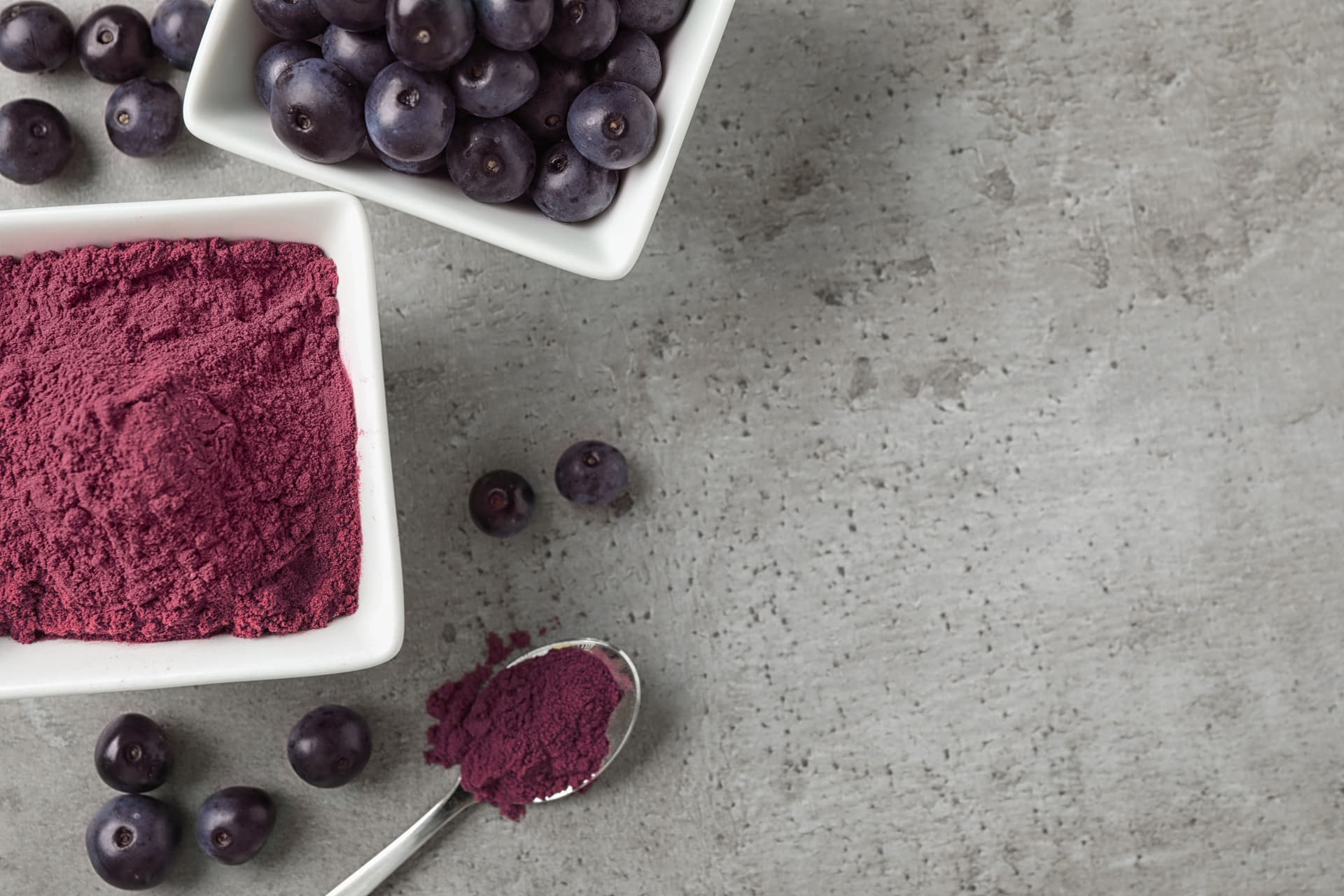
For those looking to complement whole-food nutrition with a therapeutic-grade supplement that includes the actual berry, MaxLiving's PurePath Women's Multi includes blueberry powder as part of its formula — designed to support the kind of whole-body, root-cause health the MaxLiving movement is built around. It's a practical option for those who want their daily nutritional foundation to include the very compounds this research points to.
3. Explore GreenMedInfo's Blueberry Research
Sayer Ji's GreenMedInfo is the world's most widely-cited, evidence-based natural health resource. Visit GreenMedInfo's blueberry research database to explore the hundreds of peer-reviewed studies documenting over 200 therapeutic applications — from cardiovascular and metabolic support to neuroprotection and cancer defense. This is the arsenal that gives you receipts when the sick care system tells you "there's no evidence."
4. Stay Connected to the Movement
Join the MaxLiving community by signing up for MaxLiving's newsletter to stay current on natural health strategies, chiropractic wisdom, and ways to take your health back. For ongoing access to the latest peer-reviewed research on natural medicine, also subscribe to GreenMedInfo's free newsletter.
5. Share This Information
How many people do you know managing blood pressure with medications they were told they'd need forever? Dealing with blood sugar numbers that keep climbing? Accepting brain fog as "just getting older"? Share this research. Be the person who introduces someone to the healing possibilities built into God's creation.
About This Research:
All research and information referenced in this article is sourced from GreenMedInfo.com, founded by Sayer Ji. GreenMedInfo is the world's most widely-referenced, open-access, evidence-based natural health resource, containing over 95,000 peer-reviewed study abstracts on natural medicine. Their comprehensive database on blueberries spans hundreds of studies across more than 200 health conditions, making it one of the most thoroughly documented whole foods in their collection.
Disclaimer: This content is educational and not intended to diagnose, treat, cure, or prevent any disease. Always consult with your healthcare provider before making changes to any health protocol or medication regimen. Individuals on blood thinners or diabetes medications should consult a qualified healthcare professional regarding dietary changes.
References:
- https://greenmedinfo.com/substance/blueberry
- https://greenmedinfo.com/content/blueberrys-hidden-powers-revealed-200-therapeutic-possibilities
- https://greenmedinfo.com/content/blueberries-natures-superfood-healthy-mind-and-body
- https://greenmedinfo.com/blog/eat-think-better-next-six-hours-and-beyond
- https://greenmedinfo.com/blog/berries-slash-womens-heart-attack-risk
- https://greenmedinfo.com/blog/blueberries-protect-against-top-2-killer-diseases
- https://greenmedinfo.com/blog/wild-blueberry-polyphenols-improve-vascular-function
- https://greenmedinfo.com/article/blueberries-decrease-cardiovascular-risk-factors-obese-men-and-women-metabolic
- https://greenmedinfo.com/blog/do-blueberries-hold-key-preventing-cancers
- https://greenmedinfo.com/article/blueberry-inhibits-growth-and-metastatic-potential-triple-negative-breast-canc
- https://greenmedinfo.com/article/blueberry-ingestion-improves-natural-killer-cell-counts-oxidative-stress-and
- https://greenmedinfo.com/article/bioactives-blueberries-improve-insulin-sensitivity-obese-insulin-resistant-men-and-women


 Facebook
 Instagram
 LinkedIn