


Published: January 5, 2026
Your body treats a plate of French fries the same way it treats a bacterial infection: as a threat requiring an immediate immune response. This isn't metaphorical. This is measurable biology happening in real-time.
Within ninety minutes of eating inflammatory foods—refined carbs, sugar, fried items, excessive alcohol—your immune system floods your bloodstream with chemical messengers designed to fight off invaders. Except there is no invader. Just food your body perceives as dangerous. This is inflammation. And if you've ever wondered why you feel progressively worse in the days following dietary indulgence, while the actual eating happened days ago, there's a precise scientific explanation involving C-reactive protein, cytokines, and a forty-eight-hour delay between trigger and peak symptoms.
Three out of five people worldwide will die from diseases driven by chronic inflammation. That statistic from the World Health Organization isn't designed to scare you—it's designed to wake you up to the reality that inflammation isn't some abstract medical term. It's the underlying mechanism destroying health at scale, and it starts with daily choices that seem harmless at the moment.
But here's what changes everything: acute inflammation—the kind triggered by a weekend of poor choices—resolves completely within seventy-two hours if you stop the triggers and support your body's natural anti-inflammatory pathways. The difference between bouncing back quickly and staying stuck in chronic discomfort isn't genetics or luck. It's understanding what's actually happening inside your body and knowing exactly how to intervene.
No juice cleanses. No extreme restrictions. No pseudoscience. Just evidence-based nutrition, strategic support for your nervous system's role in inflammation control, and practical protocols that work with your body's design instead of against it.
What Happens to Your Body After Eating Inflammatory Foods? (The 48-Hour Timeline)
Let's get real about what's going on inside your body when you've been eating poorly, drinking too much, or stress-eating your way through life.
Within 90 to 120 minutes of consuming inflammatory foods—think refined carbs, excessive sugar, fried foods, or alcohol—your body starts producing inflammatory signaling molecules called IL-6 and TNF-α. These aren't villains in a sci-fi movie. They're chemical messengers your immune system uses to respond to perceived threats.
Your body can't tell the difference between a bacterial infection and a massive plate of French fries. Both trigger an immune response. Both create inflammation.
Here's the timeline that matters: those initial inflammatory signals peak within two hours. But the big player—C-reactive protein or CRP—doesn't hit its peak until 36 to 50 hours after the inflammatory trigger. That's why you don't feel terrible immediately after indulging, but two days later you feel like you got hit by a truck.
CRP has a half-life of about 19 hours, meaning it takes roughly that long for half of it to clear from your bloodstream. If you're constantly re-triggering inflammation with poor food choices, stress, lack of sleep, and alcohol, you never give your body the chance to clear this backlog. You just keep stacking inflammatory load on top of inflammatory load.
But here's where it gets interesting: acute inflammation—the kind triggered by a weekend of bad choices—typically resolves within 72 hours to a week if you stop the triggers and support your body's natural recovery processes. Chronic inflammation only happens when those triggers become your daily normal.
The difference between someone who bounces back quickly and someone who stays stuck feeling terrible for weeks? The reset protocol they follow immediately after the damage is done.
How Long Does It Take to Reduce Inflammation? (The Realistic Timeline)
The wellness industry loves the word "reset" because it sounds dramatic and immediate. Detox teas! Juice cleanses! 24-hour fixes!
Reality check: inflammation isn't something you "cleanse" or "detox." It's something you actively reduce by removing triggers and adding specific foods and practices that support your body's natural anti-inflammatory pathways.
But here's what you need to understand: anti-inflammatory eating isn't an all-or-nothing timeline. Some benefits show up quickly—many people notice digestive improvements and energy shifts within the first few weeks. Other changes take longer. Sleep quality and mental clarity may also improve as inflammation decreases throughout your body. The measurable blood marker changes that doctors can actually test—like CRP and IL-6—typically require consistent eating patterns over several months to show significant improvement.
The timeline varies person to person based on how inflamed you are to begin with, how consistently you stick with anti-inflammatory choices, and your individual biology. But the pattern holds: you'll feel some differences before you see them on paper.
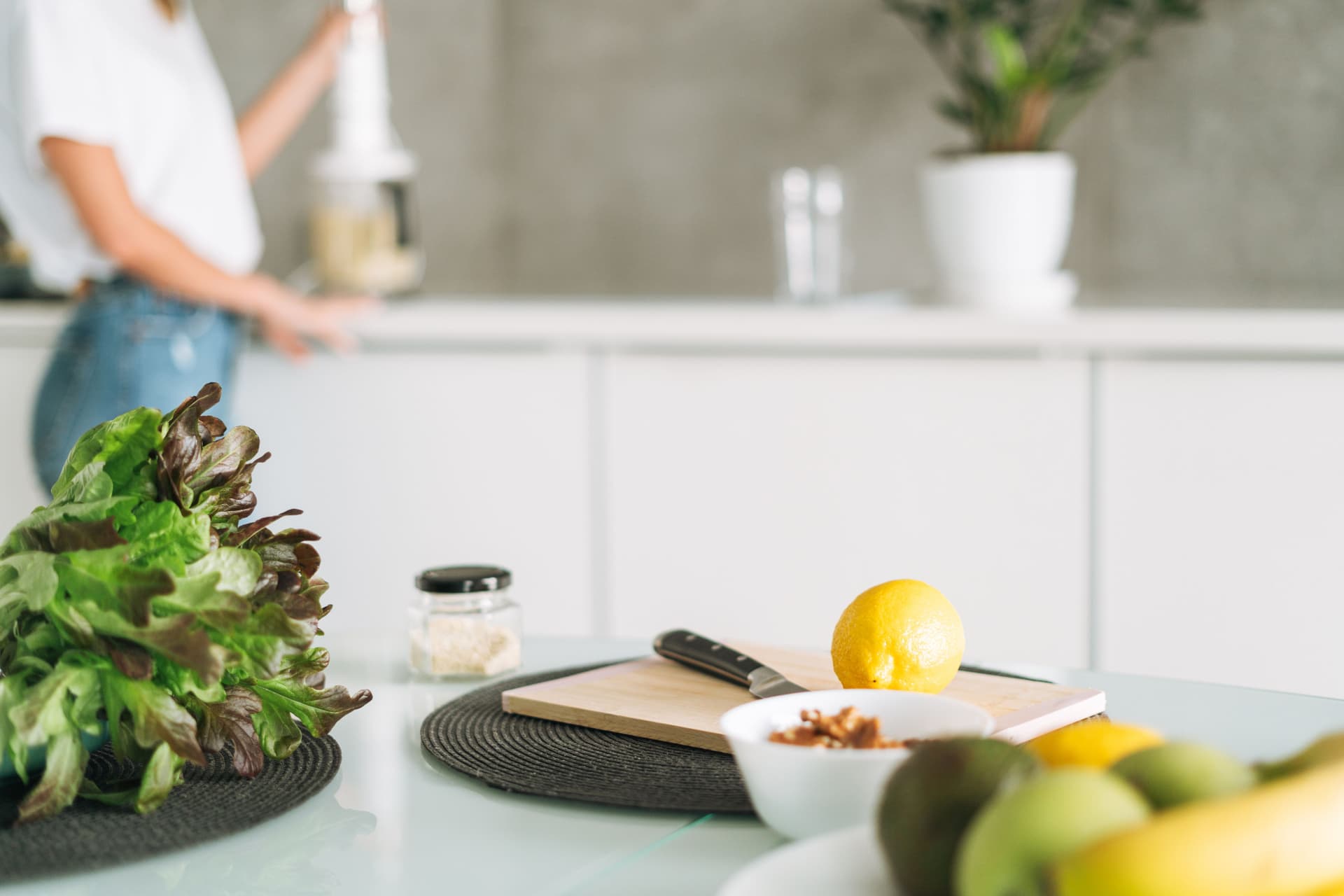
The research on ultra-processed foods is particularly eye-opening: these foods now make up nearly 58% of the average American's caloric intake and account for almost 90% of added sugars. When you switch from a diet heavy in processed foods to one focused on whole, anti-inflammatory foods, you're not just "eating healthier." You're fundamentally changing the chemical signals your body receives all day long.
How Does Gut Health Affect Inflammation? (The 70% Connection)
Here's something that might blow your mind: 70 to 80% of your immune cells don't live in your bloodstream or your lymph nodes. They live in your gut.
This isn't random. Your digestive tract is essentially a 30-foot tube of "outside" running through the middle of your body, constantly exposed to food, bacteria, and potential threats. It needs serious immune firepower to decide what's safe to absorb and what needs to be eliminated. When your gut is functioning optimally, its lining acts like a selective bouncer at an exclusive club—letting in nutrients and keeping out toxins and partially digested food particles. But when your gut lining gets damaged from poor diet, alcohol, stress, or medications, it becomes "leaky."
Unwanted particles slip through into your bloodstream, and your immune system goes into red alert, triggering systemic inflammation.
The bacteria living in your gut—your microbiome—directly train and regulate your immune system. Beneficial bacteria produce short-chain fatty acids like butyrate that actively reduce inflammation and strengthen the gut barrier. Harmful bacteria produce toxins called lipopolysaccharides that trigger inflammatory responses throughout your entire body.
When you consume a diet high in processed foods and low in fiber, you feed the inflammatory bacteria while starving the beneficial ones. The balance shifts. The gut lining weakens. Inflammation becomes chronic.
The flip side? When you shift to an anti-inflammatory eating pattern rich in fiber, polyphenols, and fermented foods, you actively rebuild beneficial bacterial populations. This isn't abstract wellness talk—this is measurable changes in gut barrier function and inflammatory marker reduction that show up in research studies.
This is why gut health isn't separate from inflammation management. It's literally the foundation of it.
Can Chiropractic Care Reduce Inflammation? (What the Research Shows)
Here's where things get really interesting—and where most people completely miss the connection between their spine, their nervous system, and their inflammatory response.
Your body has a built-in anti-inflammatory system that most people have never heard of: the inflammatory reflex. This is a neural circuit controlled by your vagus nerve that acts like brakes on inflammation.
The vagus nerve is the longest nerve in your body, running from your brainstem through your neck and chest down to your abdomen. It connects your brain to nearly every organ system, including your immune system. When the vagus nerve is functioning optimally, it continuously sends signals that suppress the production of inflammatory molecules like TNF-α, IL-1β, and IL-6.
This is called the cholinergic anti-inflammatory pathway, and it's why stress management practices like deep breathing, meditation, and even humming actually reduce inflammation. They all stimulate vagal tone.
But here's where chiropractic care enters the picture: your spine houses the nervous system. When spinal alignment is compromised—whether from poor posture, injury, or chronic stress—it can interfere with normal nervous system communication, including the signals that regulate your inflammatory response.
Research published in peer-reviewed journals found that spinal manipulations in patients with chronic back pain led to normalized IL-6 and CRP levels after just nine sessions over two weeks. Another study showed a significant reduction in IL-6 production with a large effect size after six spinal manipulations.
The mechanism makes sense when you understand that spinal adjustments restore proper biomechanics, reduce mechanical irritation, and potentially enhance parasympathetic (vagal) nervous system activity—the system responsible for "rest and digest" mode and active inflammation reduction.

This doesn't mean chiropractic care is a cure for inflammation. It means that addressing nervous system function through spinal health is one piece of a comprehensive inflammation management strategy that also includes nutrition, stress management, and lifestyle factors.
When you combine proper spinal alignment with an anti-inflammatory diet, you're addressing inflammation through multiple pathways simultaneously. You're not just treating symptoms—you're supporting your body's natural regulatory systems.
What Are the Best Anti-Inflammatory Foods? (The Evidence-Based List)
Let's cut through the noise and focus on foods with actual research backing their anti-inflammatory effects.
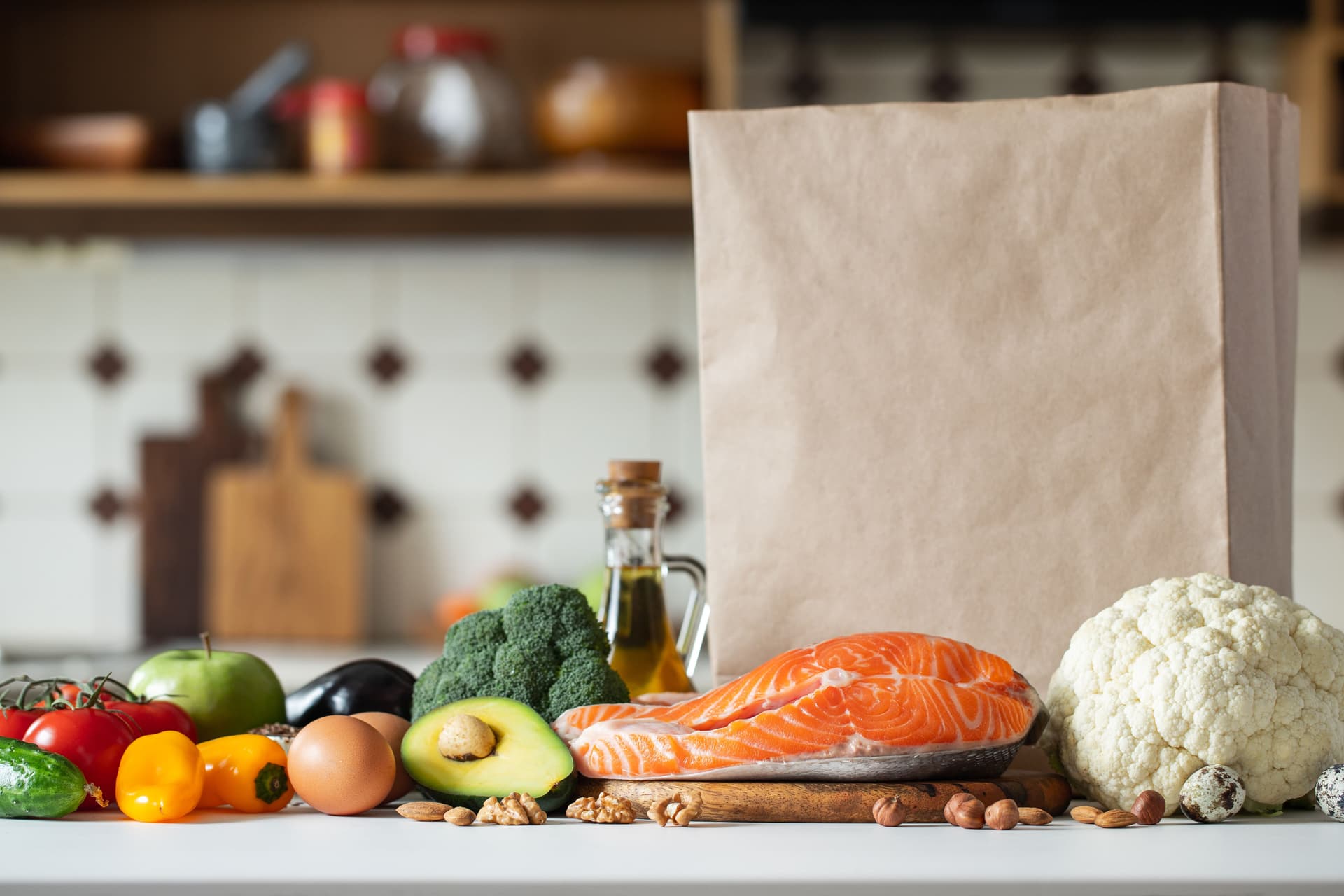
Fatty Fish: Salmon, mackerel, and sardines deliver EPA and DHA omega-3 fatty acids that your body converts into compounds called resolvins and protectins. These don't just reduce inflammation—they actively resolve it. The research is clear: you need at least 2 grams of combined EPA and DHA daily to see measurable anti-inflammatory effects. That's roughly two servings of fatty fish per week or high-quality supplementation.
For comprehensive omega-3 support, PurePath Omega 3 provides 1,000mg of EPA and DHA per serving—the clinically effective dose shown to reduce inflammation and support joint health without the fishy aftertaste that makes many supplements impossible to take consistently.
Extra Virgin Olive Oil: This contains a compound called oleocanthal that works similarly to ibuprofen by blocking the same inflammatory pathways. It also provides polyphenols that neutralize free radicals and inhibit NF-κB, essentially the master switch for inflammatory gene expression.
Berries: Blueberries, strawberries, and cherries are loaded with anthocyanins—pigments that give them their color and also happen to be potent anti-inflammatory compounds. Studies show regular berry consumption reduces CRP and other inflammatory markers.
Leafy Greens: Spinach, kale, and arugula provide polyphenols and carotenoids that reduce oxidative stress and inflammation. They're also fiber-rich, feeding beneficial gut bacteria that produce anti-inflammatory compounds.
Turmeric: The curcuminoids in turmeric block NF-κB activation and directly reduce production of inflammatory molecules. A 2023 meta-analysis of 66 randomized controlled trials confirmed that curcumin supplementation significantly reduces CRP, TNF-α, and IL-6.
But here's the critical detail most people miss: curcumin is poorly absorbed. You need to pair it with black pepper (piperine increases absorption by 2,000%) or consume it with fat since it's fat-soluble. PurePath Curcumin + Nerve Support is formulated with organic turmeric delivering 95% curcuminoids plus complementary compounds like ashwagandha and boswellia for comprehensive inflammation support.
Green Tea: The catechin EGCG in green tea has well-documented anti-inflammatory effects through multiple pathways. Three to four cups daily or high-quality extract supplementation shows measurable benefits.
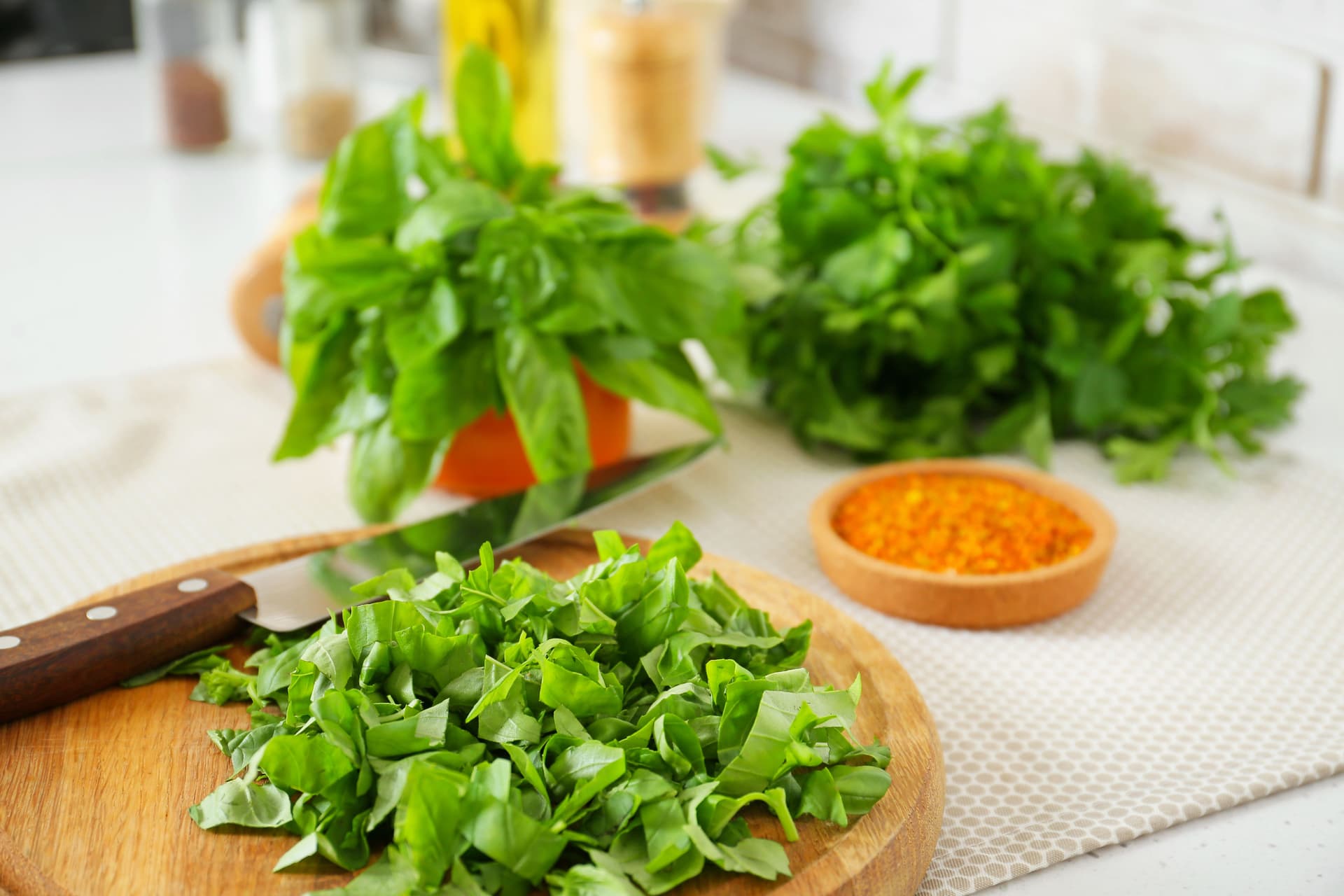
Nuts: Walnuts, almonds, and pistachios provide healthy fats, fiber, and compounds that reduce inflammatory markers. Walnuts are particularly impressive with their ALA omega-3 content.
Dark Chocolate: Yes, really. Cocoa contains flavonoids that reduce CRP and improve vascular function. The key is at least 70% cacao and moderate portions—not an entire bar daily.
What Foods Cause Inflammation in the Body? (The Complete Trigger List)
On the flip side, certain foods consistently trigger inflammatory responses that compound over time.
Refined Carbohydrates: White bread, pastries, and most packaged snacks cause rapid blood sugar spikes that trigger pro-inflammatory states. Your pancreas dumps insulin, your cells become less responsive over time, and chronic inflammation follows.
Added Sugars: Sugar activates the NF-κB pathway—that master inflammatory switch we keep mentioning—and alters gut bacteria composition in favor of inflammatory species. It's not about occasional desserts. It's about the added sugars hidden in sauces, drinks, and processed foods that add up to massive daily doses.
Trans Fats: These industrial fats directly increase CRP and IL-6 while lowering beneficial HDL cholesterol. They're mostly banned now, but they still lurk in some packaged baked goods and frozen foods.
Excessive Alcohol: A single episode of heavy drinking suppresses immune function for up to 24 hours and promotes gut inflammation by damaging the intestinal barrier. Moderate consumption—defined as one drink per day for women and up to two for men—appears neutral or even slightly beneficial. But "moderate" is where most people lie to themselves.
Processed Meats: Bacon, hot dogs, and deli meats contain advanced glycation end products (AGEs) and compounds that promote inflammation. The research here is consistent and not encouraging for processed meat lovers.
Fried Foods: High-heat cooking creates inflammatory compounds, and most fried foods are cooked in omega-6-rich oils that further skew your fatty acid balance toward inflammation.
The Harvard Medical School recommendation is straightforward: if it comes in a package with more than five ingredients, most of which you can't pronounce, it's probably pro-inflammatory.
What Is the Best Anti-Inflammatory Diet Plan? (7-Day Protocol)
Forget complicated meal plans that require ingredient lists longer than a CVS receipt. Here's what actually works for busy people who want results without becoming a full-time meal prep influencer.
Day 1-2: Foundation and Batch Prep Cook two proteins (salmon and chicken), one grain (quinoa or brown rice), and roast a sheet pan of vegetables. Store everything in separate containers. This gives you mix-and-match components for the week.
Start every morning with a glass of warm or room temperature water before coffee. Add lemon if you want, but the point is hydration before stimulation.
Day 3-4: Add Gut Support and Anti-Inflammatory Spices Add fermented foods to at least one meal daily: Greek yogurt, kefir, sauerkraut, or kimchi. These provide probiotics that support beneficial gut bacteria.
MaxLiving's Digestion & Detox combines five probiotic strains with comprehensive gut health support, recognizing that most of your immune system resides in your digestive tract and inflammation control starts with proper gut function.
"A quick note: if you're pregnant, nursing, managing a medical condition, or taking any medications, consult with a qualified healthcare professional before incorporating new supplements into your routine. What works synergistically for most people may interact differently with specific health conditions or prescriptions, and your doctor can help you navigate the best approach for your individual situation."
Start adding turmeric and black pepper to meals. Make a simple anti-inflammatory vinaigrette: olive oil, lemon juice, turmeric, black pepper, minced garlic. Use it on salads, grain bowls, and roasted vegetables.
Day 5-6: Omega-3 Boost and Joint Support Focus on omega-3-rich meals: fatty fish, walnuts, chia seeds, flaxseeds. If you're not a fish eater, high-quality omega-3 supplementation becomes essential—your body can't produce these anti-inflammatory fatty acids on its own.
For targeted joint support, MaxLiving's Joint Health combines boswellia serrata extract, hyaluronic acid, and Type I and II collagen for comprehensive inflammation support specifically where many people feel it most—in their joints and mobility.
Add one handful of raw nuts or seeds to your afternoon routine as a snack that reduces inflammation rather than triggering it like most packaged snacks do.
Day 7: Evaluation and Forward Planning Take stock: How's your energy? Digestion? Sleep? Joint comfort? Skin? Most people notice at least 2-3 improvements even within one week.
Plan your next week of meals. Simplicity beats complexity every time. The goal isn't culinary perfection—it's consistent anti-inflammatory choices that become automatic.
How to Meal Prep Anti-Inflammatory Foods? (Simple 5-Meal Strategy)
Here's what research on adherence shows: complicated plans fail. Simple, repeatable systems succeed.
The Foundation Formula: Every meal should have: protein + fiber-rich vegetables + healthy fat + herbs/spices. That's it. You can build endless variations from that template without needing new recipes every week.
5 Meals You Can Prep in Under 30 Minutes:
- Mediterranean Grain Bowls: Quinoa + rotisserie chicken + cucumber + cherry tomatoes + feta + olives + lemon-olive oil dressing. Make four servings at once. Lasts five days.
- Sheet Pan Salmon and Vegetables: Salmon filets + broccoli + bell peppers + olive oil + garlic + lemon. One pan, 20 minutes. Four servings.
- Dense Bean Salads: Two cans of beans (black beans and chickpeas) + diced vegetables + cilantro + lime + olive oil + cumin. Mix in a container. Eat as-is or wrap in whole-grain tortillas. Lasts five days.
- Turmeric Chicken and Cauliflower: Chicken thighs marinated in turmeric, black pepper, garlic, and yogurt. Roast with cauliflower. Meal prep gold.
- Overnight Oats Variations: Oats + chia seeds + Greek yogurt + berries + walnuts + cinnamon. Make five jars on Sunday night. Grab one each morning.
Power Pairings to Remember: Turmeric + black pepper (2,000% absorption increase) Tomatoes + olive oil (increases lycopene availability) Leafy greens + lemon (increases iron absorption) Omega-3 fish + colorful vegetables (combined anti-inflammatory pathways)
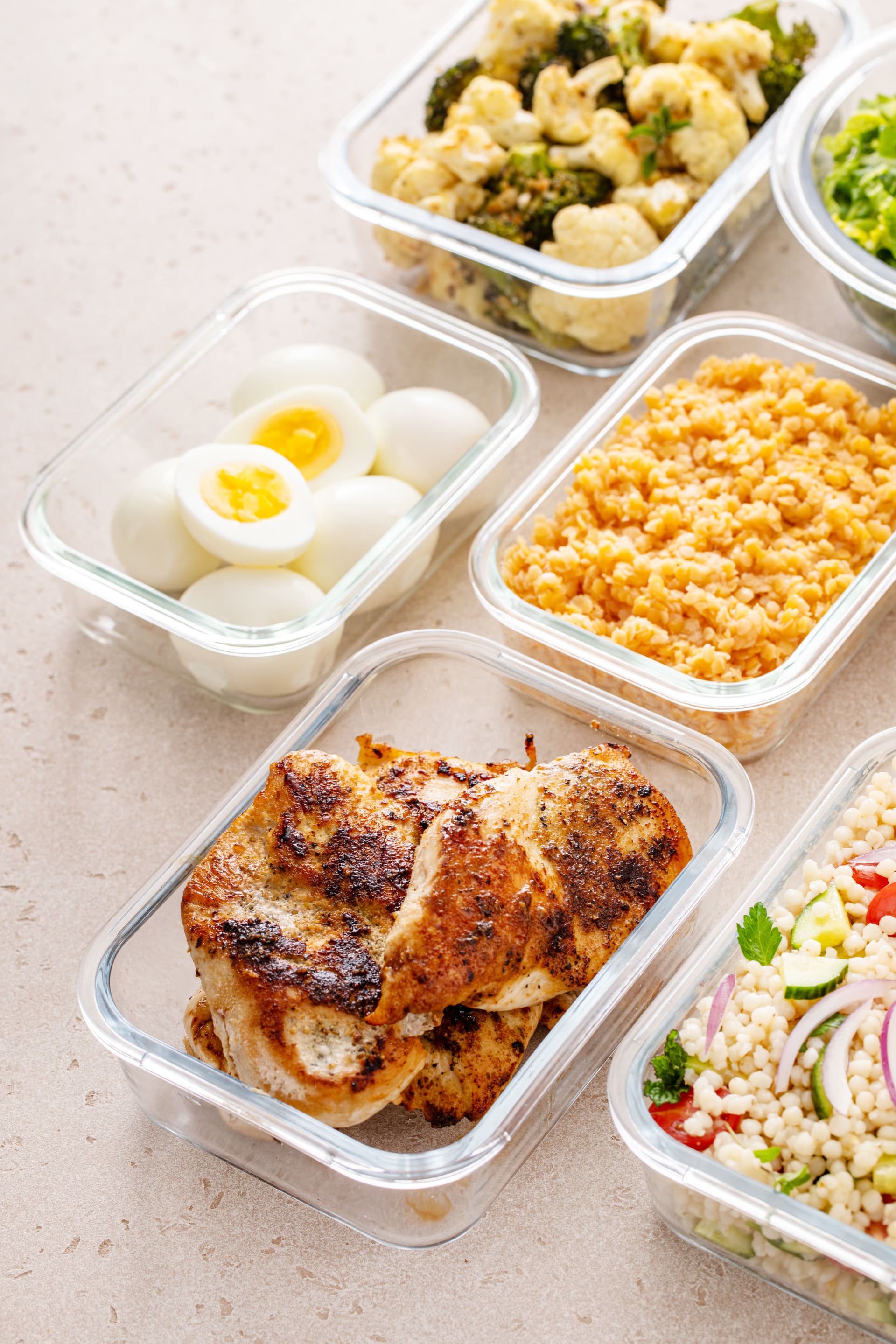
The key insight: you're not trying to cook like a restaurant chef. You're trying to consistently provide your body with anti-inflammatory compounds through simple, repeatable meals you'll actually make.
What Supplements Reduce Inflammation? (The Evidence-Based Guide)
Here's the truth about supplements for inflammation: food comes first, supplements fill gaps. You can't supplement your way out of a terrible diet. But strategic supplementation can enhance results when combined with solid nutrition and lifestyle practices.
The Evidence-Based Essentials: Omega-3s (EPA/DHA): If you're not eating fatty fish 2-3 times weekly, supplementation is essential. The research is overwhelming that 2+ grams daily of combined EPA and DHA reduces inflammatory markers. Look for high-quality fish oil or algae-based sources if you're plant-based.
Curcumin: Effective when properly formulated with absorption enhancers. The clinical trials showing CRP and IL-6 reduction used 500-2,000mg of curcumin daily with piperine or lipid formulations.
Probiotics: Multi-strain formulations with 10-30 billion CFUs daily show benefits for gut barrier function and inflammatory marker reduction. Single-strain products rarely show the same effects.
Vitamin D: While not directly anti-inflammatory, vitamin D deficiency is associated with increased inflammation, and most people are deficient, especially during winter months. Pairing vitamin D3 with probiotics—like in MaxLiving's Vitamin D3 + Probiotics formula—addresses two foundational aspects of immune function simultaneously.
Vitamin C with Quercetin: Antioxidant support that helps neutralize oxidative stress. MaxLiving's Vitamin C Complete combines these compounds for comprehensive support.
Chiropractic Care & Inflammation
By now you've seen how inflammation works through multiple interconnected pathways—your gut microbiome, your nervous system's vagal response, the foods you eat, and how your spine supports optimal nerve function. These aren't separate issues requiring separate solutions.
They're interconnected systems that work synergistically when addressed together. The most effective inflammation management strategies recognize this interconnection and address multiple systems simultaneously.
Proper spinal alignment through chiropractic care optimizes nervous system communication, including the vagal anti-inflammatory pathways. Anti-inflammatory nutrition provides the raw materials your body needs to regulate immune responses and repair damaged tissues. Stress management techniques support both parasympathetic nervous system activation and healthy eating behaviors.
When you combine these approaches, you're not just adding benefits—you're creating synergistic effects where the whole becomes greater than the sum of its parts.
This is the foundation of MaxLiving's philosophy: Core Chiropractic + Nutrition + Oxygen and Exercise + Mindset + Minimize Toxins. Each essential supports the others. Inflammation management requires this comprehensive approach, not isolated interventions. If you're looking for a chiropractor who understands this whole-body connection between spinal health, nutrition, and inflammation control, you can find MaxLiving doctors trained in this comprehensive wellness approach at MaxLiving.

Someone who gets regular chiropractic care but eats a pro-inflammatory diet will see limited results. Someone who eats perfectly but lives in chronic stress with poor spinal health will struggle with inflammation. The people who see dramatic improvements address multiple factors simultaneously.
How to Reduce Inflammation Naturally?
You've read the science, you understand the mechanisms, and you know the timeline. Now what?
This Week:
Clear out the obvious inflammatory triggers from your kitchen: sugary drinks, processed snacks, refined carbohydrates that you grab when stressed or tired. You don't need to throw everything away—just remove easy access to foods that sabotage your progress.
Stock up on inflammation-fighting staples: extra virgin olive oil, canned salmon or sardines, frozen berries, leafy greens, canned beans, Greek yogurt, turmeric, black pepper, walnuts.
Schedule a chiropractic evaluation if you haven't had one recently, especially if you deal with chronic pain or stiffness that might indicate nervous system dysfunction affecting your inflammatory response.
This Month:
Build consistent meal prep habits. Start with just Sunday evening prep that covers Monday through Wednesday. That consistency beats sporadic perfection.
Add strategic supplementation where needed. If you're not getting 2+ servings of fatty fish weekly, omega-3 supplementation becomes essential. If your gut health has been compromised, probiotics provide measurable support.
Track how you feel. Not obsessively, but notice your energy, digestion, sleep quality, joint comfort, and mental clarity. These subjective measures often improve before blood markers change, and they're what actually affect your daily life.
This Quarter:
Make inflammation management part of your identity, not a temporary project. The people who maintain results long-term are those who shift from "I'm on a diet" to "This is how I eat" and from "I should get adjusted" to "Chiropractic care is part of my wellness routine."
Consider getting inflammatory markers tested—CRP, IL-6, and a comprehensive metabolic panel give you objective data on what's happening inside your body beyond how you feel.
What You Need to Know About Inflammation Before You Start
Inflammation management isn't sexy. It's not a 10-day transformation or a before-and-after photo that goes viral. It's consistent, evidence-based choices made over weeks and months that compound into genuinely better health.
You will have days where you eat poorly. You will miss workouts, skip meal prep, and fall back into old patterns. That's not failure—that's being human.
The difference between people who succeed long-term and those who don't isn't perfection. It's getting back on track without drama, guilt, or the need to "start over Monday" with some extreme reset that's impossible to maintain.
Research on the most anti-inflammatory diets studied—the Mediterranean diet, the DASH diet, plant-based eating patterns—shows benefits with roughly 80% adherence. That means one in five meals or days can be whatever you want while still getting measurable results.
The goal isn't to eliminate every inflammatory trigger from your life. The goal is to shift your baseline from chronically inflamed to generally anti-inflammatory, with room for real life.
Your Move: What Happens Next
Three out of five people worldwide die from diseases driven by chronic inflammation. That's not destiny—that's the result of years of inflammatory triggers overwhelming the body's natural regulatory systems.
You now know what actually drives inflammation, how long real changes take, and what specific foods and practices reduce it through measurable biological mechanisms—not wellness marketing myths.
You understand that your nervous system, gut health, and dietary choices all interconnect to determine your inflammatory state, and that addressing multiple factors simultaneously creates synergistic results.
The research is clear. The timeline is realistic. The strategies are practical and proven. The only question that matters: what are you going to do differently starting today?
Because the inflammation you're carrying right now—the aches, the fatigue, the brain fog, the chronic discomfort—didn't happen overnight, and it won't disappear overnight. But with consistent implementation of anti-inflammatory nutrition, proper nervous system function through chiropractic care, and lifestyle practices that support rather than sabotage your health, measurable improvements happen within weeks.
Your body is incredibly resilient when you give it what it needs. It wants to heal. It wants to function optimally. It's been designed that way.
You just need to remove the barriers and provide the support.
References:
- https://www.ncbi.nlm.nih.gov/books/NBK493173/
- https://pmc.ncbi.nlm.nih.gov/articles/PMC12023447/
- https://pmc.ncbi.nlm.nih.gov/articles/PMC10058108/
- https://pmc.ncbi.nlm.nih.gov/articles/PMC4082307/
- https://pmc.ncbi.nlm.nih.gov/articles/PMC3257651/
- https://www.sciencedirect.com/science/article/abs/pii/S1043466623000224
- https://www.niaaa.nih.gov/alcohols-effects-health/alcohols-effects-body
- https://www.health.harvard.edu/staying-healthy/foods-that-fight-inflammation
- https://www.ncbi.nlm.nih.gov/pmc/articles/PMC7589116/
- https://store.maxliving.com/products/purepath-omega-3
- https://store.maxliving.com/products/purepath-inflammation-nerve-support
- https://store.maxliving.com/products/digestion-detox
- https://store.maxliving.com/products/joint-health
- https://store.maxliving.com/products/purepath-vitamin-d3
- https://store.maxliving.com/products/vitamin-c-complete


 Facebook
 Instagram
 LinkedIn