


Published: January 23, 2026
You know that feeling when you skip the gym for the third time this week and tell yourself you'll definitely go tomorrow? When your workout app collects dust while your motivation evaporates somewhere between your couch and the fridge?
Turns out, the whole "fitness is a solo journey" thing we've been sold is actually backward. The research is pretty clear on this—working out alone isn't just less fun, it's measurably less effective. We're talking real differences in how long you live, how happy you feel, and whether you'll actually maintain consistency beyond the initial motivation.
The crazy part? The activity that adds the most years to your life isn't the one burning the most calories. It's the one that requires you to show up and see people. Tennis players gain nearly 10 additional years compared to solo gym-goers doing the same amount of physical work. That's not a typo.
Meanwhile, half of all adults experience loneliness at levels severe enough to create health risks comparable to smoking 15 cigarettes daily. Young adults are getting hit hardest, spending 70% less time with friends than they did two decades ago. We're more "connected" than ever and more isolated than we've been in generations.
But here's where it gets interesting: the solution to both problems—the fitness struggle and the loneliness epidemic—might be exactly the same thing. And it doesn't require expensive equipment, a perfect body, or even knowing what you're doing. It just requires showing up somewhere other people are moving their bodies too.
What Happens When You Exercise Alone vs With Others? (The Science Might Surprise You)
Let's get real about solo workouts for a second. You can absolutely get stronger, faster, and more fit working out by yourself. The question is whether you actually will—and what you're missing in the process.
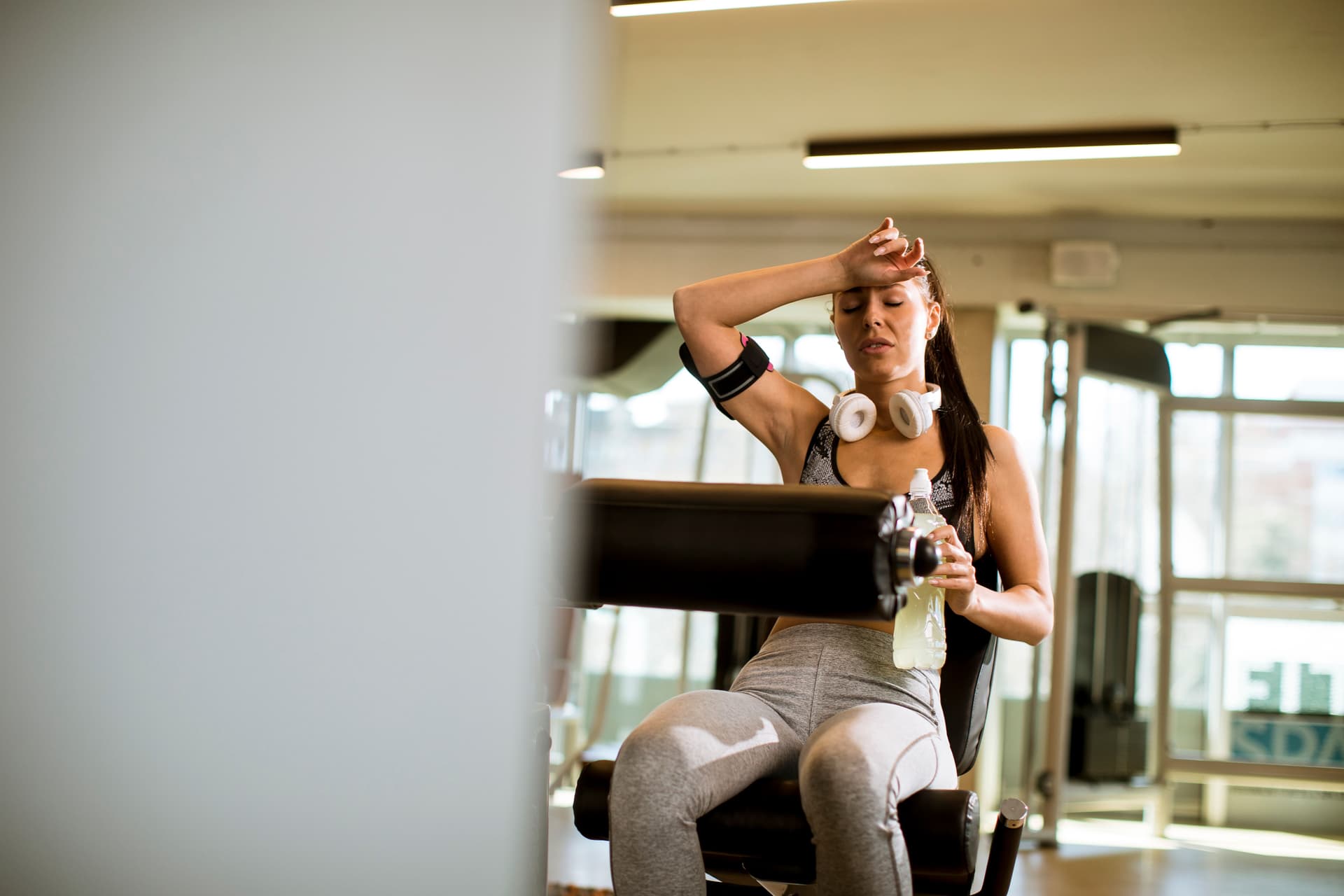
The research on this is kind of fascinating. Scientists tracked medical students through 12 weeks of exercise programs—some working out in groups, others going solo. The solo exercisers actually worked out twice as long per session. They were putting in serious effort and serious time.
And their stress levels? Didn't budge. Not one bit.
The group exercisers, working out half as long, saw their stress drop by 26%. Their emotional wellbeing improved by 26%. Their physical quality of life jumped nearly 25%. Same basic activities, radically different outcomes.
This pattern shows up everywhere researchers look. A massive umbrella review published in 2023 analyzed 97 systematic reviews covering over 128,000 people and found that physical activity works about 1.5 times better than medication for treating depression and anxiety. But when you add the social component—when people exercise together instead of alone—those benefits amplify significantly.
The mechanism isn't mysterious. Your body doesn't just respond to the physical stress of exercise. It responds to the social environment around that exercise. When you're working out with other humans, you're activating completely different biological pathways than when you're grinding away in isolation. You're triggering social bonding chemicals, reducing stress hormones more effectively, and creating accountability structures that make consistency way easier.
Think about it from your body's perspective. For hundreds of thousands of years, physical activity happened in groups—hunting, gathering, building, playing, defending. Your physiology is designed to move with other people. Solo exercise in a basement or gym by yourself is like reading sheet music instead of hearing the symphony—you get the notes but miss the resonance that makes it truly powerful.
Why Is Loneliness Increasing and How Does Group Fitness Help?
Here's a number that should make everyone uncomfortable: 50% of American adults report measurable loneliness. That was before COVID-19, meaning half of us were walking around isolated even when the world was "normal." Among people in their 30s and 40s—supposedly in the prime of life—that number jumps to nearly one in three feeling frequently lonely.
The U.S. Surgeon General declared this a public health epidemic in 2023, and the comparison they used was smoking 15 cigarettes daily. Chronic loneliness increases your risk of early death by 29%, heart disease by 29%, stroke by 32%. If you're older, it raises your dementia risk by 50%.
Young adults are experiencing the sharpest decline. Time spent with friends in person has dropped 70% among 15-24 year-olds over just two decades. Americans now spend an average of 20 minutes per day with friends face-to-face, down from 60 minutes previously. We've replaced actual community with digital approximations that leave us feeling emptier than before. And here's what's wild: when researchers from Harvard asked lonely people what they actually wanted, 75% said more community activities and fun events. Not therapy. Not medication. Not apps. Just real opportunities to be around other humans doing things together.
This is where fitness communities become genuinely transformative. MIT researchers studying the SilverSneakers program found that 85% of the reduction in social isolation came directly from program membership itself—not from the increased physical activity. Just showing up where other people were also showing up, doing something active together, solved most of the problem.
Your body was designed by God to move, and designed to move with others. The healing power placed inside you by your Creator functions optimally when you're connected to community. This isn't soft science or wishful thinking. This is measurable biology that we're finally understanding.
Do Group Workouts Produce Better Results Than Solo Exercise? (The Data Is Pretty Clear)
Okay, so working out with other people feels better and reduces loneliness. But does it actually produce better fitness results? Does it matter for health outcomes?
Short answer: absolutely yes. And the differences are bigger than you'd expect.
The landmark Copenhagen City Heart Study tracked over 8,500 people for 25 years and measured how different types of exercise affected life expectancy. The results completely flipped conventional fitness wisdom on its head.
Tennis players—people whose sport requires partners or opponents—gained 9.7 additional years of life expectancy compared to sedentary people. Badminton players added 6.2 years. Soccer players gained 4.7 years. All highly social sports require interaction with other people.
Compare that to solo activities with similar physical demands: swimmers added 3.4 years, joggers 3.2 years, gym-goers just 1.5 years. The people playing tennis literally gained six times more longevity than people doing solo gym workouts, despite comparable calorie burn and cardiovascular stress.
The researchers specifically noted that "the leisure-time sports that inherently involve more social interaction were associated with the best longevity." This isn't about one sport being superior to another. It's about the community component amplifying health benefits in ways that solo exercise simply doesn't.
The mental health data is equally striking. Research published in Social Science & Medicine found that people not exercising with groups had nearly double the clinical depression rates compared to group exercisers. Losing access to just two exercise groups during COVID-19 more than doubled depression rates among previously active people.
Group exercise memberships also predict how much you'll actually move. People participating in group exercise programs log about 58% more total weekly physical activity than solo exercisers—roughly 2,800 metabolic equivalent minutes compared to 1,700 for those working out alone. The group environment doesn't just make exercise more enjoyable; it makes you do significantly more of it.
And here's the kicker on adherence: group exercise programs maintain about 69% long-term participation rates for programs lasting six months or longer. Solo gym memberships? Between 17-37% of people still show up regularly after the first year. The group environment increases your likelihood of sticking with fitness by roughly 26%.
This matters because consistency beats intensity every single time. The workout you'll actually do beats the "perfect" workout you'll skip. Community creates consistency. Consistency creates results.
How Do Sports and Family Fitness Affect Children's Long-Term Health?
Here's something that should get parents' attention: the physical activity patterns your kids develop now will likely follow them into adulthood. The research on this is pretty consistent—active kids become active adults, inactive kids struggle with fitness their entire lives. You're not just keeping your children healthy today; you're programming their relationship with movement for decades.
The CDC reports that only 25% of children meet healthy physical activity recommendations, and just 26% of teenagers get the recommended 60 minutes of moderate-to-vigorous daily activity. That means three out of four kids aren't moving enough, setting them up for a lifetime of health struggles. But organized sports and group activities can completely flip this script.
Kids participating in sports show higher self-esteem, reduced risk of suicide and suicidal thoughts, improved goal-setting abilities, better time management, enhanced social skills, and improved academic performance. The American Academy of Pediatrics calls physical activity "the best medicine parents can give their kids" and emphasizes making movement a family goal, not just an individual activity.
The family effect is massive. Kids with one active parent are 2-3 times more likely to be active themselves. But when both parents exercise regularly, children become 5.8 times as likely to be active compared to kids with two inactive parents. You can't outsource this. Your kids are watching what you do, not listening to what you say.
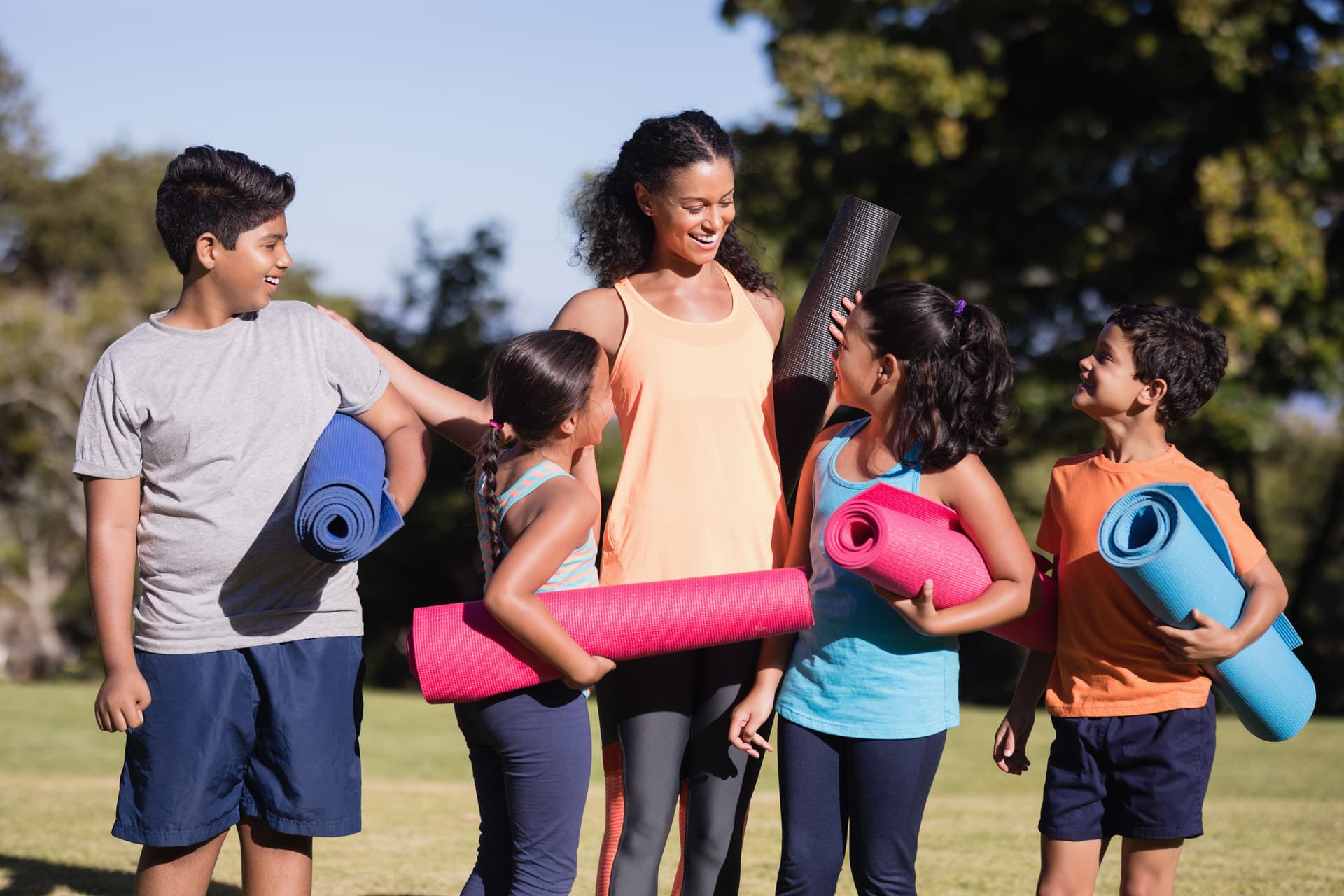
The most powerful intervention? Exercising together as a family. Playing sports in the yard, going on family hikes, joining parent-child fitness classes, participating in community running events together. Children receiving greater parental support for physical activity are 6.3 times more likely to be highly active. You're not just spending time together—you're literally programming their health for life.
The youth sports landscape shows some concerning gaps worth addressing. Only 31% of children from families below the poverty level participate in organized sports versus 70% from affluent families. Geography matters too, with Southern states showing significantly lower participation. The National Youth Sports Strategy recommends sport sampling—playing multiple sports rather than specializing early—to prevent burnout and injury while keeping the focus on enjoyment rather than elite competition.
Access matters, but so does approach. Some of the most effective family fitness happens without organized leagues or expensive equipment—walking together after dinner, playing pickup games at the park, dancing in the living room, doing bodyweight exercises as a family challenge. The point is moving together, not perfecting technique.
Why Are Running Clubs and Recreational Sports Growing So Fast? (Hint: We're Desperate for Community)
If it feels like everyone you know just joined a running club or signed up for recreational kickball or pickleball, you're not imagining it. Adult participation in recreational sports has jumped from 11% in 2020 to 19% today—a 73% increase in just a few years. Running club participation on platforms like Strava increased 59% globally in 2024 alone.
This isn't a fitness trend. It's a response to the isolation crisis.
When researchers surveyed adults about why they're joining recreational leagues, the top reasons were health and fitness (54%), stress relief, and—tellingly—simply having fun with other people. Notably, 30% of people who feel addicted to digital devices express interest in recreational leagues versus just 18% of those without device dependency. We're looking for an escape from digital isolation, and we're finding it by moving our bodies with other humans.
The demographics tell an interesting story. Among Gen Z adults (18-24), 47% say they're likely to join recreational sports leagues. These are people who grew up with smartphones, spent their formative years in digital environments, and are now actively seeking analog community experiences. The pendulum is swinging back toward real human connection, and fitness communities are becoming the vehicle.
The options have exploded to meet this demand. Traditional recreational leagues offer everything from softball to pickleball to dodgeball, usually running around $90 per season. Running clubs—often completely free—are popping up everywhere from local running stores to breweries to community centers. CrossFit boxes, boutique fitness studios, yoga communities, cycling groups, hiking clubs—the variety means there's genuinely something for every interest and fitness level.
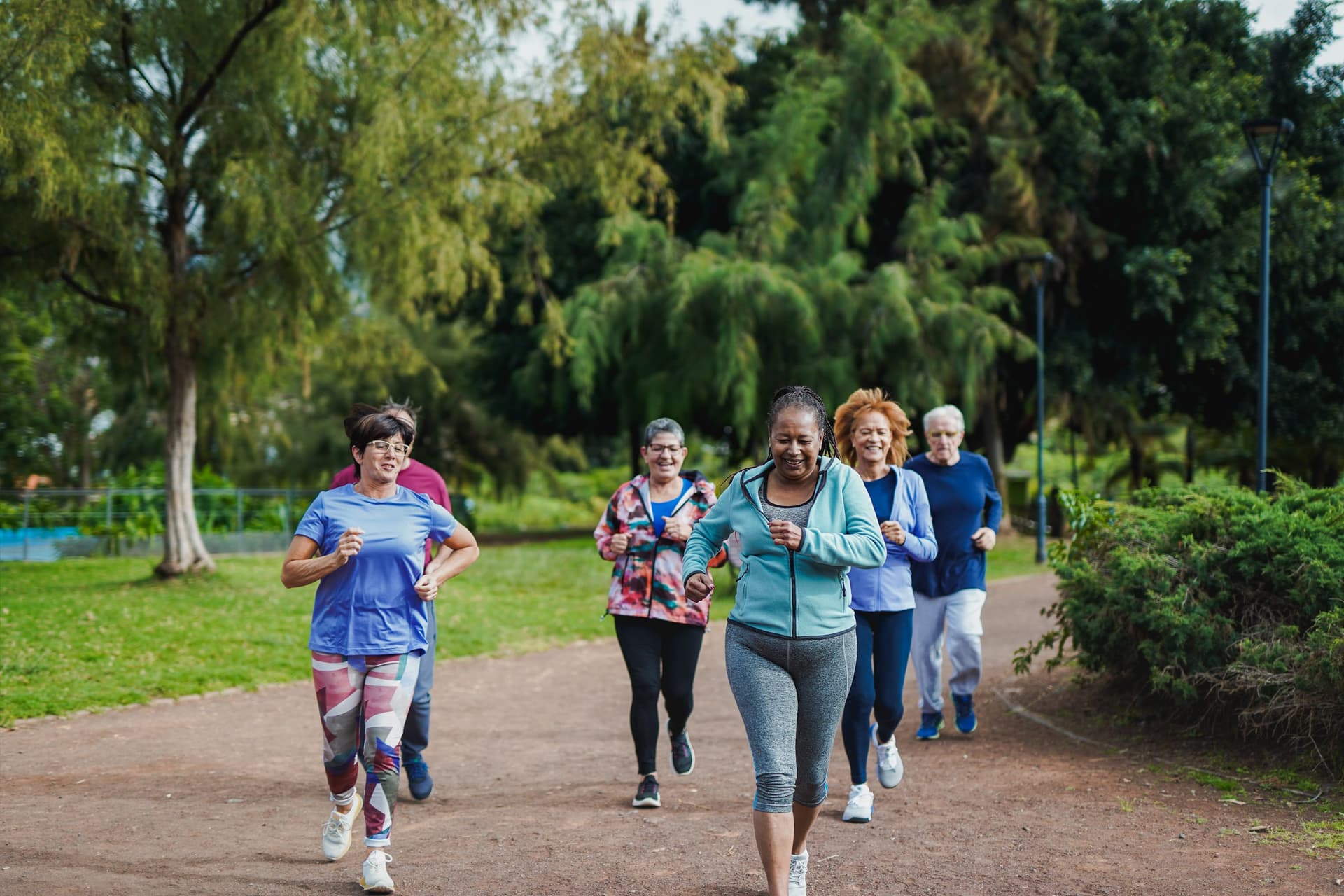
The social component is explicit now rather than accidental. Research on parkrun—the free, weekly 5K community movement—found participants are four times more likely to want to meet people through working out than at bars or traditional social venues. Fifty-eight percent report making new friends through fitness groups. This is intentional community building that happens to involve exercise, not exercise that accidentally creates community.
Technology has made finding these communities easier too. Apps like Meetup, Strava, GoodRec, and Pickup Sports connect you with nearby activities. Local running stores sponsor group runs. Parks and recreation departments offer structured programs. YMCAs provide affordable options. The barrier isn't availability anymore—it's just deciding to show up.
For those interested in efficient, science-backed fitness programs that work in community settings, MaxLiving's MaxT3 offers scalable 8-18 minute high-intensity workouts designed for all populations no matter where you begin. The metabolic conditioning principles can be done solo, but as MaxT3 emphasizes, these workouts are "so much more effective in a fitness center under the supervision of a highly trained instructor" surrounded by others pursuing the same health goals.
How to Find or Start a Fitness Community Near You? (The Practical Step-by-Step)
Alright, so you're convinced that exercising with other humans is the move. Now what? How do you actually find these communities or create one if nothing exists in your area?
Start with what already exists in your community. Local running stores almost always sponsor free group runs—typically one to three times per week at various paces. These are genuinely welcoming to beginners despite what your intimidation might tell you. Most follow a "no runner left behind" philosophy where pace groups ensure everyone finishes together.
Check your parks and recreation department. Most cities offer affordable group fitness classes, sports leagues, and community programs specifically designed for all skill levels. YMCAs typically provide group classes, recreational sports, and family programs at various price points with financial assistance available. Community centers, faith organizations, and local colleges often have underutilized facilities and programs.
Leverage technology strategically. Meetup lets you search for fitness groups by activity type and location. Strava has a club feature connecting you with local athletes. Pickup Sports and GoodRec help you find or create casual games. Even Facebook groups for your neighborhood or city often coordinate fitness activities.
The CDC actually provides evidence-based strategies for overcoming the most common barriers. Lack of time? Identify available 30-minute windows in your existing schedule, take 10-minute walking breaks throughout the day, and combine social time with physical activity. Lack of social support? Explain your fitness interests to family and friends, plan social activities involving movement, and deliberately develop friendships with active people.
Cost concerns? Utilize free park programs, walking groups, hiking trails, and activities requiring minimal equipment. The average recreational league fee sits around $90—less than two months of most gym memberships—and many communities offer scholarship programs. Free running clubs, pickup basketball at public courts, and community fitness events remove financial barriers entirely.
If nothing exists that fits your needs, creating something is simpler than you'd think. Define your purpose clearly—what activity, what fitness level, what vibe you're going for. Choose a memorable name people can reference easily. Set a consistent meeting time and location (consistency matters more than perfect timing). Create a communication channel—a social media group, text chain, or messaging app to coordinate logistics.
Start small. Even two or three participants is a community. Implement pace groups or skill levels if you attract a range of abilities, ensuring nobody feels left behind or held back. Emphasize fun and relationship-building alongside the physical activity itself. The strongest fitness communities are ones where people show up as much for the humans as for the workout.
The research on what makes fitness communities stick identifies several key factors: welcoming environments for all levels, organized and consistent scheduling, knowledgeable leaders providing guidance, varied options accommodating different abilities, and genuine focus on community building rather than pure competition or performance.
Your Move: Starting Now, Not "Someday"
Everything we've covered points to one clear conclusion: your body was designed by God to move, and designed to move with others. The healing power inside you functions optimally when you're part of a community pursuing health together. This is how humans have moved for hundreds of thousands of years—in groups, for shared purposes, with genuine connection alongside the physical work.
The research makes this undeniable. Nine extra years of life expectancy from playing tennis. Twenty-six percent stress reduction from group exercise versus zero from working out alone. Fifty-eight percent more total physical activity when you're part of a fitness community. Depression rates cut nearly in half. Kids are 5.8 times more likely to be active when both parents exercise. These aren't marginal differences—these are life-changing outcomes.
The practical steps are straightforward. This week—not next month, not after the holidays, not when you "get in better shape first"—search for one group fitness option in your area. A running club, a recreational league, a group fitness class, a hiking group, a pickup game. Show up once. See how it feels. Talk to one person. That's it. You don't need to commit to anything long-term or expensive. You just need to see what moving with others feels like compared to moving alone.
If you have kids, make movement a family priority starting now. Not when they're older, not when schedules calm down, not when you have more energy. Now. Play outside together for 20 minutes after dinner three times this week. Shoot hoops together. Go for family walks. The activity matters less than establishing the pattern of moving together.
For those looking for structured programming that maximizes efficiency, MaxLiving offers comprehensive wellness approaches through the Five Essentials: Core Chiropractic, Nutrition, Oxygen & Exercise, Mindset, and Minimizing Toxins. This integrated framework recognizes that true health requires addressing root causes across multiple areas of your life, not just working out harder or eating less. You can explore these principles and connect with a MaxLiving doctor at MaxLiving.com.
The isolation epidemic isn't getting better on its own. Neither is the physical inactivity crisis. Neither is the mental health situation. But all three share a common intervention point: real community around real movement. You don't need special equipment, perfect genetics, or a trust fund. You just need to show up where other people are moving their bodies and do it consistently enough that it becomes part of who you are.
The science is clear. The options are available. The only question left is whether you'll take your health back by plugging into a community designed for movement? Your body knows what it needs. The research confirms what God placed inside you from creation. Now it's just about acting on what you know is true.
References:
- https://www.npr.org/2023/05/02/1173418268/loneliness-connection-mental-health-dementia-surgeon-general
- https://www.sciencedaily.com/releases/2017/10/171030092917.htm
- https://pubmed.ncbi.nlm.nih.gov/36796860/
- https://www.gse.harvard.edu/ideas/usable-knowledge/24/10/what-causing-our-epidemic-loneliness-and-how-can-we-fix-it
- https://www.pbs.org/newshour/health/loneliness-poses-health-risks-as-deadly-as-smoking-u-s-surgeon-general-says
- https://www.ncbi.nlm.nih.gov/pmc/articles/PMC7005930/
- https://pubmed.ncbi.nlm.nih.gov/30193744/
- https://www.sciencedirect.com/science/article/pii/S0277953621006699
- https://pmc.ncbi.nlm.nih.gov/articles/PMC9053316/
- https://www.cdc.gov/nchs/products/databriefs/db441.htm
- https://odphp.health.gov/our-work/nutrition-physical-activity/national-youth-sports-strategy/questions-answers
- https://civicscience.com/rec-sports-on-the-rise-1-in-4-adults-eye-summer-league-play-seeking-to-relieve-stress/
- https://journals.plos.org/plosone/article?id=10.1371/journal.pone.0256546
- https://www.maxt3virtualfitness.com/pages/about-us
- https://www.cdc.gov/physical-activity-basics/overcoming-barriers/index.html
- https://journals.sagepub.com/doi/full/10.1177/0265407518761225
- https://pmc.ncbi.nlm.nih.gov/articles/PMC11641623/

 Facebook
 Instagram
 LinkedIn