


Published: February 23, 2026
You know that feeling when you wake up exhausted despite getting "enough" sleep? When your afternoon energy crashes harder than your motivation to meal prep? When you're lying in bed scrolling at midnight, knowing you should sleep but somehow unable to put the phone down? Your sleep isn't broken. It's just fighting against one of nature's biggest biological curveballs.
Here's what most people miss: darker months aren't just colder and less sunny—they're when your circadian system faces its biggest challenge of the year. Reduced daylight exposure disrupts your internal clock. Sunrise gets later while sunset arrives earlier. Your brain produces melatonin at inappropriate times but struggles to wake up in darkness.
Meanwhile, busy periods throughout the year—whether holiday seasons, work deadlines, or major life transitions—create stress that compounds sleep difficulties. Poor sleep now means you'll crash and burn when you need resilience most.
The good news? Understanding how light exposure affects your sleep creates opportunities to optimize your rest that work year-round. Your body has predictable responses to environmental changes. Sleep technology has finally reached the point where tracking actually helps instead of creating anxiety. And emerging research on the gut-brain-sleep connection offers new strategies that work faster than traditional approaches.
How Do Major Schedule Changes Actually Affect Your Sleep? (Beyond the Initial Disruption)
Most people think schedule changes—whether from time shifts, new jobs, travel, or routine disruptions—only affect sleep for a day or two. But research from UCSF shows your circadian system doesn't fully adjust for 5-7 days, and subtle effects can linger for weeks.
Even after your sleep timing adapts to schedule changes, you're often dealing with secondary effects. Your internal clock may have adjusted to new timing, but environmental factors—like reduced daylight exposure or increased stress—create ongoing challenges.
This isn't just inconvenient—it's biologically disruptive. Your suprachiasmatic nucleus, the brain's master clock, relies on consistent light exposure and routine to synchronize your internal 24-hour rhythm with the external world. When these cues become unreliable, your circadian system starts to drift.
The result? You feel sleepy during important meetings but wired when you're trying to wind down at night. Your cortisol awakening response becomes sluggish. Your natural melatonin production becomes mistimed, making you drowsy when you need to be productive or alert when you should be winding down.
Research from the American Academy of Sleep Medicine shows this circadian disruption affects more than just sleep timing. It influences mood regulation, cognitive performance, and even immune function. The key insight: this isn't a temporary adjustment period—it's a fundamental shift that requires intentional management strategies.
Your circadian rhythm operates like a sophisticated internal orchestra, with every cell in your body following the conductor's baton—your master clock. When external cues become unreliable, this orchestra starts playing out of sync. Some sections speed up while others slow down, creating the biological equivalent of musical chaos.
The downstream effects ripple through every aspect of your health. Your digestive system expects food at certain times based on circadian programming. Your immune system follows daily cycles of activity and rest. Your endocrine system releases hormones according to internal timing cues. When the master clock gets confused by schedule or light changes, all these systems struggle to coordinate effectively.
What Are the Best Sleep Tracking Devices? (Without the Overwhelm)
Sleep tracking has evolved beyond basic step counters, but the key is choosing devices that provide actionable insights without creating orthosomnia—the anxiety that comes from obsessing over sleep data.
The Oura Ring has become the gold standard for comprehensive sleep tracking. At $299 with a $5.99 monthly subscription, it tracks sleep stages, heart rate variability, body temperature trends, and generates a daily Readiness Score. The key advantage: it focuses on overall patterns and recovery rather than overwhelming you with dozens of metrics you can't act on.
For those wanting temperature optimization, Eight Sleep's Pod Cover uses AI to adjust your bed temperature throughout the night based on your sleep stages and biometrics. The system analyzes 215 million hours of tracked sleep data to personalize temperature adjustments, typically keeping the sleep surface between 60-67°F for optimal rest.
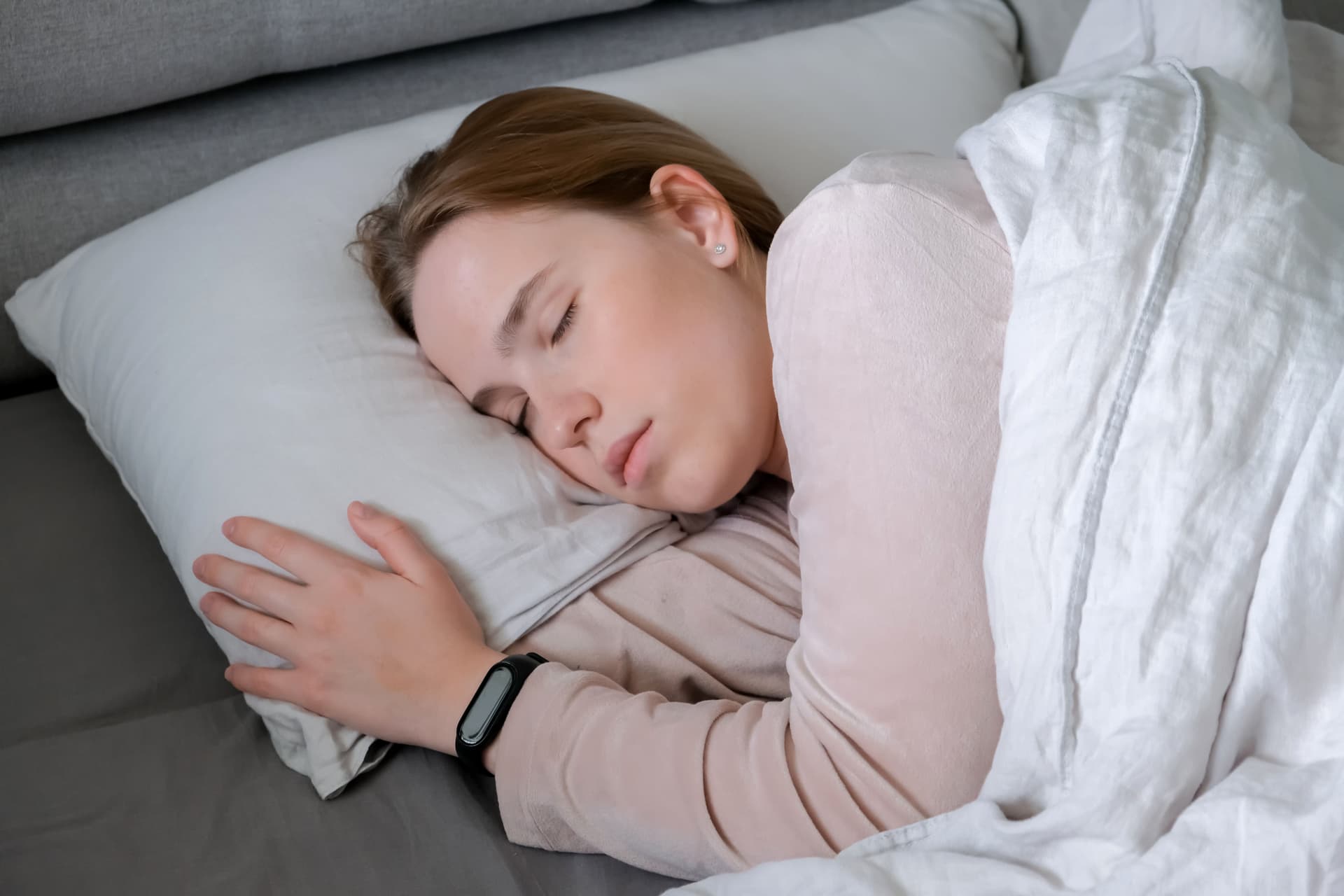
Apple Watch users gained a game-changing feature: FDA-authorized sleep apnea detection. This means your everyday wearable can now screen for a condition that affects 39 million Americans, most of whom don't know they have it. The technology uses accelerometer data to detect breathing interruptions with 92% accuracy compared to traditional sleep lab tests.
WHOOP has carved out a niche among fitness enthusiasts with its focus on recovery metrics. The device tracks heart rate variability, respiratory rate, and sleep efficiency to generate strain and recovery scores that help users understand when to push hard versus when to prioritize rest.
The critical insight from sleep experts: track trends, not individual nights. Focus on weekly patterns rather than getting stressed about one bad night. Your sleep debt (cumulative hours of lost sleep) and consistency matter more than perfectionism.
Sleep tracking works best when you understand what to ignore. Most consumer devices struggle with wake detection, often missing brief awakenings that don't result in movement. They're excellent for tracking sleep duration and general patterns but less reliable for precise sleep stage timing. Use the data to spot trends—like consistently poor sleep after late dinners or better recovery following morning workouts—rather than optimizing based on nightly variations.
The most valuable metrics focus on consistency and debt accumulation. Sleep debt under 5 hours per week indicates good recovery. Heart rate variability trends over weeks show adaptation to stress better than daily fluctuations. Temperature patterns can reveal hormonal changes, illness onset, or environmental factors affecting sleep quality.
Why Does Your Gut Health Impact Sleep Quality? (The Connection You're Missing)
Your gut and brain are in constant conversation through what scientists call the gut-brain-sleep axis, and this communication pathway is revolutionizing how we approach sleep optimization. About 95% of your body's serotonin—the precursor to melatonin—is actually produced in your gut, not your brain. When your gut microbiome is out of balance, your sleep suffers. Specific bacteria strains like Lactobacillus and Bifidobacterium enhance sleep by producing GABA, the brain's primary calming neurotransmitter.
Research published in 2024 identified Faecalibacterium prausnitzii as the bacterial species most strongly correlated with sleep quality. These beneficial bacteria ferment fiber into short-chain fatty acids that directly influence sleep architecture and help regulate your circadian rhythm.
The practical implications are immediate. What you eat for dinner affects not just digestion but sleep quality hours later. Fiber-rich foods feed beneficial bacteria that produce sleep-supporting compounds. Popular sleep-promoting drinks like tart cherry juice with magnesium work because tart cherries contain natural melatonin while magnesium supports GABA activity.
Time-restricted eating—consuming all meals within an 8-12 hour window—helps synchronize your peripheral circadian clocks throughout your body. Eating late disrupts this timing, which is why late-evening snacks can fragment your sleep even if you don't feel overly full.
The gut-brain connection operates through multiple pathways that most people never consider. The vagus nerve acts like a biological superhighway, carrying signals between your digestive system and brain in both directions. When beneficial bacteria produce calming compounds like GABA, these signals travel up the vagus nerve to influence brain chemistry and sleep quality.
Your microbiome also controls inflammation levels throughout your body. Imbalanced gut bacteria produce lipopolysaccharides—inflammatory compounds that trigger immune responses and disrupt sleep architecture. You've probably experienced this without realizing it: poor food choices leading to digestive upset, followed by restless, fragmented sleep.
Seasonal changes and stress affect your microbiome composition. Reduced sunlight decreases vitamin D production, which influences immune function and bacterial balance. Stress hormones like cortisol directly damage beneficial bacteria populations. Comfort foods during stressful periods often lack the fiber needed to maintain healthy bacterial communities.
The solution involves feeding your sleep-supporting bacteria while starving problematic strains. Prebiotics like garlic, onions, leeks, and asparagus selectively nourish beneficial species. Polyphenols in berries, green tea, and dark chocolate support optimal microbiome composition. Fermented foods provide live bacteria that can improve sleep quality within weeks of consistent consumption.
Which Supplements Actually Work for Better Sleep? (Evidence-Based Options)
The supplement landscape has shifted dramatically, with magnesium overtaking melatonin as the preferred choice among wellness-focused adults.
Understanding which forms work and why can save you money and frustration.
Magnesium works by increasing GABA activity in the brain, creating the neurochemical environment that allows racing thoughts to quiet. A premium magnesium supplement offering glycinate, malate and glycerophosphate for superior absorption is PurePath’s Multi-Magnesium. Take it 30-60 minutes before bed so peak blood levels coincide with sleep onset.

Melatonin research has revealed more nuanced timing recommendations. A comprehensive review of 26 randomized controlled trials found that optimal timing is three hours before desired bedtime, not the commonly recommended 30 minutes. The dose-response analysis showed effectiveness peaks at lower doses than most people take, with diminishing returns at higher amounts.
L-theanine from tea promotes calmness without sedation and enhances sleep depth. Apigenin derived from chamomile reduces anxiety through mild GABA receptor modulation. Glycine supports sleep quality by helping lower core body temperature, a critical signal for sleep onset. For those seeking comprehensive support, MaxLiving's Sleep + Mood combines melatonin, L-theanine, and other research-backed ingredients in optimal ratios, taking the guesswork out of supplement stacking while supporting both sleep quality and emotional balance.

Timing matters as much as dosing. Magnesium taken with dinner supports digestion and prepares your nervous system for evening wind-down. Melatonin works best when timed to your natural circadian rhythm, not your desired bedtime. L-theanine can be taken earlier in the evening to reduce anxiety without causing drowsiness.
Quality varies dramatically between brands and forms. Chelated minerals like magnesium bisglycinate absorb better than oxide forms. Third-party testing ensures purity and potency. Some supplements work synergistically—magnesium enhances vitamin D function, which supports serotonin production and mood regulation.
How Do You Optimize Your Bedroom Environment for Better Sleep?
Temperature optimization becomes critical regardless of season, but especially during colder months when heating systems activate. Your bedroom should stay between 60-67°F, with 65°F as the optimal target for most adults.
Your core body temperature naturally drops during sleep onset, and a cool environment facilitates this process. Research using wearable monitors found sleep efficiency drops 5-10% when bedroom temperature increases from 68°F to 86°F. Regulate warmth through layered bedding rather than raising the thermostat.
Humidity becomes equally important as heating and cooling systems often create dry air, dropping humidity to 10-20%, well below the optimal 40-50% range. Dry air causes nasal congestion, increases snoring, and creates respiratory irritation that fragments sleep. A humidifier becomes essential equipment year-round.
Complete darkness means eliminating all LED lights—even small light exposure can suppress melatonin production. Use blackout curtains and cover electronic displays. The investment in proper window coverings pays dividends throughout the year.
Light exposure timing requires more intentionality when natural light becomes limited. On sunny days, 5-10 minutes outdoors within one hour of waking anchors circadian timing. Cloudy days require 15-20 minutes, while overcast conditions need 30+ minutes. Light therapy boxes providing 10,000 lux positioned 16-24 inches from your face achieve similar effects for those unable to get outdoor exposure.
Air quality affects sleep more than most people realize. HVAC systems circulate dust, allergens, and dry particles that irritate respiratory passages. HEPA filters remove airborne particles while activated carbon filters absorb odors and volatile organic compounds. Plants like snake plants and spider plants naturally purify air while adding humidity.
Sound optimization involves both reducing disruptive noises and adding beneficial sounds. White noise machines mask sudden sounds that cause micro-awakenings. Pink noise, with more low-frequency content than white noise, may enhance deep sleep stages. Green noise, focused on mid-range frequencies, has gained popularity for its natural, forest-like quality.
Mattress and pillow selection becomes critical when you spend 7-9 hours daily in bed. Your mattress should maintain spinal alignment while allowing natural body curves. Memory foam retains heat, which can be problematic for temperature regulation. Latex and hybrid mattresses often provide better temperature neutrality.
Pillow height affects breathing passages and neck alignment. Side sleepers typically need higher pillows to fill the space between neck and mattress. Back sleepers benefit from medium height that supports the natural cervical curve. Stomach sleepers—though this position isn't ideal for spinal health—need low or no pillows to prevent neck hyperextension.
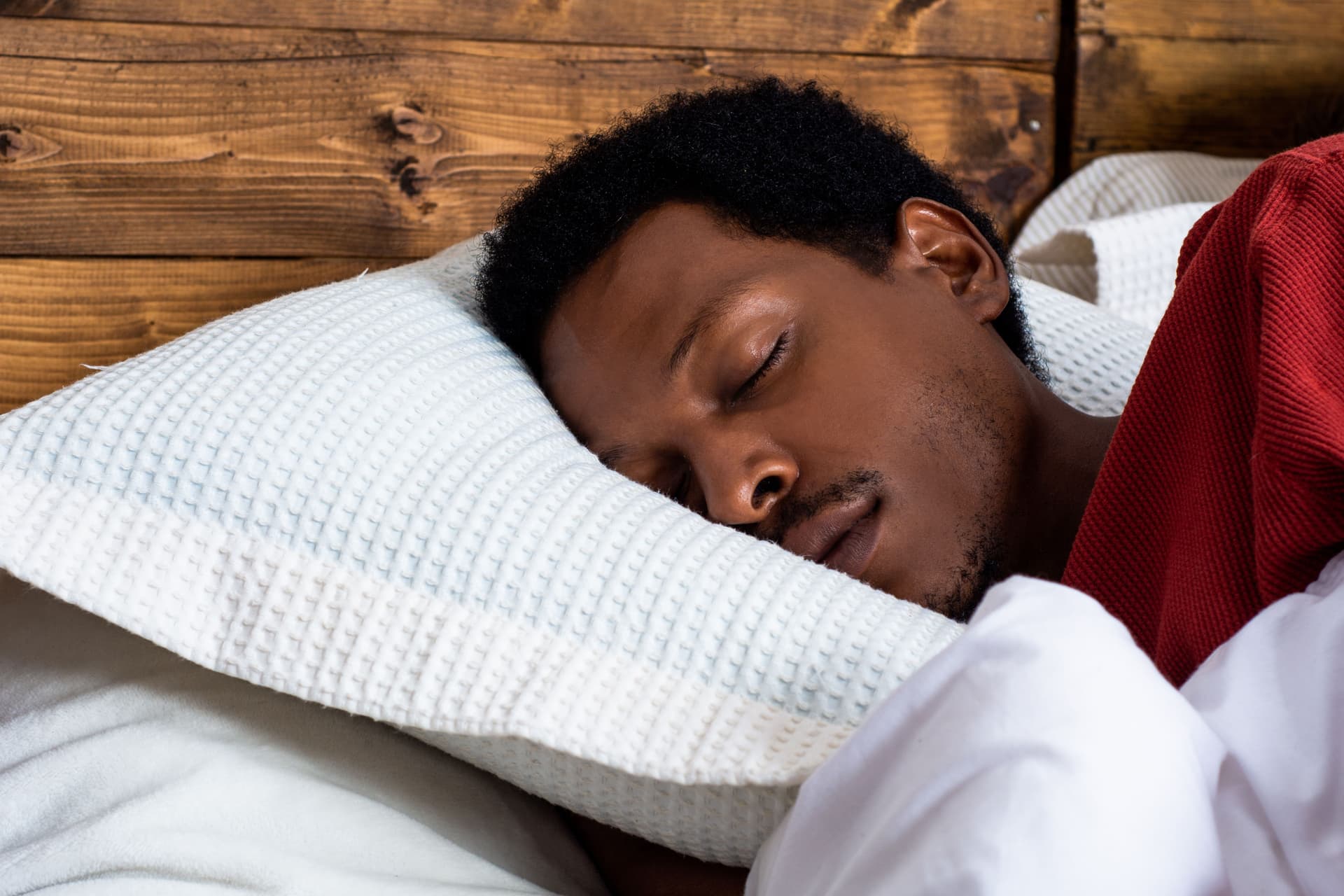
Why Are You Waking Up at 3 AM Every Night? (Common Causes and Solutions)
Middle-of-the-night awakening between 2-4 AM often relates to cortisol fluctuations, blood sugar crashes, or temperature regulation issues that become more pronounced during times of stress or routine changes.
Circadian disruption can trigger premature melatonin release, causing you to fall asleep too early and then wake up when melatonin levels naturally decline. This creates a pattern where you're tired early evening, asleep by 9:30 PM, but wide awake at 3 AM with racing thoughts.
Blood sugar instability contributes significantly to middle-night wakings. Eating refined carbohydrates or drinking alcohol in the evening can cause blood sugar spikes followed by crashes that trigger cortisol release around 3-4 AM. Your body essentially wakes you up to seek fuel, even though you're not consciously hungry.
Temperature dysregulation also plays a role. Your core body temperature reaches its lowest point around 4 AM. If your bedroom is too warm or you're using heavy blankets, your body may wake you up to seek a cooler environment.
Stress hormones follow natural circadian rhythms, with cortisol typically lowest around midnight and beginning to rise around 4 AM in preparation for morning awakening. Chronic stress can shift this pattern, causing premature cortisol spikes that wake you with anxiety or racing thoughts.
Sleep architecture changes throughout the night in predictable patterns. You typically experience your deepest sleep during the first half of the night, transitioning to lighter REM sleep during the second half. Natural awakening points occur between sleep cycles, approximately every 90 minutes. Some people naturally have more fragmented sleep during the second half of the night.
Hormonal fluctuations affect middle-night awakening patterns. Women may notice changes related to menstrual cycles, pregnancy, or menopause. Men can experience testosterone-related sleep changes, particularly as they age. Thyroid disorders commonly cause middle-night awakenings, often accompanied by anxiety or feeling too warm.
Solutions focus on stabilizing these systems: maintain consistent sleep timing regardless of external schedule changes, avoid eating 3-4 hours before bed, keep alcohol consumption minimal and early in the evening, and ensure your bedroom stays cool throughout the night. If blood sugar crashes are suspected, a small protein snack 2-3 hours before bed can provide sustained energy without disrupting digestion.
How Does Blue Light Really Affect Your Sleep Schedule?
Blue light exposure has become more nuanced than simply "avoid screens before bed." Harvard research shows that blue wavelengths suppress melatonin for twice as long as green light and shift circadian rhythms by three hours versus 1.5 hours for other wavelengths.
The timing matters more than the source. Blue light exposure in the evening (within 2-3 hours of bedtime) disrupts sleep onset and architecture. But blue light exposure in the morning actually helps anchor your circadian rhythm and improve nighttime sleep quality.

Reduced natural light during darker months makes this more complicated. Your brain needs bright light during the day to maintain circadian amplitude—the difference between daytime alertness and nighttime sleepiness. When you don't get enough bright light during the day, even small amounts of light at night can be disruptive.
Practical strategies: expose yourself to bright light immediately upon waking, especially if you're not getting outdoor morning light. Use f.lux or Night Shift on devices after sunset. Consider blue light blocking glasses if you must use screens in the evening, but prioritize dim, warm lighting throughout your home rather than relying solely on filtered screens.
The mechanisms behind blue light's effects operate through specialized retinal cells called intrinsically photosensitive retinal ganglion cells (ipRGCs). These cells don't contribute to vision but detect light levels and communicate directly with your brain's circadian control center. They're most sensitive to blue wavelengths around 480 nanometers—exactly the spectrum emitted by LED screens and energy-efficient lighting.
Light exposure becomes critically important during periods of reduced natural daylight. The reduction in natural daylight intensity can decrease circadian amplitude, making your biological rhythms less robust. This increased sensitivity means even small amounts of artificial light at night can have disproportionate effects on sleep timing and quality.
Indoor lighting choices significantly impact circadian function. Traditional incandescent bulbs emit warm light with minimal blue content, making them ideal for evening use. LED bulbs often contain high blue content unless specifically designed for circadian health. Smart bulbs that automatically adjust color temperature throughout the day can support natural rhythms.
Screen time duration compounds the effects of blue light exposure. Brief email checks may have minimal impact, but extended evening screen use—watching movies, scrolling social media, or working late—provides sustained blue light exposure that powerfully suppresses melatonin production.
The solution isn't complete technology avoidance but strategic timing and filtering. Morning screen exposure can actually help stabilize circadian rhythms by providing the bright light signal your brain needs. Evening screen use requires either time limits, blue light filtering, or both.
How Does Spinal Alignment Affect Sleep Quality? (The Chiropractic Connection)
Your spine plays a crucial role in sleep quality that extends far beyond simple comfort. Proper spinal alignment affects nervous system function, breathing efficiency, and circulation—all critical factors for restorative sleep.
The nervous system controls sleep-wake cycles through the autonomic nervous system, which regulates breathing, heart rate, and hormone production during sleep. Spinal misalignments, particularly in the cervical and upper thoracic regions, can interfere with nervous system communication and disrupt these automatic processes.
Cervical spine alignment directly impacts breathing during sleep. Forward head posture, common from prolonged screen use, reduces airway space and can contribute to sleep-disordered breathing. Proper neck alignment maintains optimal airway geometry, reducing snoring and improving oxygen saturation during sleep.
The thoracic spine affects rib cage mobility and diaphragm function. Restricted thoracic movement from poor posture or spinal dysfunction can limit breathing efficiency during sleep. Deep, restorative sleep requires optimal respiratory function, as oxygen demand increases during certain sleep stages.
Regular chiropractic care addresses spinal misalignments that may interfere with sleep quality. Chiropractors use specific adjustments to restore proper joint motion and reduce nervous system interference. Many patients report improved sleep quality following chiropractic treatment, particularly when addressing cervical and upper thoracic dysfunction.
Chiropractic care also addresses muscle tension patterns that affect sleep comfort. Tight neck and shoulder muscles from poor posture or stress can cause discomfort that interferes with sleep onset or causes frequent position changes during the night. Soft tissue techniques combined with spinal adjustments help restore normal muscle function.
Sleep positioning recommendations from chiropractors focus on maintaining spinal alignment throughout the night. Side sleeping with proper pillow support typically maintains better spinal curves than stomach sleeping, which can hyperextend the neck and lower back. Back sleeping works well when properly supported but may not be suitable for those with sleep apnea.
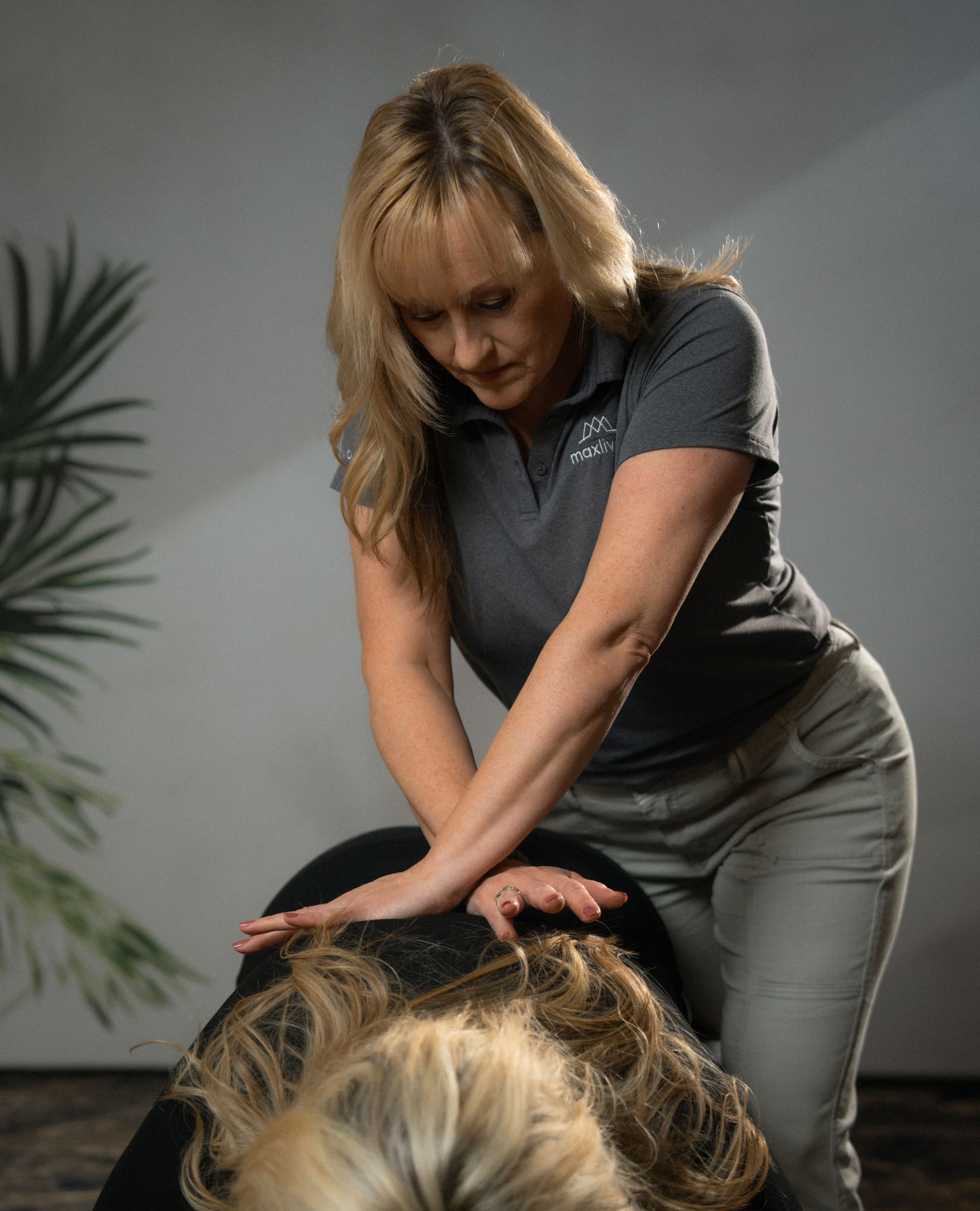
The relationship between spinal health and sleep creates a cycle: poor sleep affects posture and movement patterns the next day, while spinal dysfunction interferes with sleep quality. Addressing spinal alignment through chiropractic care can break this cycle and improve both sleep and daytime function.
Movement and exercise recommendations from chiropractors support better sleep through multiple mechanisms. Regular movement maintains spinal mobility and reduces muscle tension. Exercise timing matters—vigorous activity too close to bedtime can be stimulating, while gentle stretching or mobility work can promote relaxation.
What Should You Do During High-Stress Periods? (Damage Control Strategies)
Sleep disruptions during busy periods—whether work deadlines, family obligations, travel schedules, or major life changes—are predictable and manageable with the right framework. The key is building resilience before peak stress periods rather than trying to recover afterward.
Establish your baseline sleep schedule 2-3 weeks before anticipated stressful periods, creating a foundation that can withstand occasional disruptions. Use the 80/20 rule: maintain your optimal sleep routine 80% of the time, allowing flexibility for urgent demands the other 20%.
When you do have disrupted nights, resist the urge to dramatically alter your schedule the next day. This shifts your circadian rhythm and makes it harder to return to your normal pattern. Instead, wake up within one hour of your usual time and get bright light exposure immediately. Take a brief 20-30 minute nap in the early afternoon if needed, but avoid longer naps that interfere with nighttime sleep.
Alcohol management becomes critical during stressful periods when social events or stress relief drinking may increase. Even moderate consumption disrupts sleep architecture, particularly REM sleep. Stop alcohol intake 3-4 hours before your intended bedtime to allow metabolism and minimize sleep fragmentation.
Time meals to end early enough for complete digestion before sleep. Large meals within 2-3 hours of bedtime fragment sleep and reduce sleep quality, regardless of the specific foods consumed. This becomes more challenging during busy periods when meal timing becomes irregular.
Travel sleep strategies require advance planning to minimize disruption. When traveling across time zones, expose yourself to bright light in the morning at your destination. Seek evening light exposure and avoid morning light when appropriate for your travel direction. Melatonin can help adjust circadian timing when used strategically.
Stress management during busy periods requires boundaries and realistic expectations. Say no to commitments that don't align with your values or energy capacity. Delegate tasks when possible rather than taking on everything yourself. Schedule explicit rest time between demanding activities to prevent cumulative exhaustion.
Financial and work stress can significantly impact sleep quality through worry and anxiety. Set realistic expectations early and communicate boundaries. Consider whether additional work or commitments are worth the sleep disruption costs. Practice stress reduction techniques like deep breathing or progressive muscle relaxation.
Social dynamics often intensify during stressful periods, creating emotional stress that interferes with sleep. Have realistic expectations about interpersonal interactions. Practice stress reduction techniques. Consider your living situation and whether environmental changes might improve sleep quality during difficult times.
Food and beverage choices affect sleep quality through multiple mechanisms during stress. High sugar intake causes blood sugar fluctuations that can trigger middle-night awakening. Caffeine consumption may increase during stressful periods but can interfere with sleep onset if consumed too late. Heavy, rich foods require more energy for digestion, potentially fragmenting sleep.
How Long Does It Take to Fix Your Sleep Schedule? (Realistic Timelines)
Sleep schedule adjustments follow predictable timelines that vary based on the magnitude of change and your current sleep debt.
For minor adjustments (1-2 hours), expect 3-5 days using gradual 15-30 minute shifts each day. For major changes (3+ hours) or recovering from significant sleep debt, allow 1-2 weeks for complete adaptation. Your circadian system can only shift about 1-2 hours per day maximum, so be patient with the process.
Sleep debt recovery happens faster than circadian adjustment. One good night's sleep can eliminate acute sleep debt from a single poor night. However, chronic sleep debt accumulated over weeks or months requires consistent 7-9 hour nights for 1-2 weeks to fully resolve.
Environmental light exposure accelerates the adjustment process. Bright morning light within one hour of your desired wake time and dim evening light 2-3 hours before desired bedtime help entrain your circadian rhythm to the new schedule.
Natural tendencies work in your favor during certain times. Your body may naturally want different amounts of sleep during darker months, making it easier to establish earlier bedtimes during these periods that you can maintain long-term.
Age affects sleep schedule adjustment speed. Children and teenagers typically adjust faster than adults, while older adults may require additional time for circadian changes. This relates to age-related changes in circadian rhythm amplitude and light sensitivity.
Individual chronotype—whether you're naturally a morning person or night owl—influences how easily you can shift your schedule in different directions. Morning chronotypes find it easier to advance their bedtime (go to bed earlier), while evening chronotypes more easily delay their schedule (stay up later).
Consistency accelerates adaptation more than any other factor. Maintaining your new schedule even on weekends helps consolidate the changes. Social jet lag—the difference between weekday and weekend sleep schedules—can slow adaptation and reduce the benefits of schedule changes.
Sleep inertia affects how you feel during schedule changes. This grogginess upon awakening may persist for weeks after changing your schedule, even when nighttime sleep improves. Morning light exposure, caffeine (if appropriate), and physical activity help reduce sleep inertia.
Medication and supplement timing may need adjustment when changing sleep schedules and should be discussed with your healthcare provider. The sleep schedule adjustment process often involves temporary sleep fragmentation or reduced sleep efficiency. Focus on maintaining consistent timing rather than perfect sleep quality during the transition period.
Your Sleep Optimization Implementation Guide
Start with environmental optimization since these changes provide immediate benefits without requiring behavioral changes. Set your bedroom temperature to 65°F and add a humidifier to maintain 40-50% humidity. Install blackout curtains if you haven't already, and eliminate all light sources including LED displays from electronics.
Morning light exposure becomes your most powerful tool for circadian regulation year-round. Use a 10,000 lux light therapy box for 30 minutes immediately upon waking, or spend 15-20 minutes outdoors when possible. This exposure anchors your circadian timing regardless of natural daylight availability.
Sleep timing consistency matters more than perfect duration. Set a bedtime alarm 30 minutes before your target sleep time, treating this as non-negotiable as your morning alarm. Maintain sleep and wake times within 30 minutes, even on weekends, to prevent social jet lag.
Address your gut-sleep connection through strategic nutrition timing. Stop eating 3 hours before bedtime, allowing only herbal tea or water during this window. Include fiber-rich foods at dinner to feed beneficial bacteria that produce sleep-supporting compounds overnight.

Consider targeted support through supplements when behavioral changes aren't sufficient. Start with single ingredients like magnesium before combining multiple supplements. MaxLiving's Sleep + Mood provides comprehensive support for those wanting a research-backed combination without the guesswork of supplement stacking.
Track your sleep patterns using reliable devices, but focus on weekly trends rather than daily perfection. Monitor sleep debt (aim for under 5 hours weekly) and consistency patterns rather than obsessing over individual night scores.
Stress management becomes critical during challenging periods throughout the year. Practice saying no to excessive commitments, set realistic expectations for demanding situations, and schedule explicit rest days between high-stress events.
Build resilience before you need it rather than trying to recover from sleep disruption after it occurs. Establishing sustainable sleep habits provides the foundation that will carry you through challenging periods and environmental changes throughout the year.
References:
- https://www.ucsf.edu/news/2024/03/427246/how-daylight-saving-impacts-your-sleep-and-what-do-about-it
- https://sleepopolis.com/education/2024-sleep-trends/
- https://www.eightsleep.com/blog/eoy-2024/
- https://pmc.ncbi.nlm.nih.gov/articles/PMC11260001/
- https://pmc.ncbi.nlm.nih.gov/articles/PMC11321869/
- https://www.sleepfoundation.org/bedroom-environment/best-temperature-for-sleep
- https://ouraring.com/blog/benefits-of-morning-sunlight/
- https://www.health.harvard.edu/staying-healthy/blue-light-has-a-dark-side

 Facebook
 Instagram
 LinkedIn