


Published: March 30, 2026
Here's something your doctor probably never mentioned: there's a vitamin that decides whether calcium strengthens your bones or hardens your arteries. It's the difference between a healthy skeleton and a calcified cardiovascular system. And most people walking around today are completely deficient in it.
You've been told to take calcium for strong bones. You've been warned about vitamin D deficiency. But the nutrient that actually directs where calcium goes in your body? That one's been ignored by mainstream medicine for decades.
According to Sayer Ji's GreenMedInfo, the world's largest open-access natural health database, Vitamin K—particularly Vitamin K2—is the master regulator of calcium metabolism. We're talking about peer-reviewed research showing this forgotten vitamin can pull calcium OUT of your arteries, where it causes heart attacks and strokes, and deposit it INTO your bones where it prevents fractures.
And the medical establishment? They've been so focused on calcium supplementation that they've created an epidemic of arterial calcification while bone fractures continue to rise. Because they missed the one nutrient that makes calcium safe.
Do Calcium Supplements Cause Heart Attacks?
If you've been taking calcium supplements because your doctor said it's "good for your bones," you need to hear this.
Research published on GreenMedInfo revealed that calcium supplements increased heart attack risk by 27%. That's not a typo. The very supplement millions of Americans take daily to prevent osteoporosis is dramatically increasing their risk of the number one cause of death in this country.

But here's what makes this even more disturbing: those same people taking calcium? Many of them are still experiencing bone fractures. Studies show that in countries where calcium consumption is highest, like the United States, bone fracture rates are also among the highest in the world.
This is the calcium paradox. You're told calcium builds bones, so you take supplements. But without adequate Vitamin K2, that calcium doesn't go to your bones. Instead, it deposits in your arteries, heart valves, kidneys, and soft tissues—creating the very conditions that kill you.
The body attempts to handle this misplaced calcium by dumping it into the bowel, causing constipation, or pushing it through the kidneys, creating stones. Worse, high levels of calcium accumulate in the blood, contributing to the formation of brittle calcium caps on atherosclerotic plaques. These caps can rupture, causing the blood clots that trigger heart attacks.
This isn't speculation. This is exactly what researchers found when they looked at why calcium supplementation—without the right co-factors—becomes dangerous.
Vitamin K1 vs K2: What's the Difference?
Here's where most people get confused. There are two main forms of Vitamin K, and they do very different things in your body.
Vitamin K1, also known as phylloquinone, comes from green leafy vegetables like spinach, kale, broccoli, and Brussels sprouts. K1 is crucial for proper blood coagulation—it helps make 4 of the 13 proteins required for blood clotting.
Vitamin K2, on the other hand, includes menaquinone and menatetrenone. K2 is typically produced in your large intestine by bacteria, and it's found in fermented foods, grass-fed meat, eggs, and dairy products. Unless you have intestinal damage that undermines absorption, dietary K1 deficiency is rare.
But K2 deficiency? That's epidemic.
And K2 is the form that works synergistically with calcium and vitamin D to direct calcium to the right places. Research shows that Vitamin K2 has the potential to prevent osteoporosis, heart disease, stroke, and cancer. It serves as a mitochondrial electron carrier, helping maintain normal energy production—which is why it shows promise even in conditions like Parkinson's Disease.
The most important commercial form of Vitamin K2 is MK-7 (menaquinone-7), which contains seven isoprenoid residues attached to menaquinone. MK-7 has superior bioavailability compared to other forms of K2, making it more effective after oral administration.
Can Vitamin K2 Prevent Heart Disease and Arterial Calcification?
The answer is a resounding yes—and the research is staggering.
In a landmark review of randomized controlled trials, researchers evaluated the effect of Vitamin K supplementation on the skeleton of postmenopausal women using strict inclusion criteria. What they found was remarkable: despite minimal changes in bone mineral density, high-dose Vitamin K1 and K2 supplementation improved indices of bone strength in the femoral neck and reduced the incidence of clinical fractures.

But the cardiovascular benefits are even more dramatic.
Research demonstrates that Vitamin K2 prevents arterial calcification by activating proteins that keep calcium out of arteries and in bones. When researchers studied the effect of dietary supplementation with fermented soybeans rich in Vitamin K2, they found it suppressed intimal thickening of arteries after vessel injury.
The mechanism is elegant: Vitamin K2 activates Matrix Gla Protein (MGP), which inhibits calcium deposits in arterial walls. Without adequate K2, MGP remains inactive, and calcium freely deposits in your cardiovascular system.
According to GreenMedInfo's research, if you're following current vitamin D recommendations of about 2,000 IU of vitamin D3 per day, you need approximately 200 micrograms of vitamin K2 to prevent osteoporosis, heart disease, stroke, and cancer.
That's the critical partnership most doctors never mention: D3 and K2 work together. D3 helps you absorb calcium. K2 tells that calcium where to go.
Can Vitamin K2 Rebuild Your Bones and Help Osteoperosis?
Forget what you've been told about bone density being the ultimate measure of bone health. That's an oversimplification that's led to decades of failed calcium supplementation strategies.
Research on Vitamin K2 reveals something fascinating: it increases bone quality and reduces fracture rates WITHOUT necessarily increasing bone mineral density.
Meta-analysis involving clinical studies showed that Vitamin K2 decreased the incidence of fractures. The results suggested that K2 improves bone quality through mechanisms beyond simple mineral density. Preclinical studies found that Vitamin K2 improved trabecular microarchitecture—the internal scaffolding of bone—including connectivity and width in animal models.
Even more impressive: K2 increased bone strength without influencing bone mineral content in models with nutritional deficiencies, by increasing collagen levels and improving the quality of that collagen through proline hydroxylation.
This is the difference between fragile, chalky bones that snap easily and strong, flexible bones that resist breaking under trauma. Density doesn't tell the whole story. Structure and collagen quality matter more.
In human trials with postmenopausal women, high-dose vitamin K supplementation reduced serum undercarboxylated osteocalcin levels—a marker that indicates bone-building proteins are being properly activated. The reduction in clinical fractures was significant, confirming the effect of Vitamin K supplementation mediated by mechanisms other than bone mineral density.
For women looking to protect their bones, this research is game-changing. Especially when combined with vitamin D3.
Studies on the combination of vitamins K2 and D3 showed protective effects on bone mineral density even in patients taking prednisolone—a steroid known to devastate bone health. Sixty patients were randomly divided into groups receiving vitamin D3 alone, vitamin K2 alone, both vitamins together, or placebo. The protective effect of K2 or the combination of D3 and K2 was similar to D3 alone, but the combination prevented the dangerous elevation in serum calcium that D3 alone caused.
That synergy matters. K2 keeps calcium safe while D3 ensures you absorb enough of it.
What Foods Are Highest in Vitamin K2?
If there's one food that embodies the power of Vitamin K2, it's natto—a traditional Japanese fermented soybean food that's been consumed for over a thousand years.
Research comparing geographic regions found a massive difference in serum Vitamin K2 (menaquinone-7) levels in postmenopausal women. Japanese women in Tokyo had serum MK-7 concentrations of 5.26 ng/mL, compared to 1.22 ng/mL in Hiroshima, and just 0.37 ng/mL in British women.
The difference? Natto consumption. The women with the highest K2 levels consumed natto regularly.
In a study of healthy premenopausal women, seventy-three participants were divided into groups based on natto intake frequency: no intake, once per month, once per week, or three times per week. After one year, the group consuming natto three times weekly showed significantly higher bone-specific alkaline phosphatase—a marker of bone formation—and significantly lower undercarboxylated osteocalcin.
The researchers concluded that in premenopausal women, natto intake contributed to the promotion of bone formation, helping them maintain peak bone mass before menopause, when bone loss accelerates.
Even more impressive, animal studies on prolonged natto intake demonstrated prevention of bone loss in ovariectomized rats—a model of postmenopausal osteoporosis. Feeding natto diets with supplemental MK-7 caused significant elevation of MK-7 in serum and prevented the decreases in femoral dry weight, calcium content, and mineral density caused by ovariectomy.
This wasn't just about preventing bone loss. It was about supporting the body's natural bone-building processes through food.
Beyond bone health, natto offers cardiovascular protection. The nattokinase enzyme found in natto has potent fibrinolytic activity—four times greater than plasmin. In studies where animals received dietary natto extract supplementation before and after induced arterial injury, intimal thickening was significantly suppressed compared to controls.
The implications are profound: a traditional fermented food provides both Vitamin K2 for calcium regulation AND enzymes that prevent dangerous blood clots.
Does Vitamin K2 Help Rheumatoid Arthritis and Joint Pain?
Anyone who understands the importance of joint health and mobility, this research should make you take notice.
Clinical studies have documented that 180 mcg of MK-7 taken long-term improves bone density and overall bone health. But researchers wanted to know if K2 could benefit rheumatoid arthritis—a chronic inflammatory condition that devastates joints.
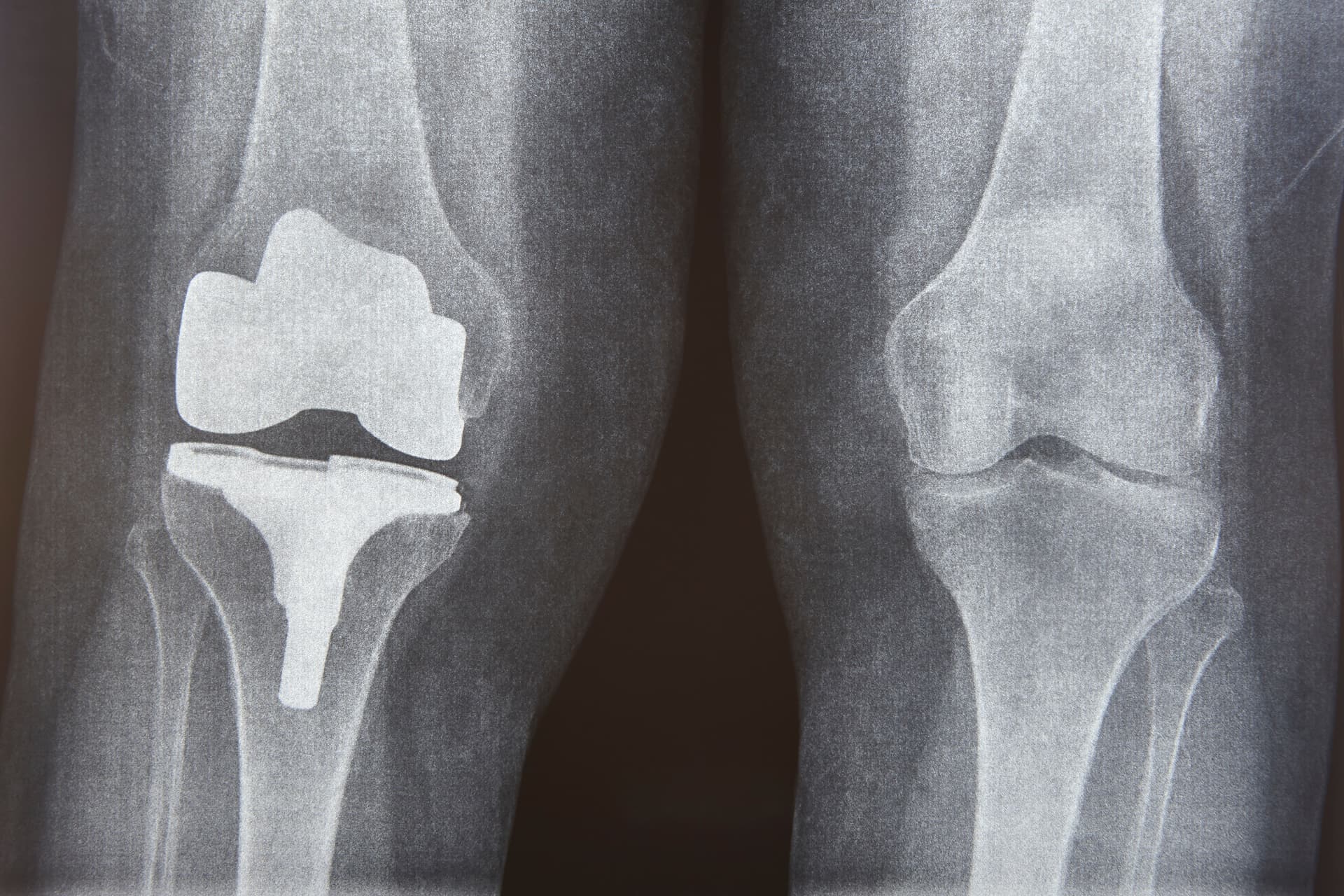
In a randomized clinical trial, eighty-four RA patients were enrolled to assess the therapeutic role of MK-7 added to their normal treatment regimen. After three months, the results were statistically significant: the MK-7 treated group showed decreased levels of erythrocyte sedimentation rate (ESR), RA disease activity scores, C-reactive protein (CRP), and matrix metalloproteinase-3 (MMP-3)—all key markers of inflammation.
Even more impressive, MK-7 increased the level of active osteocalcin, an important marker of bone health. The benefits were directly related to increased blood levels of MK-7.
The researchers concluded that MK-7 represents a promising new agent for RA when combined with other disease-modifying drugs.
This makes sense when you understand inflammation's role in the body. Vitamin K2 serves as a mitochondrial electron carrier, helping maintain normal ATP production in conditions involving mitochondrial dysfunction, which includes inflammatory diseases affecting joints, and facilitating better range of motion.
For the MaxLiving community focused on Core Chiropractic and optimal nervous system function, this is critical: healthy joints require proper calcium metabolism, reduced inflammation, and efficient cellular energy production. Vitamin K2 addresses all three.
Can Vitamin K2 Prevent or Fight Cancer?
When researchers began studying Vitamin K2's effects on cancer, they discovered something pharmaceutical companies have been trying to replicate for decades: a compound that triggers cancer cell death while leaving healthy cells completely untouched.
Research on liver cancer in patients with type C cirrhosis showed that menatetrenone—a Vitamin K2 preparation—inhibited the development of hepatocellular carcinoma. Hepatocellular carcinoma occurs frequently in cirrhosis related to hepatitis C virus, and conventional preventative treatment with interferon is costly and causes severe adverse reactions.
The study examined whether menatetrenone could prevent cancer development in these high-risk patients. The findings suggested that this form of Vitamin K2 has an inhibitory effect on liver cancer development, leading researchers to recommend it be actively administered to patients with intractable cirrhosis.
For blood cancers, the results were equally compelling. Studies on myelodysplastic syndrome found that Vitamin K2 induces apoptosis or differentiation of leukemic cell lines. Twenty-three patients with MDS received 45 mg daily of menatetrenone (a vitamin K2 analog). Six patients showed improvement of anemia, with good or partial responses defined as hemoglobin increases of 1-2 g/dL or more without transfusion.
No adverse effects of Vitamin K2 were observed, and the time required to obtain hematological response was short, averaging just 3 months.
In combination therapy studies, researchers performed a phase II clinical trial of Vitamin K2 monotherapy and K2 plus vitamin D3 combination for low-risk myelodysplastic syndromes. The overall response rate to K2 monotherapy after 16 weeks was 13%, including patients with improvement of both anemia and thrombocytopenia.
Even more fascinating, research on leukemia cells demonstrated that Vitamin K2, combined with another compound, synergistically induced cell differentiation and growth arrest in human leukemia HL-60 cells. The treatment almost completely suppressed c-MYC gene expression—a gene involved in cancer cell proliferation—and induced expression of cyclin G2, which promoted cell cycle arrest.
The results suggested that Vitamin K2 has therapeutic value in the treatment of acute myeloid leukemia.
This is what the MaxLiving movement means when we talk about getting to root causes. Cancer isn't a Vitamin K2 deficiency, but chronic inflammation, mitochondrial dysfunction, and impaired cellular signaling all contribute to cancer development. And Vitamin K2 addresses multiple pathways simultaneously—reducing inflammation, supporting mitochondrial function, and triggering appropriate cell death in abnormal cells.
How Does Vitamin K Affect the Nervous System?
For those of us in the chiropractic world who understand that the nervous system coordinates every function in the body, this research is particularly relevant.
Studies on nerve regeneration examined the effect of natto (rich in Vitamin K2) on nerve injury. In a sciatic nerve crush injury model, administration of natto suppressed inflammatory responses and correlated with decreased nerve cell death.
The combined therapy of stem cells and natto caused the most significant beneficial effects on nerve regeneration. Administration of natto rescued nerve cells from death by suppressing inflammatory deposits and associated cytokines.
This speaks directly to what we teach in the 5 Essentials: when you remove interference and support the body's natural healing mechanisms, extraordinary recovery becomes possible. The nervous system has an inherent capacity to regenerate and repair—when given the right support.

Vitamin K2's role as a mitochondrial electron carrier means it helps maintain normal ATP production in mitochondrial dysfunction. Your nerves require enormous amounts of energy to function properly. Supporting mitochondrial function in nerve tissue directly impacts signal transmission, range of motion, and overall neurological health.
This is why Vitamin K2 is needed throughout pregnancy and while breastfeeding—it may be particularly important during the third trimester when fetal nervous system development is critical.
When nerve signals can travel freely, when cellular energy production is optimal, when inflammation is controlled—that's when your body's innate healing power is fully unleashed.
What Is the Recommended Daily Dose of Vitamin K2?
Based on current vitamin D recommendations of approximately 2,000 IU of vitamin D3 per day for adults, research suggests you need in the neighborhood of 200 micrograms of vitamin K2 to prevent osteoporosis, heart disease, stroke, and cancer.
Clinical studies have used 180 mcg of MK-7 for bone density and joint health benefits. Therapeutic doses for conditions like myelodysplastic syndrome have gone as high as 45 mg daily with no adverse effects reported.
The beauty of Vitamin K2 from food sources is that you're getting the whole-food matrix with synergistic compounds, not isolated nutrients. When you eat natto, grass-fed butter, or pastured egg yolks, you're receiving K2 along with other fat-soluble vitamins and beneficial fats that enhance absorption.
But here's the critical warning: if you're taking warfarin (Coumadin) or other blood thinners, Vitamin K can interfere with the medication. Food sources of Vitamin K don't need to be avoided, but your intake should remain constant. Sudden changes in Vitamin K consumption can affect how well blood thinners work. Always work with your healthcare provider if you're on anticoagulant medications.
How to Get More Vitamin K2 Naturally
This is where MaxLiving's philosophy meets GreenMedInfo's science. You now have access to peer-reviewed research proving that Vitamin K2 is essential for calcium metabolism, bone strength, cardiovascular health, joint function, and even cancer prevention.
1. Get Vitamin K from Whole Foods
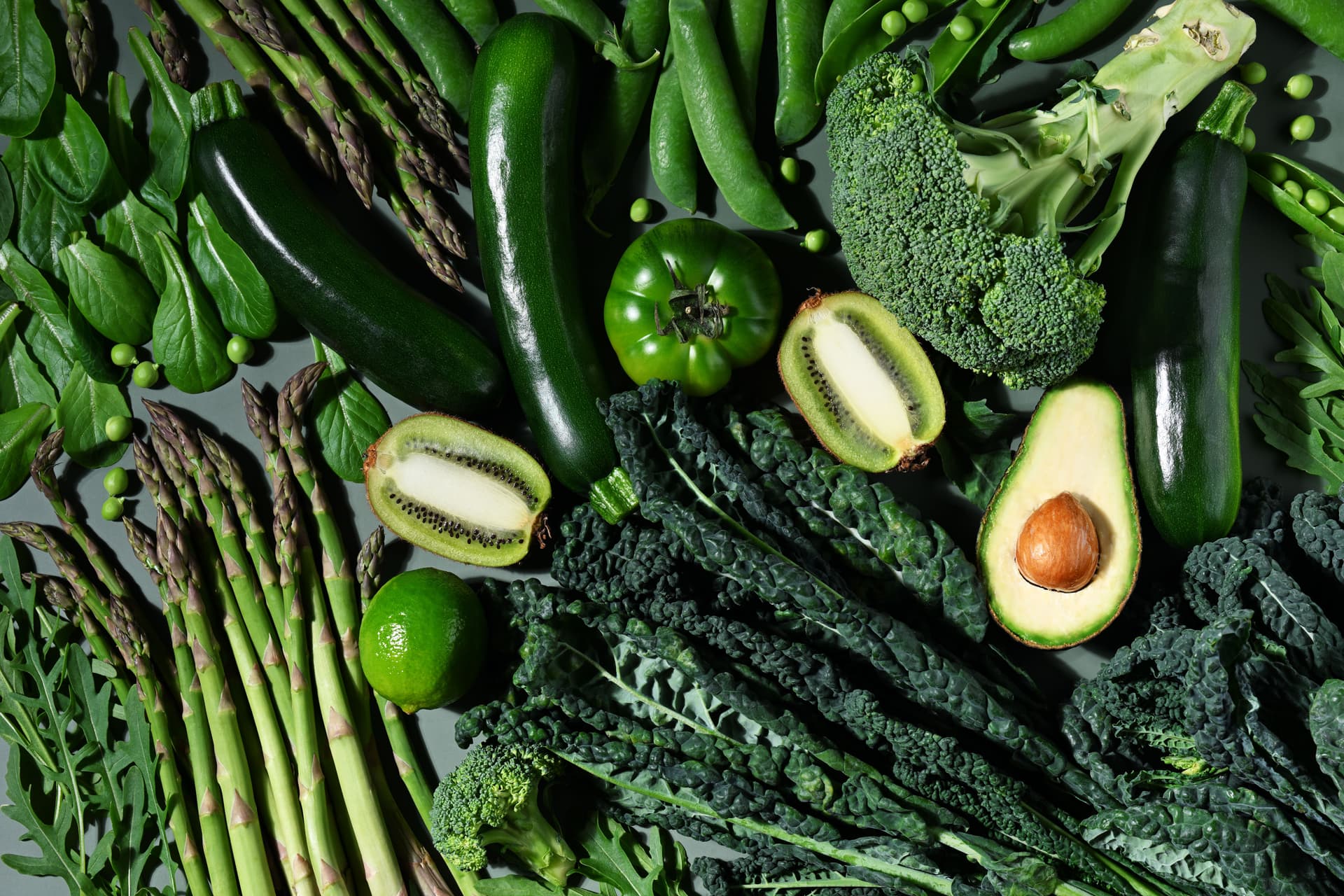
Vitamin K1: Load up on dark leafy greens—spinach, kale, Swiss chard, collard greens, broccoli, Brussels sprouts. These provide K1 for blood clotting function.
Vitamin K2: This is where most people fall short. The richest source is natto, which you can find in Asian grocery stores or online. If natto's strong flavor isn't for you, get K2 from grass-fed butter, ghee, pastured egg yolks, grass-fed cheese (especially aged varieties like Gouda), and organ meats from grass-fed animals.
2. Explore GreenMedInfo's Vitamin K Research Database
Sayer Ji's GreenMedInfo is the world's most widely-cited, evidence-based natural health resource. Their comprehensive database on Vitamin K contains extensive research on bone health, cardiovascular disease, cancer prevention, and inflammatory conditions. This is the arsenal that gives you receipts when the sick care system tells you "there's no evidence." When someone dismisses Vitamin K2 as unimportant, you have hundreds of peer-reviewed studies proving otherwise.
3. Work with a Knowledgeable Healthcare Provider
If you're currently on blood-thinning medications, have a bleeding disorder, or take other medications that might interact with Vitamin K, have an informed conversation with your doctor. Bring the research. Print studies from GreenMedInfo. Don't let anyone dismiss your desire to address root causes instead of managing symptoms indefinitely.
You have the right to informed consent and the right to explore options that support your body's natural healing capacity.
4. Stay Connected to the Movement
Join the MaxLiving community by signing up for MaxLiving's newsletter to stay updated on natural health strategies, upcoming events, and ways to take your health back.
For ongoing access to cutting-edge research, subscribe to GreenMedInfo's free newsletter for the latest peer-reviewed studies on natural medicine delivered directly to your inbox.
**5. Share This Information ** How many people do you know struggling with osteoporosis while taking calcium supplements that aren't working? How many are on statins and blood pressure medications for cardiovascular disease? How many deal with chronic joint pain and inflammation?
Share this article. Share the research. Be the person who introduces someone to healing possibilities they didn't know existed.
Small daily choices add up. Heroes grow here, and sometimes being a hero is as simple as sharing knowledge that could change someone's trajectory from pharmaceutical dependency to natural healing.
About This Research:
All research and information referenced in this article is sourced from GreenMedInfo.com, founded by Sayer Ji. GreenMedInfo is the world's most widely-referenced, open-access, evidence-based natural health resource, containing over 95,000 peer-reviewed study abstracts on natural medicine. Their comprehensive database on Vitamin K includes extensive research, making it one of the most thoroughly studied nutrients in their collection.
Disclaimer: This content is educational and not intended to diagnose, treat, cure, or prevent any disease. Always consult with your healthcare provider before making changes to any health protocol or medication regimen. Vitamin K may interact with blood-thinning medications such as warfarin (Coumadin), so professional guidance is essential before supplementation.
References:
- https://greenmedinfo.com/blog/vitamin-k-missing-link
- https://greenmedinfo.com/blog/calcium-supplement-problem-serious-heart-attack
- https://greenmedinfo.com/blog/how-too-much-calcium-can-break-your-bones
- https://greenmedinfo.com/blog/ongoing-calcium-controversy-overlooking-basics
- https://greenmedinfo.com/article/consumption-vitamin-k2-rich-fermented-soybean-food-products-may-contribute-rel
- https://greenmedinfo.com/article/high-dose-vitamin-k-supplementation-reduces-fracture-incidence-postmenopausal-
- https://greenmedinfo.com/article/vitamin-k-increases-bone-quality-and-reduces-fracture-rates-without-increasing
- https://greenmedinfo.com/article/menaquinone-7-form-vitamin-k2-may-prevent-age-related-bone-loss
- https://greenmedinfo.com/article/vitamins-k2-and-d3-have-protective-effect-prednisolone-induced-loss-bone-miner
- https://greenmedinfo.com/article/natto-rich-source-vitamin-k2-promotes-bone-formation-premenopausal-women
- https://greenmedinfo.com/article/prolonged-intake-fermented-soybean-natto-diets-containing-vitamin-k2-menaquino
- https://greenmedinfo.com/article/dietary-supplementation-fermented-soybeans-suppresses-intimal-thickening
- https://greenmedinfo.com/blog/vitamin-k2-effective-rheumatoid-arthritis
- https://greenmedinfo.com/article/these-results-suggest-menaquinone-7-improves-disease-activity-patients-rheumat
- https://greenmedinfo.com/article/vitamin-k2-preparation-inhibits-development-liver-cancer-patients-type-c-cirrh
- https://greenmedinfo.com/article/vitamin-k2-appears-effective-treatment-myelodysplastic-syndrome-article-1
- https://greenmedinfo.com/article/vitamin-k2-plus-vitamin-d3-are-therapeutic-treatment-anemia-and-thyrombocytope
- http://www.greenmedinfo.com/article/combination-vitamin-k2-and-cotylenin-has-therapeutic-value-treatment-acute-mye
- https://greenmedinfo.com/article/fermented-soy-product-natto-contributes-regeneration-nerve-function-following-
- https://greenmedinfo.com/blog/protect-your-bones-8-natural-osteoprotectives
- https://greenmedinfo.com/substance/vitamin-k
- https://greenmedinfo.com/substance/vitamin-k2


 Facebook
 Instagram
 LinkedIn