


Published: March 16, 2026
Here's something wild: the thing responsible for more American deaths than alcohol consumption isn't found in a pharmacy. It's not a prescription drug shortage or a rare disease. It's something you make for free when you step outside.
Except most of us don't.
You've been trained to fear the sun. Dermatologists tell you to avoid it, slather on sunscreen, and cover up like a vampire. Meanwhile, your body is starving for something only sunlight can properly provide, and the consequences are catastrophic. According to GreenMedInfo, vitamin D deficiency is responsible for almost 13% of deaths in the United States, that's approximately 97 deaths per 100,000 Americans every year!
But calling it a "vitamin" is the first lie. Vitamin D isn't a vitamin at all. It's a steroid hormone. And when you don't have enough of it, your entire body starts breaking down in ways conventional medicine loves to treat with drugs instead of addressing the root cause.
Can Vitamin D Deficiency Cause Death?
Let's start with something that should terrify you: people with the lowest vitamin D levels have a 35% higher risk of death from cardiovascular disease or any cause, including coronary disease, lymphoma, upper digestive cancer, and respiratory disorders. Those with the lowest levels also face a 30% higher risk of non-vascular, non-cancer deaths, and a 14% higher risk of death from cancer.
And here's the part that makes this criminal: the deficiency is everywhere. The same international research team from Cambridge, Oxford, and Harvard estimated that 69.5% of Americans are vitamin D deficient. In Europe, it's even worse—86.4% of the population.
Seven out of ten Americans walk around deficient in something their body desperately needs to survive. And what's the medical establishment's response? Prescribe more drugs for the symptoms while ignoring the root cause.
This isn't conspiracy theory territory. GreenMedInfo—the world's most widely-referenced, evidence-based natural health resource has over 95,000 peer-reviewed study abstracts across all natural health topics. When someone tells you "there's no research" supporting natural approaches to health, they're either lying or ignorant. Sayer Ji has spent over a decade compiling the evidence, and on vitamin D alone, there are 223+ studies proving what ancient wisdom has always known: sunlight is medicine.
What Does Vitamin D Do in the Body?
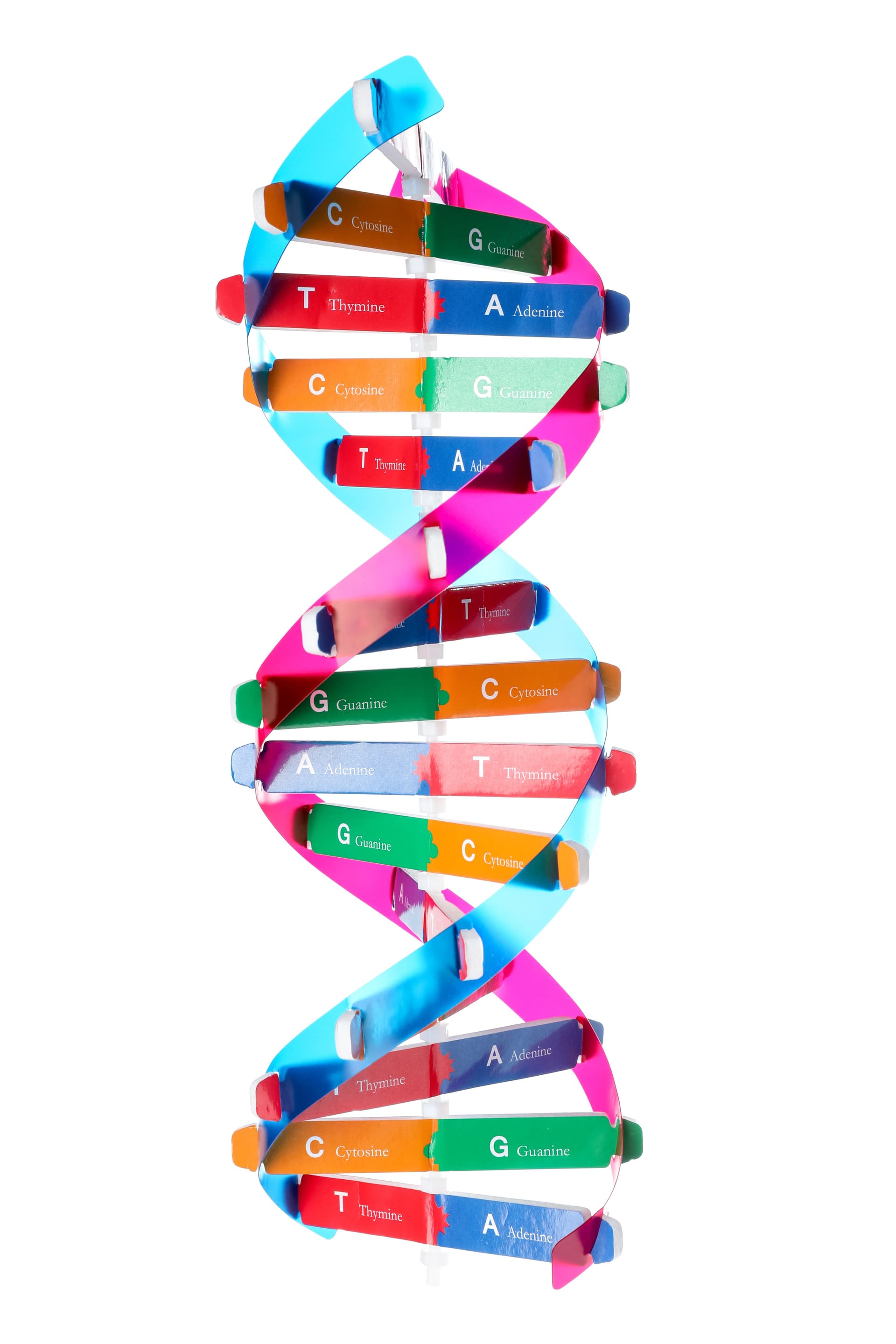
Here's where this gets really interesting. Research shows that the vitamin D receptor complex regulates 3% of the human genome, and about 10% of human genes are directly or indirectly responsive to vitamin D. The effects are far-reaching because bone, blood vessels, brain, breasts, colon, immune, muscle, prostate, and skin cells all express the enzyme that converts vitamin D into its active form.
In other words, vitamin D doesn't just affect your bones. It affects everything.
Approximately 3,000 binding sites for the vitamin D receptor have been found throughout the human genome, indicating vitamin D may regulate about 3% of your entire genetic infrastructure either directly or indirectly. Without adequate vitamin D, your whole genetic system becomes destabilized.
This is God's design at work. Vitamin D influences cellular growth, proliferation, and apoptosis (programmed cell death), as well as immune system functions. It's not a nutrient you can casually be "a little low" in. When vitamin D drops, your body loses its ability to regulate fundamental processes that keep you alive.
Does Vitamin D Boost Your Immune System?
If you're someone who catches every cold, fights off the flu every winter, or deals with chronic infections, listen up. Vitamin D deficiency predisposes you to severe infections because it's intimately connected to both your innate and adaptive immune responses.
Vitamin D modulates your innate immunity through antimicrobial peptides, and it regulates adaptive immunity by influencing T-cells, B-cells, dendritic cells, and macrophages. When you're deficient, your immune system can't mount an effective defense against invading pathogens, and paradoxically, it may also turn against your own tissues.
A randomized, double-blind, placebo-controlled trial in schoolchildren found that vitamin D3 supplementation during winter reduced the incidence of influenza A by 42%. In children who weren't taking other vitamin D supplements, the reduction was even more dramatic—64% fewer cases of flu.
Think about that for a second. A simple, inexpensive supplement that your body makes naturally from sunlight cut flu cases nearly in half. No vaccine required. No side effects. Just supporting the body's natural design.
And it's not just the flu. Indications show the remarkable seasonality of epidemic influenza is intimately linked to vitamin D production triggered by solar radiation. Vitamin D stimulates the expression of potent antimicrobial peptides that exist in neutrophils, monocytes, natural killer cells, and in epithelial cells lining your respiratory tract—your first line of defense against infection.
Can Vitamin D Help Autoimmune Disease?
Here's something that should be all over the news but isn't: vitamin D supplementation reduces the incidence of autoimmune disease by 22%. This comes from the VITAL trial—a massive, randomized, double-blind, placebo-controlled study involving over 25,000 adults who took 2,000 IU of vitamin D daily for five years.
Twenty-two percent reduction in autoimmune disease. From a hormone your body makes for free.
And it gets better. Following children from birth, researchers found that individuals who received vitamin D supplements during infancy had an almost 90% lower risk of developing type 1 diabetes. Another study showed a 62% lower risk of developing multiple sclerosis in individuals with the highest vitamin D concentrations compared to those with the lowest.
For people already living with autoimmune conditions, the results are equally compelling. High-dose vitamin D dramatically improved lesions in patients with psoriasis and vitiligo—two conditions conventional medicine considers incurable. In patients with rheumatoid arthritis at remission, vitamin D supplementation significantly reduced recurrence rates.
Why? Because vitamin D deficiency is implicated in the pathophysiology of autoimmune responses. Vitamin D regulates immune tolerance, helping your body distinguish between foreign invaders and your own tissues. When you're deficient, that distinction blurs, and your immune system starts attacking you.
When you optimize vitamin D and avoid pharmaceutical immunosuppressants as a result, you're reducing your toxic load—one less drug your body has to metabolize, one less side effect to manage. One less step away from how God designed you to function.
Does Vitamin D Prevent Cancer?
Now we're getting into territory that makes pharmaceutical companies very nervous.
A pooled analysis of over 2,300 women found that participants with vitamin D levels of 40 ng/mL or higher had a 67% lower risk of invasive cancer compared to those with levels below 20 ng/mL. Sixty-seven percent. From optimizing one hormone.
For colorectal cancer specifically, the evidence is even more striking. A meta-analysis of 50 peer-reviewed studies found that women with the highest vitamin D levels from the Nurses' Health Study had a 58% lower risk of developing colorectal cancer. The same research showed up to a 33% reduction in precancerous polyps among those with higher vitamin D intake.
How does vitamin D wield such power against cancer? Multiple mechanisms: it has anti-inflammatory effects that create a less hospitable environment for tumor growth, it enhances immune surveillance against abnormal cells, it promotes apoptosis in damaged or cancerous cells, and it can block the formation of new blood vessels that tumors need to grow and spread.
For cancer patients already in treatment, vitamin D supplementation reduced the risk of death to approximately one-third in digestive tract cancer patients with high PD-L1 levels. These patients received 2,000 IU daily of vitamin D3—a dose you can get from 20 minutes of midday sun exposure.
Compare that to chemotherapy's track record. Same disease. Natural compound. Better outcomes. Zero hair loss, nausea, or immune destruction.
How Does Vitamin D Affect the Nervous System?
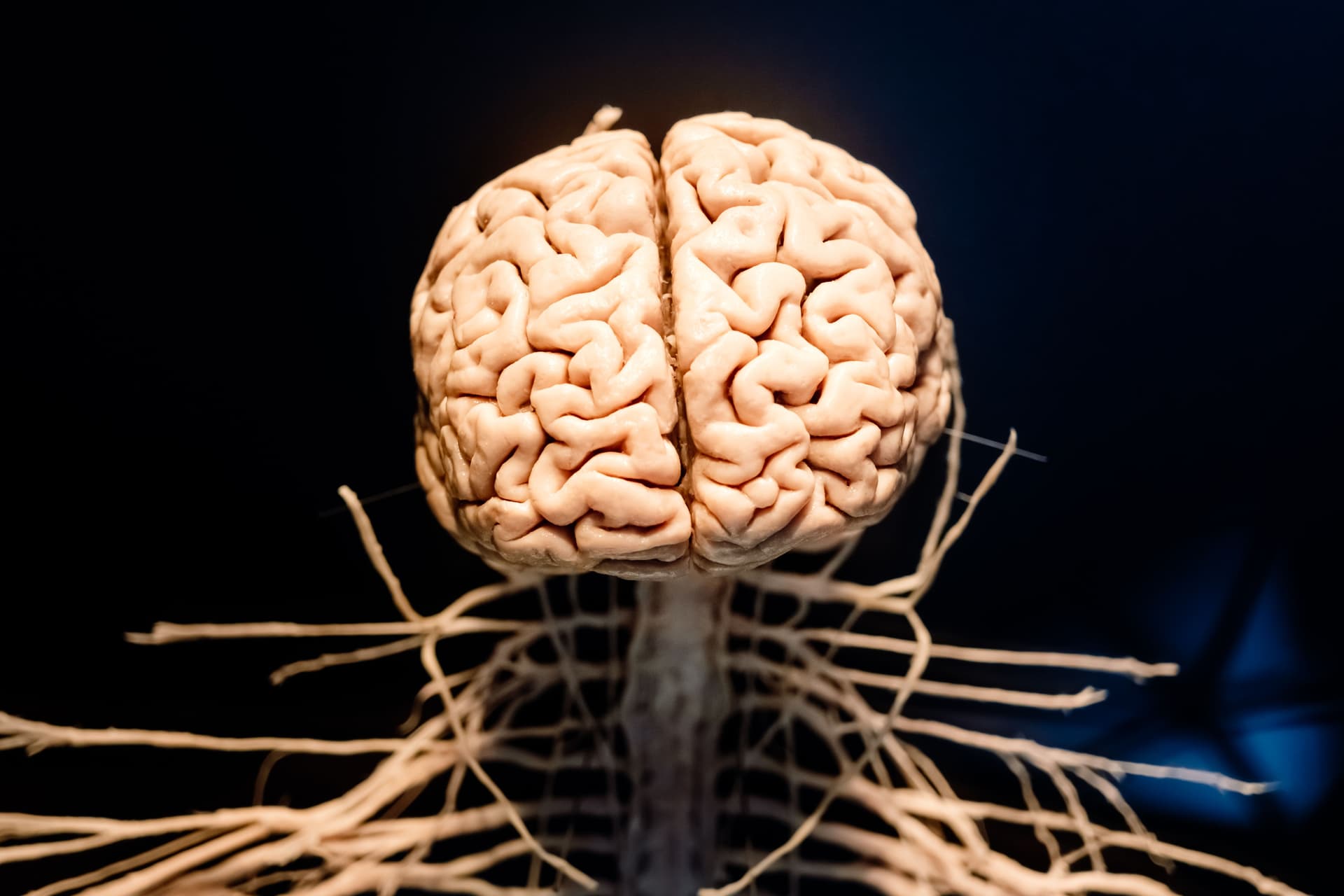
Calcium mobilization—which vitamin D directly regulates—is essential for muscle contractions, nerve impulses, cell signaling, blood clotting, and catalyzing hundreds of enzymatic reactions throughout your body. Without adequate vitamin D, calcium can't do its job, and your nervous system can't communicate properly.
This is foundational. Your spine can be perfectly aligned, subluxations corrected, but if your body lacks the vitamin D needed for proper nerve signal transmission, you're still operating with interference.
For patients with multiple sclerosis, the connection is undeniable. Vitamin D levels are significantly lower in MS patients than in healthy controls, and the level is inversely correlated with disability—meaning the lower your vitamin D, the worse your MS symptoms. The research showed this relationship was particularly pronounced in progressive forms of MS.
But here's the hopeful part: high-dose vitamin D supplementation significantly improved mental quality of life in patients with relapsing-remitting multiple sclerosis after just three months. These patients took 50,000 IU every five days while continuing their conventional treatments, and their quality of life measurably improved.
The research on vitamin D's neuroprotective properties extends beyond MS. Vitamin D receptors are abundant in brain tissue, and the hormone influences neurotransmitter synthesis, nerve growth, and protection against oxidative stress in neural tissue. This is why deficiency is implicated in cognitive decline, depression, and neurodegenerative diseases.
For pregnant women, the stakes are even higher. Vitamin D during pregnancy is critical for fetal development because genes control much of what happens during that process, and vitamin D controls gene expression. In a clinical trial in South Africa, pregnant women needed 4,000-6,000 IU daily to reach optimal levels—levels associated with dramatically lower risks of preterm delivery, preeclampsia, gestational diabetes, and cesarean delivery.
And for maternal mental health, low vitamin D during pregnancy significantly increases the risk of postpartum depression. Women in the lowest quartile for vitamin D status were more likely to report higher levels of postnatal depression symptoms than women in the highest quartile, even after accounting for season of birth, body mass index, and sociodemographic factors.
Your nervous system, the master controller of every function in your body, depends on vitamin D to work properly. You can't have optimal nerve function without optimal vitamin D.
Is Vitamin D Good for Your Heart?
Heart disease is the leading cause of death in America, and conventional medicine's answer is statins, blood pressure medications, and invasive procedures. But what if the real problem is simpler?
With elderly patients, it was found that those with the lowest vitamin D levels had a 5.38 times higher risk of cardiovascular mortality compared to those with adequate levels. Even after adjusting for age, sex, diabetes, smoking status, hypertension, cholesterol, kidney function, and waist-to-hip ratio, the increased risk remained significant.
Five times higher risk of dying from heart disease. From a deficiency that costs nothing to fix.
The same research analyzing over 30,000 participants found that vitamin D3 supplementation reduced the risk of premature death by 11%. That might not sound dramatic until you realize we're talking about all-cause mortality—death from anything. An 11% reduction in your overall risk of dying, simply from optimizing one hormone.
And here's a critical distinction: vitamin D3 supplementation reduced the risk of premature death by 11%, while vitamin D2 had no effect on mortality. In some cases, vitamin D2 supplementation actually increased mortality risk. This matters because many prescription vitamin D supplements and fortified foods use the inferior D2 form.
Is Sunlight Better Than Vitamin D Supplements?
Here's something that will blow your mind: sunlight has health benefits independent of vitamin D that cannot be reproduced by oral supplementation.
That's right. You can't just pop a pill and call it good.
Exposure to sunlight reduces pain in post-operative patients, burns subcutaneous fat, improves nighttime alertness, and provides cardiovascular benefits that vitamin D supplements alone cannot replicate. A Swedish study following 38,000 women for 15 years found that sun exposure was associated with significant reductions in all-cause mortality and cardiovascular mortality.
Even more interesting: while intermittent sun exposure was correlated with a 60% increased risk of melanoma, chronic sun exposure was actually protective against this most fatal form of skin cancer.

The sun isn't trying to kill you. The sun is literally keeping you alive. Our biological dependence on sunlight is so profound that the variation in human skin color from African melanin-saturated dark skin to Caucasian lighter skin is a direct result of our ancestors migrating to higher latitudes with less sun exposure. The body rapidly removed its natural "sunscreen"—melanin—to compensate for lower sunlight availability, because without adequate vitamin D production, our entire genetic infrastructure becomes destabilized.
Even your food can become a vitamin D source through sunlight. Mushrooms placed in sunlight dramatically increase their vitamin D2 content. Sliced and dried mushrooms—even ones picked a year before—will soar in vitamin D when placed outdoors under the sun. The high vitamin D levels generated will last for more than a year.
How to Support Vitamin D Deficiency Naturally
Let's connect the dots here. You just read about a single hormone—something your body makes for free—that affects mortality rates, autoimmune disease, cancer risk, immune function, nervous system health, cardiovascular disease, and pregnancy outcomes. One compound. Dozens of life-or-death implications.
And the medical establishment's response? "Stay out of the sun and take our prescription."
This is the difference between sick care and true health. Sick care treats symptoms with patented drugs while ignoring why the problem exists in the first place. True health asks: what is your body designed to work with, and what's interfering with that design?
Vitamin D deficiency isn't a pharmaceutical deficiency. It's a sunlight deficiency. A lifestyle deficiency. A departure from how human beings lived for millennia before we started spending 90% of our time indoors under artificial light.
Your body knows what to do with sunlight. It's been doing it since creation. Thirty minutes outside triggers a cascade of biological processes that no pill can replicate—vitamin D production, circadian rhythm regulation, nitric oxide release for cardiovascular health, mood enhancement, fat metabolism. This is intelligent design at work.
When Sayer Ji and his team at GreenMedInfo compiled 223+ studies on vitamin D, they weren't discovering anything new. They were documenting what God built into our biology from the beginning. The research simply confirms what should be obvious: we're designed to live in harmony with natural rhythms, not in opposition to them.
This is why the partnership between us at MaxLiving and GreenMedInfo matters. You need both truth and proof. Truth without evidence gets dismissed as wishful thinking. Evidence without truth becomes just another manipulation tool for the pharmaceutical industry.
But when you combine them—when you understand that your body possesses unlimited healing capacity AND you have peer-reviewed research proving it—you become dangerous to the sick care system. You stop being a compliant patient and start being an empowered health advocate for yourself and your family.
The choice is yours. You can keep letting dermatologists terrify you about the sun while you pop synthetic vitamin D2 prescriptions that don't work. Or you can step outside, let your skin do what it was designed to do, and reclaim the health that's your birthright.
The research is here. The truth is clear. What you do with it determines everything.
What You Can Do: Take Action Today
1. Get Smart Sunshine
Aim for 15-30 minutes of midday sun exposure on bare skin several times per week, without sunscreen. The sun is strongest between 10 AM and 2 PM—exactly when you've been told to avoid it. Start slowly if you're not accustomed to sun exposure, and never burn. Your skin should turn slightly pink, then stop. Darker skin requires longer exposure to produce the same amount of vitamin D.
2. Supplement Strategically
If you're looking for therapeutic-grade vitamin D3 supplementation, try our Vitamin D3 + K2 5000 IU specifically formulated to support immune function, bone health, and cardiovascular wellness. The addition of vitamin K2 ensures calcium is directed to bones and teeth rather than soft tissues, addressing one of the primary concerns with high-dose vitamin D. This formula provides the bioavailable D3 form your body recognizes, not the inferior D2 found in most prescription versions.
Most adults need between 2,000-5,000 IU daily to maintain optimal levels, though some require more based on body weight, skin tone, geographic location, and current deficiency status. Work with a healthcare provider who understands functional ranges, not just pharmaceutical minimums.
3. Eat Vitamin D-Rich Foods
Include wild-caught fatty fish (salmon, sardines, mackerel), pastured egg yolks, grass-fed beef liver, and mushrooms exposed to UV light. While food alone rarely provides therapeutic doses, it supports overall nutrient synergy and provides cofactors that help vitamin D function optimally.
4. Explore GreenMedInfo's Vitamin D Research
Sayer Ji's GreenMedInfo is the world's most widely-cited, evidence-based natural health resource. Visit their vitamin D research page to explore the 223+ studies on therapeutic applications. Whether you're dealing with autoimmune disease, cardiovascular concerns, cancer prevention, or immune optimization, their database contains peer-reviewed research specific to your needs.
This is the arsenal that gives you receipts when the sick care system tells you "there's no evidence."
5. Stay Connected to the Movement
Join the MaxLiving community by signing up for MaxLiving's newsletter to stay updated on natural health strategies, upcoming events, and ways to take your health back. For ongoing access to cutting-edge research, also subscribe to GreenMedInfo's free newsletter for the latest peer-reviewed studies on natural medicine.
6. Share This Information
How many people do you know who are constantly sick, fighting autoimmune disease, struggling with depression, or managing heart disease with multiple medications? Share this article. Share the research. Be the person who introduces someone to healing possibilities they didn't know existed.
Small daily choices add up. Heroes grow here, and sometimes being a hero is as simple as stepping outside into the sunshine God created for your healing, and sharing what you've learned with someone who needs hope.
About This Research:
All research and information referenced in this article is sourced from GreenMedInfo.com, founded by Sayer Ji. GreenMedInfo is the world's most widely-referenced, open-access, evidence-based natural health resource, containing over 95,000 peer-reviewed study abstracts on natural medicine. Their comprehensive database on vitamin D includes 223+ studies, making it one of the most extensively researched hormones in their collection.
Disclaimer: This content is educational and not intended to diagnose, treat, cure, or prevent any disease. Always consult with your healthcare provider before making changes to any health protocol or medication regimen. High-dose vitamin D supplementation should be monitored by a qualified healthcare professional, as excessive levels can lead to hypercalcemia. Vitamin D may interact with certain medications, so professional guidance is essential.
References:
- https://greenmedinfo.com/blog/13-us-deaths-attributed-low-vitamin-d-levels
- https://greenmedinfo.com/substance/vitamin-d
- https://greenmedinfo.com/blog/high-dose-vitamin-d-dramatically-improves-psoriasis-and-vitiligo
- https://greenmedinfo.com/article/vitamin-d-prevention-and-treatment-covid-19-current-perspective-and-future-pro
- https://greenmedinfo.com/article/vitamin-d-supplementation-effective-preventing-seasonal-influenza-schoolchildr
- https://greenmedinfo.com/article/vitamin-d-deficiency-associated-susceptibility-influenza
- https://greenmedinfo.com/blog/its-official-vitamin-d-reduces-incidence-autoimmunity
- https://greenmedinfo.com/article/decreased-level-vitamin-d-risk-factor-recurrence-rheumatoid-arthritis
- https://greenmedinfo.com/article/autoimmune-disease-and-interconnections-vitamin-d
- https://greenmedinfo.com/content/new-meta-analysis-shows-vitamin-slashes-colorectal-cancer-risk-58
- https://greenmedinfo.com/content/vitamin-d-supplements-reduces-all-cause-death-risk-digestive-tract-cancer-pati
- https://greenmedinfo.com/article/vitamin-d-levels-are-frequently-low-those-multiple-sclerosis
- https://greenmedinfo.com/article/mental-quality-life-improved-significantly-after-taking-high-dose-vitamin-d-3-
- https://greenmedinfo.com/blog/review-benefits-vitamin-d-and-recommendations
- https://greenmedinfo.com/article/women-lowest-quartile-25oh-vitamin-d-status-were-more-likely-report-higher-lev
- https://greenmedinfo.com/article/lower-vitamin-d-levels-are-associated-all-cause-mortality-and-even-more-pronou
- https://greenmedinfo.com/blog/sunlight-and-vitamin-d-they-re-not-same-thing
- https://greenmedinfo.com/blog/5-amazing-properties-sunlight-youve-never-heard-about
- https://greenmedinfo.com/blog/place-mushrooms-sunlight-get-your-vitamin-d
- https://greenmedinfo.com/newsletter
- https://link.maxliving.com/ngs/81579/DDgnDdTxRfeeprPgMJsC
- https://shop.maxliving.com/products/vitamin-d3-k2


 Facebook
 Instagram
 LinkedIn