


Published: May 29, 2026
You know that feeling when you're standing in the produce aisle, staring at a pile of "organic" spinach that's been trucked 2,000 miles, wondering if you're actually doing anything good for your body? Or when you scan a protein bar labeled "all natural" and discover it contains seventeen ingredients you can't pronounce?
Welcome to the modern food system—a carefully engineered maze designed to confuse you just enough that you keep buying things that look like food but don't actually nourish you the way nature can..
Here's what nobody's telling you: the food your grandparents ate isn't the same food sitting on supermarket shelves today. Not even close. A 2024 study tracking nutrient changes across common produce found declines of 16–76% in key minerals since the mid-20th century. That spinach? It contains a fraction of the iron it did in 1950. Those tomatoes? They've lost most of their vitamin C during the week-long journey from California to your cart.
But here's the good news—you're not powerless. A new generation of apps, farmer networks, and wellness-focused chiropractors are giving families the tools to source real food, decode misleading labels, and take back control of what goes into their bodies.
Let's start with what's actually broken, then hand you the tools to fix it.
Why Is Fresh Produce Losing Nutrients Before You Buy It?
That bag of spinach in your fridge? It's already dying.
The moment produce is harvested, nutrient degradation begins—and the losses are staggering. Research published in the Journal of Food Composition and Analysis measured vitamin C in raw spinach and found a 29% loss after just one day of refrigeration and a 94% loss after seven days. Broccoli lost 68% of its vitamin C in that same week.
Now consider this: conventional supermarket supply chains routinely put five to fourteen days between the field and your shopping cart. That "fresh" spinach has been on a refrigerated truck longer than some people's vacations. By the time you buy it, you're getting a shadow of what it should be.

Farmer's market spinach picked that morning? That's not the same food. It's not even close.
And it's not just about nutrients. The environmental impact of shipping food across continents is massive. A landmark 2022 study in Nature Food found that food transport accounts for roughly 19% of total food-system emissions—three to seven times higher than previous estimates. High-income nations, with just 12.5% of the global population, generate 46% of those food-miles emissions.
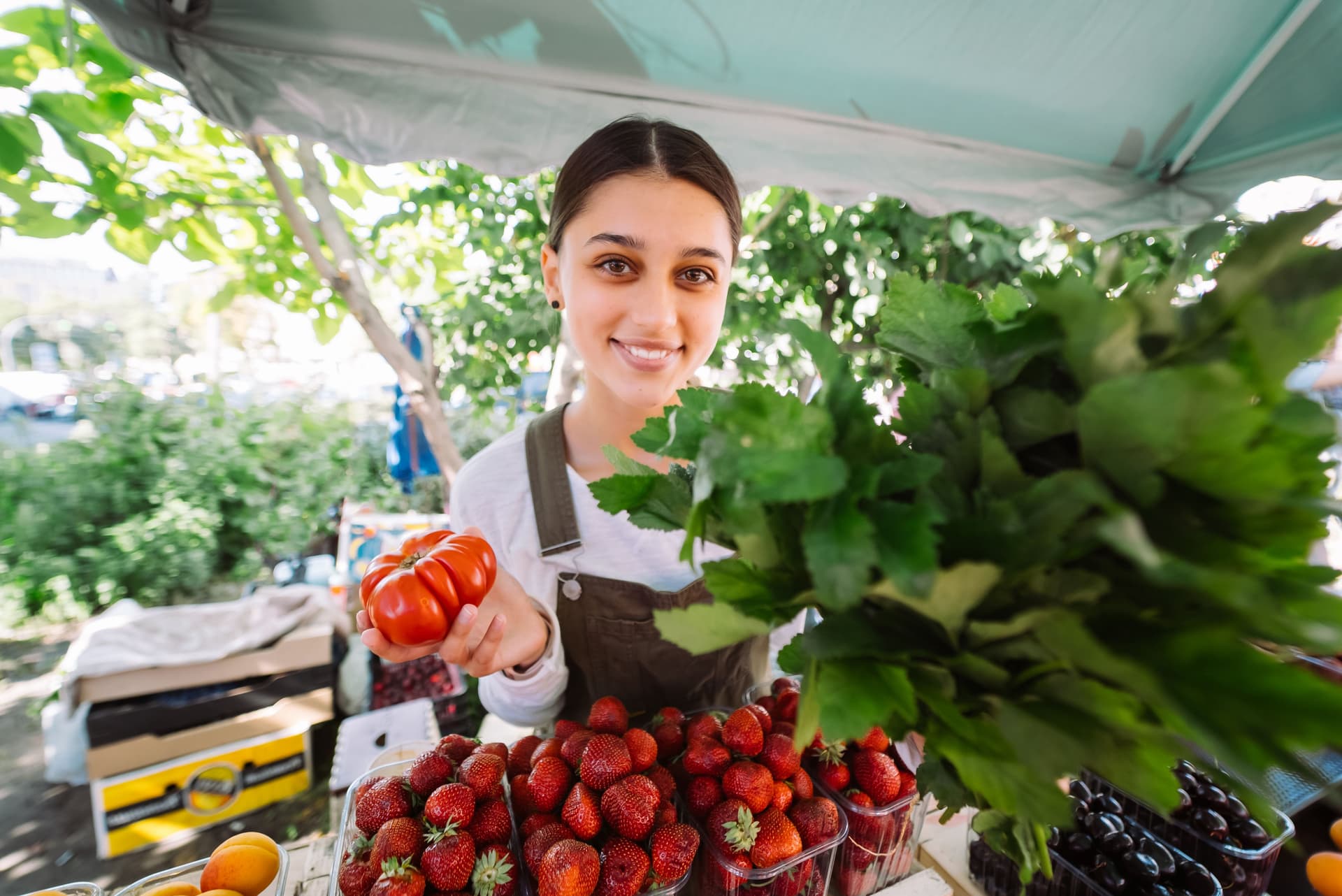
Buying from the farmer twelve miles away isn't just symbolic. It's one of the few individual choices with measurable climate impact—and it keeps your money circulating in your own community. The USDA Economic Research Service documents local-food multipliers of $1.32 to $1.90 per dollar spent, meaning that $20 bag of carrots at your Saturday market reroutes up to $18 of additional economic activity into your county instead of distant corporate supply chains.
Fresh isn't a marketing term. It's a nutritional reality.
Is Organic Really Better Than Conventional Produce?
Let's talk about what "organic" actually means—because it's not just a philosophy or a lifestyle choice. It's chemistry.
The most rigorous comparative analysis on organic versus conventional produce remains the Newcastle University-led meta-analysis of 343 peer-reviewed studies. Researchers found organic crops carried 18–69% higher concentrations of polyphenolic antioxidants, 48% lower cadmium, and four times fewer pesticide residues than conventional produce.
Four times fewer pesticides. Not "a little less." Four times.
The USDA's Pesticide Data Program 2023 Annual Summary tested 9,832 samples and detected residues on the majority of conventional produce even after washing. The Environmental Working Group's 2024 Shopper's Guide, analyzing 47,510 USDA and FDA samples, found that 95% of "Dirty Dozen" items carried pesticide residues, with 254 different pesticides detected across all produce. Strawberries, spinach, kale, grapes, and peaches topped the contamination list.
Here's where it gets personal: a 2024 CDC biomonitoring analysis found detectable glyphosate—the herbicide Roundup—in 70–81% of the U.S. population. The study confirmed diet as the dominant exposure route. You're not just eating food. You're eating the chemicals sprayed on the food.
The World Health Organization's cancer research arm classified glyphosate as "probably carcinogenic to humans" back in 2015. U.S. regulators still dispute that label, but your body doesn't care about regulatory debates. It cares about what you're putting into it.
A November 2024 systematic review in Toxicology Reports linked chronic pesticide exposure to cancer, Parkinson's disease, Alzheimer's, ALS, endocrine disruption, and metabolic and cardiovascular disease—working through oxidative stress, hormone signaling interference, and mitochondrial dysfunction.
You can't avoid every toxin in the modern world, but you can dramatically reduce your exposure by choosing organic produce—especially for the Dirty Dozen items—and sourcing from farmers who prioritize soil health and regenerative practices over chemical dependence.
What Are Ultra-Processed Foods and Why Are They So Dangerous?
Forget the calorie-counting debates. Forget low-fat versus low-carb. The single most important nutrition finding of 2024 was a massive umbrella review published in the BMJ that analyzed 45 meta-analyses covering nearly 10 million participants.
The conclusion? Higher ultra-processed food (UPF) intake is linked to 32 adverse health outcomes, including a roughly 50% greater risk of cardiovascular death, 48–53% higher risk of anxiety and common mental disorders, 12% increased risk of type 2 diabetes, 22% higher depression risk, and 21% increase in all-cause mortality.
This isn't correlation masquerading as causation. Researchers at the NIH Clinical Center ran a controlled metabolic-ward trial where they matched ultra-processed and unprocessed diets for calories, sugar, fat, fiber, and sodium—then fed each to twenty adults for two weeks. Participants on the UPF diet ate 508 extra calories per day and gained about 0.9 kg. They lost equal weight on the whole-food diet.
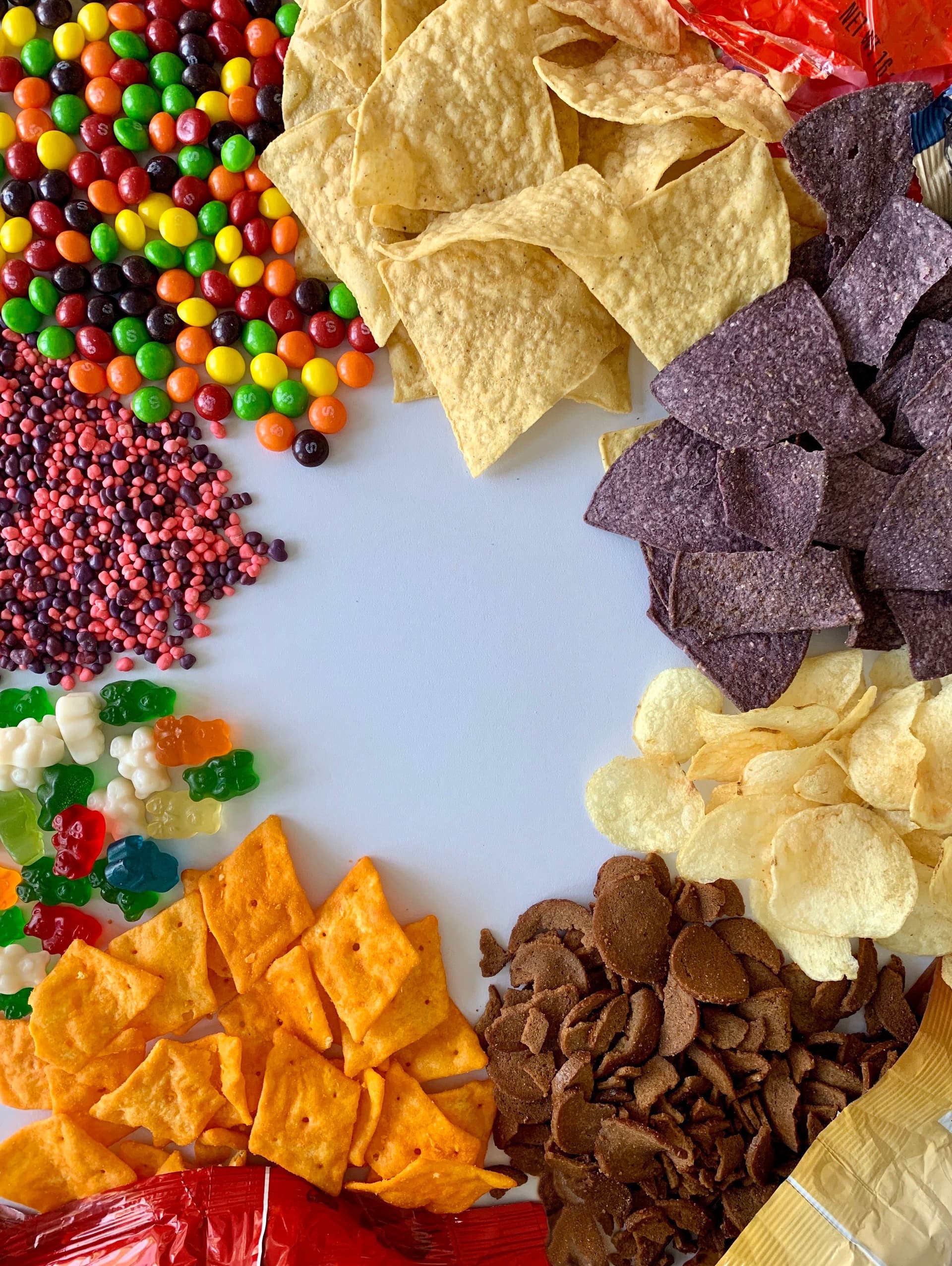
The food itself drove the overeating, independent of macronutrients. The industrial processing—the additives, the emulsifiers, the artificial sweeteners, the "natural flavors"—hijacks your satiety signals and makes you overeat without realizing it.
And the additives aren't innocent. A randomized controlled-feeding study gave healthy adults 15 grams per day of carboxymethylcellulose—the emulsifier common in salad dressings, ice creams, and meal-replacement shakes—for eleven days. The additive perturbed gut bacteria, suppressed short-chain fatty acid production, and in two of seven subjects caused bacteria to breach the normally sterile intestinal mucus layer—a hallmark of inflammatory bowel disease.
Artificial sweeteners behave similarly. A 2022 trial found that saccharin and sucralose, at doses below the acceptable daily intake, impaired blood sugar responses in healthy adults—and fecal transplants into germ-free mice reproduced the effect, proving the microbiome was the mediator.
Even titanium dioxide—a white coloring agent still legal in U.S. candy, baked goods, and supplements—was banned as a food additive across the European Union in 2022 after regulators concluded its nanoparticle fraction posed genotoxicity risks they couldn't rule out.
Your body wasn't designed to process lab-created molecules. When you flood your system with additives, emulsifiers, and synthetic ingredients, you're not just eating poorly—you're actively disrupting the divine design of your gut microbiome, your metabolism, and your cellular function.
You can't heal what you keep poisoning.
Why Is Food Less Nutritious Than It Used to Be?
Even when you're buying "real food," there's a deeper problem: the food itself isn't as nutrient-dense as it used to be.
A 2024 peer-reviewed analysis in Foods quantified multi-decade nutrient declines in staple crops and tied them to high-yield cultivars, intensive fertilization, soil biodiversity loss, and elevated atmospheric CO₂. Compared to mid-20th-century values, modern produce now averages 29–49% less sodium, 16–46% less calcium, 24–27% less iron, 20–76% less copper, and 27–59% less zinc.

Eighty percent of that nutrient dilution has accumulated in just the last 30–40 years.
Your vegetables are not what your grandparents ate. Industrial agriculture prioritized yield over nutrition, and the result is produce that looks the same but delivers a fraction of the minerals and vitamins your body needs.
This is why sourcing matters. Farmers who practice regenerative agriculture, build soil health, rotate crops, and avoid chemical dependence are growing food that's closer to what God intended. You're not just buying tomatoes. You're buying the soil those tomatoes grew in—and that soil determines what those tomatoes can give you.
Raw Milk and A2 Dairy: The Honest Conversation No One Wants to Have
Few food choices polarize like raw milk, and MaxLiving patients ask about it constantly. So let's have the honest conversation—and introduce you to the A2 distinction that changes everything.
First, the raw milk benefits. A 2024 Journal of Dairy Science study found that standard pasteurization significantly reduces lactoferrin, immunoglobulins A and M, xanthine oxidase, and milk-fat-globule-membrane proteins—the bioactive immune-signaling components that raw-milk advocates prize.

Long-running European studies found that unprocessed farm-milk consumption in early childhood is associated with roughly 40% lower risk of asthma, hay fever, and atopic sensitization—and that the protection disappears when milk is boiled, implicating heat-labile whey proteins as the active agents. The landmark Amish-versus-Hutterite study showed Amish children—who drink raw milk and live on traditional dairies—have four times less asthma and six times less allergic sensitization than genetically similar Hutterite children on industrial farms.
But here's the reality check on safety: a July 2025 CDC report documented a Salmonella Typhimurium outbreak across five states linked to commercially distributed California raw milk—171 cases, 70% of them children, and 82% of hospitalizations in patients under 18.
And then there's H5N1 bird flu. A May 2024 study showed that mice fed raw milk from H5N1-infected dairy cows became severely ill, while pasteurization inactivated the virus by more than 4.5 log units. A 2025 Nature Medicine study demonstrated that H5N1 persists infectiously in raw milk at refrigerator temperature for at least eight weeks, prompting voluntary California recalls after multiple retail raw-milk samples tested positive.
The honest summary on raw milk: it retains bioactive proteins and is linked in observational research to lower childhood allergy risk, but it also carries concentrated, well-documented pathogen risk that falls heaviest on children. If you choose raw milk, source only from small, transparent operations in states where it's legal, verify herd-level H5N1 testing, and keep it out of the diets of infants, pregnant women, and immunocompromised family members.
But here's the game-changer most people don't know about: A2 milk.
Most commercial dairy cows in the United States produce A1 beta-casein protein. When you digest A1 milk, it breaks down into a peptide called beta-casomorphin-7 (BCM-7), which has been linked to digestive discomfort, inflammation, and the very symptoms people blame on "lactose intolerance." Many people who think they can't tolerate dairy are actually reacting to A1 protein, not lactose.
A2 milk—which comes from cows that naturally produce only A2 beta-casein—doesn't create BCM-7 during digestion. It's the original milk protein that all cows produced thousands of years ago, before a genetic mutation introduced A1 into European cattle breeds. Goats and sheep naturally produce A2 milk, which is why many people who struggle with cow's milk have zero issues with goat or sheep dairy.
Research published in Nutrition Journal found that participants who experienced digestive discomfort with conventional A1 milk had significantly reduced symptoms when switched to A2 milk—even though both contained lactose. A separate study in the journal Nutrients confirmed that A2 milk consumption reduced gastrointestinal symptoms and inflammatory markers compared to conventional A1 milk.
If raw milk isn't legal in your state, isn't accessible, or feels too risky given the current H5N1 situation, A2 dairy is your next-best option. Look for A2-labeled milk in the refrigerated section (brands like a2 Milk Company are now widely available), or source from local farms raising heritage breeds like Guernsey, Jersey, or Brown Swiss cows that are more likely to be A2. Even better, explore goat milk and sheep milk from local dairies—both are naturally A2, easier to digest, and carry a nutrient profile closer to human milk than conventional cow dairy.
The Weston A. Price Foundation's Real Milk legal map tracks state-by-state raw milk legality, and GetRawMilk.com maintains a global directory of more than 7,000 farms, retailers, and buying clubs searchable by species, A2 status, and RAWMI risk-management certification. Many of these farms also offer goat and sheep milk—your digestive system will thank you.
Fermented Foods: The Microbiome Reset That Actually Works
Here's the flip side of the additive disaster: whole foods—especially fermented ones—visibly rewire your gut bacteria.
A randomized ten-week trial by Stanford researchers published in Cell had adults eat six daily servings of fermented foods—yogurt, kefir, kimchi, kombucha, fermented vegetables. The result? Measurable increases in gut microbiome diversity and decreases in 19 inflammatory proteins, including IL-6. A high-fiber diet without fermented foods didn't shift diversity in the same timeframe.
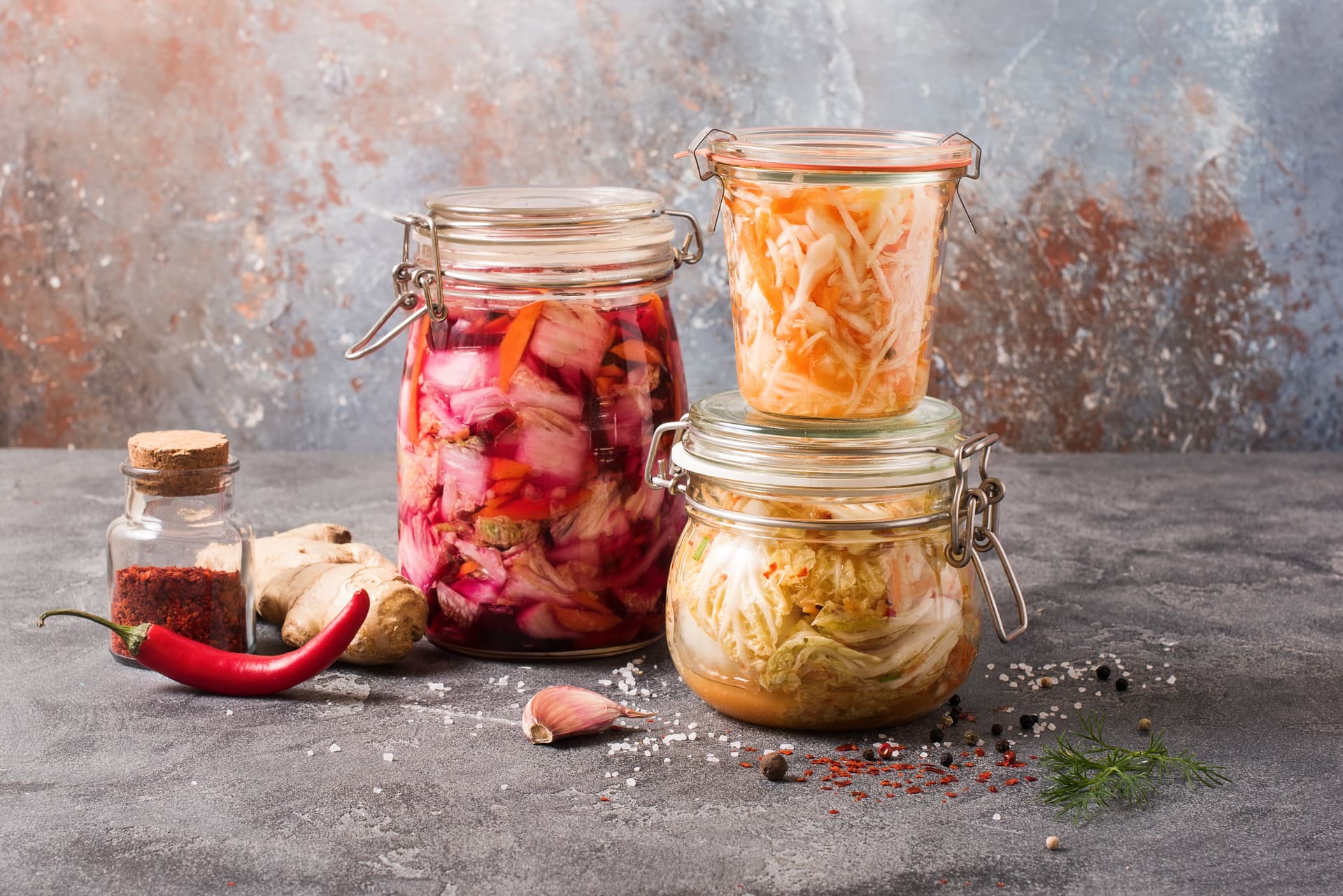
The practical implication: farmer's-market sauerkraut, local raw-milk kefir where legal, and small-batch fermented vegetables move biomarkers in weeks, not years.
Your gut bacteria are the interface between the food you eat and the inflammation—or healing—your body experiences. Feed them processed junk, and they produce inflammatory signals. Feed them living, fermented foods, and they produce short-chain fatty acids that reduce inflammation, improve insulin sensitivity, and support your immune system.
This is nutrition as designed—living food feeding living bacteria that support living tissues.
The Seed Oil Debate: Are Seed Oils Bad for You?
Seed oils deserve a candid take because the internet has turned them into a moral panic.
The dominant 2024–2025 peer-reviewed literature, including a comprehensive review in Lipids in Health and Disease, concludes that dietary linoleic acid from seed oils is associated with roughly 15% lower coronary heart disease risk and 21% lower cardiovascular mortality—and does not raise inflammatory markers like CRP, IL-6, or TNF-α at typical intakes.

So why the hysteria? The strongest case against seed oils isn't linoleic acid itself—it's the oxidized lipid products that form when polyunsaturated oils are repeatedly heated in restaurant fryers, and the fact that most Americans encounter seed oils embedded in ultra-processed foods where the seed oil is correlated with, but not necessarily causing, the harm.
Minimize seed oils in the context of ultra-processed foods and fried restaurant meals, lean on stable cooking fats like grass-fed butter, ghee, tallow, avocado oil, olive oil, and coconut oil, and prioritize whole-food sources of fat.
It’s not about demonizing every molecule of linoleic acid, but avoiding the industrial processing and oxidation that turns neutral fats into inflammatory triggers.
What Are the Best Apps to Scan Food Ingredients and Find Healthy Restaurants?
Here's where we get tactical. A new generation of food-sourcing and ingredient-decoding tools matured in 2024–2025, and they're the most useful handoff for any reader serious about taking control.
For restaurants that avoid industrial seed oils, the paid app Seed Oil Scout (iOS and Android, ~$9/month) now lists more than 35,000 community-verified establishments with a blue-check "Seed Oil Safe" designation, grass-fed and organic filters, and pre-written email templates for querying unlisted restaurants. Its free alternative, Local Fats, launched in 2024 as a mobile-responsive web app with 5,000+ listings across 60+ countries, filterable by specific cooking fat—tallow, butter, ghee, duck fat, olive, avocado, coconut.

For ingredient decoding at the grocery store, the French-built barcode scanner Yuka has become the category leader with roughly 76–80 million global users. It rates four million food products and two million cosmetics on a 0–100 scale (60% nutrition, 30% additives, 10% organic) and suggests healthier alternatives. You scan a granola bar, it tells you exactly what's wrong with it, and it shows you three better options on the same shelf.
Bobby Approved, built by FlavCity's Bobby Parrish, takes a simpler thumbs-up/thumbs-down approach, flagging more than 100 ingredients—seed oils, "natural flavors," artificial sweeteners, preservatives—and surfacing healthier swaps at Costco, Whole Foods, and ALDI.
Fig takes a different angle entirely—it's designed for people managing food allergies, intolerances, and dietary restrictions. Scan a product and Fig instantly flags whether it contains your specific triggers (gluten, dairy, soy, FODMAPs, histamines, and 700+ other ingredients), then suggests safe alternatives. It's particularly valuable for families navigating multiple sensitivities or autoimmune protocols.
Think Dirty focuses on cosmetics and household products with a 0–10 toxicity score, decoding ingredients in everything from shampoo to laundry detergent so you can minimize endocrine disruptors in your home. EWG's Healthy Living app combines the Environmental Working Group's Skin Deep, Healthy Cleaning, Sunscreen, and Food Scores databases into a single science-backed scanner—one app that covers your pantry, your bathroom cabinet, and your cleaning supplies.
For finding local farms and markets, the USDA Local Food Portal is the authoritative free directory—7,090 farmers markets, 1,992 CSAs, 13,564 agritourism listings, searchable by ZIP code, product, and SNAP eligibility. LocalHarvest maintains more than 30,000 listings. For pasture-raised meat, eggs, and dairy, EatWild remains the state-by-state clearinghouse. The newer Red Hen App, launched by Regenerative Farmers of America, is the first free native mobile app connecting consumers with regenerative farms offering CSAs and farmstead shares—closing the gap that has long existed between farm directories and true mobile convenience.
Two seconds to scan a barcode. Three taps to find a farmer. That's the gap between intention and execution, and these apps close it.
How MaxLiving Chiropractors Connect the Plate to the Spine
Here's what most people miss: your food choices and your nervous system aren't separate systems. They're deeply intertwined.
MaxLiving's framework organizes care around Five Essentials®—Core Chiropractic, Nutrition, Oxygen and Exercise, Mindset, and Minimize Toxins—delivered through a network of more than 160 locations across North America. The philosophy is that the spine is your body's central information highway and that nervous-system integrity interacts with every other pillar.
A patient eating ultra-processed food, carrying subluxations, and accumulating environmental toxins will not heal the way the same patient would on aligned biomechanics and clean inputs.
The Nutrition pillar is organized around a Core Plan for general wellness and an Advanced Plan for inflammatory, metabolic, and cognitive conditions—both built on whole foods "as close to the source as possible," grass-fed animal products, organic produce, and avoidance of refined sugars, grains, damaged oils, and artificial ingredients.
The Minimize Toxins pillar directly addresses pesticide exposure, noting that nearly 70% of conventionally grown fruits and vegetables come with pesticide residues that act as endocrine disruptors—exactly the CDC and IARC evidence we've cited throughout this article.
MaxLiving's PurePath supplements carries the "soil to seed to supplement" integrity and mirrors the whole-food argument. Products most relevant to readers making the sourcing transition include Max Greens, blending regeneratively grown kale, spinach, broccoli, beets, berries, medicinal mushrooms, prebiotics, probiotics, and enzymes; Digestion & Detox, with five probiotic strains, ten enzymes, and glyphosate defense; and the Detox System, a gentle two-part cellular and body cleanse featuring milk thistle, glutathione support, chlorella, spirulina, and psyllium.
How Do I Start Eating Healthier Local Food?
For readers who want a concrete starting point this week, here's the sequence:
Map your local food ecosystem. Use the USDA Local Food Portal, LocalHarvest, and EatWild to identify one farmer's market, one CSA or farmstead share, and one pasture-raised meat or dairy source within 25 miles. Write down their hours and locations.
Install two apps. Download Yuka or Bobby Approved for grocery-aisle decoding, plus Local Fats (free) or Seed Oil Scout for dining out. Commit to scanning every new packaged item you buy for the next two weeks.
Replace one ultra-processed anchor item. Pick the worst offender in your pantry—breakfast cereal, seed-oil-heavy salad dressing, artificially sweetened beverage—and swap it for a whole-food equivalent. Add one daily serving of a fermented food: yogurt with live cultures, kefir, sauerkraut, kimchi, or kombucha.
Find a MaxLiving chiropractor near you. Visit MaxLiving and schedule a consultation. Bring your food questions. Bring your spine. Get both aligned.
Why Does Sourcing Local Food Matter for Your Health?
The industrial food system isn't a conspiracy. It's a multi-decade optimization for yield, shelf stability, and logistics that has measurable costs in nutrient density, pesticide exposure, additive load, and chronic-disease prevalence.
The recovery path is unglamorous: buy closer to the farm, read what's in the package, put fewer lab-created molecules into your body, move the spine that coordinates all of it.
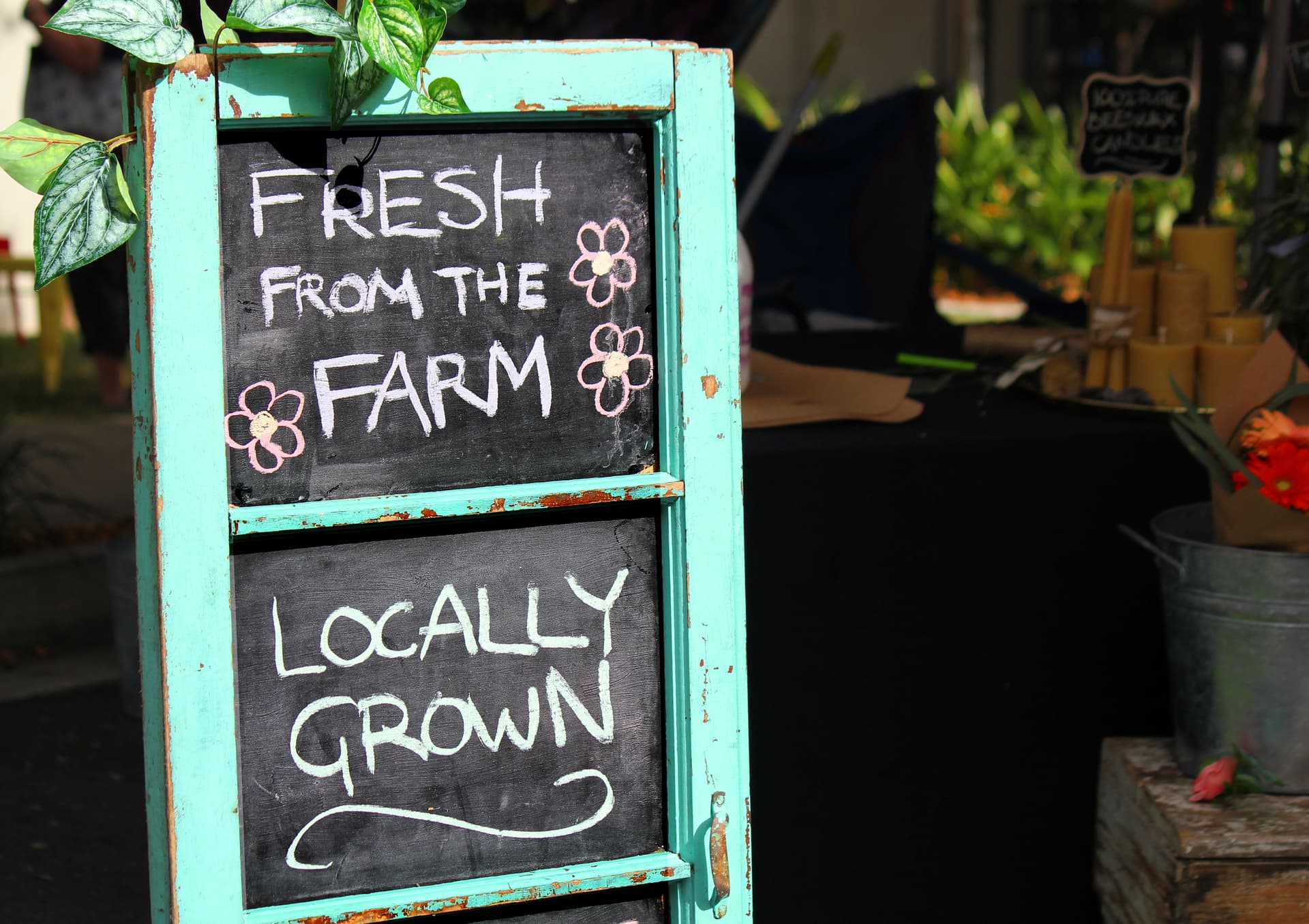
The research of the past eighteen months has settled debates that still rage online. Ultra-processed foods cause excess caloric intake and drive cardiovascular death in dose-response fashion. Glyphosate is in most Americans, and diet is why. Additives perturb the microbiome in ways that look like the prelude to chronic disease. Fermented foods restore diversity within weeks. Raw milk carries real benefits and real risks simultaneously. Nutrient content has declined materially within living memory.
What's new is the tooling. A smartphone can now put a farmer, an ingredient panel, a restaurant's cooking oil, and a regenerative CSA within three taps.
For the MaxLiving community, the assignment writes itself: buy local, scan everything, adjust the spine, and treat every pillar of the Five Essentials as one integrated system.
Because your body isn't just a collection of separate parts. It's a divinely designed whole—and it deserves food that honors that design.
References:
- https://pmc.ncbi.nlm.nih.gov/articles/PMC10969708/
- https://maxliving.com/our-story/
- https://www.sciencedirect.com/science/article/abs/pii/S0889157515001982
- https://www.nature.com/articles/s43016-022-00531-w
- https://www.fao.org/family-farming/detail/en/c/1559836/
- https://content.ces.ncsu.edu/local-food-systems-clarifying-current-research
- https://pmc.ncbi.nlm.nih.gov/articles/PMC4141693/
- https://www.ams.usda.gov/sites/default/files/media/2023PDPAnnualSummary.pdf
- https://www.ewg.org/foodnews/summary.php
- https://pmc.ncbi.nlm.nih.gov/articles/PMC11590049/
- https://www.iarc.who.int/featured-news/media-centre-iarc-news-glyphosate/
- https://pmc.ncbi.nlm.nih.gov/articles/PMC11664077/
- https://pmc.ncbi.nlm.nih.gov/articles/PMC10899807/
- https://www.cell.com/cell-metabolism/fulltext/S1550-4131(19)30248-7
- https://pubmed.ncbi.nlm.nih.gov/34774538/
- https://www.cell.com/cell/fulltext/S0092-8674(22)00919-9
- https://www.efsa.europa.eu/en/news/titanium-dioxide-e171-no-longer-considered-safe-when-used-food-additive
- https://health.oregonstate.edu/research/publications/103168jds2024-25493
- https://www.frontiersin.org/journals/pediatrics/articles/10.3389/fped.2021.613906/full
- https://www.nejm.org/doi/full/10.1056/NEJMoa1508749
- https://www.cdc.gov/mmwr/volumes/74/wr/mm7427a1.htm
- https://www.nejm.org/doi/full/10.1056/NEJMc2405495
- https://www.nature.com/articles/s41591-025-04010-0
- https://getrawmilk.com
- https://pubmed.ncbi.nlm.nih.gov/34256014/
- https://pmc.ncbi.nlm.nih.gov/articles/PMC11391774/
- https://www.seedoilscout.com
- https://localfats.com
- https://yuka.io
- https://apps.apple.com/us/app/bobby-approved-food-scanner/id1571725006
- https://www.usdalocalfoodportal.com/
- https://www.localharvest.org
- https://www.eatwild.com


 Facebook
 Instagram
 LinkedIn