


Published: April 24, 2026
Your liver has been working overtime since November. Every holiday cookie, glass of wine, comfort meal, and Netflix binge with less movement than your body was designed for has created a backlog your detoxification system is still processing. You're not imagining that sluggishness. The brain fog. The bloating that makes your favorite jeans feel two sizes smaller. That's your body signaling it needs support—not a $300 juice cleanse, but the seasonal reset humans have been doing for thousands of years. And the first plants breaking through thawing ground right now? They're exactly what your liver has been waiting for.
Spring arrives. The ground thaws. And the very first plants to push through the dirt are bitter, mineral-packed, detoxification powerhouses. Dandelion. Cleavers. Nettle. Red clover. This isn't a coincidence. This is nature handing you exactly what your body needs, exactly when it needs it most.
The science behind 'spring cleaning for the body' is way more interesting than the $60-billion-dollar wellness industry wants you to believe. Your liver has actual detoxification pathways—a two-phase system that transforms toxins into waste your body can eliminate—that genuinely benefit from specific plant compounds. Winter conditions measurably burden these systems. And the traditional practice of eating bitter spring greens has legitimate biochemical logic that modern research is finally catching up to.
But here's the thing: you don't need a $300 juice cleanse or a supplement stack that costs more than your grocery bill. You need to understand what your liver actually does, why winter makes its job harder, and how the plants emerging right now in your backyard (yes, those "weeds" you've been pulling) are offering a seasonal assist that humans have been accepting for thousands of years.
Let's separate the evidence-based truth from the detox mythology. Because your body already knows how to detoxify. It just needs the right raw materials at the right time.
Why Those "Weeds" in Your Yard Are Smarter Than You Think
The biological timing of spring botanicals isn't random. Early-season plants like dandelion, cleavers, and nettle can tolerate lower temperatures than later-emerging species, which means they claim prime real estate—sunlight and pollinator access—before the tree canopy closes and shades everything out.
Their secret weapon? Bitter compounds. Specifically, secondary metabolites with intimidating names like sesquiterpene lactones, iridoid glycosides, and terpenes. These chemicals serve a dual purpose for the plant: they defend vulnerable young growth from being eaten by herbivores and attacked by pathogens. But for humans, they offer something genuinely useful.
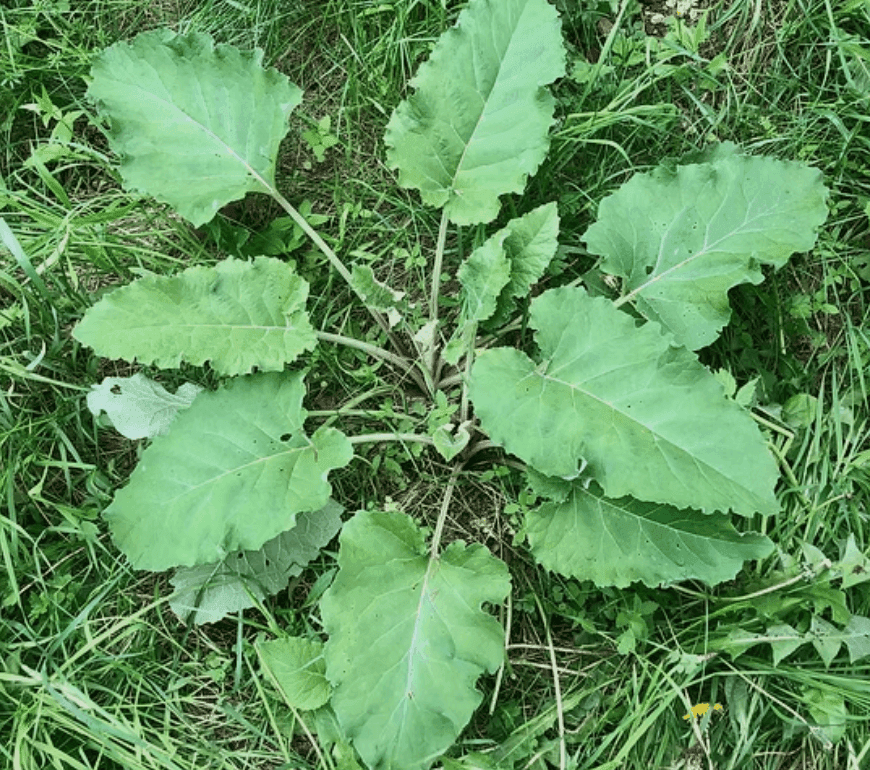
These bitter compounds activate taste receptors on your tongue, which trigger what herbalists have called the "bitter reflex" for centuries. This cascade increases saliva production, stomach acid secretion, digestive enzyme release, and bile flow from your liver and gallbladder. Modern agriculture has systematically bred bitterness out of cultivated foods because humans prefer sweetness. But your physiology still responds powerfully to these compounds—and the loss of dietary bitterness in the modern diet correlates with increased digestive disorders.
Historically, every major healing tradition recognized this seasonal alignment. European spring tonics combined dandelion, burdock, and yellow dock. Cherokee healers used cleavers as a blood purifier. Ayurvedic practitioners prescribed spring panchakarma cleanses with alterative herbs—herbs that support the body's natural elimination pathways. In Traditional Chinese Medicine, the liver and gallbladder meridians are associated with spring—a framework that broadly aligns with modern findings.
The concept of "nature's pharmacy" requires an honest caveat: plants evolved their chemistry primarily for their own survival, not to serve human needs. But human cultures learned to exploit these compounds therapeutically across millennia, and modern research increasingly validates the wisdom behind many traditional spring tonic practices.
Dandelion: The Weed Your Lawn Guy Hates But Your Liver Loves
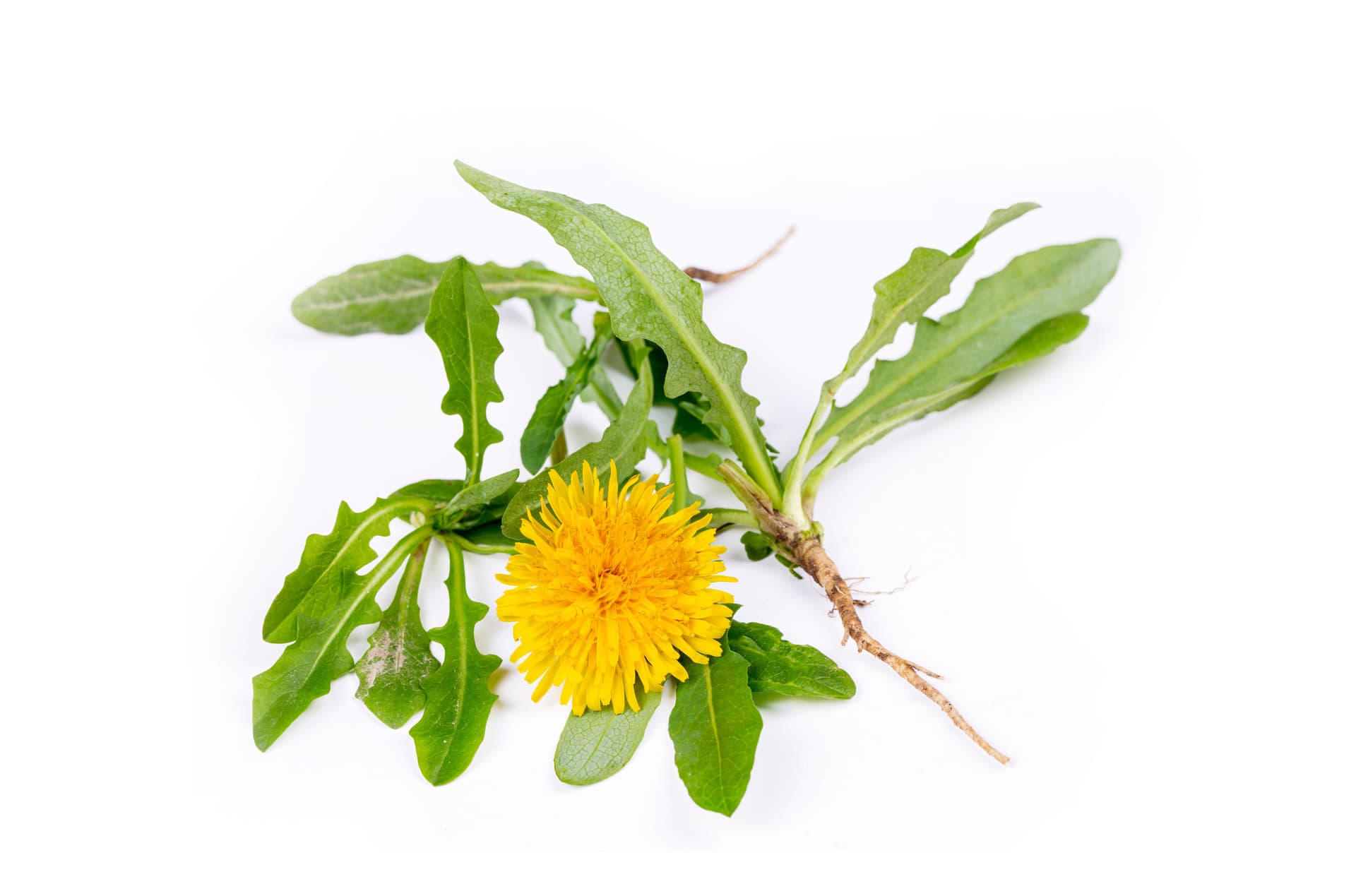
Dandelion is the undisputed MVP of spring detox botanicals, with both root and leaves offering distinct benefits backed by growing scientific evidence.
The root contains taraxasterol—a compound that modulates inflammatory pathways your body uses to manage oxidative stress—along with chlorogenic acid, chicoric acid, inulin (a prebiotic fiber that feeds beneficial gut bacteria), and sesquiterpene lactones responsible for its bitter taste. A comprehensive 2025 review published in Pharmaceuticals, covering literature from 1973–2024, confirmed that dandelion root extracts protect against liver damage from alcohol, acetaminophen, and other toxins, with taraxasterol as the key bioactive compound.
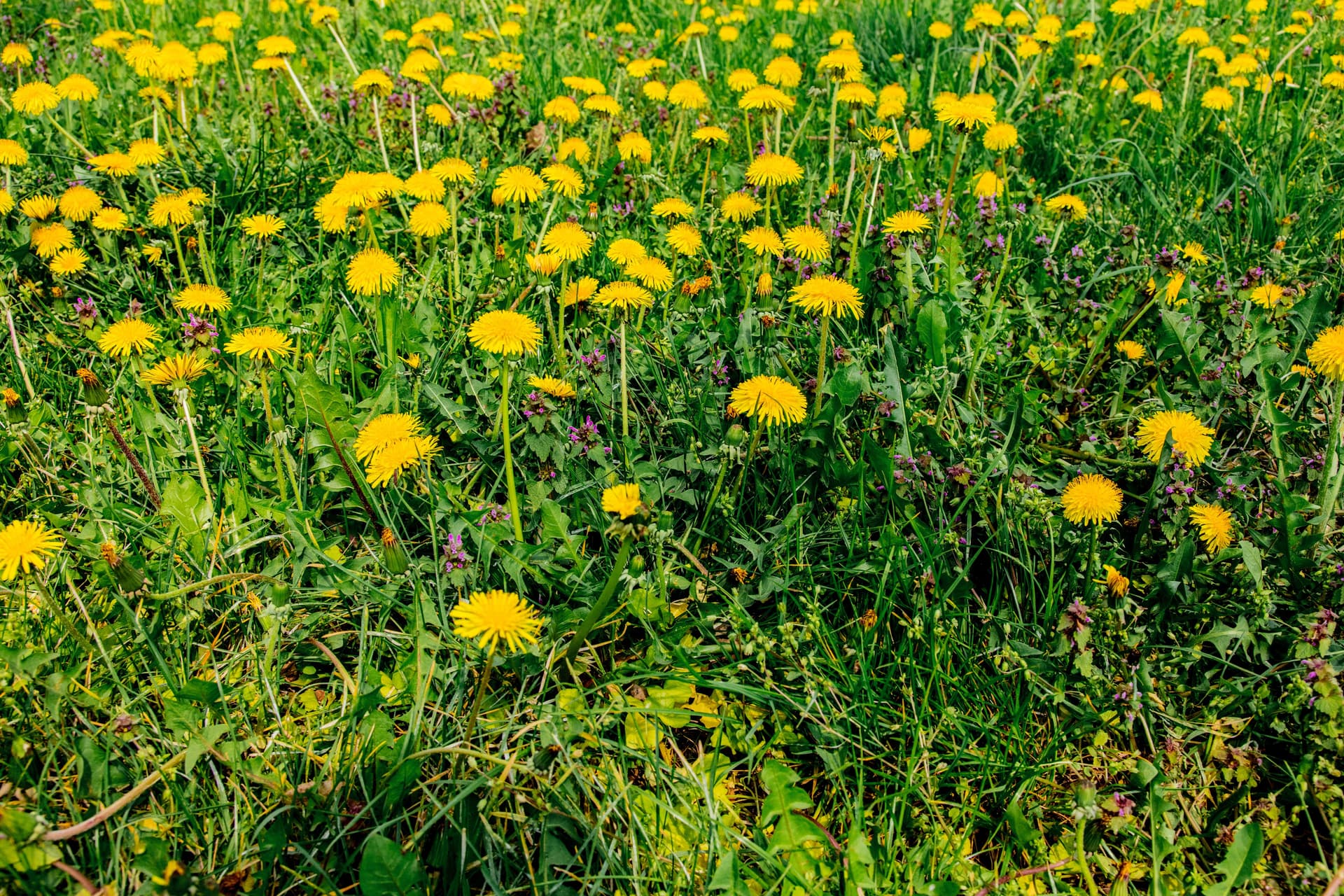
The root is classified as a mild choleretic—a fancy term meaning it increases bile secretion volume—supporting fat digestion and helping your liver eliminate waste. Think of bile as your liver's garbage truck. More bile flow means more efficient waste removal.
The leaves are a nutritional powerhouse: four times the vitamin C, seven times the vitamin A, and twice the potassium compared to romaine lettuce. Their primary flavonoids suppress inflammatory compounds in immune cells, reducing the cascade that leads to chronic inflammation. The leaves also have a diuretic effect—they make you urinate more—but unlike pharmaceutical diuretics that can deplete potassium, dandelion's high potassium content prevents that depletion. It's earned the nickname "nature's potassium-sparing diuretic."
Safety reality check: Dandelion is Generally Recognized as Safe. But if you're allergic to ragweed or chrysanthemums, you might react to dandelions too (they're botanical cousins). It can interact with lithium, certain antibiotics, blood thinners, and diuretics. And if you have bile duct obstruction or active gallstones, skip the root entirely—that bile-stimulating effect could cause problems.
Cleavers: The Sticky Weed That Moves Your Lymph
Cleavers—that annoyingly sticky, velcro-textured weed that clings to everything—is among the most respected lymphatic herbs in Western herbal traditions, though its scientific evidence base remains thinner than dandelion's.
Its key compounds include iridoid glycosides, flavonoids like quercetin, and chlorogenic acids. A 2020 study demonstrated that cleavers extracts significantly stimulate lymphocyte activity—your immune system's white blood cells—with increases of 4 to 5 times compared to baseline. This was the first study to demonstrate the immunomodulatory activity of cleavers.
Traditional herbalism strongly associates cleavers with lymphatic support—enhancing the circulation and drainage of your lymph system to help clear metabolic waste and reduce tissue congestion. Your lymphatic system is like your body's drainage system, carrying cellular waste away from tissues. Unlike your blood, which has your heart to pump it, lymph relies entirely on muscle movement and breathing to circulate. Cleavers appear to gently stimulate lymphatic vessel activity, helping that drainage system work more efficiently.
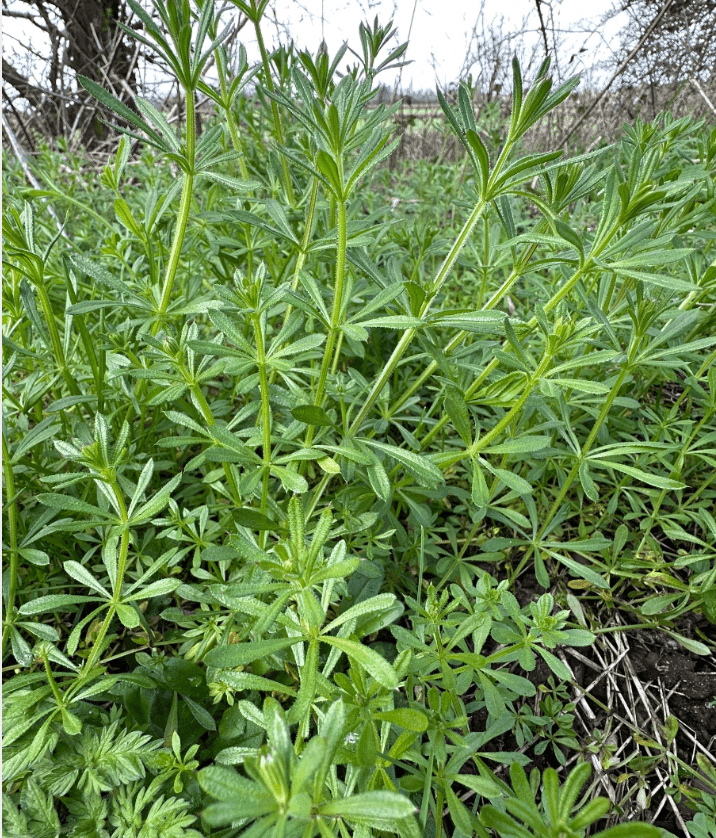
Critical practical note: Cleavers is best used fresh—much of its medicinal potency vanishes when dried because of its high water content. Harvest in early to mid-spring when shoots are young and bright green. You can juice it fresh or freeze the juice in ice cube trays for later use.
Red Clover: The Gentle Blood Cleaner
Red clover holds the distinction of containing the highest isoflavone content of any plant. Its primary compounds—biochanin A, formononetin, genistein, and daidzein—drive its therapeutic profile.
Multiple studies confirm its anti-inflammatory mechanisms: red clover extract reduces secretion of pro-inflammatory signaling molecules in immune cells and increases anti-inflammatory compounds. It also activates a cellular receptor called PPARα—the same target that cholesterol-lowering medications use—and research shows it can reduce total cholesterol in some populations.
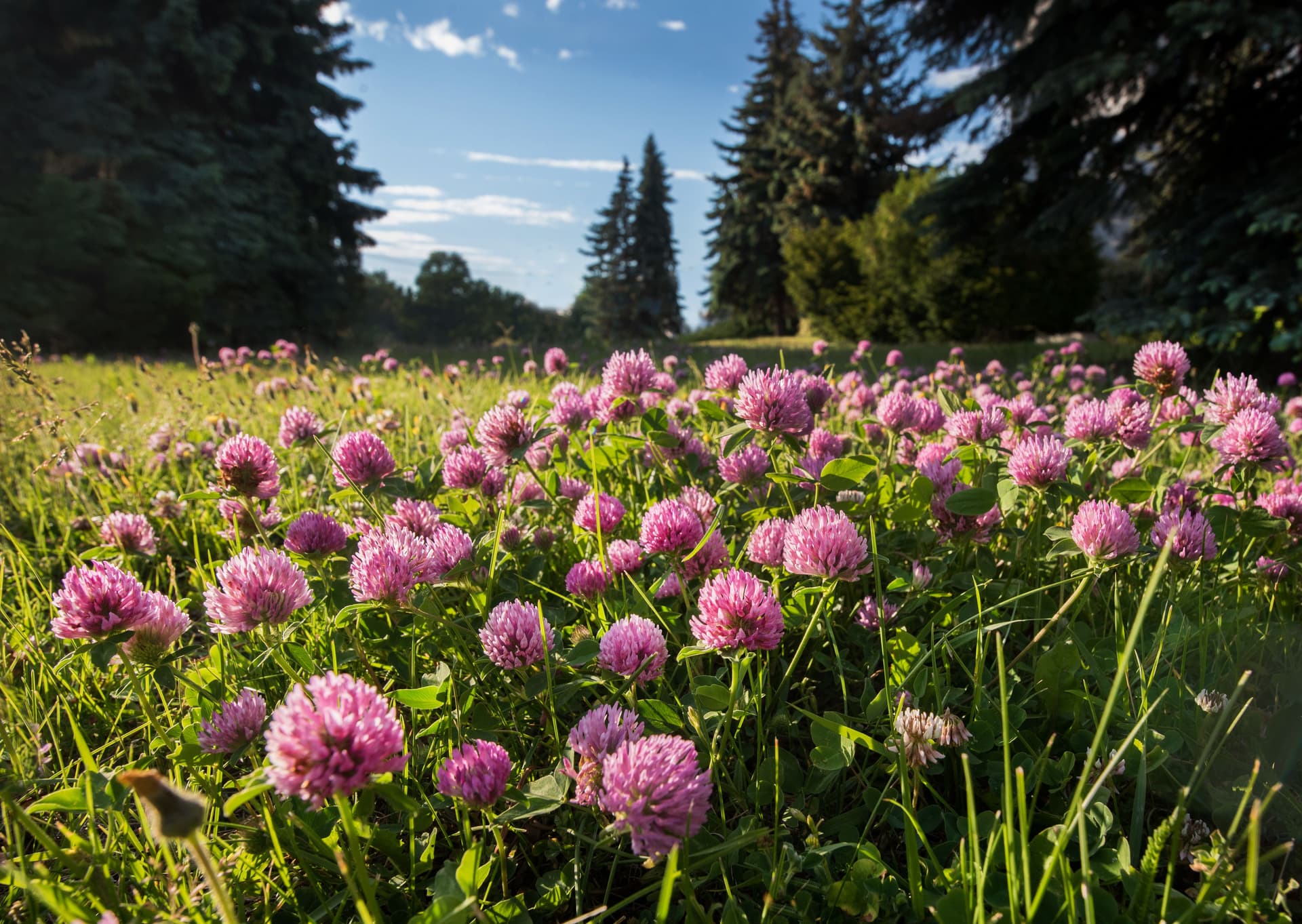
Red clover is classified as a gentle alterative—a traditional term for substances that support the body's natural elimination pathways, including liver function, lymphatic drainage, and skin elimination. The old-school claim that it's a "blood purifier" likely corresponds to its combined antioxidant, anti-inflammatory, and eliminatory properties rather than any single mechanism.
Safety reality check: Red clover has phytoestrogenic effects (plant compounds that weakly mimic estrogen), so use caution if you have hormone-sensitive conditions or take medications like tamoxifen, birth control pills, or hormone replacement therapy. It may also have mild blood-thinning properties. Not recommended during pregnancy or breastfeeding.
What Does the Liver Do? (And How Does Winter Affect Detoxification?)
Your liver—the body's largest internal organ, at roughly three pounds—filters approximately 1.4 to 1.5 liters of blood per minute and performs over 500 vital functions. Every single substance absorbed from your digestive tract passes through your liver via the hepatic portal vein before reaching the rest of your body. Understanding how it processes toxins reveals exactly why specific spring foods matter.
Your liver has two main detoxification phases that work like an assembly line. Phase 1 breaks toxins down into intermediate compounds. Phase 2 packages those intermediates so they can be eliminated through bile, urine, or stool.
What Is Phase 1 Liver Detoxification?
Phase 1 detoxification employs something called the cytochrome P450 enzyme system—a family of over 50 enzymes that perform chemical reactions to make fat-soluble toxins more water-soluble. They add or expose a reactive chemical "handle" on the toxin so Phase 2 can grab it.
The critical danger: Phase 1 intermediates are often more reactive and potentially more toxic than the original compounds. They generate free radicals—unstable molecules that damage cells. If Phase 2 can't keep pace with Phase 1, these intermediates accumulate and cause damage to proteins, DNA, and cell membranes. This imbalance is linked to premature aging, chemical sensitivities, chronic fatigue, and increased cancer risk.
Nutrients that fuel Phase 1 include B vitamins as enzyme helpers, vitamin C and E as antioxidants to neutralize free radicals, iron for enzyme structure, and minerals like zinc, magnesium, and selenium.
What impairs Phase 1? Alcohol (which both over-stimulates certain enzymes while depleting protective antioxidants), medications competing for the same processing enzymes, grapefruit (which blocks specific enzymes), nutrient deficiencies, excessive toxin exposure, aging, and genetic variations.
What Is Phase 2 Detoxification? (And Why It's More Important)
Phase 2 is where your liver's real detoxification magic happens. Those reactive Phase 1 intermediates get conjugated—attached to large water-soluble molecules—through six major pathways, each requiring specific nutrients:
Glucuronidation (the most common pathway) attaches glucuronic acid to toxins. It's supported by cruciferous vegetables, curcumin, citrus, and dandelion.
Sulfation attaches sulfate groups. This pathway requires sulfur-rich foods like garlic, onions, eggs, and cruciferous vegetables.
Glutathione conjugation is your body's most powerful detox pathway. Glutathione—often called the master antioxidant—is made from three amino acids. It's supported by foods rich in cysteine, selenium, and B vitamins.
Methylation adds methyl groups to toxins. This pathway requires vitamin B12, folate, and choline. It's critical for processing estrogens and neurotransmitters.
Acetylation adds acetyl groups, supported by vitamin B5 and vitamin C.
Amino acid conjugation uses glycine, taurine, glutamine, and arginine from protein-rich foods.
The balance between phases is critical. If Phase 1 runs too fast while Phase 2 lags behind, you accumulate those dangerous intermediates. This is precisely why aggressive "detox" protocols that stimulate Phase 1 without adequate nutritional support for Phase 2 can make people feel worse instead of better.
Does Winter Actually Harm Your Liver?—Here's the Evidence
The scientific basis for "spring cleaning" is more substantial than pure folklore, though more nuanced than wellness marketing suggests.
Seasonal metabolic shifts are measurable. Research found the metabolic response to cold exposure was 11.5% higher in winter versus 7% in summer. It’s shown that significantly more people meet criteria for metabolic syndrome in winter than summer, driven by insulin resistance and increased blood pressure.

Winter dietary patterns burden the liver directly. Humans naturally consume more fat in fall and winter. Holiday seasons tend to bring increased alcohol consumption, a direct liver toxin that depletes critical nutrients your liver needs for detoxification. A 2024 study demonstrated that poor diet amplifies the association between alcohol consumption and severe liver disease, creating more than double the risk than the sum of individual risks.
The vitamin D connection is particularly compelling. Your liver performs the first activation step of vitamin D, and vitamin D increases expression of the very enzymes that support detoxification. The 2024 study found that vitamin D deficiency downregulates liver detoxification pathways, weakening your liver's defense against toxins. It found that over 92% of liver disease patients had some degree of vitamin D deficiency. Winter's reduced sun exposure creates widespread vitamin D insufficiency, potentially compounding reduced detoxification capacity precisely when dietary toxin load increases.
Liver detoxification operates on circadian rhythms that winter disrupts. Phase 1 enzymes peak during your active hours, while Phase 2 and elimination pathways peak during rest. Winter's shorter days alter feeding-fasting cycles and sleep patterns, potentially misaligning these critical rhythms.
Reduced physical activity compounds the problem. Your lymphatic system—crucial for waste clearance—lacks its own pump and relies entirely on muscle movement and breathing. Winter inactivity reduces lymphatic circulation, impairing toxin transport to elimination organs. A 2025 study demonstrated that physical activity reduced liver-related mortality risk by 36% in heavy drinkers and 69% in binge drinkers.
What Foods & Actions Actually Support Liver Detoxification?
The body is a well-developed system that has its own built-in mechanisms to detoxify and remove waste and toxins. The evidence-based approach is to support these existing systems rather than bypass them.
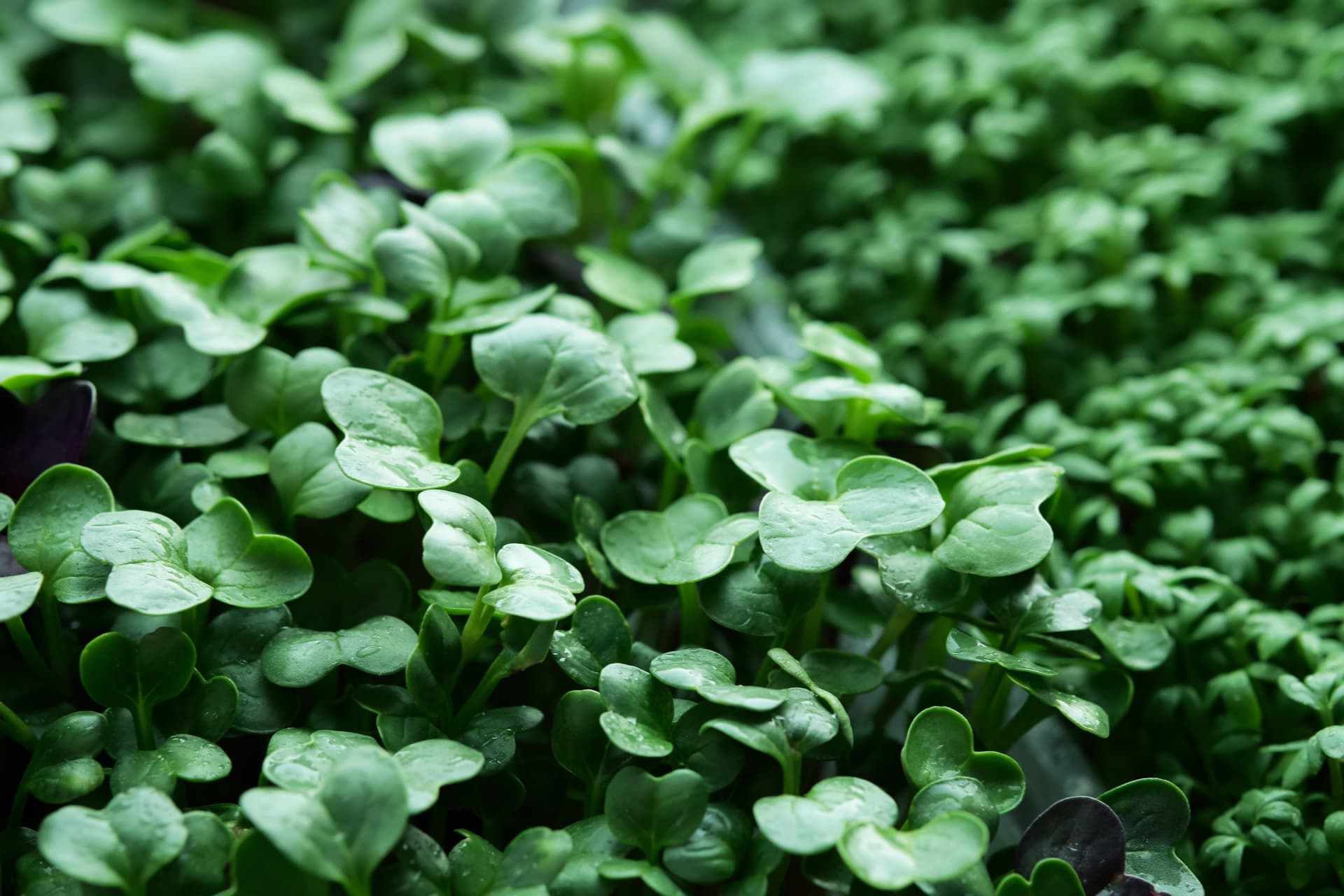
Cruciferous vegetables are the single most evidence-supported liver food. Broccoli, Brussels sprouts, cabbage, cauliflower, kale, and watercress contain glucosinolates that convert to sulforaphane—a compound that activates the master regulator of Phase 2 detoxification enzymes. A randomized, double-blind, placebo-controlled trial found broccoli sprout supplements significantly decreased liver enzyme markers in healthy adults. Broccoli sprouts contain up to 100 times more of the precursor compound than mature broccoli.
Sleep is a non-negotiable detox mechanism. Your brain has its own waste clearance system—the glymphatic system—that is 60% more active during deep sleep. Brain cells shrink during sleep, creating expanded channels for cerebrospinal fluid to flush metabolic waste. Seven to nine hours of quality sleep with adequate deep sleep phases is essential.
Fiber is critical for elimination. Without adequate fiber, conjugated toxins can be reabsorbed through your gut wall—effectively recycling the waste your liver just worked to process.
Exercise promotes lymphatic drainage and liver blood flow. Physical activity is one of the most evidence-supported interventions for liver health, with studies consistently showing reduced liver enzyme levels, reduced liver fat, and lower mortality risk.
The Supporting Cast: Milk Thistle, Burdock, Nettle, and Chicory
Milk thistle has the strongest clinical evidence of any herbal liver support. It contains silymarin—a complex of compounds with silybin as the most active component. Its mechanisms are well-characterized: it scavenges free radicals, increases cellular glutathione, stabilizes cell membranes, and promotes liver cell regeneration. A 2024 systematic review of 26 randomized controlled trials with 2,375 patients found silymarin significantly reduced liver enzymes, cholesterol, triglycerides and improved liver structure. However, the NCCIH notes that clinical trials for specific liver diseases have been "conflicting or too limited." Most trials used 420–600 mg/day of standardized extract.
Burdock root—known as "gobo" in Japanese cuisine—is rich in chlorogenic acid and inulin-type fiber that feeds beneficial gut bacteria. A 2024 comprehensive review confirmed hepatoprotective, antidiabetic, and anti-inflammatory properties. A clinical trial demonstrated that burdock root tea (three cups daily for 42 days) significantly improved inflammatory markers. Burdock is readily available at Asian and many natural grocery stores.
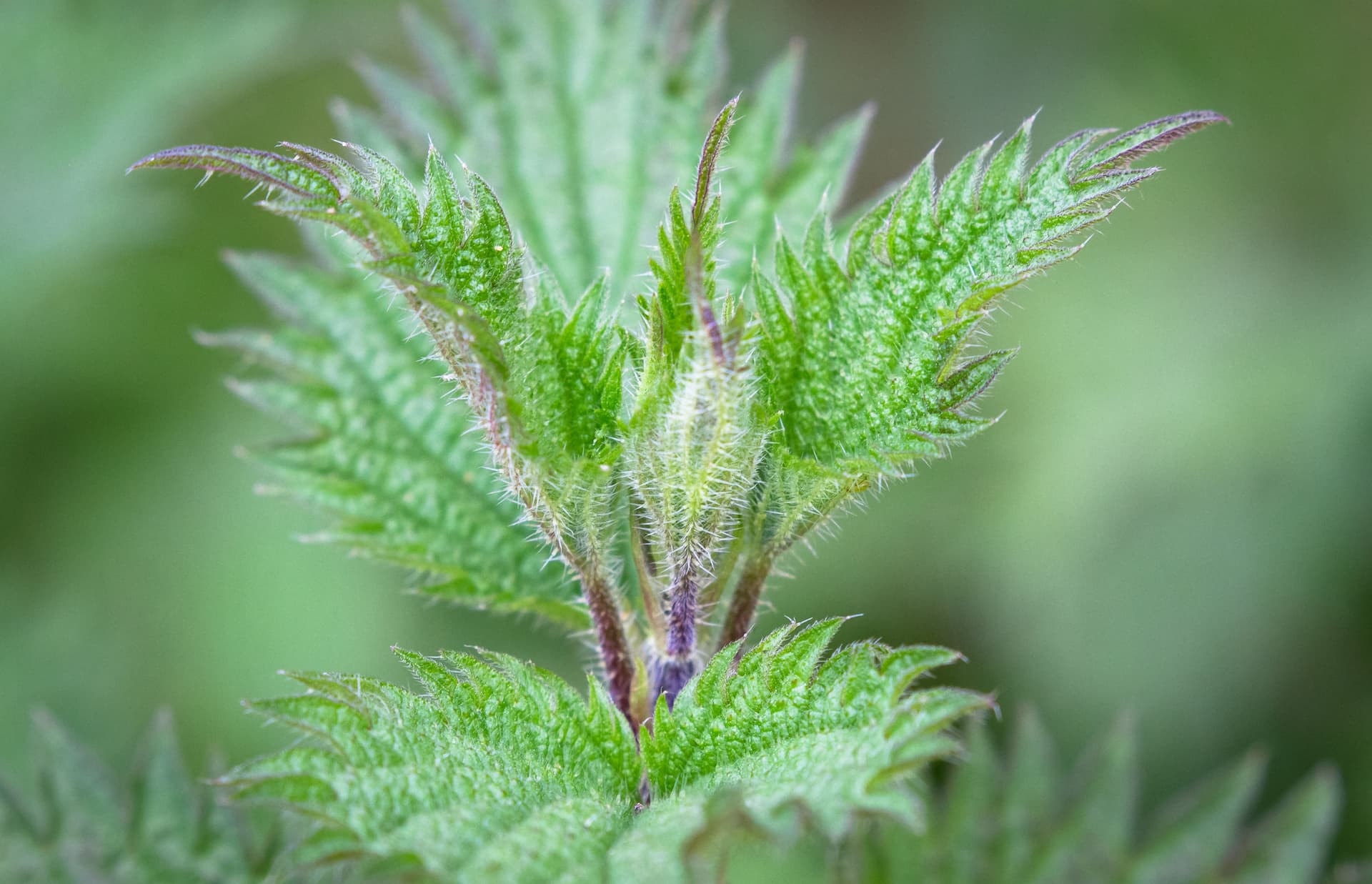
Stinging nettle is one of the most nutrient-dense spring plants available, containing approximately 30% protein by dry weight with a complete amino acid profile, along with exceptionally high levels of vitamins A, C, D, E, K, iron, calcium, potassium, magnesium, zinc, and selenium. These minerals serve as critical helpers throughout liver detoxification. Harvest young spring leaves before flowering using thick gloves; cooking completely neutralizes the sting.
Chicory roots are the richest known natural source of inulin, a prebiotic fiber that feeds beneficial gut bacteria. Short-chain fatty acids produced by inulin fermentation influence liver enzyme expression. Clinical data show 10g/day of enriched chicory inulin for two months reduced liver enzymes in type 2 diabetes patients. Roasted chicory root serves as a traditional caffeine-free coffee substitute.
How Do You Eat Spring Detox Herbs? (Easy Family Recipes)
The most evidence-based approach to spring detox support is also the simplest: eat more of these plants as food.
Dandelion greens are increasingly available in grocery stores. Their bitterness tames easily—blanch in abundant salted water for 5–10 minutes, squeeze dry, then sauté with garlic and olive oil (a staple Mediterranean preparation). For salads, use young pre-flowering leaves mixed with sweeter lettuces, with a honey-lemon dressing to balance the bite. For children, start with mostly mild lettuces and add just a few dandelion leaves.
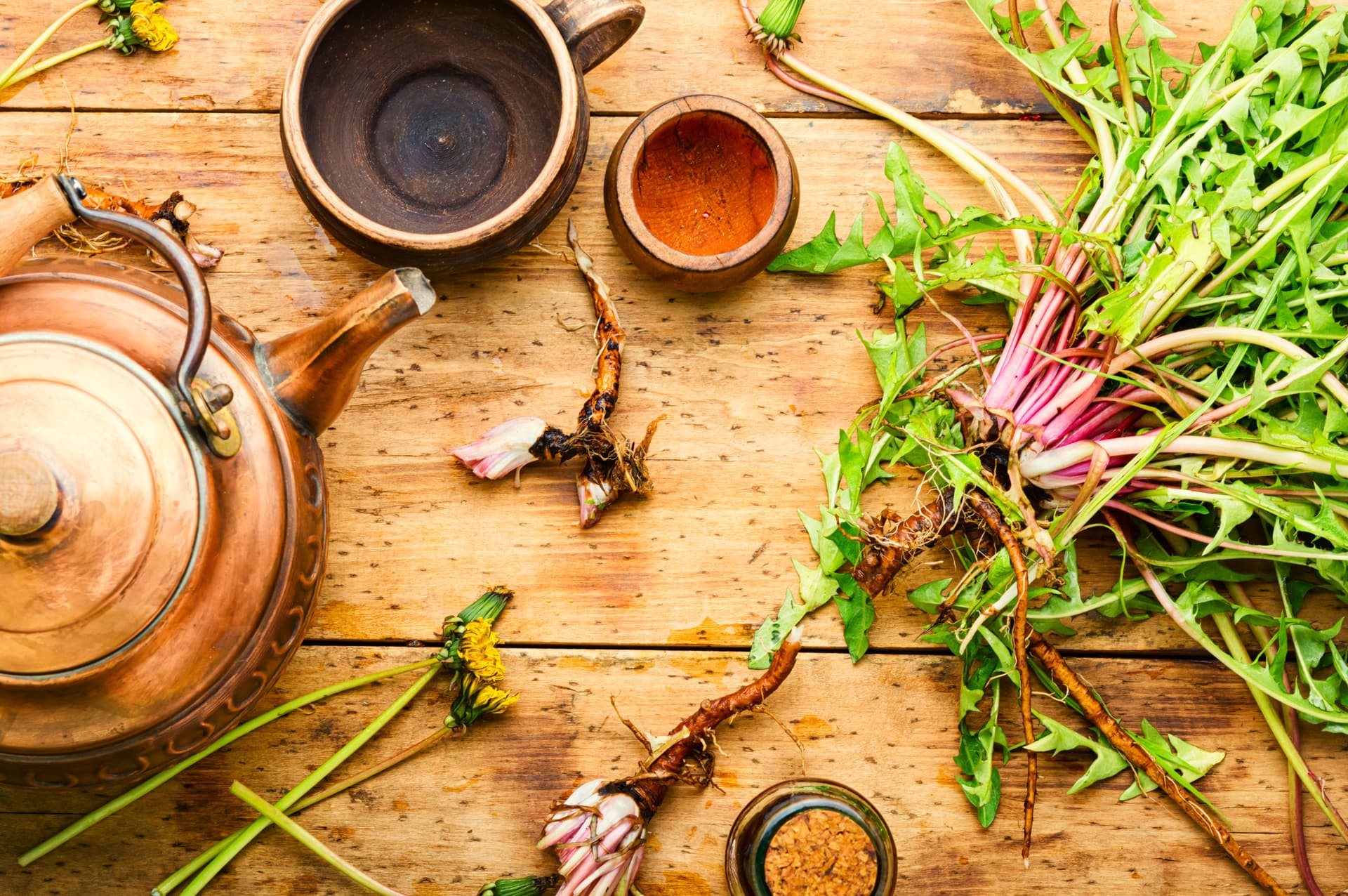
Dandelion root "coffee" is made by roasting chopped roots at 350°F for 15–40 minutes until dark brown, grinding in a coffee grinder, and brewing in a French press. Adding cinnamon, oat milk, and honey creates a genuinely pleasant caffeine-free latte. For kids, add cocoa powder and call it "magical root brew."
Nettle pesto pasta is perhaps the most family-friendly gateway. Blanch four cups of nettles for 2–3 minutes (gloves on!), shock in ice water, squeeze dry, then blend with toasted pine nuts, garlic, Parmesan, olive oil, and lemon juice. Toss with pasta for vibrant green "superhero pasta" that freezes beautifully.
Cleavers are best consumed as a cold infusion—chop a handful of fresh cleavers, cover with cool water in a jar, steep 8–12 hours in the refrigerator, strain, and add lemon. Heat may harm beneficial compounds.
Kinpira gobo (burdock stir-fry) introduces burdock in its most delicious form: julienned matchsticks stir-fried in sesame oil, then glazed with soy sauce, mirin, and a touch of sugar. The sweet-savory combination appeals broadly.
Beyond the botanicals, the most impactful everyday liver-supporting foods are accessible and affordable: broccoli and other cruciferous vegetables, beets, garlic and onions, citrus fruits, green tea, coffee (strong evidence for reducing liver enzymes), olive oil, fatty fish, and berries. The Mediterranean dietary pattern is consistently recommended across all major medical institutions for liver health.
Every herb we have talked about can also easily be consumed as a tea - either on its own or mixed into a blend.
Foraging fundamentals: Never eat anything unless 100% certain of identification. Never forage near roads, sprayed areas, or pet-frequented zones. The easiest plants for beginners are dandelion (distinctive toothed leaves, unmistakable yellow flower), nettle (distinctive shape, wear gloves), and cleavers (uniquely sticky texture). Never take more than 10% of a plant population in an area, so they continue to grow year after year. Every herbalist is taught this when it comes to wild foraging. There are apps and many wildcrafting books that help with proper plant identification.
The Truth About Detoxing Your Liver
The science of spring detoxification allows the traditional practice of seasonal dietary transition toward bitter, mineral-dense spring plants with genuine biochemical logic.
Winter genuinely burdens the liver through increased alcohol consumption, heavier processed foods, vitamin D depletion that downregulates detoxification enzymes, reduced physical activity that impairs lymphatic drainage, and circadian disruption that misaligns detoxification rhythms.
The evidence-based response is not fixed solely by a juice cleanse or a supplement stack—it is a return to the seasonal eating pattern that human physiology evolved alongside. Cruciferous vegetables activate Phase 2 detoxification enzymes with robust clinical evidence. Dandelion root's liver-protective properties are supported by growing research. Milk thistle has the strongest clinical evidence among herbal liver supports. Nettle delivers the mineral helpers that both detoxification phases require. And adequate sleep, movement, hydration, and fiber do more for actual detoxification than any product with "detox" on the label.
The most honest framing is this: your body already knows how to detoxify. Spring botanicals don't do the detoxifying—they provide the raw materials, helpers, and gentle stimulation that help your liver, kidneys, lymphatic system, and gut do what they've been doing for millennia.
Nature did, in fact, have it ready. The task is simply to accept the offering.
References:
- https://pmc.ncbi.nlm.nih.gov/articles/PMC4488002/
- https://www.traditionalmedicinals.com/blogs/ppj/bitters-101
- https://tonicherbshop.com/bitters/
- https://appvoices.org/2006/04/01/2836/
- https://wholisticmatters.com/herbs-for-spring-cleansing/
- https://pmc.ncbi.nlm.nih.gov/articles/PMC12299503/
- https://www.mdpi.com/1424-8247/18/7/990
- https://www.motherearthliving.com/Health-and-Wellness/HERBS-for-HEALTH-Spring-Tonics/
- https://pmc.ncbi.nlm.nih.gov/articles/PMC6963662/
- https://theherbalacademy.com/blog/cleavers-for-spring-cleansing/
- https://pubmed.ncbi.nlm.nih.gov/20142789/
- https://pubmed.ncbi.nlm.nih.gov/31883666/
- https://columbiasurgery.org/liver/liver-and-its-functions
- https://mosaicdx.com/resource/the-liver-its-important-role-in-detoxification/
- https://www.casi.org/supportive-nutrients-for-phase-II-liver-detoxification
- https://pubmed.ncbi.nlm.nih.gov/15276821/
- https://www.nature.com/articles/s41467-024-51314-9
- https://www.frontiersin.org/journals/endocrinology/articles/10.3389/fendo.2024.1335855/full
- https://pmc.ncbi.nlm.nih.gov/articles/PMC7613420/
- https://easl.eu/news/diet-and-exercise-on-alcohol-related-liver-health/
- https://www.nccih.nih.gov/health/detoxes-and-cleanses-what-you-need-to-know
- https://www.health.harvard.edu/staying-healthy/the-dubious-practice-of-detox
- https://pmc.ncbi.nlm.nih.gov/articles/PMC4649129/
- https://www.urmc.rochester.edu/news/story/to-sleep-perchance-to-clean
- https://pmc.ncbi.nlm.nih.gov/articles/PMC7140758/
- https://pubmed.ncbi.nlm.nih.gov/38579127/
- https://www.nccih.nih.gov/health/milk-thistle
- https://pmc.ncbi.nlm.nih.gov/articles/PMC11335715/
- https://pubmed.ncbi.nlm.nih.gov/25350500/
- https://pmc.ncbi.nlm.nih.gov/articles/PMC9253158/
- https://www.sciencedirect.com/science/article/abs/pii/S1751991816000036
- https://health.clevelandclinic.org/foods-for-a-healthy-liver


 Facebook
 Instagram
 LinkedIn