


Published: June 1, 2026
Here's something that should make Big Pharma nervous: A single-celled organism that's been thriving since the dawn of life itself is now proven to reverse insulin resistance by 225%, protect against viral infections, and remove toxic heavy metals from your body—without a single side effect.
You've probably scrolled past spirulina on Instagram, maybe even dismissed it as another wellness trend. But this isn't influencer marketing. This is a blue-green algae that the Aztecs consumed as their primary protein source over 400 years ago, and modern science is finally catching up to what ancient civilizations already knew.
According to research compiled on GreenMedInfo, spirulina contains between 65-71% complete protein—the highest concentration found in any food. But protein is just the beginning. This microscopic spiral-shaped organism converts sunshine into over 100 essential nutrients, and peer-reviewed studies are proving it can do things pharmaceutical drugs simply cannot match.
The difference? Spirulina works with your body's design, not against it.
Can Spirulina Actually Reverse Insulin Resistance?
Over 80 million Americans are walking around with insulin resistance right now, most without even knowing it. Your cells stop listening to insulin's instructions, your pancreas keeps pumping out more insulin trying to get the message heard, and your blood sugar spirals out of control. Eventually, this leads to type 2 diabetes, rapid weight gain, heart disease, and accelerated aging.
Conventional medicine's answer? More drugs. Metformin, insulin injections, medications with side effects that require more medications.
But here's what they're not telling you: In a randomized human study, researchers gave 17 insulin-resistant patients 19 grams of spirulina daily for eight weeks. The results? The spirulina group increased their insulin sensitivity by an astounding 224.7%—while the control group taking soy only managed a 60% increase.
Two hundred twenty-five percent improvement. From algae.
Another study on fructose-fed rats showed spirulina improved insulin sensitivity while simultaneously reducing serum glucose, cholesterol, and triglycerides. The treated rats also showed decreased inflammation and increased adiponectin—a hormone that regulates glucose levels and fatty acid breakdown.
Even more impressive: research on diabetic rats demonstrated that spirulina supplementation was more effective than metformin at improving bone structural strength and preventing the brittle bones associated with type 2 diabetes. While metformin actually caused destruction in trabecular microarchitecture of the femur bone, spirulina improved bone density, increased vitamin D levels, and strengthened the skeletal system.
Your body wasn't designed to need synthetic chemicals to regulate blood sugar. It was designed to work with whole foods that support natural metabolic function.
Does Spirulina Strengthen Your Immune System?
If you're someone who catches every cold, fights off infections constantly, or struggles with chronic inflammation, this matters.
Spirulina produces immunostimulating effects by enhancing resistance to infections, influencing hemopoiesis (blood cell formation), and stimulating the production of antibodies and cytokines. Under spirulina's influence, macrophages, T cells, and B cells become activated—your immune system's frontline defense against invading pathogens.
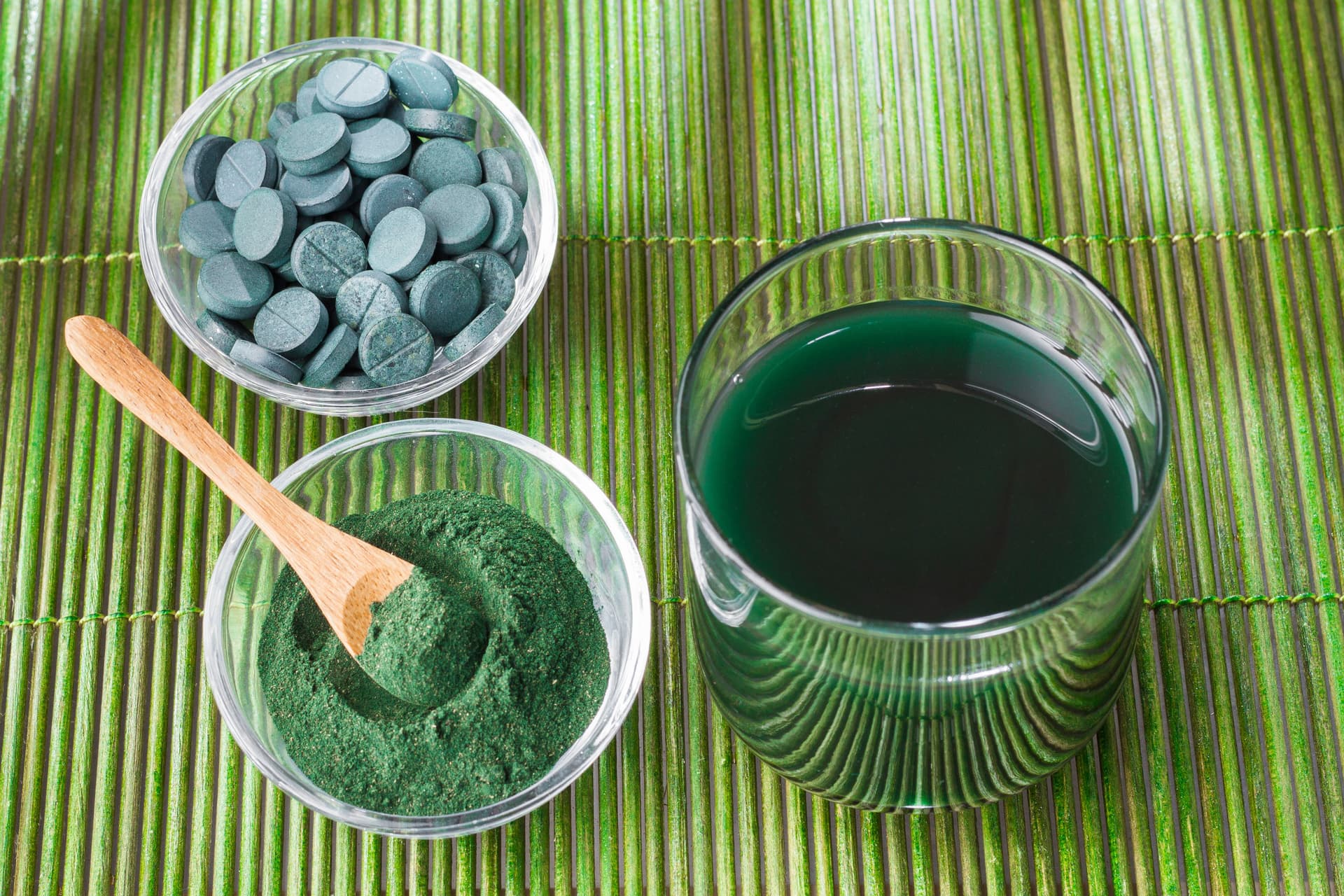
Here's where it gets fascinating: spirulina contains a blue pigment called phycocyanin that increases the production of bone marrow stem cells and anti-cancer natural killer (NK) cells, while simultaneously inhibiting cancer colony formation. This same compound can pass the blood-brain barrier, delivering its anti-inflammatory benefits directly to brain tissue.
But spirulina doesn't just boost immunity—it balances it. In a study on experimental colitis, rats treated with spirulina showed decreased inflammation in mucosa and submucosa, reduced hemorrhaging and necrosis, and lower levels of oxidative stress markers. The spirulina worked as both an anti-inflammatory and an antioxidant, supporting the body's natural healing processes without suppressing immune function.
This is critical. Pharmaceutical immunosuppressants shut down your immune system to control inflammation. Spirulina modulates your immune response—strengthening it where needed, calming it where appropriate.
Research has also shown spirulina's antiviral activity against cytomegalovirus, herpesvirus, influenza virus, and even HIV. Spirulina's sulfolipids have proven effective against these viral threats, offering your body natural antiviral protection without the devastating side effects of pharmaceutical antivirals.
In a groundbreaking clinical trial on COVID-19 patients, 189 hospitalized individuals received either 15.2 grams of spirulina extract daily or standard care alone. The spirulina group showed dramatically improved recovery rates and reduced mortality. The researchers concluded that spirulina's anti-inflammatory and immune-balancing properties could significantly reduce hospital burden, especially in ICU settings.
Your immune system knows how to fight infections. Sometimes it just needs the right support.
Can Spirulina Remove Heavy Metals and Toxins From Your Body?
You're being poisoned every single day. Lead in old pipes. Mercury in fish. Arsenic in rice and drinking water. Cadmium in cigarette smoke. These heavy metals accumulate in your tissues, disrupt your nervous system, damage your organs, and accelerate aging.
The medical establishment's answer? Chelation therapy—expensive, uncomfortable, and often ineffective.
But spirulina offers something better: natural detoxification that actually works. Research shows spirulina can remove toxic metals like lead and mercury from the body while simultaneously protecting against oxidative damage.
Studies have demonstrated spirulina's protective effects against arsenic poisoning and testicular injury caused by heavy metal exposure. The algae doesn't just bind to these toxins—it helps your body eliminate them while repairing the damage they've caused.
Spirulina thrives in salty alkaline water where toxins cannot survive, making it one of the purest foods available. Unlike fish (which accumulate mercury) or vegetables grown in contaminated soil, spirulina grown in controlled environments provides clean, concentrated nutrition without the toxic load.
This matters for your nervous system. Every time your body successfully eliminates heavy metals, nerve signals can transmit more clearly. Your brain can function more efficiently. Your entire electrical system—the network that coordinates every function in your body—operates with less interference.
For chiropractors and anyone who understands how critical nervous system health is to overall wellbeing, this should be revolutionary. You can adjust the spine perfectly, remove subluxations, and optimize nerve flow—but if the nervous system is poisoned with heavy metals, you're still operating with interference.
How Does Spirulina Support Nervous System Health?
Here's something most people don't know: spirulina is the best available source of gamma-linolenic acid (GLA), an anti-inflammatory essential fatty acid necessary for both immune system strength and nervous system health.
GLA supports the production of nerve-protecting myelin sheaths and facilitates optimal nerve signal transmission. Without adequate GLA, your nervous system can't maintain the protective coating around nerves or communicate efficiently between cells.

But spirulina's nervous system benefits go far beyond GLA. The algae contains about 7% phycocyanin by dry weight—and this compound can pass the blood-brain barrier to deliver direct neuroprotective benefits. Phycocyanin's role in COX-2 inhibition means it can manage inflammatory conditions affecting the nervous system without the gastrointestinal bleeding, liver damage, and cardiovascular risks associated with pharmaceutical COX-2 inhibitors.
Research has shown spirulina can strengthen the nervous system, improve mental alertness, and support the body's ability to generate new blood cells—including the stem cells that can differentiate into neurons when needed.
Your nervous system is the master controller of every function in your body. When it's nourished properly, when toxins are removed, when inflammation is balanced rather than suppressed, your body's innate healing capacity is unleashed.
Does Spirulina Fight Cancer?
Cancer is the second leading cause of death in America, and conventional treatment remains brutal: chemotherapy that destroys healthy tissue along with cancerous cells, radiation that damages DNA, surgery that removes organs.
But what if there was a food that could target cancer cells while leaving healthy tissue untouched?
Research on pancreatic cancer showed that spirulina and its tetrapyrrolic compounds significantly decreased the proliferation of human pancreatic cancer cell lines in a dose-dependent manner. The anti-proliferative effects were evident both in vitro and in vivo, with inhibition of pancreatic cancer growth starting from the third day of treatment.

The mechanism? Spirulina decreased generation of mitochondrial reactive oxygen species (ROS) and improved glutathione redox status in cancer cells—essentially disrupting the cancer cells' ability to survive and multiply while supporting the body's natural antioxidant defenses.
Here's what makes this remarkable: these same antioxidant and anti-inflammatory properties that fight cancer also enhance overall health in healthy individuals. A systematic review and meta-analysis of controlled clinical trials found that spirulina supplementation significantly increased total antioxidant capacity (TAC) and superoxide dismutase (SOD) activity.
Chemotherapy doesn't make that distinction. It destroys everything in its path—cancer cells, healthy cells, immune function, quality of life.
Spirulina supports your body's natural ability to identify abnormal cells and eliminate them before they become life-threatening. This is intelligent design at work.
Can Spirulina Help Women With Hormonal Imbalances?
Polycystic ovarian syndrome (PCOS) affects millions of women, causing irregular periods, infertility, excessive hair growth, acne, weight gain, and increased risk of diabetes and heart disease. Conventional treatment relies heavily on metformin—a diabetes drug with gastrointestinal side effects, vitamin B12 depletion, and potential liver damage.
But research on PCOS management demonstrated that spirulina has remarkable effects in reducing PCOS development and regulating the genes involved in the condition. The study showed spirulina could treat PCOS while lowering the possible side effects of metformin when used in combination therapy.

Spirulina affected multiple gene abnormalities associated with PCOS, including those involved in hormone production, cell death regulation, and steroid metabolism. These aren't superficial symptom improvements—this is addressing root cause dysfunction at the genetic level.
For women struggling with hormonal balance, spirulina offers support that works with the body's endocrine system rather than overriding it with synthetic hormones or harsh medications.
What Makes Spirulina Different From Synthetic Supplements?
Here's the fundamental problem with the pharmaceutical approach: isolated compounds, synthetic versions, single-pathway interventions. Your body doesn't recognize these as food. It recognizes them as foreign chemicals that need to be metabolized and eliminated.
Spirulina is different. It's been on Earth since the beginning of life itself, converting sunshine into nutrients through photosynthesis. Named for the microscopic spiraling helixes it forms, spirulina's green color comes from chlorophyll while its distinctive blue color comes from phycocyanin.
Like all plants, spirulina is very low on the food chain and converts sunlight into protein, fatty acids, carbohydrates, and a multitude of nutrients essential to life. But unlike most plants, spirulina delivers this nutrition in the most bioavailable, concentrated form imaginable.
The protein in spirulina is four times more easily absorbed by the body than animal proteins. And because it's consumed raw, it never loses any protein content—while about 50% of protein can be lost when cooking animal sources.
This is Food by God. Complete nutrition in its natural form, working synergistically the way the Creator designed it.
Sayer Ji's GreenMedInfo—the world's most widely-referenced, evidence-based natural health resource—has compiled extensive research on spirulina's therapeutic applications. When mainstream medicine tells you "there's no evidence" for natural approaches, they're either lying or ignorant. The evidence exists. It's been published. It's peer-reviewed. And it's available for anyone willing to look.
How to Use Spirulina for Optimal Health
1. Start With Quality
Not all spirulina is created equal. Look for organic spirulina grown in controlled environments free from contamination. The algae should be deep blue-green in color and have a mild seaweed scent—not fishy or rotten.
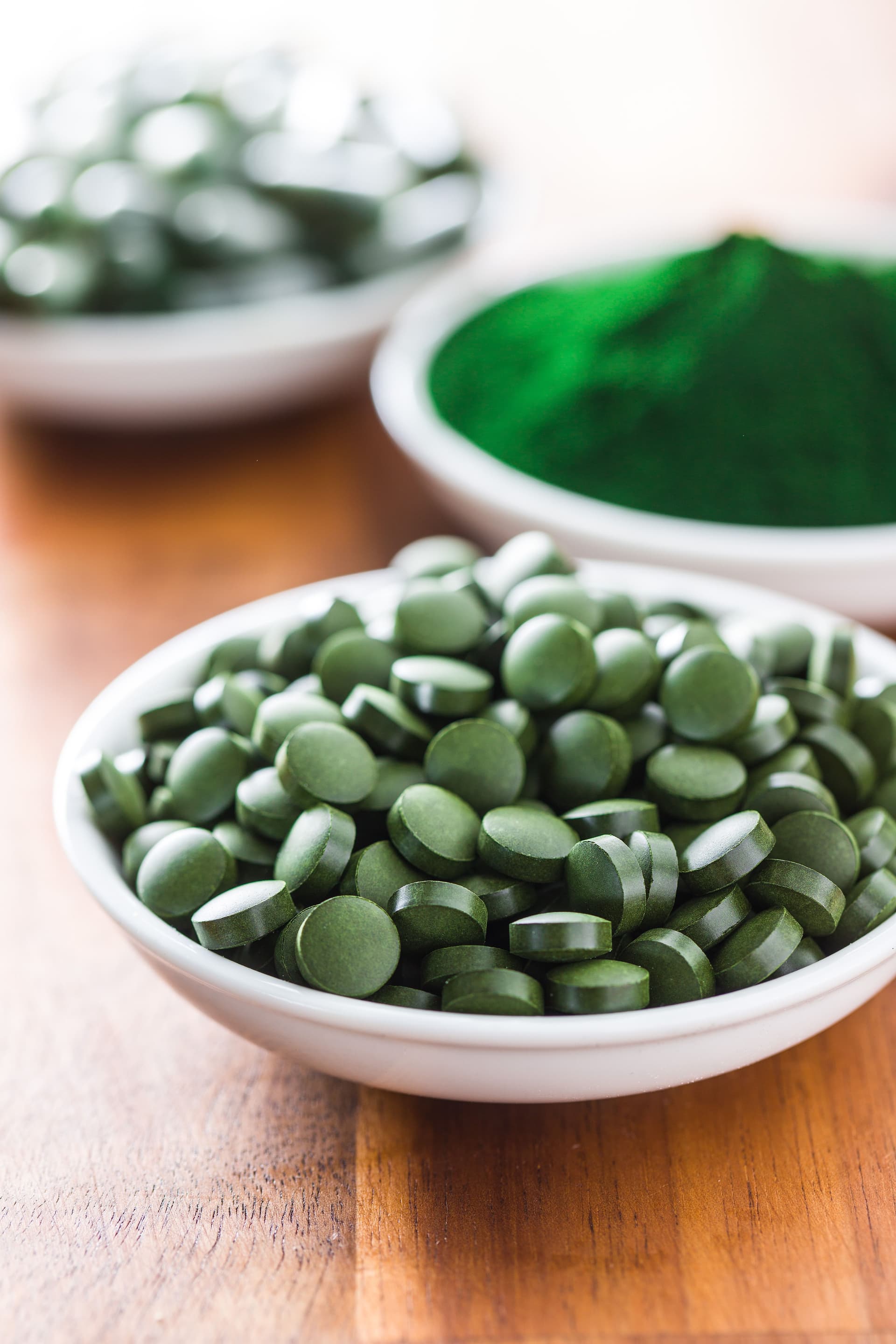
Spirulina is available in powder, tablets, and capsules. Many people find the powder easiest to incorporate into daily smoothies, though tablets offer convenience for those who don't enjoy the taste.
2. Begin Slowly and Build
Start with 1-2 grams daily and gradually increase to therapeutic doses of 3-8 grams per day. Some studies showing dramatic results used doses up to 19 grams daily, but work with a healthcare provider who understands functional nutrition to determine the right amount for your specific needs.
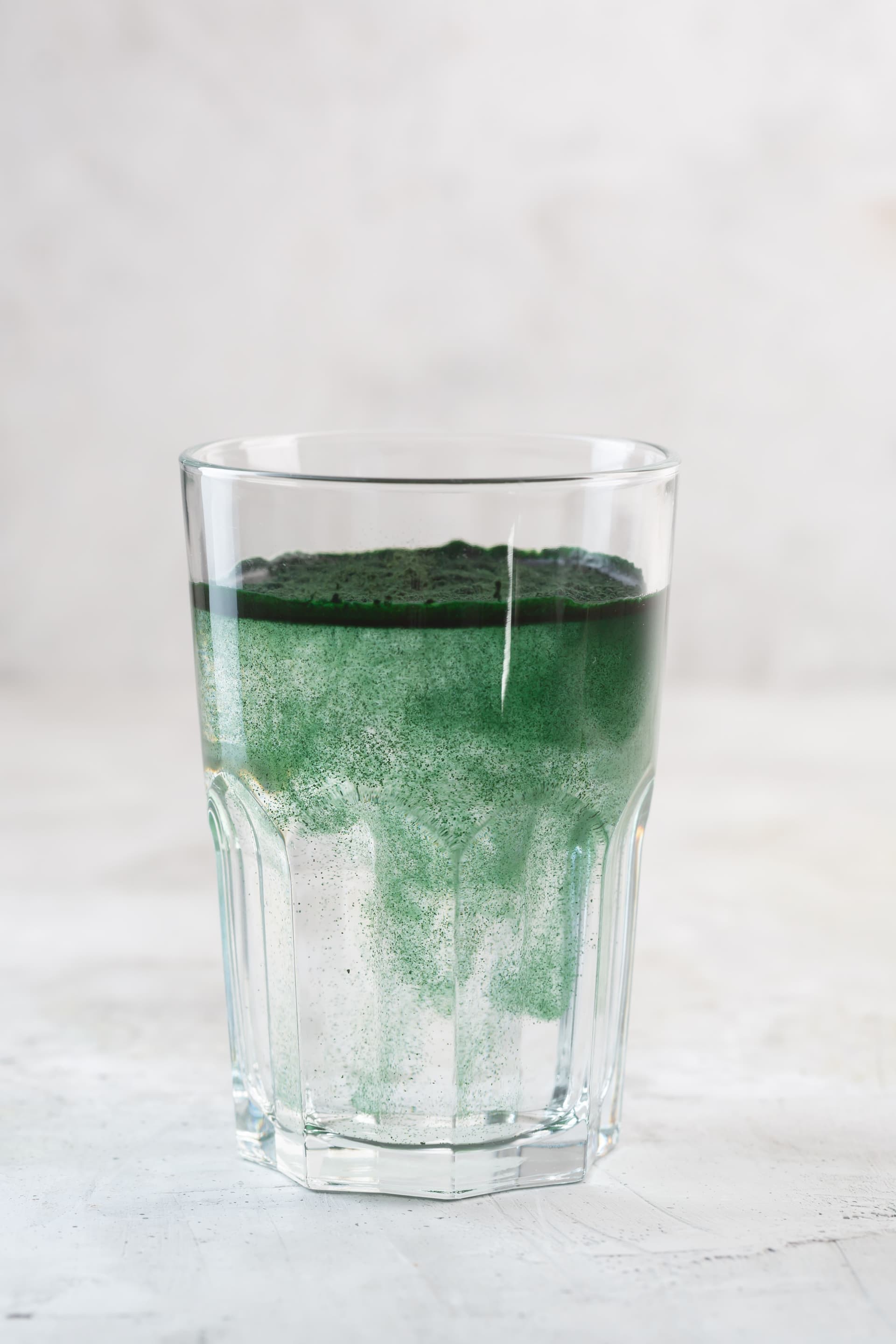
The powder can be added to smoothies, giving them a rich blue-green color. It also works well in guacamole, salad dressings, or mixed into fresh juice.
3. Consider MaxLiving Support
While whole spirulina powder consumed in food provides comprehensive benefits, those seeking additional cellular and metabolic support may benefit from MaxLiving's Cellular Health & Longevity formula. This advanced blend combines nine clinically studied ingredients to support mitochondrial function, energy production, and cellular optimization—working synergistically with nutrient-dense foods like spirulina to enhance overall vitality.
The goal isn't to replace whole food nutrition with supplements. It's to provide your body with every advantage as you remove interference and support natural function.
4. Explore GreenMedInfo's Research
Visit GreenMedInfo's spirulina research page to explore the extensive database of peer-reviewed studies. Whether you're dealing with diabetes, immune dysfunction, inflammatory conditions, or toxic exposure, their research collection contains specific applications for your needs.
This is the arsenal that gives you receipts when the sick care system tells you "there's no evidence."
5. Stay Connected to Truth
Join the MaxLiving community by signing up for MaxLiving's newsletter to stay updated on natural health strategies and ways to take your health back. For ongoing access to cutting-edge research, also subscribe to GreenMedInfo's free newsletter for the latest peer-reviewed studies on natural medicine.
6. Share What You've Learned
How many people do you know struggling with diabetes, autoimmune disease, chronic infections, or toxic exposure? How many are taking multiple pharmaceuticals with devastating side effects? Share this article. Share the research. Be the person who introduces someone to healing possibilities they didn't know existed.
Small daily choices compound. A tablespoon of spirulina in your morning smoothie might seem insignificant, but over weeks and months, you're providing your body with concentrated nutrition that supports every system—immune, nervous, metabolic, cardiovascular, detoxification.
This isn't about perfection. It's about consistent progress toward the health that's your birthright.
About This Research:
All research and information referenced in this article is sourced from GreenMedInfo.com, founded by Sayer Ji. GreenMedInfo is the world's most widely-referenced, open-access, evidence-based natural health resource, containing over 95,000 peer-reviewed study abstracts on natural medicine. Their comprehensive database on spirulina includes extensive research on immune function, metabolic health, detoxification, and therapeutic applications.
Disclaimer: This content is educational and not intended to diagnose, treat, cure, or prevent any disease. Always consult with your healthcare provider before making changes to any health protocol or medication regimen. Spirulina may interact with certain medications including immunosuppressants and blood thinners, so professional guidance is essential.
References:
- https://greenmedinfo.com/substance/spirulina
- https://greenmedinfo.com/blog/spirulina-converting-sunshine-superfood
- https://greenmedinfo.com/blog/spirulina-next-natural-miracle
- https://greenmedinfo.com/blog/reverse-insulin-resistance-these-8-foods
- http://www.greenmedinfo.com/article/s-versicolor-extract-could-be-used-dietary-supplement-diabetes-management
- https://greenmedinfo.com/article/results-suggest-spirulina-supplementation-was-more-effective-improving-bone-st
- https://greenmedinfo.com/article/spirulina-has-antiviral-activity-against-cytomegalovirus
- https://greenmedinfo.com/article/spirulina-has-beneficial-effect-experimentally-induced-colitis
- https://greenmedinfo.com/content/can-spirulina-help-prevent-covid-19-deaths-promising-findings-new-study
- https://greenmedinfo.com/article/spirulina-platensis-and-related-tetrapyrroles-have-potent-antiproliferative-ef
- https://greenmedinfo.com/article/spirulina-consumption-may-exert-beneficial-effects-enhancement-antioxidant-sys
- https://greenmedinfo.com/article/present-study-showed-spirulina-has-remarkable-effect-reduction-development-pol


 Facebook
 Instagram
 LinkedIn