


Published: March 27, 2026
You're scrolling through another influencer's morning routine. Adaptogenic lattes. Collagen powders. A supplement stack that costs more than your grocery bill. Meanwhile, there's a can of sardines in your pantry that you bought on a whim six months ago and still haven't opened.
Here's what nobody's telling you: that $2.50 can deliver more combined nutritional firepower than half the supplements in that influencer's cabinet. One single can provides 343% of your daily vitamin B12, 88% of selenium, 27% of calcium, and over 1,400 mg of omega-3 fatty acids—all in their most bioavailable forms, wrapped in 22 grams of complete protein.
Yet sardines rank dead last in seafood popularity in America, right alongside a handful of other nutritional heavyweights that most people refuse to touch. Beef liver. Natto. Watercress. Kefir. Sea vegetables. Foods so nutrient-dense that researchers literally ran out of room on the scale when trying to score them.
The science backing these foods isn't trendy wellness content—it's peer-reviewed research published in the past 24 months showing outcomes that rival pharmaceutical interventions. A randomized controlled trial showed sardines reduced very-high diabetes risk from 37% to 8% over 12 months. A 2025 meta-analysis of 58 studies found omega-3 intake at levels achievable from sardines alone significantly improved memory and cognitive function. Stanford's fermented food study demonstrated that foods like kefir and kimchi decreased 19 inflammatory markers simultaneously. The gap isn't knowledge. The gap is palatability. And that gap is costing you.
What Are the Most Nutrient-Dense Foods?
Nutrient density isn't about being "healthy." It's about delivering the maximum amount of essential vitamins, minerals, and beneficial compounds per calorie consumed. A food can be low-calorie and nutritionally worthless. A food can be high-calorie and extraordinarily valuable.
The USDA measures this precisely. One 3.75-ounce can of Atlantic sardines—roughly 191 calories—contains 8.94 micrograms of vitamin B12. That's 373% of the recommended daily value in a package smaller than your phone. The selenium content hits 52.7 micrograms (96% DV). Because you eat sardines whole with bones intact, you get 382 mg of calcium (38% DV) alongside 4.8 micrograms of vitamin D (24% DV)—a rare natural pairing that enhances calcium absorption synergistically.
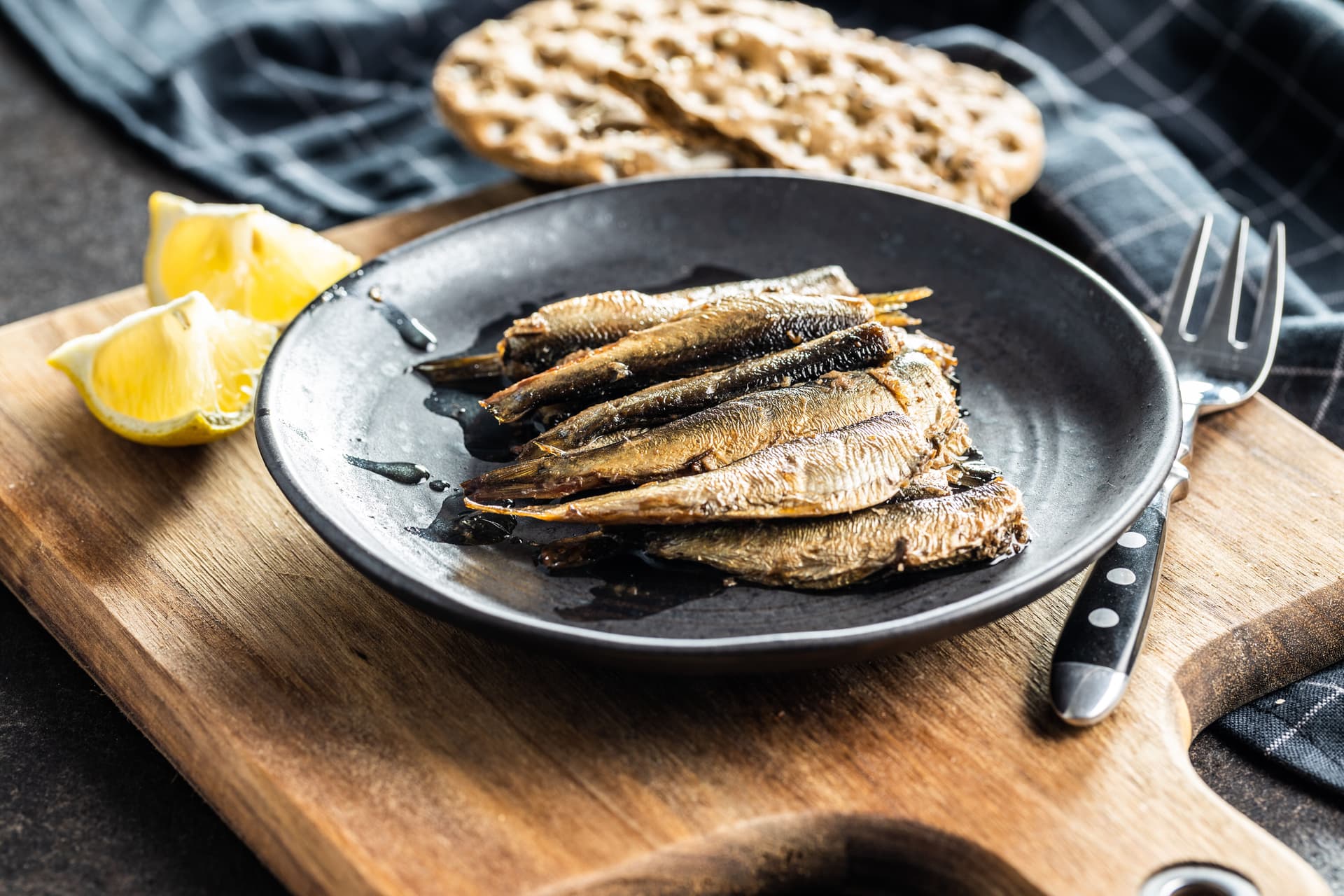
But the headline number is omega-3 content. Sardines deliver approximately 1,480 mg of combined EPA and DHA per can in natural triglyceride form—the most bioavailable omega-3 format. A 2025 meta-analysis published in Scientific Reports synthesized 58 randomized controlled trials and found that each 2,000 mg/day increment in omega-3 supplementation showed significant improvements in attention, perceptual speed, language, primary memory, and visuospatial functions. One can of sardines gets you three-quarters of the way there.
Compare this to supplements. Most cheap fish oil capsules use ethyl ester form omega-3s, which research shows achieves only 73% bioavailability compared to the 100% baseline of natural triglyceride form found in whole fish. You're not just getting nutrients from sardines—you're getting them in the forms your body actually recognizes and uses.
The CDC's Powerhouse Fruits and Vegetables ranking quantified this concept across 47 foods. Watercress scored a perfect 100 out of 100—the only food to achieve maximum nutrient density. It also scores 1,000 on the ANDI (Aggregate Nutrient Density Index), literally double the score of kale. One cup of raw watercress contains just 4 calories but delivers 106% DV of vitamin K, 20% DV of vitamin C, and bioactive compounds including sulforaphane linked to lower cancer risk in epidemiological studies.
Beef liver operates on an entirely different scale. A 3.5-ounce serving provides 2,471% DV of vitamin B12, 1,084% DV of copper, 522% DV of vitamin A as preformed retinol, 63% DV of folate, and 36% DV of iron in heme form. A 2024 systematic review published in Nutrients confirmed that organ meats can enhance absorption of non-heme iron from plant sources by approximately 200% due to naturally present phospholipids and protein fractions.
This isn't supplementation. This is a multivitamin that tastes like food.
Are Sardines Good for Diabetes?
In 2021, researchers published results that made endocrinologists take notice. The study enrolled 152 elderly participants with prediabetes and randomized them to either a standard Mediterranean diet or the same diet plus 200 grams of sardines per week for 12 months.
The results weren't subtle. The proportion of participants classified as "very high risk" for developing type 2 diabetes dropped from 37% to just 8% in the sardine group, compared to 27% to 22% in controls. That's not a 5% improvement—that's a risk reduction magnitude you'd expect from pharmaceutical intervention.
The sardine group also showed significant reductions in insulin resistance, triglycerides, and both systolic and diastolic blood pressure, along with increased HDL cholesterol and adiponectin. The researchers attributed benefits partly to sardines' high taurine content, which doubled in the sardine group from baseline.
But the mechanism extends beyond any single nutrient. A 2023 review in Frontiers in Nutrition argued that sardines provide a "matrix of nutrients with cardiovascular benefits" beyond omega-3s alone. The combination of calcium, potassium, magnesium, zinc, iron, taurine, arginine, and selenium collectively modulates inflammation, oxidative stress, and hemodynamic dysfunction in ways isolated supplementation cannot replicate.
This "food matrix" effect shows up repeatedly in the literature. When you extract omega-3s and put them in a capsule, you lose the synergistic compounds that enhance absorption and biological activity. The vitamin D naturally present in sardines enhances calcium absorption from the bones you're consuming. The selenium content counteracts any potential mercury toxicity by preserving antioxidant enzyme function.
Speaking of mercury: FDA monitoring data from 1990-2012 shows sardines have a mean mercury concentration of just 0.013 parts per million—among the five lowest of all commercial fish tested. Canned light tuna averages 0.126 PPM (nearly 10× higher), albacore tuna 0.350 PPM, and swordfish 0.995 PPM. The FDA classifies sardines as a "Best Choice" fish, safe for 2-3 servings weekly, even for pregnant women and children.
The cardiovascular evidence extends beyond diabetes prevention. A 2024 study published in Mayo Clinic Proceedings analyzed 117,702 UK Biobank participants over a median 12.7-year follow-up. Those with the highest circulating DHA levels had 17% lower all-cause mortality, 21% lower cardiovascular mortality, and 19% lower cancer mortality compared to the lowest quintile. When merged with the FORCE consortium data—160,404 individuals total with 24,342 deaths—all associations held at statistical significance.
Every major outcome you'd want from a medication, delivered by a food that costs less than a latte.
Is Beef Liver Better Than Multivitamins?
If you designed a multivitamin from scratch to address the most common nutritional deficiencies in modern populations, you'd create beef liver. Except liver came first, and the supplement industry has been trying to replicate it ever since.
The numbers are almost absurd. That same 3.5-ounce serving delivers more vitamin B12 than you'd get from eating 21 eggs. More vitamin A than 14 cups of carrots. More folate than 4 cups of spinach. More copper than exists in any supplement you can buy without a prescription.
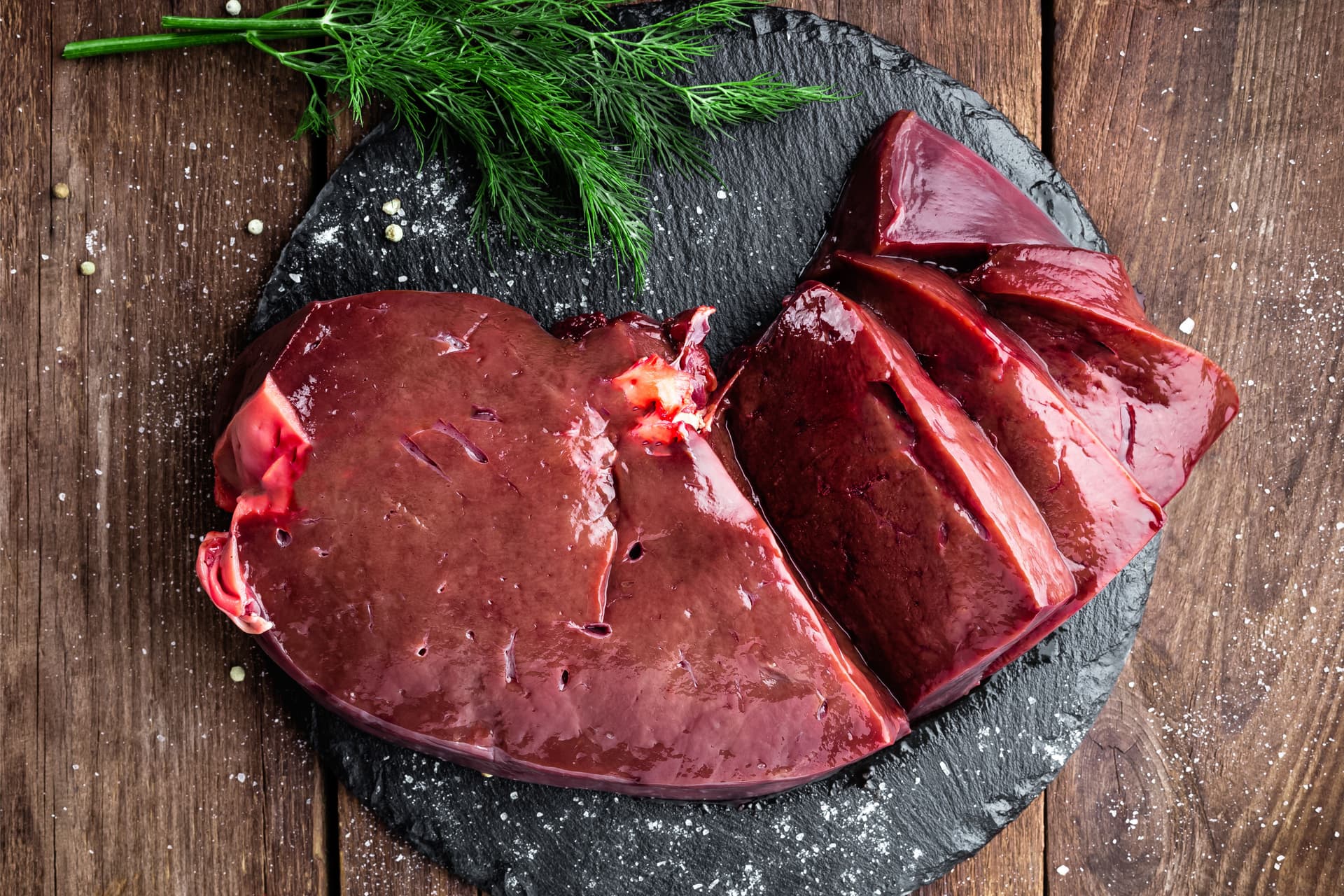
But the critical difference isn't quantity—it's form. Beef liver provides B12 as methylcobalamin and adenosylcobalamin, the active coenzyme forms your body uses directly with no conversion required. Most multivitamins contain cyanocobalamin, a synthetic form requiring enzymatic conversion. For the estimated 30-40% of the population with MTHFR gene variants, that conversion is compromised.
The vitamin A comparison reveals the same pattern. Liver contains retinol, preformed vitamin A that requires no conversion. Your body uses it immediately for immune function, vision, skin health, and gene expression. Most multivitamins contain beta-carotene, a provitamin A carotenoid that must be converted to retinol. Conversion efficiency varies dramatically between individuals based on genetic variations in the BCO1 enzyme.
Iron tells an even clearer story. The heme iron in liver absorbs at 15-35% versus only 2-20% for plant-based non-heme iron. Unlike non-heme iron, heme iron absorption isn't significantly impaired by dietary inhibitors like phytates, polyphenols, or calcium. One practical implication: pairing liver with plant-based iron sources in the same meal can boost total iron absorption by up to 200% through the "meat factor"—animal tissue proteins that enhance non-heme iron uptake.
The cost comparison is striking. Liver typically runs $2-4 per pound, making it the cheapest cut at most butcher counters. Meanwhile, trying to replicate the liver's micronutrient density through individual supplements—B12, vitamin A, iron, copper, folate, and others—quickly becomes expensive, especially when most supplement forms don't match the bioavailability of whole food nutrients.
There are legitimate cautions. Liver should be limited to 1-2 servings per week due to vitamin A toxicity risk above 3,000 micrograms RAE daily. Pregnant women should avoid liver entirely or consult their healthcare provider, as excessive vitamin A during pregnancy can cause birth defects. But for most people, the weekly recommended intake provides extraordinary nutritional value with essentially zero risk.
The barrier isn't safety or availability. It's that liver tastes like liver, and most people would rather swallow pills than develop a taste for organ meats.
Are Fermented Foods Good for Your Gut?
In 2021, Stanford researchers published what may be the most important fermented foods study to date in Cell. Thirty-six healthy adults were randomized to increase consumption of either plant-based fiber or fermented foods over 17 weeks, with extensive immune profiling and microbiome measurements throughout.
The researchers predicted high fiber would increase microbial diversity. The opposite occurred. Adults who consumed fermented foods for 10 weeks had significant increases in overall microbial diversity. Adults who consumed high fiber generally showed no change in microbial diversity.
The inflammatory marker results were even more striking. Every single participant consuming fermented foods showed reduced levels of 19 inflammatory proteins in blood samples. These included interleukin-6, a key mediator linked to rheumatoid arthritis, type 2 diabetes, and chronic stress. The high-fiber group showed no significant changes in inflammatory markers.
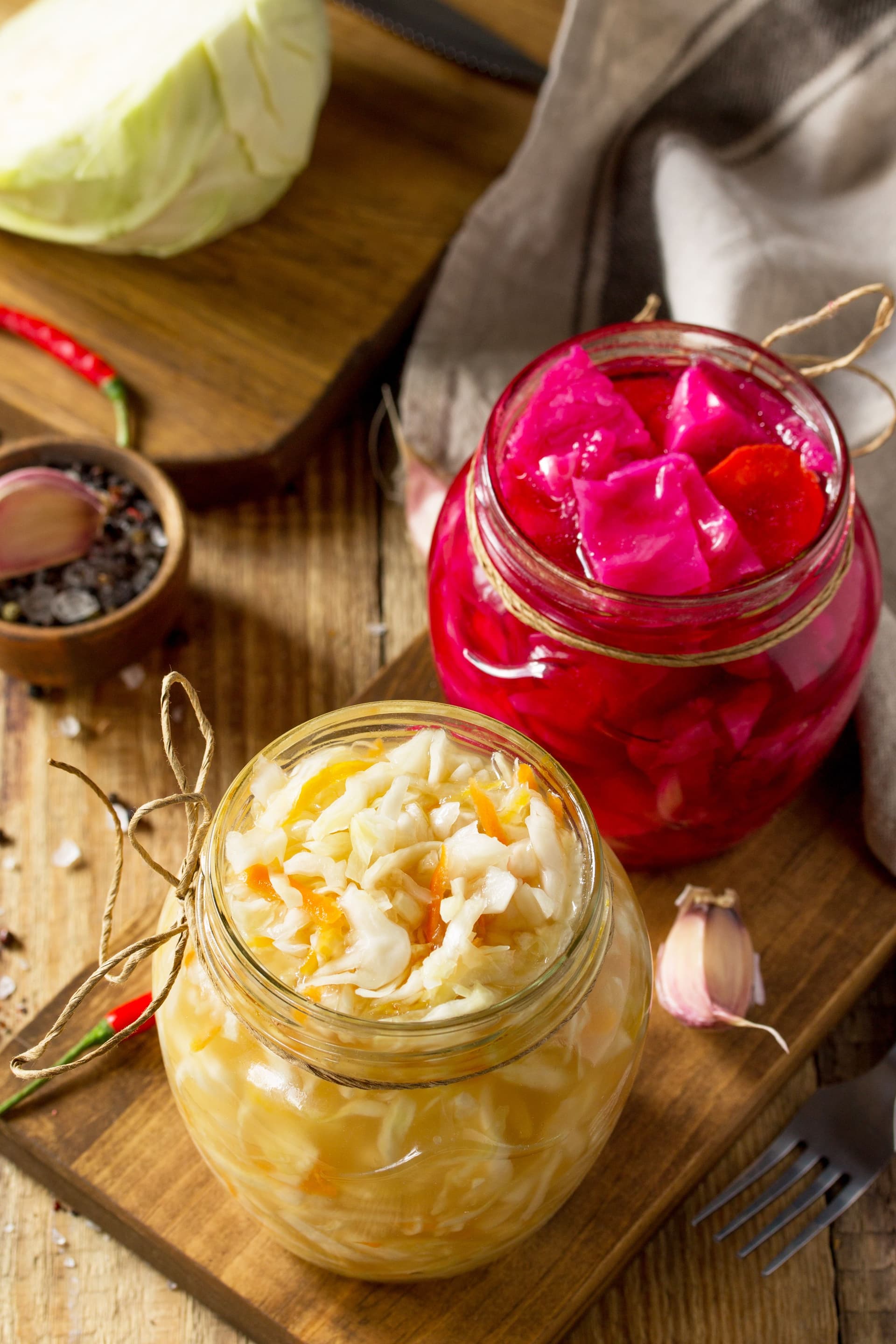
The fermented food protocol ramped participants from zero servings to six daily servings over four weeks—one cup of yogurt at breakfast, a 16-ounce bottle of kombucha at lunch, and a cup of kimchi at dinner amounts to the target intake. Foods included yogurt with live cultures, kefir, fermented cottage cheese, kimchi, sauerkraut, vegetable brine drinks, and kombucha.
Why did fermented foods succeed where fiber failed? The researchers explained that participants on the high-fiber diet who did see inflammatory marker reductions had higher microbiome diversity at baseline. Those without that diversity simply lacked the bacterial species needed to ferment the fiber. High levels of undigested carbohydrates in their stool samples confirmed this.
This suggests that high-fiber diets may not benefit people who already have depleted microbiomes—a growing problem in industrialized populations. Fermented foods deliver both the bacteria needed to process fiber and the beneficial metabolites those bacteria produce.
Kefir stands out even among fermented dairy for containing 30-60+ strains of bacteria and yeasts, far exceeding yogurt's typical 2-5 strains. A separate randomized controlled trial in 60 diabetic patients found that 600 ml per day of kefir for 8 weeks produced statistically significant reductions in fasting blood glucose and HbA1C. A 2024 double-blind RCT showed kefir significantly improved cardiovascular risk indices in elderly participants after 8 weeks.
Fermentation also reduces lactose content by 20-30%, making kefir tolerable for many lactose-intolerant individuals. The Stanford study noted that participants experienced initial bloating during the ramp-up phase, which resolved within two weeks as their microbiomes adapted.
The practical takeaway: start with one-half cup of yogurt or kefir daily for weeks 1-2, add 2 tablespoons of sauerkraut or kimchi for weeks 3-4, then increase to 2-3 varied fermented food servings daily. The gas and bloating some people experience are temporary and indicate your microbiome is adapting.
Is Natto Good for Bone Health?
Natto is fermented soybeans that smell like old socks and have the texture of mucus. It's also the richest dietary source of vitamin K2 in the MK-7 form on the planet, containing 775-1,100 micrograms per 100 grams—roughly 15 times more K2 than the best cheese sources.
A 2025 meta-analysis published in Frontiers in Nutrition examined 6 studies with 2,327 participants and found habitual natto consumption associated with significantly elevated serum MK-7 levels and enhanced osteocalcin carboxylation—a marker of bone health. The pooled effect size was substantial (Cohen's d=2.10).
MK-7 from natto has a 72-hour half-life in the bloodstream, compared to just 1-2 hours for vitamin K1 from leafy greens. This extended circulation provides sustained activation of vitamin K-dependent proteins in bone and vascular tissue. Specifically, MK-7 activates osteocalcin, which binds calcium to bone matrix, and matrix GLA protein, which prevents calcium from depositing in arterial walls.
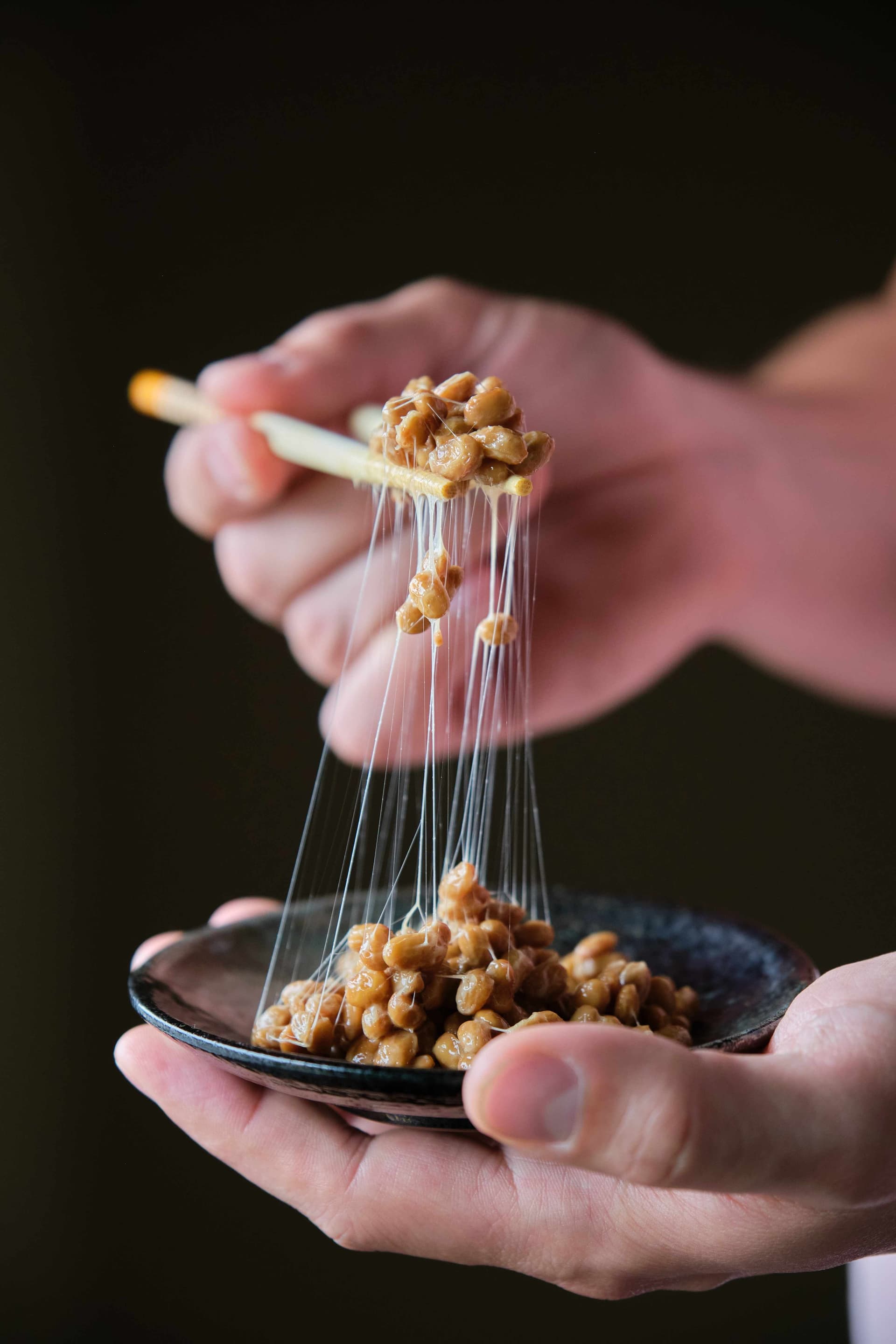
A landmark 2006 study followed 944 healthy Japanese women for three years. Postmenopausal women consuming more than four packs of natto per week (each pack contains about 40 grams with approximately 350 micrograms of MK-7) reduced bone mineral density loss at the femoral neck by over 80% and at the radius by over 60% compared to women who didn't consume natto.
The protective effects increased with age. Women in their fifties eating 4+ packs weekly had 1% BMD loss per year at the femoral neck, versus 1.6% for natto-free diets. Women in their seventies had 0.5% BMD loss per year with high natto intake, versus 1.8% without natto.
A 2023 study published in Nature Scientific Reports showed natto consumption suppressed atherosclerotic plaque progression in animal models by modulating gut microbiota composition. Natto also contains nattokinase, an enzyme demonstrated in human trials to significantly reduce blood pressure in pre-hypertensive subjects.
The challenge is palatability. Traditional Japanese preparation—mixing natto with soy sauce, mustard, and green onion over hot rice—remains the most accessible entry point. The texture softens with mixing, and the pungent flavor becomes less aggressive when combined with rice and seasonings.
For those who absolutely cannot tolerate natto, MK-7 supplements provide the same bone-protective vitamin K2, though they lack natto's additional isoflavones and nattokinase. The therapeutic dose identified in research is 180-375 micrograms of MK-7 daily, achievable from one pack of natto or a supplement.
Which Seaweed Has the Most Iodine?
Iodine deficiency affects approximately 2 billion people globally and remains the most common cause of preventable brain damage worldwide. The nutrient is essential for thyroid hormone production, which regulates metabolism, growth, and development. During pregnancy, severe iodine deficiency causes irreversible cognitive impairment in offspring.
Sea vegetables offer the most concentrated natural iodine sources available, but the key is choosing the right variety. Nori—the seaweed used in sushi—provides safe, consistent iodine levels for daily consumption. You can eat nori sheets as snacks, use them as sushi wraps, or crumble them over rice and salads for a mineral boost.

The critical distinction is dosage. While nori delivers moderate, safe amounts of iodine suitable for regular use, some sea vegetables like kelp contain wildly variable concentrations—sometimes exceeding safe limits by thousands of percent in a single serving. The tolerable upper limit is 1,100 micrograms daily for adults. Kelp can easily exceed this in just a few grams, risking thyroid dysfunction with excessive consumption.
For practical use, stick with nori. A few sheets daily provide meaningful iodine without extreme doses. Wakame works well in miso soup or salads. These varieties give you the nutritional benefits without the risks associated with super-concentrated kelp products.
The bioavailability from whole sea vegetables is excellent—a 2023 randomized trial found iodine absorption from a sushi and wakame meal reached 75% compared to 97% for potassium iodide supplements, confirming sea vegetables as an effective dietary source.
Do Whole Foods Work Better Than Supplements?
The consistent theme across sardines, liver, natto, kefir, and sea vegetables is that nutrient bioavailability from whole foods meets or exceeds supplemental forms—often with additional synergistic benefits.
Omega-3 fatty acids illustrate this clearly. Research shows omega-3s in natural triglyceride form achieve 100% bioavailability as baseline, while the ethyl ester form used in most inexpensive fish oil supplements achieves only 73%. EPA levels rose faster in fish-eating groups than supplement groups within the first 4 weeks.
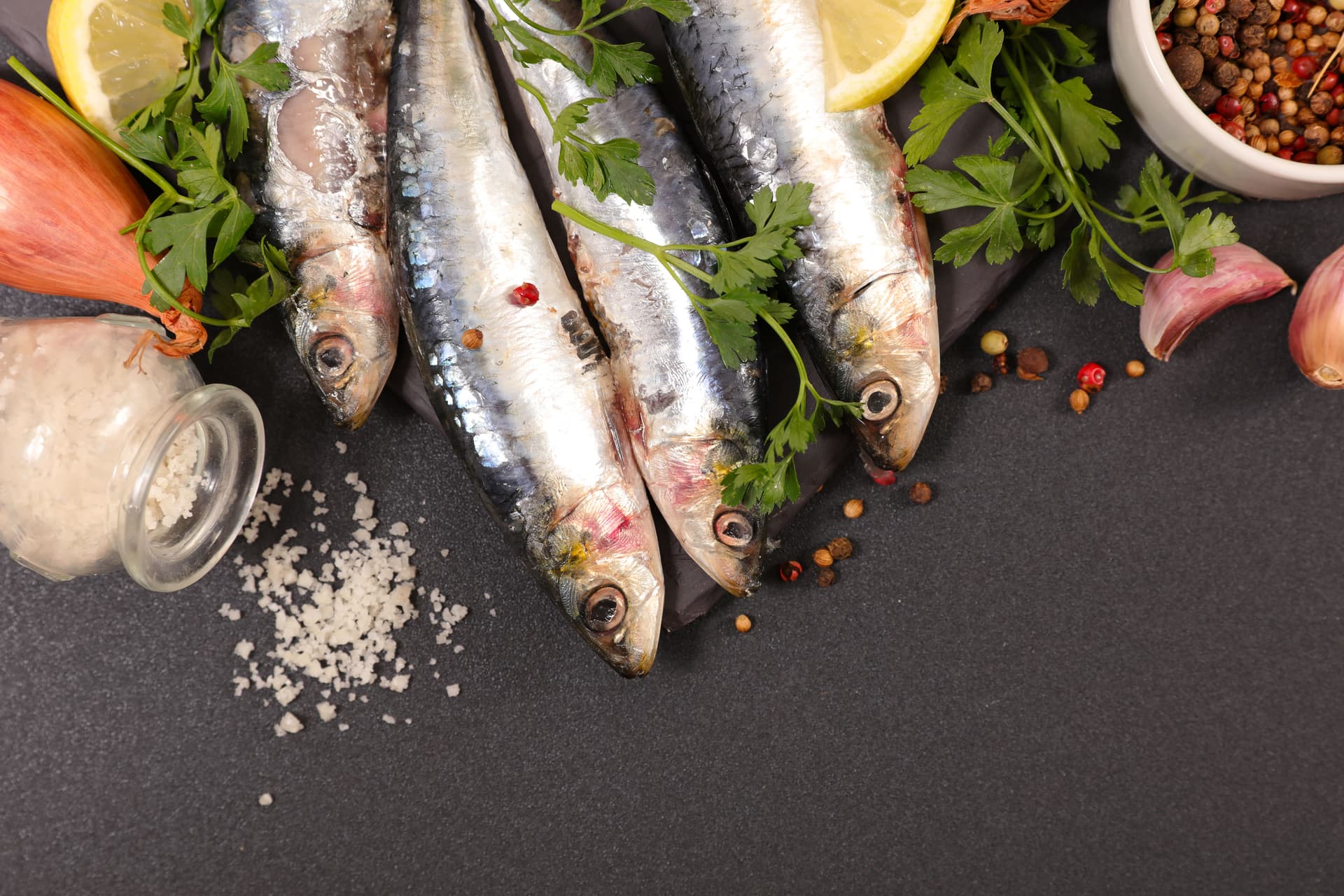
Sardines deliver omega-3s as triglycerides and phospholipids alongside protein, selenium, vitamin D, and calcium—a synergistic matrix that isolated supplements cannot replicate. The vitamin D naturally present enhances calcium absorption from the bones you're consuming. The selenium counteracts any mercury exposure by preserving antioxidant enzymes.
Calcium absorption from sardine bones reaches 21.9-22.5%, comparable to calcium carbonate supplements at 27.4%. But fish bones consist of hydroxyapatite—the same mineral form found in human bone—alongside the vitamin D and K2 that direct calcium to skeletal tissue rather than soft tissue.
For iron, the heme form found in organ meats absorbs at 15-35% compared to just 2-20% for plant-based non-heme iron. Unlike non-heme iron, the heme form remains largely unaffected by dietary inhibitors like phytates, polyphenols, and calcium. Research shows a practical synergy: a 2024 systematic review found that pairing organ meats with plant-based iron sources in the same meal can boost total iron absorption by approximately 200% through what's known as the "meat factor"—animal tissue proteins that enhance non-heme iron uptake.
This creates powerful three-way synergies. Sardine calcium + sardine vitamin D + natto vitamin K2 addresses bone health through three complementary mechanisms simultaneously—calcium provision, calcium absorption enhancement, and calcium deposition direction.
The food matrix advantage extends beyond individual nutrients. Whole foods contain fiber, polyphenols, and compounds we haven't even identified yet that modulate nutrient absorption and metabolism. Your digestive system evolved over millions of years to extract and utilize nutrients from whole foods, not laboratory-created isolated compounds.
How to Eat Sardines Without Hating Them
The primary obstacles to consuming these foods are taste aversion, cultural unfamiliarity, and the "yuck factor"—not cost, availability, or preparation difficulty.
A weekly regimen of 3 cans of sardines ($4.50-9), 4 ounces of liver ($1-2), natto twice ($6-8), daily sauerkraut ($3-5), and nori twice ($2-3) costs approximately $17-27 per week. This replaces roughly $80-150 monthly in supplements—fish oil, multivitamin, probiotics, K2, calcium+D, iron—while providing superior absorption.
For sardines, start with boneless, skinless varieties in olive oil (the mildest option). Mash into tuna-style salad with lemon juice, mustard, and diced celery. Progress to sardines blended into tomato sauce for pasta—the texture becomes smooth, and fishiness disappears. Acid pairings (lemon, vinegar, hot sauce) reliably cut through any remaining fish taste.
For organ meats, the single most effective strategy is blending ground liver into ground beef at a 10-20% ratio for burgers, meatloaf, or bolognese. Most people cannot detect the addition. Chicken liver pâté with shallots and herbs provides a sophisticated entry point. Soaking liver in milk for 30-60 minutes before cooking removes the metallic taste.
For natto, try blending it into miso soup after the broth cools slightly—the savory base masks the texture and the warmth mellows the funk. Alternatively, mix it into scrambled eggs with sesame oil for a protein-rich breakfast where the egg texture camouflages the stringiness.
For fermented foods, gradual introduction prevents digestive discomfort. Start with one-half cup of yogurt or kefir daily, add 2 tablespoons of sauerkraut or kimchi after two weeks, then increase to 2-3 servings daily. Mild bloating during the first week is normal and resolves as your microbiome adapts.
For sea vegetables, nori sheets work as snacks, sushi wraps, or crumbled seasoning. These require zero culinary skill and provide meaningful iodine without extreme doses.
Which Nutrient-Dense Food Should I Start With?
You don't need to overhaul everything simultaneously. That approach fails. Instead, add one nutrient-dense food this week and make it non-negotiable for 30 days.
If you choose sardines: Buy 3-4 cans—boneless/skinless for your first attempt if texture concerns you, but bone-in/skin-on varieties once you're comfortable. The bones and skin deliver significantly more calcium and vitamin D, and after a few tries, the texture becomes unnoticeable when mashed or blended into recipes. Commit to one can weekly for a month. Mash with avocado, lemon, and hot sauce on toast, or blend into pasta sauce.
If you choose liver: Buy 1 pound of beef or chicken liver. Soak in milk for 1 hour, then pan-fry with butter and onions, or make pâté. Eat 3-4 ounces weekly.
If you choose fermented foods: Buy plain kefir or yogurt with live cultures, plus one jar of sauerkraut or kimchi. Consume one serving of each daily for 30 days. Monitor digestive changes.
If you choose natto: Order frozen natto from an Asian grocery. Eat one 40-gram pack twice weekly over rice with soy sauce and mustard. Give it three tries before deciding.
If you choose sea vegetables: Buy a package of nori sheets. Eat 2-3 sheets daily as snacks or crumbled over meals. Consistent small doses matter more than sporadic large ones.
After 30 days of consistency with one food, add a second. After 60 days, add a third. Within six months, you've integrated multiple nutrient-dense foods into regular rotation without overwhelming dietary changes.
The alternative is continuing to buy expensive supplements that may not absorb well, don't provide food-matrix synergies, and cost multiples of what these whole foods cost. The research is clear. The foods are available. The only remaining barrier is the gap between knowing and doing.
That gap closes the moment you open the first can.
References:
- https://www.nutritionadvance.com/sardines-nutrition-benefits/
- https://pubmed.ncbi.nlm.nih.gov/33932804/
- https://fdc.nal.usda.gov/fdc-app.html#/food-details/175139/nutrients
- https://pmc.ncbi.nlm.nih.gov/articles/PMC10153001/
- https://pubmed.ncbi.nlm.nih.gov/33932804/
- https://www.fda.gov/food/environmental-contaminants-food/mercury-levels-commercial-fish-and-shellfish-1990-2012
- https://www.nature.com/articles/s41598-025-16129-8
- https://www.mayoclinicproceedings.org/article/S0025-6196(23)00603-1/fulltext
- https://ods.od.nih.gov/factsheets/Omega3FattyAcids-HealthProfessional/
- https://www.healthline.com/nutrition/why-liver-is-a-superfood
- https://ro.co/supplements/vitamin-b12-foods/
- https://pmc.ncbi.nlm.nih.gov/articles/PMC11174546/
- https://pubmed.ncbi.nlm.nih.gov/34256014/
- https://med.stanford.edu/news/all-news/2021/07/fermented-food-diet-increases-microbiome-diversity-lowers-inflammation.html
- https://blog.hirschorganic.com/vitamin-a-toxicity-does-beef-liver-contain-too-much-vitamin-a/
- https://med.stanford.edu/nutrition/research/completed-studies/fefifo.html
- https://www.frontiersin.org/journals/nutrition/articles/10.3389/fnut.2025.1713726/full
- https://pubmed.ncbi.nlm.nih.gov/10874601/
- https://www.nature.com/articles/s41598-023-48562-y
- https://pmc.ncbi.nlm.nih.gov/articles/PMC10724604/
- https://ods.od.nih.gov/factsheets/Iodine-HealthProfessional/
- https://pubmed.ncbi.nlm.nih.gov/20638827/
- https://www.mdpi.com/2304-8158/13/12/1840
- https://pubmed.ncbi.nlm.nih.gov/3290310/
- https://pubmed.ncbi.nlm.nih.gov/25905057/
- https://pubmed.ncbi.nlm.nih.gov/3290310/
- https://pmc.ncbi.nlm.nih.gov/articles/PMC11174546/
- https://www.cdc.gov/pcd/issues/2014/13_0390.htm


 Facebook
 Instagram
 LinkedIn