


Published: April 13, 2026
You've walked past it a thousand times. Sliced it into salads. Maybe even teared up cutting it for dinner. But that humble onion sitting in your kitchen? It contains one of the most extensively researched natural compounds on the planet—a flavonoid that outperforms pharmaceuticals for inflammation, protects your brain, regulates blood sugar, and fights cancer without a single side effect.
Quercetin is found in onions, apples, berries, broccoli, and citrus fruits. It's been sitting right there in the produce aisle while millions of people reach for prescriptions that come with black box warnings, liver damage, and gastrointestinal bleeding.
According to Sayer Ji's GreenMedInfo—the world's largest open-access natural health database, quercetin has over 870 peer-reviewed studies documenting its therapeutic effects. We're talking about research showing this single plant compound can lower blood pressure as effectively as medication, reduce inflammatory markers better than anti-inflammatory drugs, protect nerve tissue, stop cancer cells from spreading, and support your body's natural ability to heal itself.
Big Pharma has known about quercetin for decades. They've tried to isolate it, patent modified versions, and replicate its effects synthetically. But they can't improve on what God already designed perfectly. And they definitely can't patent an onion.
Does Quercetin Actually Lower Blood Sugar and Protect Against Diabetes?
If you've been told that Type 2 diabetes requires lifelong medication management, you need to read this.
Research published in the Journal of Nutrition examined whether mice fed quercetin-rich apple and cherry extracts could counteract the harmful effects of a high-fat diet. The results? Mice consuming quercetin became just as obese as high-fat-fed mice, but their blood glucose concentrations dropped 36% after food deprivation compared to controls. Serum C-reactive protein—a key inflammation marker—was reduced 29% in quercetin-fed mice.
A dose-dependent analysis showed that liver cells exposed to quercetin demonstrated significantly decreased lipid accumulation. In other words, quercetin didn't just improve blood sugar—it directly reduced fat storage in liver tissue at the cellular level.
But here's where it gets even more interesting for people already dealing with diabetes complications. A topical compound containing quercetin, ascorbyl palmitate, and vitamin D3 was formulated specifically to reduce oxidative stress contributing to peripheral diabetic neuropathy. The randomized, placebo-controlled trial showed that this quercetin-based formula safely relieved symptoms of diabetic neuropathy and enhanced quality of life in just four weeks.
For those dealing with advanced metabolic dysfunction, quercetin displayed protective effects in both kidneys and liver of obese animal models with Type 2 diabetes. After eight weeks of quercetin supplementation, fasting blood glucose levels decreased, fat accumulation in the liver reduced, and renal fibrosis improved significantly.
This isn't about managing symptoms with medications that create side effects requiring more medications. This is about addressing oxidative stress at the root—the actual mechanism driving diabetic complications.
Can Quercetin Lower Blood Pressure Without Pharmaceutical Side Effects?
Heart disease kills more Americans than any other condition. And the pharmaceutical answer? Statin drugs, blood pressure medications, and blood thinners—each with its own devastating side effect profiles.
A systematic review and meta-analysis of 17 randomized controlled trials involving 896 participants examined quercetin supplementation's effects on blood pressure and metabolic markers. The pooled results were striking: quercetin significantly lowered systolic blood pressure by 3.09 mmHg and diastolic blood pressure by 2.86 mmHg.

In subgroup analyses, participants who consumed quercetin for eight weeks or more showed significantly improved HDL cholesterol and triglyceride levels. No pharmaceutical side effects. No sexual dysfunction. No muscle pain or liver enzyme elevations that come standard with statin drugs.
But the cardiovascular benefits go deeper than just blood pressure numbers. Research on onion peel extract—which is rich in quercetin—examined whether 100 mg daily could improve cardiovascular function in overweight adults. After just 12 weeks, the quercetin group increased flow-mediated dilation from 12.5% to 15.2%, indicating enhanced blood vessel flexibility and vasodilation.
What does that mean in practical terms? Your blood vessels can actually relax and expand properly again. The endothelial cells lining your arteries start functioning the way they were designed to. Blood flow improves. Oxygen delivery increases. And your heart doesn't have to work as hard to pump blood through constricted, inflamed vessels.
Studies also demonstrate that quercetin protects heart tissue from oxidative stress through its potent antioxidant properties, significantly improving levels of superoxide dismutase, catalase, and glutathione—your body's natural defense systems against cellular damage.
This is how healing is supposed to work. Not by artificially manipulating one biochemical pathway while creating collateral damage everywhere else.
Does Quercetin Stop Cancer Cells From Spreading?
Chemotherapy destroys cancer cells. It also destroys healthy cells, devastates the immune system, causes hair loss, triggers severe nausea, and leaves patients vulnerable to life-threatening infections.
What if there were a compound that could target cancer cells while leaving healthy tissue untouched?
Research on non-small cell lung cancer found that quercetin inhibited the migration and invasion of cancer cell lines and suppressed bone metastasis in an orthotopic xenograft model. The survival times of animals were also prolonged after quercetin treatment.

Here's the mechanism: quercetin suppressed Snail-mediated epithelial-to-mesenchymal transition—the process that allows cancer cells to break away from the primary tumor and spread throughout the body. Clinical samples revealed that patients with certain tumor markers had the shortest survival times, and quercetin directly targeted those pathways.
A comprehensive review published in the International Journal of Molecular Sciences examined quercetin's anti-cancer effects on cellular metabolism. Cancer cells reprogram their metabolism to support uncontrolled expansion—they shift toward glycolysis for building biomass at the expense of normal mitochondrial function.
Quercetin targets this metabolic reprogramming. It modulates PI3K/Akt/mTOR pathways, promotes loss of cell viability, induces apoptosis (programmed cell death in cancer cells), and triggers autophagy—the body's natural process for cleaning up damaged cells.
This research doesn't suggest quercetin replaces comprehensive cancer care. But it validates what the MaxLiving movement has been teaching: God's design for healing through food is not only valid—it's often superior to synthetic interventions that create as many problems as they solve.
Can Quercetin Reduce Body Weight and Inflammation Simultaneously?
Obesity isn't just about calories. It's about chronic inflammation driving metabolic dysfunction. And that inflammation creates a vicious cycle: fat tissue produces inflammatory chemicals, those chemicals promote more fat storage, and conventional medicine's answer is either restrictive diets that fail or weight-loss drugs with dangerous side effects.
A study examining quercetin's effects on obesity used multiple models, including cell cultures, zebrafish, and mice. In mice, quercetin reduced body weight by almost 40% and suppressed expression of adipogenic, lipogenic, and inflammation-related cytokines.

Forty percent body weight reduction. Let that sink in.
Quercetin suppressed key adipogenic factors and enzymes involved in fat synthesis. It down-regulated mTOR and p70S6K activation—pathways related to insulin signaling and fat cell formation. It inhibited inflammatory signaling factors ERK1/2, JNK, and p38MAPK.
But here's what makes this remarkable: quercetin didn't just reduce fat—it reduced the inflammation driving obesity-related diseases. It inhibited secretion of inflammatory cytokines IL-1β and IL-6 while stimulating IL-10, an anti-inflammatory cytokine that helps resolve chronic inflammation.
This is root cause medicine. Not symptom suppression. Not forcing your metabolism to do something unnatural. Just removing interference and providing what your body was designed to work with.
Does Quercetin Protect Brain Tissue and Support Nervous System Function?
Your nervous system coordinates every function in your body. When nerve signals can't travel freely—when neurons are damaged by oxidative stress, when inflammation disrupts communication between cells—your body's innate healing power becomes compromised.
For anyone who understands our Core Chiropractic Essential, this should make you sit up and pay attention.
Research on diabetic retinopathy—recognized as a neurodegenerative disease of the retina—showed that quercetin treatment significantly increased levels of neurotrophic factors BDNF and NGF while inhibiting apoptosis of retinal neurons.

Quercetin augmented anti-apoptotic protein Bcl-2 and prevented neuronal damage caused by diabetes-induced oxidative stress.
Translation: quercetin protected nerve tissue from degenerating and supported the production of compounds essential for neuron survival and function.
But the neuroprotective effects extend beyond the eyes. Studies on natural plant products, including quercetin, demonstrate important effects on immunoexcitotoxicity—a common mechanism in neurological disorders. By suppressing microglial activation and reducing inflammatory mediators, quercetin dramatically affects the pathophysiology of central nervous system disorders and promotes the release of neurotrophic factors essential for CNS healing.
Research specifically on Alzheimer's disease indicates quercetin protects neurons from oxidative damage while reducing lipid peroxidation. Beyond its antioxidant properties, it inhibits fibril formation—the toxic protein aggregates that destroy brain tissue in Alzheimer's patients.
When your nervous system can communicate without interference, when neurons are protected from oxidative damage, when inflammation is resolved rather than suppressed—that's when your body's capacity for movement, coordination, and healing becomes extraordinary.
This is the wisdom behind removing subluxations and supporting nerve function with compounds God designed specifically for that purpose.
Does Quercetin Help With Allergies and Immune Function?
Seasonal allergies send millions of people reaching for antihistamines that leave them drowsy, dehydrated, and still dealing with symptoms. The pharmaceutical approach? Suppress histamine release artificially while creating dependence and side effects.
Research on allergic rhinitis found that oral administration of quercetin at 25 mg/kg for five days significantly inhibited sneezing and nasal rubbing behaviors induced by allergen exposure. Quercetin significantly reduced levels of substance P, calcitonin gene-related peptide, and nerve growth factor—neuropeptides that drive allergic responses.
The researchers concluded that quercetin is a strong candidate for supplementation in the management and treatment of allergic diseases, especially allergic rhinitis.
But quercetin's immune benefits go beyond just blocking histamine. Studies on its anti-inflammatory and bronchodilating effects show that quercetin derivatives demonstrate phosphodiesterase-4 inhibitory activity equal to or greater than pharmaceutical compounds currently in clinical trials for asthma and chronic obstructive pulmonary disease.
The difference? Pharmaceutical PDE4 inhibitors come with adverse responses. Quercetin provides the anti-inflammatory and bronchodilating benefits without the side effects.
Your immune system isn't broken. It's responding to signals in your environment and internal biochemistry. Support those systems naturally, and your body knows exactly what to do.
What Other Conditions Does Quercetin Address?
The research on quercetin extends far beyond what we've covered so far.
Sepsis—a severe and often fatal condition affecting 750,000 Americans annually—showed that quercetin administration reduced tissue damage, decreased reactive oxygen species levels, and significantly downregulated High Mobility Group Box 1 protein expression. The findings suggest quercetin has therapeutic potential in treating sepsis when conventional anti-inflammatory drugs fail.
For those dealing with gout or elevated uric acid, a randomized, double-blind, placebo-controlled trial found that 500 mg quercetin daily for four weeks significantly lowered plasma uric acid concentrations by 26.5 µmol/L in healthy males with pre-hyperuricemia—without affecting glucose levels or blood pressure.
Even in kidney transplant patients, a randomized controlled trial using quercetin and curcumin showed beneficial effects on early graft function, demonstrating these natural compounds' renoprotective and antioxidant properties in one of medicine's most critical interventions.
Research also indicates that quercetin effectively decreases serum homocysteine levels, elevated homocysteine being a significant risk factor for cardiovascular disease and stroke.
MaxLiving's Vision: Food by God Working the Way It Was Designed
If there's one thing quercetin proves beyond doubt, it's this: your body already knows how to heal itself. The MaxLiving movement has never been about convincing your body to do something unnatural. It's about clearing the path so your innate healing power can do what it was created to do.
Quercetin doesn't force your body to behave—it supports the processes already hardwired into your DNA.
This embodies our Nutrition Essential perfectly. Quercetin isn't a synthetic chemical rushed through FDA approval. It's a flavonoid that's been part of the human diet for thousands of years. Ancient healers understood its power long before modern science could explain how it modulates inflammatory pathways, protects neurons, regulates blood sugar, and stops cancer cells from spreading.
It also connects directly to our Minimize Toxins Essential. Every time you choose quercetin-rich foods over pharmaceuticals with devastating side effect profiles, you're reducing your toxic load. You're allowing your body to function as designed instead of suppressing symptoms with drugs that create more problems than they solve.
This is where Sayer Ji's work at GreenMedInfo becomes invaluable. While mainstream medicine continues to ignore or downplay natural interventions, Sayer and his team have systematically compiled over a decade's worth of peer-reviewed research.
When someone dismisses natural healing as "not evidence-based," you now have access to 870+ peer-reviewed studies proving otherwise. This is why our partnership with GreenMedInfo matters so deeply. Their research gives you the scientific backing to trust that God's design for healing through food is not only valid—it's superior.
How to Use Quercetin for Optimal Health
1. Add Quercetin-Rich Foods to Your Daily Routine
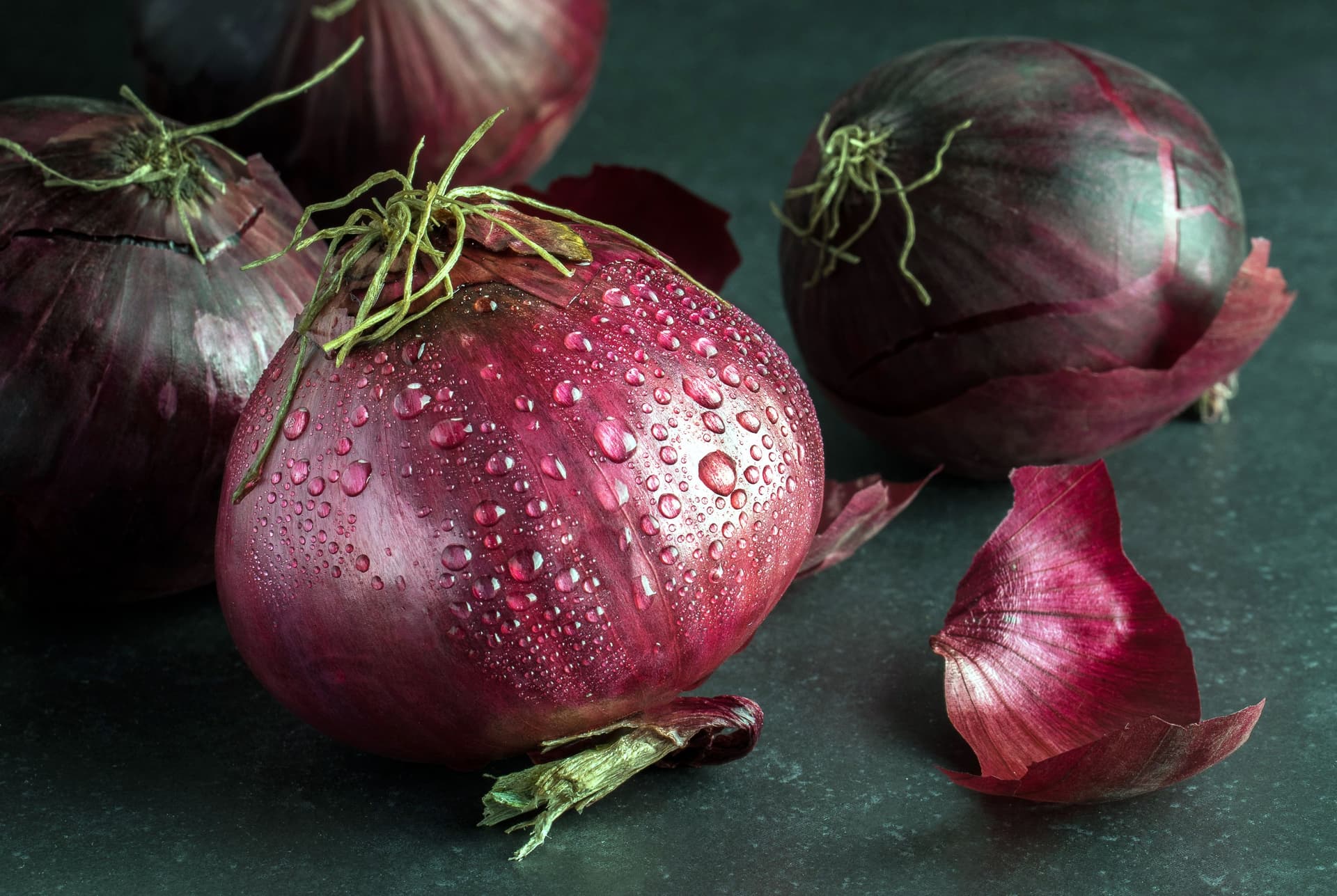
The richest dietary sources include red onions, capers, kale, cherry tomatoes, red apples, red grapes, berries (especially cranberries and blueberries), broccoli, and citrus fruits. A diet rich in these whole foods provides quercetin along with synergistic compounds that enhance its absorption and effectiveness.
Red onions are particularly potent—one medium onion provides approximately 20-50 mg of quercetin. Don't skip the outer layers; the highest concentrations are in the outermost rings.
2. Consider Therapeutic Supplementation
For therapeutic doses, clinical studies have used between 500 mg to 1,000 mg daily of quercetin. Supplements are available in capsule or powder form. Look for quercetin with added bromelain or vitamin C, which can enhance absorption.
Remember: whole foods consumed regularly provide broad-spectrum benefits that isolated supplements may not fully replicate. But for addressing specific health conditions, therapeutic doses may be necessary.
3. Comprehensive Cellular Support
While quercetin-rich foods provide foundational antioxidant and anti-inflammatory support, those seeking comprehensive cellular optimization may benefit from our Cellular Health & Longevity formula. This advanced blend combines clinically studied ingredients to support mitochondrial function, reduce oxidative stress, and optimize cellular performance—working synergistically with natural compounds like quercetin to enhance your body's innate healing capacity.
- Explore GreenMedInfo's Quercetin Research Database
Sayer Ji's GreenMedInfo is the world's most widely-cited, evidence-based natural health resource. Visit GreenMedInfo's Quercetin research page to explore over 870 studies on this remarkable compound's therapeutic applications. Whether you're dealing with inflammation, cardiovascular concerns, metabolic dysfunction, or neurological issues, their database contains peer-reviewed research specific to your needs.
This is the arsenal that gives you receipts when the sick care system tells you "there's no evidence."
5. Work With Your Healthcare Provider
If you're currently taking medications for blood pressure, blood sugar, inflammation, or any chronic condition, have an informed conversation with your doctor about natural approaches. Bring the research. Print the studies from GreenMedInfo. Don't let anyone dismiss your desire to address root causes instead of just managing symptoms.
You have the right to informed consent and the right to explore options that support your body's natural healing capacity.
6. Stay Connected to the Movement
Join the MaxLiving community by signing up for MaxLiving's newsletter to stay updated on natural health strategies, upcoming events, and ways to take your health back. For ongoing access to cutting-edge research, also subscribe to GreenMedInfo's free newsletter for the latest peer-reviewed studies on natural medicine.
7. Share This Information
How many people do you know struggling with diabetes, high blood pressure, chronic inflammation, or autoimmune conditions? How many are taking multiple pharmaceuticals with concerning side effects? Share this article. Share the research. Be the person who introduces someone to healing possibilities they didn't know existed.
Small daily choices add up. Heroes grow here, and sometimes being a hero is as simple as sharing knowledge that could change someone's trajectory from pharmaceutical dependency to natural healing.
About This Research:
All research and information referenced in this article is sourced from GreenMedInfo.com, founded by Sayer Ji. GreenMedInfo is the world's most widely-referenced, open-access, evidence-based natural health resource, containing over 95,000 peer-reviewed study abstracts on natural medicine. Their comprehensive database on quercetin includes 870+ studies, making it one of the most extensively researched flavonoids in their collection.
Disclaimer: This content is educational and not intended to diagnose, treat, cure, or prevent any disease. Always consult with your healthcare provider before making changes to any health protocol or medication regimen. Quercetin may interact with certain medications including blood thinners and immunosuppressants, so professional guidance is essential.
References:
- https://greenmedinfo.com/blog/quercetin-what-it-and-why-you-need-it
- https://greenmedinfo.com/article/polyphenol-rich-apple-peel-extract-cherry-extract-and-quercetin-modulates-some
- https://greenmedinfo.com/article/combination-quercetin-ascorbyl-palmitate-and-vitamin-d-appears-safely-offer-re
- https://greenmedinfo.com/article/protective-effects-quercetin-and-crocin-kidneys-and-liver-obese-sprague-dawley
- https://greenmedinfo.com/article/quercetin-intake-resulted-significantly-decreased-blood-pressure-humans
- https://greenmedinfo.com/content/kitchen-staple-holds-regenerative-key-blood-vessels-onions-vascular-healing-ca
- https://greenmedinfo.com/article/quercetin-has-protective-effect-against-sodium-fluoride-induced-oxidative-stre
- https://greenmedinfo.com/article/quercetin-suppresses-metastatic-ability-lung-cancer
- https://cdn.greenmedinfo.com/article/anti-cancer-effect-quercetin-molecular-implications-cancer-metabolism
- https://greenmedinfo.com/article/quercetin-may-represent-potential-therapeutic-agent-other-metabolic-disorders-
- https://greenmedinfo.com/article/quercetin-can-be-suitable-therapeutic-agent-prevent-neurodegeneration-diabetic
- https://greenmedinfo.com/article/plant-extracts-curcumin-quercetin-green-tea-balcalein-and-luteolin-offer-prote
- https://greenmedinfo.com/article/neuroprotective-effects-quercetin-alzheimers-disease
- https://greenmedinfo.com/article/quercetin-will-be-good-candidate-supplement-management-and-treatment-allergic-
- https://greenmedinfo.com/article/quercetin-and-its-derivatives-have-phosphodiesterase-inhibitory-activity-equal
- https://greenmedinfo.com/article/quercetin-has-therapeutic-potential-treatment-sepsis
- https://greenmedinfo.com/article/quercetin-lowers-plasma-uric-acid-pre-hyperuricaemic-males
- https://greenmedinfo.com/article/bioflavonoid-therapy-curcumin-and-quercetin-improves-cadaveric-renal-transplan
- https://greenmedinfo.com/article/quercetin-reduces-serum-homocysteine-level-rats-fed-methionine-enriched-diet
- http://www.greenmedinfo.com/substance/quercetin


 Facebook
 Instagram
 LinkedIn