


Published: February 25, 2026
Imagine a natural compound that outperforms metformin for diabetes, earns the nickname "nature's Ozempic" for weight loss, prevents colon cancer recurrence, and protects your brain—all without pharmaceutical side effects. Now imagine it costs less than five dollars.
Sounds too good to be true? It's probably not in your supplement cabinet yet, but it should be.
You might have heard whispers about berberine in health circles, maybe even seen it called "nature's Ozempic" on social media. But here's what mainstream medicine doesn't want you to know: this golden-yellow alkaloid extracted from plants like goldenseal and barberry has been studied in over 600 clinical trials and consistently matches or outperforms pharmaceutical drugs. Without the devastating side effects.
According to an article on GreenMedInfo, the world's largest open-access natural health database, founded by Sayer Ji, berberine is one of the most extensively studied natural compounds on the planet, with over 627 abstracts indexed covering 180 different health conditions. We're talking about peer-reviewed studies published in respected medical journals, not supplement marketing hype.
And Big Pharma? They're scrambling to figure out how a plant compound that costs pennies can do what their patented drugs do—often better.
Berberine vs. Pharmaceuticals: The Research Evidence
In 2020 alone, over 92 million metformin prescriptions were written, and that number continues climbing. Add in the weight-loss drugs, cholesterol medications, and blood pressure pills, and you've got a nation dependent on pharmaceuticals that mask symptoms without addressing root causes.
But what if there was something that could address multiple metabolic dysfunctions simultaneously, without suppressing your body's natural intelligence? What if it had been used safely for thousands of years in traditional medicine, and modern science was only now catching up to what ancient healers already knew?
Welcome to the berberine revolution.
GreenMedInfo's Berberine Research Database: 627 Studies
This is exactly why our partnership with GreenMedInfo matters. For years, people questioning pharmaceutical interventions have been told "there's no research to support natural alternatives." That narrative just collapsed.
Sayer Ji and his team at GreenMedInfo have spent over a decade building the world's most comprehensive natural medicine research database, and berberine sits among their most extensively documented compounds. We're not talking about a handful of small studies. We're talking about 627 peer-reviewed abstracts showing that this golden compound works through multiple pathways to restore metabolic health.
This isn't supplement hype. This is published science that Big Pharma doesn't want trending on your social media feed.
1. Does Berberine Work for Type 2 Diabetes and Blood Sugar?
If you've been told you're prediabetic or type 2 diabetic, you've probably heard the standard script: "You'll need to take metformin for the rest of your life." What they don't tell you is that metformin can cause vitamin B12 deficiency, gastrointestinal distress, and in rare cases, life-threatening lactic acidosis that's fatal in about 50 percent of cases.
Here's what makes berberine different: it doesn't just suppress symptoms. It addresses the root dysfunction at the cellular level while protecting your organs from the damage that diabetes causes.
Research published examined berberine head-to-head against metformin in adults with newly diagnosed type 2 diabetes. In this three-month trial, berberine performed identically to metformin, reducing hemoglobin A1c by 2 percent (a relative reduction of 21 percent), slashing fasting blood glucose by 3.8 mmol/L, and lowering postprandial blood sugar by 8.8 mmol/L.
But here's the kicker: berberine also improved lipid profiles better than metformin, significantly reducing total cholesterol and triglycerides. The metformin group? They got blood sugar control but none of the cardiovascular benefits.
In another rigorous trial involving prediabetic adults, taking a specialized berberine supplement for just two months resulted in dramatic improvements across multiple markers. Compared to placebo, the berberine group experienced greater reductions in fasting blood sugar, insulin levels, total cholesterol, triglycerides, and even visceral abdominal fat—the dangerous fat that surrounds your organs.
We're talking about 91.5 grams of visceral fat lost on average compared to placebo, measured by CT scan. That's not vanity weight. That's metabolic health restored.
Perhaps most remarkably, research revealed that berberine protects pancreatic beta cells—the insulin-producing cells that diabetes destroys. It increases insulin sensitivity in peripheral tissues, stimulates healthy glucose metabolism, and reduces insulin resistance by enhancing energy expenditure and limiting obesity-driven dysfunction.
Your body wasn't designed to need synthetic drugs to manage blood sugar. It was designed to heal itself when given the right tools, and berberine is one of those tools.
2. Can Berberine Help With Weight Loss and Belly Fat?
If you've been paying attention to health news, you've heard about Ozempic and similar GLP-1 drugs being hailed as miracle weight-loss solutions. What you might not have heard is that these drugs come with serious risks: gastroparesis (stomach paralysis), pancreatitis, kidney problems, and potential thyroid tumors.
Berberine has earned the nickname "nature's Ozempic" for good reason.
According to research, a systematic review and meta-analysis of 12 studies found that berberine significantly decreased body weight, body mass index, waist circumference, and C-reactive protein (a measure of inflammation). These aren't modest changes—we're talking about measurable reductions in the most dangerous type of body fat.
In one study, diabetic patients taking berberine experienced significant decreases in waist size and waist-to-hip ratio even when total body weight didn't change dramatically. This matters because visceral fat—the fat around your organs—is far more dangerous to your health than subcutaneous fat you can pinch.
Another clinical trial examined patients taking antipsychotic medications, which are notorious for causing rapid weight gain and metabolic syndrome. Compared to placebo, those receiving berberine showed significantly greater reductions in weight gain at 9 weeks and 12 weeks, along with improvements in BMI, total cholesterol, LDL cholesterol, and glycated hemoglobin. No serious adverse events were reported.
The difference between berberine and pharmaceutical weight-loss drugs is profound. Berberine doesn't override your body's natural appetite signals or paralyze your digestive system. It works by activating AMPK (AMP-activated protein kinase), often called your body's "metabolic master switch," which regulates how your cells produce and use energy.
This is exactly what our Nutrition Essential is all about. Your body doesn't need synthetic chemicals that create dependency and side effects. It needs support for its natural metabolic processes.
3. How Does Berberine Prevent Colon Cancer and Polyps?
Colon polyps, or adenomas, develop into colorectal cancer if left unchecked. Even after polyp removal, new polyps return in 40 percent or more of cases within three years. Conventional medicine's answer? Repeated invasive colonoscopies or expensive drugs with significant side effects.
Berberine offers a different path.
In a two-year randomized placebo-controlled trial, berberine supplementation (0.3 grams taken twice daily) safely reduced the relative risk of recurrent colon adenomas by 23 percent compared to placebo. Twenty-three percent fewer people developed new polyps simply by taking an inexpensive plant compound twice a day.
Compare that to conventional chemoprevention drugs. The EGFR inhibitor erlotinib (Tarceva) reduces polyp recurrence but costs over $10,000 per month and causes rash, fatigue, and cardiovascular risks. NSAID drugs like sulindac (Aflodac) also prevent polyps but are linked to ulcers, hemorrhage, and even mortality.
Berberine? Pennies per dose. Zero serious side effects reported in the study.
4. Berberine for Heart Health and Cholesterol Management
Cardiovascular disease remains the leading cause of death in the United States. The conventional approach focuses almost exclusively on cholesterol management through statin drugs, which come with their own serious risks including muscle damage, cognitive impairment, and increased diabetes risk.
Published research reveals a different approach. Berberine exerts powerful anti-atherosclerotic effects by reducing LDL cholesterol through both LDL receptor-dependent and independent mechanisms, inhibiting inflammatory activity in macrophages, improving endothelial cell function through antioxidant activity, and suppressing proliferation of vascular smooth muscle cells.
In other words, berberine addresses the actual root causes of heart disease: chronic inflammation and endothelial dysfunction.
Research demonstrates that berberine protects cardiac function in heart failure by upregulating PINK1/Parkin-mediated mitophagy—essentially helping your heart cells clean out damaged mitochondria and maintain healthy energy production. In studies of heart failure induced by pressure overload, berberine attenuated cardiac dysfunction, cardiac hypertrophy, interstitial fibrosis, and cardiomyocyte death.
Perhaps most impressively, berberine has been shown to improve vascular function in hypertension through its effects on gut microbiota. In hypertensive patients treated with berberine, plasma levels of TMAO (a harmful gut metabolite linked to cardiovascular disease) were reduced by 8.8 percent at one month and 16.7 percent at three months.
Your heart wasn't designed to rely on synthetic statins that suppress your body's cholesterol production and create new problems. It was designed by the Creator to function optimally when supported with proper nutrition and natural compounds like berberine that work with your cardiovascular system, not against it.
5. Can Berberine Improve Memory and Prevent Cognitive Decline?
If you've ever walked into a room and forgotten why you went there, or struggled to recall someone's name, you've experienced the frustration of cognitive decline. For millions facing Alzheimer's disease and dementia, that frustration becomes devastating.
The pharmaceutical industry has spent decades and billions trying to develop effective Alzheimer's drugs. The results? Mostly failure, with medications that barely slow progression and come with severe side effects.
Research shows that berberine offers genuine neuroprotective benefits. In diabetic mice with cognitive impairment, berberine administration significantly reduced brain atrophy, promoted white matter reorganization, and improved cognitive function measured through behavioral tests.
The mechanisms are impressive: berberine reduces oxidative stress in brain tissue, enhances blood flow, decreases inflammatory markers in the central nervous system, and protects neurons from damage.
Another groundbreaking study examined berberine's effects after stroke (cerebral ischemia/reperfusion injury). Berberine exerted significant neuroprotective activities by up-regulating PPAR-γ to suppress inflammatory cell death pathways. In practical terms, berberine helped prevent the cascade of brain damage that typically follows a stroke.
But perhaps most relevant to everyday brain health, it’s shown that berberine's neuroprotective effects work through the gut-brain axis. Berberine significantly reduced neuroinflammation and alleviated neurological dysfunction by preventing pro-inflammatory activation in brain immune cells, and these effects were mediated through beneficial changes in gut microbiota.
Your brain health is intimately connected to your gut health, which is influenced by what you consume. Whole food compounds like berberine support the entire system rather than trying to override one pathway with synthetic chemicals.
6. Berberine's Neuroprotective Effects on the Nervous System
Here's something that connects directly to the chiropractic principle of optimal nervous system function: berberine doesn't just protect brain tissue—it protects the entire nervous system that coordinates every movement your body makes.
GreenMedInfo demonstrates that berberine's neuroprotective effects extend throughout the central nervous system. Studies examining neurons from the hippocampus show that berberine protects neural cells from oxygen and glucose deprivation, preserving critical proteins like β-tubulin and MAP2 that maintain neuronal structure and function.
Why does this matter for movement and everyday function? Your nervous system is the master control center. Every step you take, every breath, every coordinated movement depends on intact neural pathways transmitting signals without interference.
Additional research confirms that berberine protects against neuronal injury in critical areas like the hippocampal CA1 region—areas essential not just for memory but for spatial awareness and coordinated movement. When these neural pathways function optimally, your body moves with the grace and efficiency it was designed for.
Perhaps most relevant to those committed to maintaining full range of motion and physical capability, berberine's anti-inflammatory effects on the nervous system mean reduced interference with the signals traveling from your brain to every muscle, joint, and organ. It's shown that berberine significantly reduces neuroinflammation and alleviates neurological dysfunction—the kind of dysfunction that manifests as decreased coordination, reduced mobility, and impaired physical performance.
This is the wisdom of our Core Chiropractic Essential in action. When your nervous system can communicate freely without inflammatory interference, and when you support that system with bioactive compounds like berberine that protect neural tissue, your body's capacity for movement, adaptation, and healing expands exponentially.
7. How Berberine Improves Gut Health and Microbiome Balance
Here's something that connects every benefit we've discussed: gut health. Your gut microbiome influences your blood sugar regulation, your weight, your inflammation levels, your cardiovascular health, and even your brain function.
Berberine is one of the most powerful natural compounds for restoring gut microbiome balance.
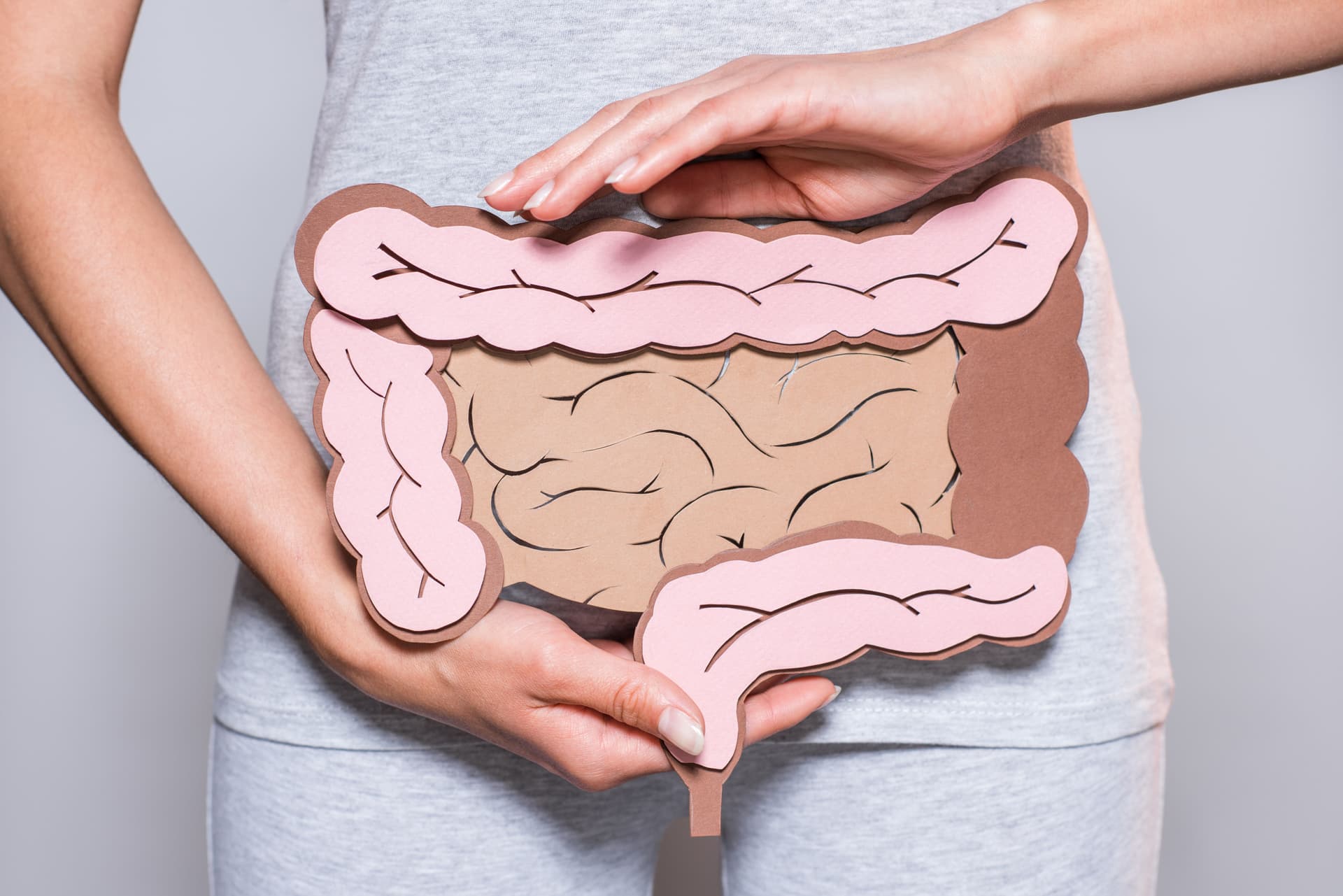
Research identified berberine as one of the top natural gastrointestinal agents. In systematic reviews, 70 to 80 percent of patients with gut functional diseases showed improvement with berberine supplementation. Berberine has been used in traditional Chinese medicine for hundreds of years specifically as an anti-diarrheal and anti-inflammatory remedy.
The mechanisms are fascinating. It’s shown that berberine significantly alters gut microbiota composition, increasing beneficial bacteria while reducing harmful species. Berberine also enhances intestinal barrier function, reducing levels of lipopolysaccharide-binding protein (a marker of "leaky gut").
In research on ulcerative colitis, berberine treatment effectively suppressed inflammatory signaling pathways crucial in immune-inflammatory responses of the colon. Patients experienced reduced symptoms and improved quality of life without the side effects associated with pharmaceutical immunosuppressants.
Even more impressive, berberine has been shown to work as an antibiotic adjuvant, enhancing the effectiveness of conventional antibiotics against drug-resistant bacteria while simultaneously supporting healthy gut microbiota. It's like berberine has the intelligence to distinguish between harmful pathogens and beneficial microbes—which is exactly what synthetic antibiotics cannot do.
Berberine doesn't carpet-bomb your entire microbiome like antibiotics do. It intelligently modulates gut bacteria, supporting the beneficial species your body needs while inhibiting the harmful ones that drive disease.
Why Berberine Supports MaxLiving's Natural Health Philosophy
Everything we just covered validates what the MaxLiving movement has taught for years: your body possesses unlimited, inborn healing power. You don't need to suppress symptoms with pharmaceuticals that create more problems than they solve. You need to remove interference and provide your body with what it was designed to work with.
Berberine embodies our Nutrition Essential perfectly. This isn't a synthetic chemical created in a lab and rushed through FDA approval. It's an alkaloid extracted from plants like goldenseal, barberry, and Oregon grape that have been used medicinally for over 3,000 years across multiple cultures. Ancient healers in both Traditional Chinese Medicine and Ayurveda understood its power long before modern science could explain how it activates AMPK, modulates gut microbiota, and protects cellular function.
It also connects directly to our Minimize Toxins Essential. Every time you choose berberine over metformin, every time you support your metabolism naturally instead of adding another prescription to your regimen, you're reducing your toxic load. You're allowing your body to function as designed instead of suppressing its natural intelligence with synthetic chemicals.
The research at GreenMedInfo provides the evidence-based foundation that validates what we've been teaching all along. When someone dismisses natural healing as "not evidence-based," you now have access to 627 peer-reviewed abstracts proving otherwise.
How to Use Berberine: Practical Next Steps
1. Consider Adding Berberine to Your Daily Routine
Research featured on GreenMedInfo shows dosages of 500 mg taken three times daily have been effective in clinical trials, typically taken with meals to enhance absorption. Because berberine has relatively low bioavailability on its own, look for enhanced formulations or take it with healthy fats to maximize absorption.
Remember: whole plant extracts often work better than isolated compounds because they contain complementary molecules that work synergistically.

2. Know What to Look for in a Quality Berberine Supplement
Not all berberine supplements are created equal. Berberine has poor oral bioavailability on its own, which is why some formulations combine it with phospholipids (like Berberine Phytosome) to enhance absorption through the gut lining."
Choose whole plant extracts when possible. While isolated berberine works, research suggests compounds from the whole plant (goldenseal, barberry, Oregon grape) contain complementary molecules that work synergistically. It's the difference between God's complete design and man's isolated extract.
Verify third-party testing. Look for supplements that have been tested for purity and potency by independent labs. You want what's on the label to actually be in the bottle.
Avoid proprietary blends that hide actual berberine content. Transparency matters when you're addressing root causes of metabolic dysfunction.
**3. Dive Into GreenMedInfo's Berberine Research Database ** Sayer Ji's GreenMedInfo is the world's most widely-cited, evidence-based natural health resource. Visit their berberine research page to explore the 627+ studies on berberine's therapeutic applications. Whether you're dealing with diabetes, weight management, heart disease, cognitive decline, or gut issues, their database contains peer-reviewed research specific to your needs.
This is the arsenal that gives you receipts when the sick care system tells you "there's no evidence."
4. Talk to Your Healthcare Provider
If you're currently taking medications for diabetes, cholesterol, blood pressure, or other metabolic conditions, have an informed conversation with your doctor about natural alternatives. Bring the research. Print the studies from GreenMedInfo. Don't let anyone dismiss your desire to address root causes instead of just managing symptoms.
You have the right to informed consent and the right to explore options that support your body's natural healing capacity rather than suppressing it.
5. Stay Connected to the Movement
Join the MaxLiving community by signing up for the MaxLiving newsletter to stay updated on natural health strategies, upcoming events, and ways to take your health back.
For ongoing access to cutting-edge research, subscribe to GreenMedInfo's free newsletter for the latest peer-reviewed studies on natural medicine.
6. Share This Information
How many people do you know taking metformin with concerning side effects? How many are struggling with weight gain, metabolic syndrome, or chronic inflammation? Share this article. Share the research. Be the person who introduces someone to healing possibilities they didn't know existed.
Small daily choices add up. Heroes grow here, and sometimes being a hero is as simple as sharing evidence-based natural medicine with someone who's been told they have no options except a lifetime of prescriptions.
Disclaimer: This content is educational and not intended to diagnose, treat, cure, or prevent any disease. Always consult with your healthcare provider before making changes to any health protocol or medication regimen. Berberine may interact with certain medications including diabetes drugs, blood thinners, and blood pressure medications, so professional guidance is essential.
References:
- https://greenmedinfo.com/substance/berberine
- https://greenmedinfo.com/content/beyond-metformin-berberines-promise-fight-against-type-2-diabetes
- https://greenmedinfo.com/content/berberine-supplement-shows-promise-pre-diabetes-management-new-study
- https://greenmedinfo.com/article/berberine-treatment-diabetes-mellitus-review
- https://greenmedinfo.com/blog/berberine-outshines-metformin-diabetes
- https://greenmedinfo.com/article/findings-suggest-berberine-effective-attenuating-antipsychotic-associated-weig
- https://greenmedinfo.com/content/berberine-chemoprevention-colon-polyps-randomized-placebo-controlled-trial
- https://greenmedinfo.com/content/gut-wrenching-truth-are-ozempic-and-wegovy-putting-your-stomach-risk
- https://greenmedinfo.com/article/promising-anti-atherosclerotic-effect-berberine
- https://greenmedinfo.com/article/berberine-promotes-cardiac-function-upregulating-pink1parkin-mediated-mitophag
- https://greenmedinfo.com/article/berberine-ameliorates-vascular-dysfunction-gut-microbiota-hypertension
- https://greenmedinfo.com/article/berberine-exerts-neuroprotective-activities-against-cerebral-ischemiareperfusi
- https://greenmedinfo.com/content/how-statins-damage-and-weaken-heart
- https://greenmedinfo.com/article/berberine-chloride-may-be-considered-potential-treatment-cognitive-deficits-an
- https://greenmedinfo.com/article/berberine-mitigates-intracerebral-hemorrhage-induced-neuroinflammation-gut-mic
- https://greenmedinfo.com/article/berberine-improves-cognitive-impairment-alleviating-brain-atrophy-and-promotin
- https://greenmedinfo.com/article/berberine-exerts-neuroprotective-activities-against-cerebral-ischemiareperfusi
- https://greenmedinfo.com/article/berberine-mitigates-intracerebral-hemorrhage-induced-neuroinflammation-gut-mic
- https://greenmedinfo.com/blog/8-top-gastrointestinal-agents-healthier-gut


 Facebook
 Instagram
 LinkedIn