


Published: June 5, 2026
You know that friend who meal preps every Sunday, has a spotless kitchen, and somehow grows their own herbs on a perfectly curated windowsill? Yeah, this isn't about becoming that person.
This is about the opposite. This is about growing food so ridiculously easy that even if you've killed a cactus, you can pull this off. We're talking sprouts ready to eat in 3 days and microgreens harvested in 10—both grown with minimal equipment, almost no space, and for literal pennies.
Here's the part that sounds too good to be true but isn't: these tiny plants pack up to 40 times more nutrients than their full-grown versions. Not 40 percent more. Forty times more. That stat comes from a landmark University of Maryland study that analyzed 25 commercial microgreen varieties and found nutrient concentrations that made mature vegetables look anemic by comparison.
The research showed microgreens contained 4 to 40 times higher concentrations of vitamins C, E, K, and beta-carotene compared to their mature counterparts, with red cabbage microgreens delivering 6 times more vitamin C than mature red cabbage and green daikon radish microgreens packing 40 times more vitamin E. The USDA noted that just one ounce of certain microgreens delivers nutrient equivalents of up to two pounds of mature vegetables.
And sprouts? They're even faster. Broccoli sprouts grown in a jar for just 3 to 5 days contain 20 to 50 times more sulforaphane—a powerful cancer-fighting compound—than mature broccoli heads. That's not a typo. Johns Hopkins scientists have been studying this compound for decades, and their research consistently shows that young broccoli plants are biochemical powerhouses that their full-grown counterparts can't touch.
So why isn't everyone growing these? Probably because it sounds complicated. It's not. If you can remember to rinse something twice a day, you can grow sprouts. If you can water a houseplant without killing it, you can grow microgreens. And the payoff—nutritionally, financially, and honestly just for the satisfaction of eating something you grew yourself in a week—is absurd.
What's the Difference Between Sprouts and Microgreens Anyway?
Let's clear this up because people confuse them constantly, and the distinction actually matters.
Sprouts are germinated seeds that you eat whole—root, stem, seed, everything. They grow in water alone, no soil needed, usually in a jar sitting on your counter. They're harvested after just 2 to 5 days when they're tiny little tails with barely any leaves. Think alfalfa sprouts, mung bean sprouts, or those broccoli sprouts health nuts won't shut up about.
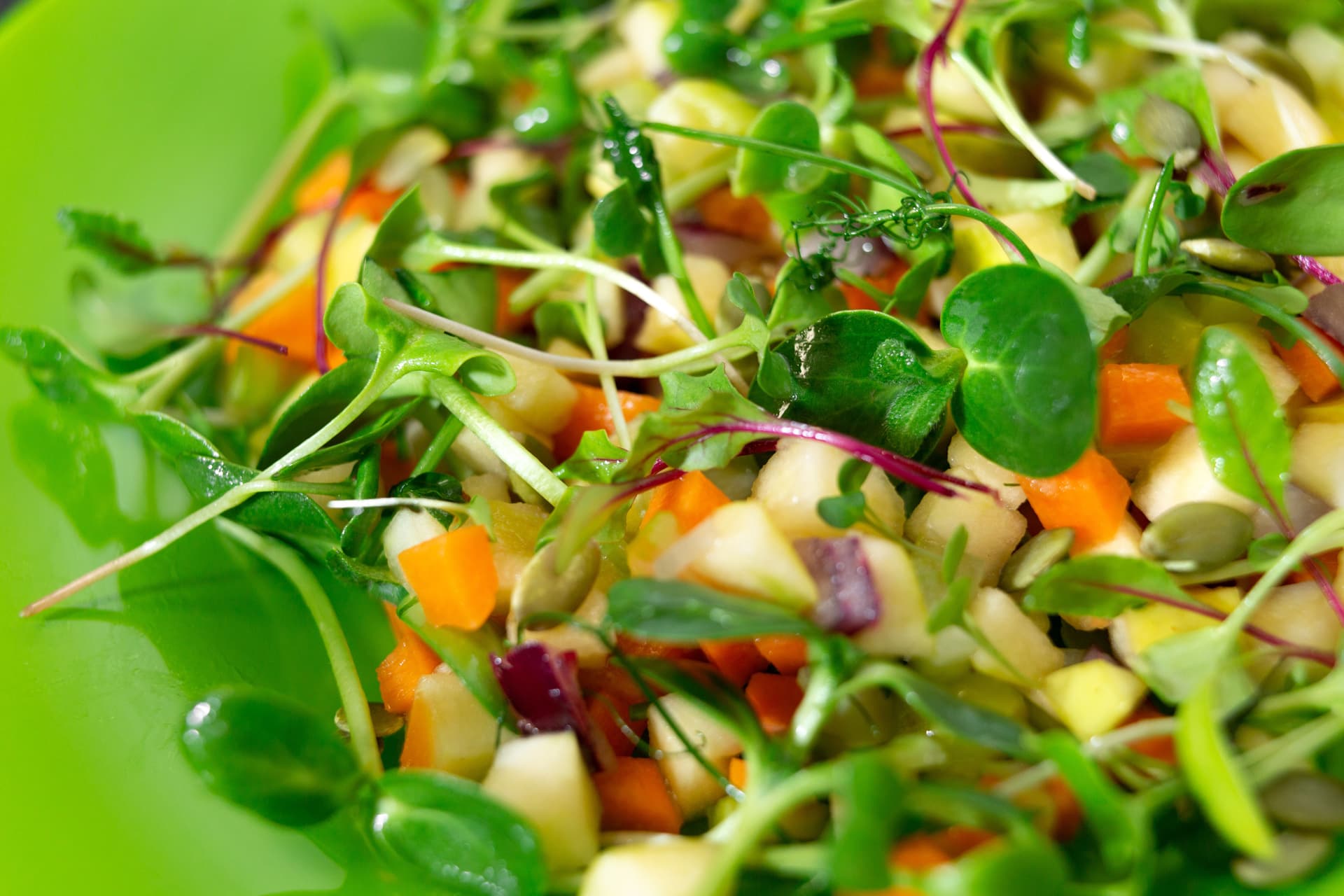
Microgreens are the next stage up. They're grown in soil or a growing medium, they need light, and you harvest them after 7 to 21 days once they've developed their first true leaves. You cut them above the soil line, so you're only eating the stem and leaves, not the roots. Think those fancy garnishes on restaurant plates—pea shoots, radish microgreens, that vibrant purple stuff that's probably red cabbage.
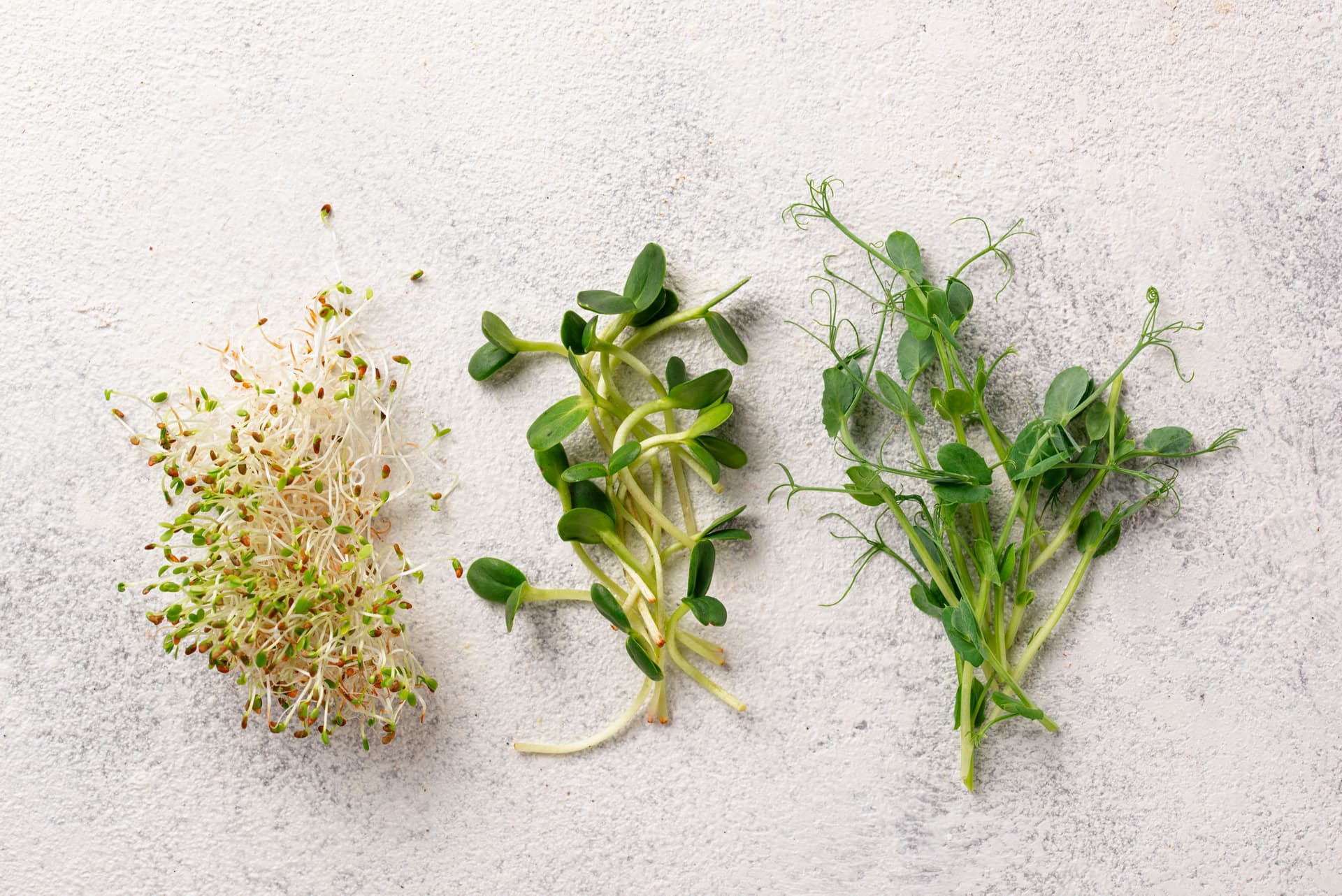
The easiest way to remember: sprouts are like newborns, microgreens are toddlers, and mature vegetables are adults. You're catching these plants at the stage when all their energy and nutrients are hyper-concentrated because they're mobilizing everything stored in that seed to grow.
Both are nutritional powerhouses. Both are ridiculously easy to grow at home. Both will make you feel like you have your life together even if you absolutely don't. The main differences come down to time, equipment, and slight variations in nutrient profiles.
Why Are These Tiny Plants More Nutritious Than Full-Grown Vegetables?
Here's where the science gets legitimately cool. When a seed germinates, it's mobilizing every bit of stored nutrition to fuel explosive growth. All those vitamins, minerals, enzymes, and protective compounds that would eventually distribute throughout a full-grown plant are concentrated in those first few inches of growth.
A 2025 study published in Scientific Reports analyzed six popular microgreens—broccoli, radish, pea, bean, kale, and sunflower—and found dramatically different nutrient profiles depending on variety. Broccoli microgreens topped the charts for iron, manganese, and total phenolic compounds. Sunflower led in calcium. Pea shoots dominated phosphorus and copper. Bean microgreens had the highest potassium.
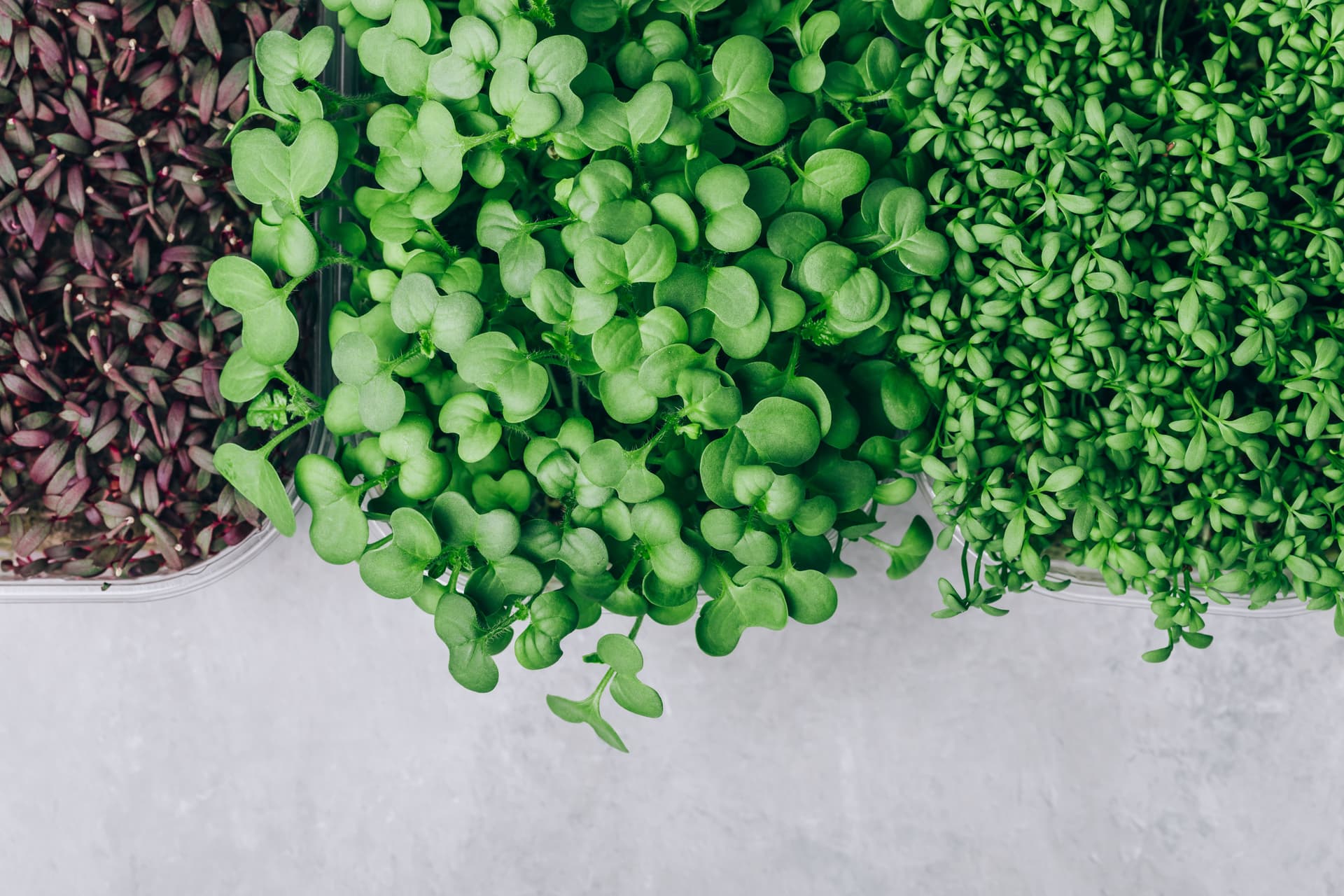
But it's not just about higher concentrations of the nutrients you'd find in mature plants. These young plants also produce unique protective compounds. When a seedling pushes through soil, it's vulnerable to pests, disease, UV radiation, and oxidative stress. So it produces defensive phytochemicals—glucosinolates, polyphenols, carotenoids, flavonoids—at levels far exceeding what you'd find in the adult plant.
A study identified 164 distinct polyphenols across five Brassica microgreens, including 105 flavonol glycosides and 30 anthocyanins. These aren't just impressive numbers for a research paper. These compounds have real effects: they reduce inflammation, neutralize free radicals, support detoxification pathways, and protect your cells from damage.
The sulforaphane story with broccoli sprouts is probably the most dramatic example. This compound activates your body's Phase II detoxification enzymes—the systems that neutralize carcinogens before they can damage DNA. Mature broccoli contains some sulforaphane. Broccoli sprouts contain 20 to 50 times more, as mentioned in the Johns Hopkins research. That's not a marginal improvement. That's a completely different food from a biochemical standpoint.
The Health Benefits Actually Backed By Research
Let's talk about what these little plants can actually do for you, based on real studies with real people, not just test tubes and mice.
Cancer Prevention and Cellular Protection
The sulforaphane research is probably the most robust. A clinical trial involving 97 people with poorly controlled type 2 diabetes found that concentrated broccoli sprout extract significantly reduced fasting blood glucose and HbA1c over 12 weeks. But the more interesting finding was the mechanism—sulforaphane activated Nrf2 pathways that protect cells from oxidative damage and support detoxification.
Johns Hopkins researchers conducted a trial in Qidong, China showing that broccoli sprout consumption increased urinary excretion of benzene and other carcinogens by over 60%, confirming that Phase II detoxification enzymes were actively working. Memorial Sloan Kettering Cancer Center's review notes that sulforaphane has demonstrated effects against prostate, breast, and urinary cancer cells in research settings, though clinical applications are still being studied.
Cardiovascular and Metabolic Health
A fascinating animal study from the Journal of Agricultural and Food Chemistry found that mice fed red cabbage microgreens on a high-fat diet showed 17% reduction in weight gain, 34% lower LDL cholesterol, and 23% lower liver triglycerides compared to controls. The microgreens contained significantly more polyphenols and glucosinolates than mature red cabbage—which likely explains the metabolic benefits.
This suggests mechanisms worth investigating, and it aligns with broader research on cruciferous vegetables and cardiovascular health.
Anti-Inflammatory Effects
This is where we have solid human data. A randomized, double-blind, placebo-controlled trial in people with type 2 diabetes found that just 10 grams daily of broccoli sprout powder for 4 weeks significantly reduced high-sensitivity C-reactive protein, IL-6, and TNF-alpha—all markers of chronic inflammation. Those aren't subtle changes. Those are clinically meaningful reductions in inflammatory markers associated with heart disease, diabetes complications, and accelerated aging.
Brain Health and Cognitive Function
A study from the Rush Memory and Aging Project followed 960 older adults over nearly 5 years and found that those consuming the most leafy greens—median 1.3 servings daily—experienced cognitive decline rates equivalent to being 11 years younger than those eating the least. The protective nutrients identified included lutein, folate, vitamin K, and vitamin E—all concentrated in microgreens at levels far exceeding mature vegetables.
The research suggests it's not just one nutrient doing the work but the synergistic effect of multiple compounds working together. That's exactly what you get with microgreens—complete nutrient packages, not isolated vitamins.
Immune Support and Detoxification
Your body's detoxification systems aren't about juice cleanses or foot baths. They're about your liver producing enzymes that neutralize toxins before they damage cells. Sulforaphane, found in high concentrations in broccoli sprouts and microgreens, directly activates these protective enzymes.
A comprehensive review published in 2023 examined the bioactive compounds in microgreens and noted their effects on immune function, antioxidant capacity, and cellular protection. The compounds in these young plants don't just provide vitamins—they actively communicate with your cells, turning on protective genes and turning off inflammatory ones.
How to Grow Sprouts in a Jar (The 3-Day Method)
Let's start with the easiest possible entry point: jar sprouts. If you can remember to rinse something twice a day for 3 to 5 days, you can do this.
What You Actually Need:
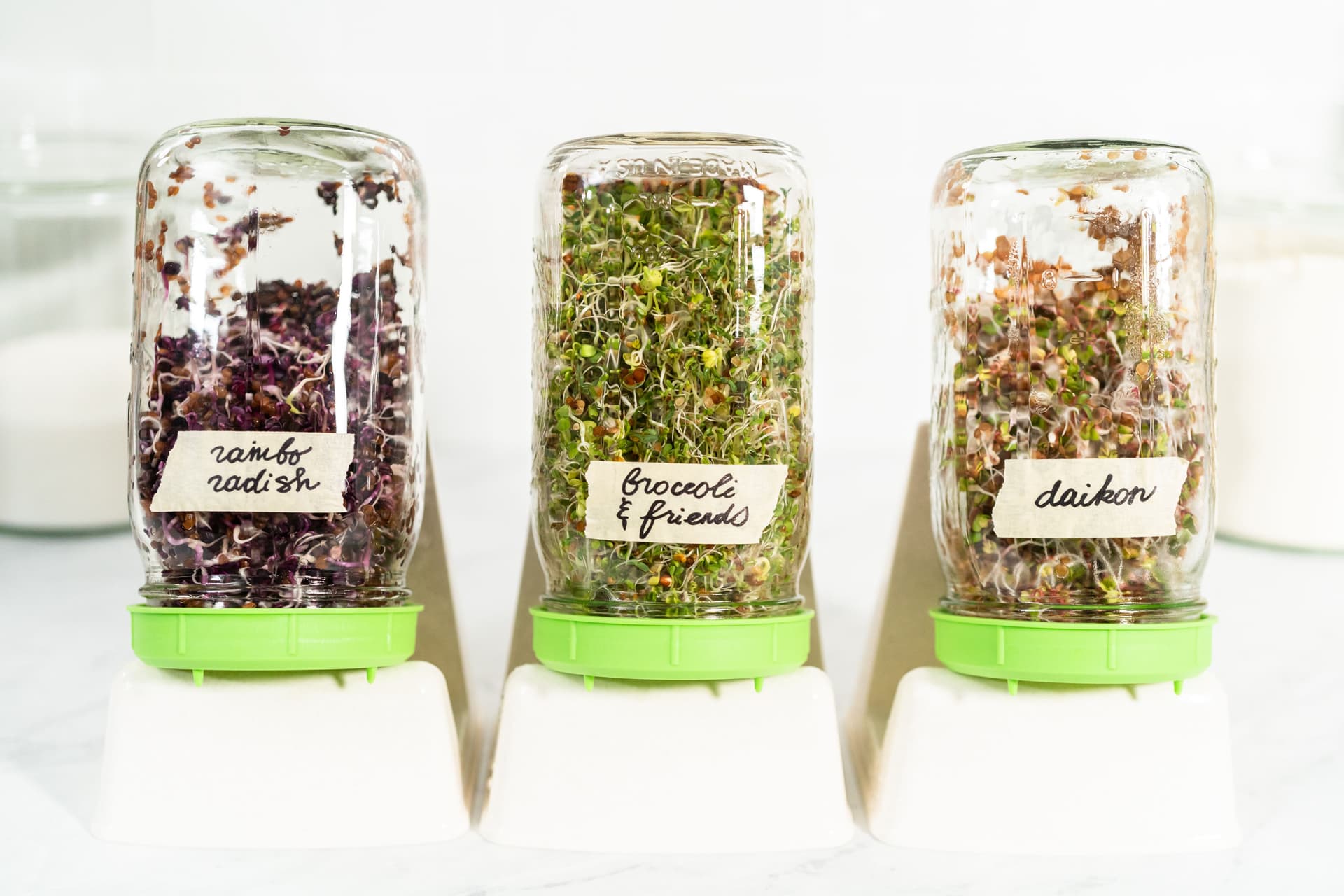
- Wide-mouth mason jar (quart size works great)
- Sprouting lid or a piece of cheesecloth with a rubber band
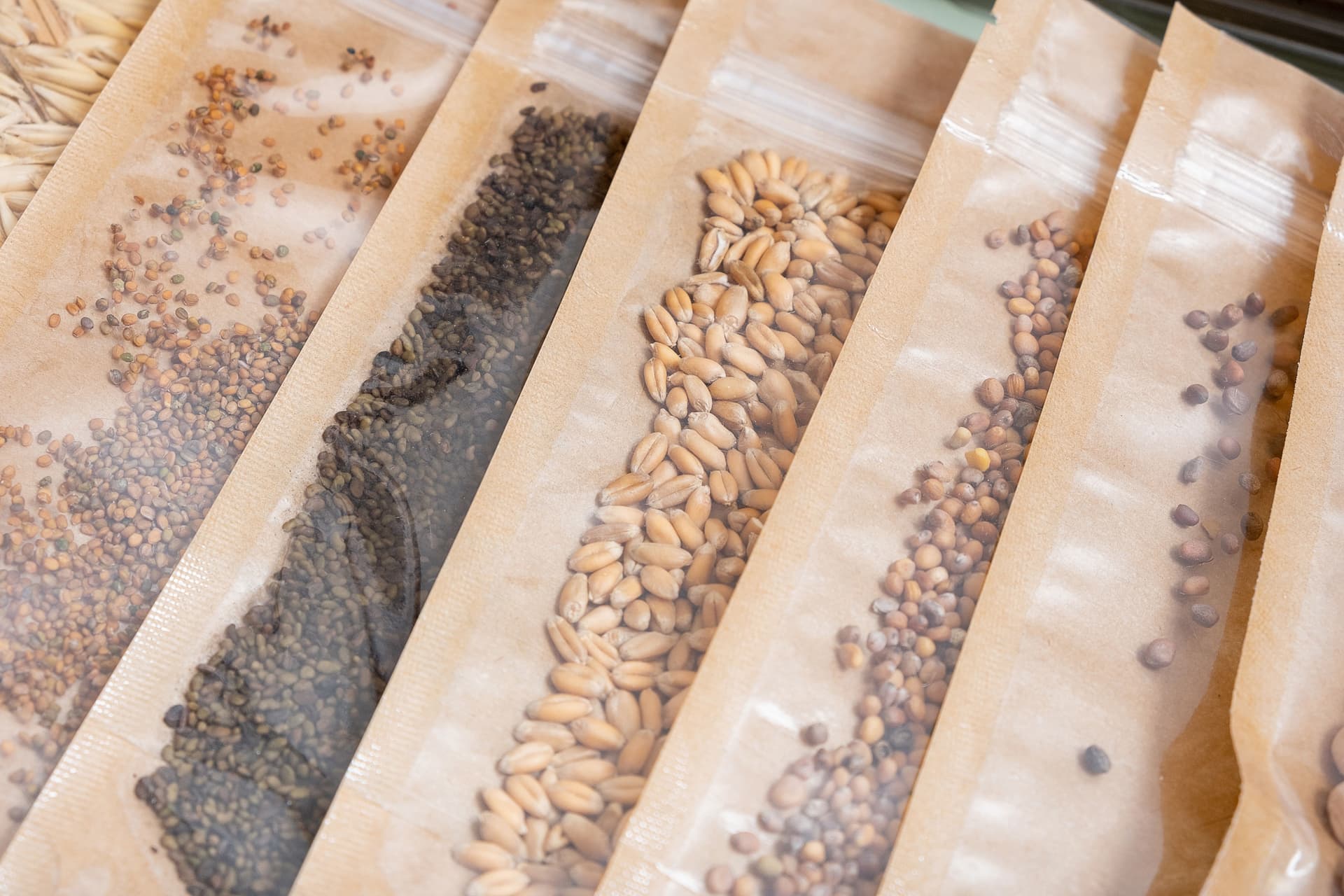
- Organic sprouting seeds (alfalfa, broccoli, radish, mung bean, or lentils for beginners)
- Water
A bowl to prop your jar in at an angle That's it. Total investment: $15 to $25 if you're starting from scratch. Your jar and lid are reusable forever, so after your first batch, you're only buying seeds.
The Process:
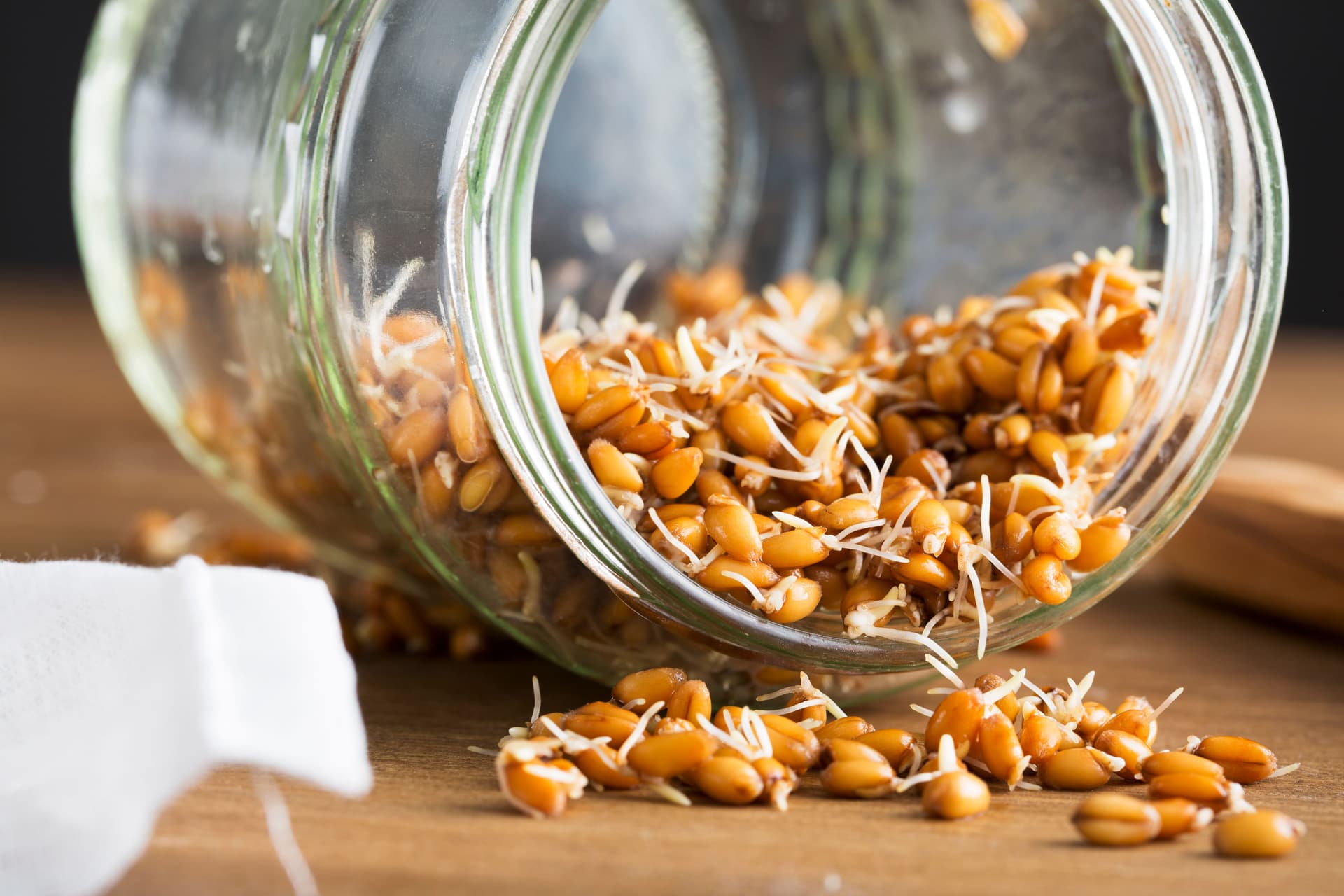
Start with 1 to 2 tablespoons of seeds in your jar. Don't go crazy—those seeds expand dramatically as they sprout, and you'll end up with a jar so packed you can't get them out. Cover the seeds with purified cool water, put your sprouting lid on, and let them soak overnight—about 8 to 12 hours.
In the morning, drain the water through the lid. Rinse the seeds with fresh water, swirl it around, and drain again. This rinse-and-drain process is your entire job for the next few days. Do it twice daily—morning and evening work for most people.
After rinsing, prop your jar upside-down at an angle in a bowl so excess water drains out and air circulates. Keep it on your counter away from direct sunlight. Sprouts don't need light to grow—they're using stored energy from the seed.
By day 2, you'll see tiny tails emerging. By day 3 or 4, depending on the seed variety, you'll have a jar full of crunchy sprouts ready to eat. If you want them to green up a bit, put them in indirect sunlight for a few hours on the last day. The chlorophyll development adds even more nutrients.
Before eating, give them a final rinse in a bowl of water to remove any hulls (the seed casings that float to the top). Drain well, pat or spin dry if you're storing them, and refrigerate in a covered container. They'll keep for 5 to 7 days, though they're best eaten fresh.
Food Safety Reality Check:
Let's address the elephant in the room. The FDA categorizes raw sprouts as a higher-risk food because the warm, humid conditions ideal for sprouting are also ideal for bacterial growth. There have been outbreaks—about 40 between 1996 and 2016—linked to commercially grown sprouts contaminated with E. coli or Salmonella.
Here's the key distinction: when you grow sprouts at home, you control every variable. You're using clean equipment, rinsing frequently, and consuming them fresh. That's dramatically different from commercial operations where sprouts sit in distribution for days.
According to Penn State Extension, home sprouting is safe when you follow basic practices: buy seeds specifically sold for sprouting from reputable sources, keep everything scrupulously clean, rinse thoroughly twice daily, and don't let sprouts sit in standing water. If anything smells off or looks slimy, toss it and start over.
For people with compromised immune systems, pregnancy, or other health concerns, cooking sprouts eliminates any risk while still delivering most nutritional benefits.
How to Grow Microgreens in a Tray (The 10-Day Method)
Microgreens require slightly more equipment than sprouts, but we're still talking minimal investment and counter space about the size of a dinner plate.
What You Need:
- Shallow growing tray with drainage holes (a 10x20 inch seed-starting tray works perfectly)
- Organic seed-starting mix, coconut coir, or a soilless medium
- Microgreen seeds (broccoli, radish, kale, sunflower, or pea shoots for beginners)
- Spray bottle for watering
- Light source (a sunny south-facing window or a basic LED grow light)
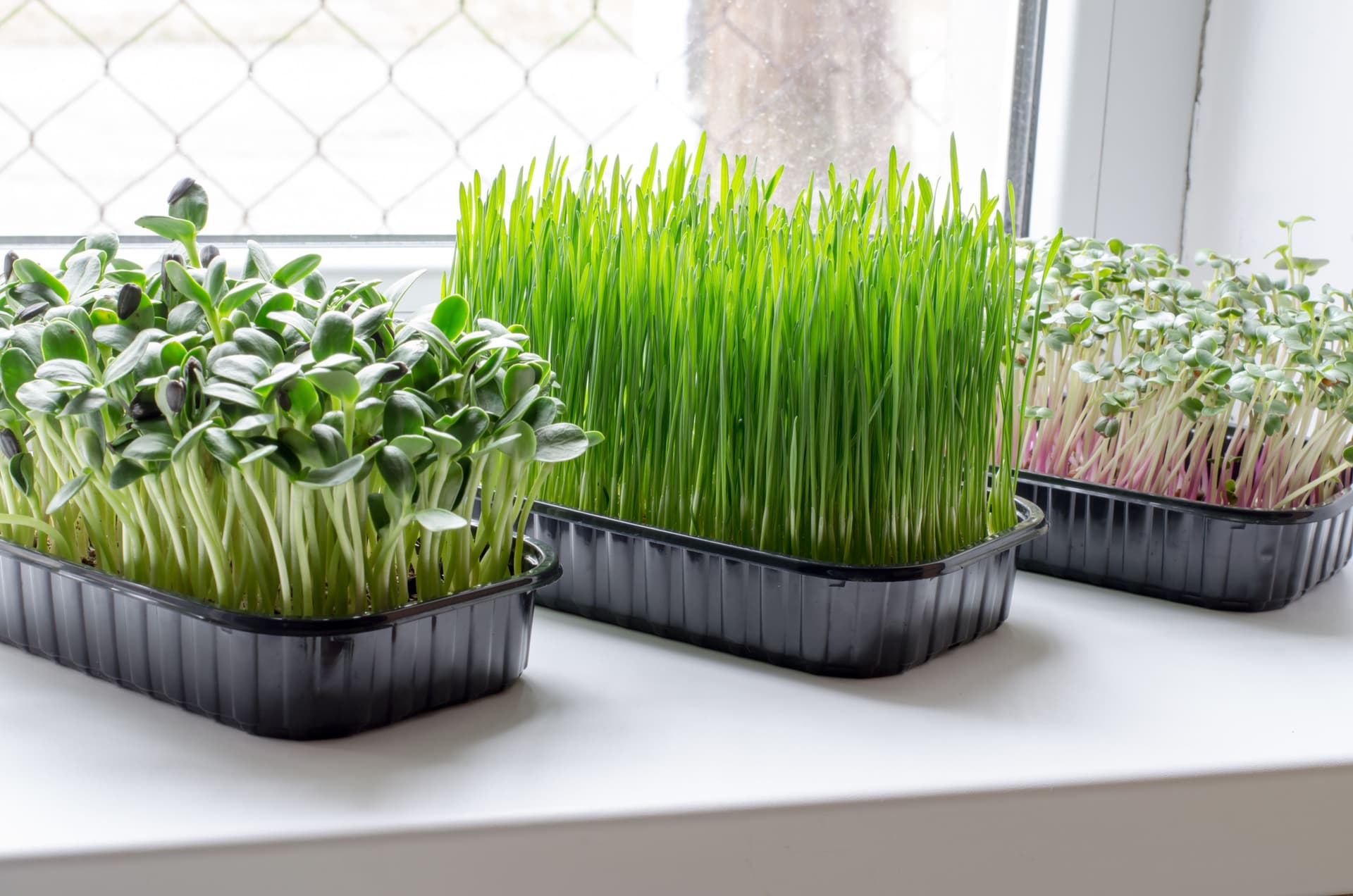
Utah State Extension provides detailed guidance on the process, noting that most varieties are ready to harvest in 7 to 14 days depending on the seed type.
The Process:
Fill your tray with about 1 to 2 inches of moist growing medium. You want it damp but not waterlogged—think wrung-out sponge. Sprinkle seeds densely across the surface. For small seeds like arugula or mustard, you can broadcast them fairly thick. For larger seeds like sunflower or pea, space them so they're almost touching but not overlapping.
Lightly press the seeds into the medium so they make good contact. Mist with your spray bottle. Cover with another tray or a humidity dome to create darkness and retain moisture. This blackout period helps seeds germinate.
Check daily and mist if the surface looks dry. Most seeds germinate within 2 to 4 days. Once you see sprouts pushing up, remove the cover and move your tray to light.
Here's where microgreens differ from sprouts: they need 12 to 18 hours of light daily. A south-facing windowsill works if you've got good sun. Otherwise, a basic LED grow light positioned 6 to 12 inches above the tray does the job. You can get a functional grow light for $25 to $40.
Water from the bottom once they're growing. Set your tray in a larger tray filled with water for 10 to 15 minutes, then remove. This keeps the leaves dry (preventing mold) while hydrating the roots. Some people prefer misting from above, which also works—just avoid soaking the leaves.
Within 7 to 14 days, your microgreens will have developed their first true leaves. That's harvest time. Use sharp scissors to cut them just above the soil line. Rinse gently, pat dry, and eat immediately for peak nutrition, or store refrigerated in a covered container for up to a week.
Best Varieties for Beginners (And What They Taste Like)
Not all sprouts and microgreens are created equal in terms of growing ease or nutritional profiles. Here's what to start with:
For Sprouts:
Broccoli – Ready in 3 to 5 days. Mild, slightly peppery. This is your sulforaphane superstar with 20 to 50 times more than mature broccoli. If you're only growing one sprout variety, make it this one.
Alfalfa – Ready in 3 to 5 days. Mild, slightly sweet, crunchy. The classic sprout everyone recognizes. Super forgiving for beginners.
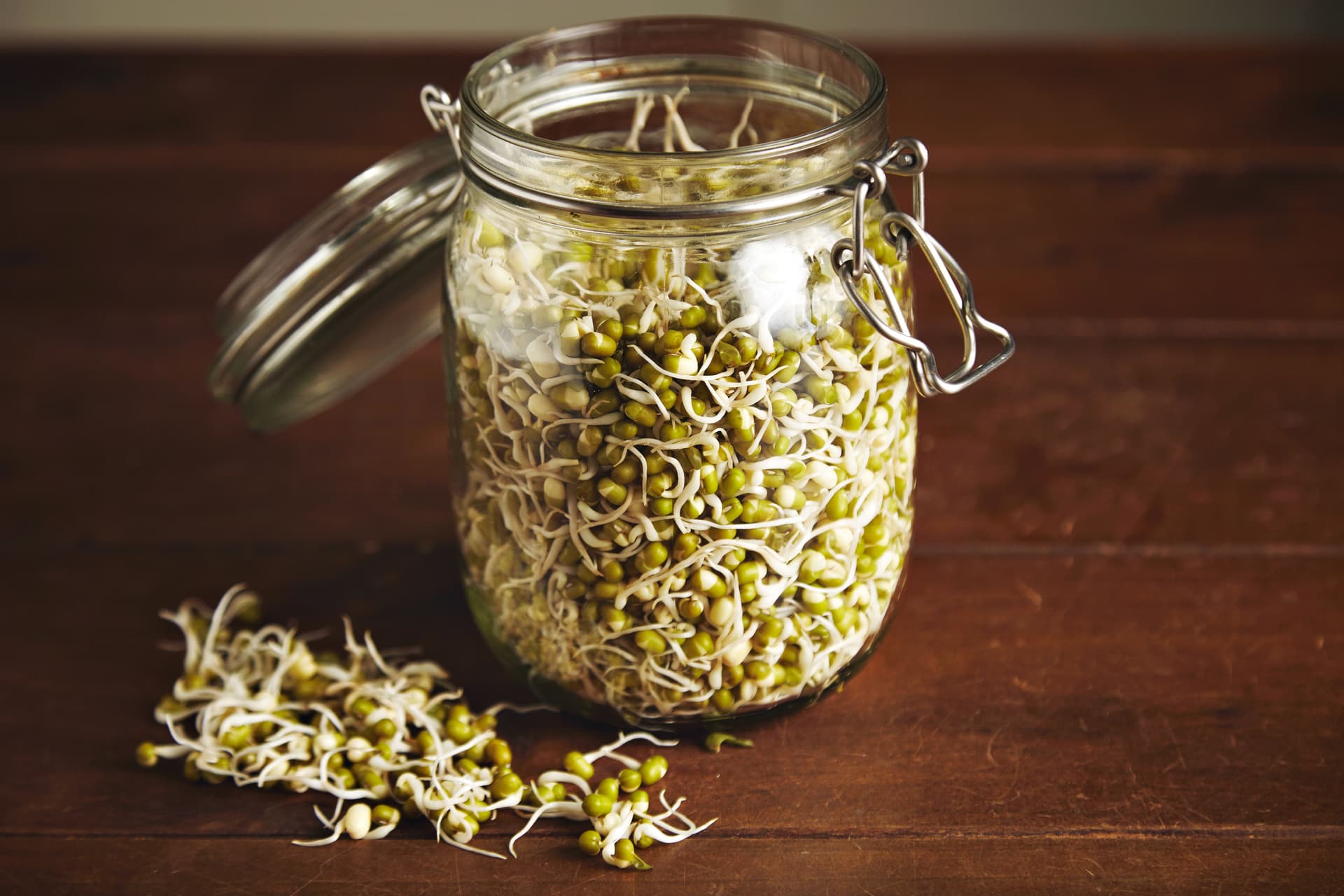
Mung Bean – Ready in 3 to 5 days. Crunchy, fresh, mild. These are the thick sprouts you see in Asian stir-fries. They bulk up fast and add substantial texture to dishes.
Lentils – Ready in 3 to 4 days. Earthy, slightly nutty. Packed with protein and incredibly easy. These are nearly impossible to mess up.
Radish – Ready in 4 to 6 days. Spicy, peppery kick. If you like radishes, you'll love these. High in vitamin C.
For Microgreens:
Radish – 8 to 12 days. Spicy and vibrant. Fast-growing, nearly foolproof, and adds serious flavor punch to sandwiches and salads, different than when sprouted.
Broccoli – 8 to 12 days. Mild broccoli flavor. Same sulforaphane benefits as the sprouts but with more developed leaves and different texture.
Pea Shoots – 8 to 14 days. Sweet, fresh pea flavor. These grow tall and substantial—you get actual volume for your effort. High in vitamin C and folate.
Sunflower – 9 to 12 days. Nutty, crunchy. These need to be hulled after soaking (remove the seed shells), but they're worth it. Highest in calcium and vitamin E among common microgreens.
Kale – 8 to 12 days. Mild, slightly earthy. A recent study found kale microgreens contained 996 mg of lutein per 100g dry weight—critical for eye health and cognitive function.
According to research from the University of Maryland study mentioned earlier, red cabbage microgreens are nutritional champions with 6 times more vitamin C and 40 times more vitamin E than mature red cabbage. But they take 10 to 14 days and can be slightly trickier for absolute beginners, so maybe try them on your second or third round.
The Cost Breakdown: Why Growing Beats Buying
Let's talk money because this is where home growing becomes genuinely compelling.
Store-bought sprouts: $3.50 to $4.50 for a small plastic container (about 100 grams)
Home-grown sprouts: About $0.57 per 100 grams
That's an 85% savings. One person who tracked their costs found that a $11.50 bag of organic sprouting seeds produced the equivalent of $70 worth of store-bought sprouts over 20 batches.
Store-bought microgreens: $3 to $5 for a tiny clamshell (1.5 to 2 ounces)
Home-grown microgreens: $0.17 to $1.95 per full 10x20 tray depending on seed variety
A single tray produces far more than those grocery store clamshells, and you're harvesting it fresh instead of eating greens that have been sitting in plastic for a week.
The upfront investment for sprouting is minimal—$15 to $25 for jars, lids, and your first seeds. For microgreens, you're looking at $40 to $60 for trays, growing medium, seeds, and a basic grow light if needed. After that initial cost, you're only buying seeds and occasional medium refills.
If you eat sprouts or microgreens even once or twice weekly, you're breaking even within a month and saving hundreds annually after that.
How to Actually Use These in Your Daily Life
The nutrition is meaningless if you don't eat them. Here's how to make sprouts and microgreens a habit instead of a Pinterest project you try once.
For Sprouts: Add them to sandwiches and wraps for crunch. Toss a handful into salads. Top soups just before serving (the heat wilts them slightly and brings out flavor). Blend into smoothies—you won't taste them, but you'll get the nutrients. Stir-fry mung bean sprouts with garlic, ginger, and sesame oil for a classic Asian side dish.
The key with sprouts is adding them at the end. They're delicate. You're not cooking them into a casserole. Think of them as a fresh finishing element.
For Microgreens: Use them anywhere you'd use lettuce or herbs. Top avocado toast, eggs, pizza (after it comes out of the oven), grain bowls, tacos, burgers. Mix into pasta just before serving. Blend pea shoots or sunflower microgreens into pesto. Add to smoothies and juices. Use as garnish on literally anything that needs visual appeal and a nutrient boost.
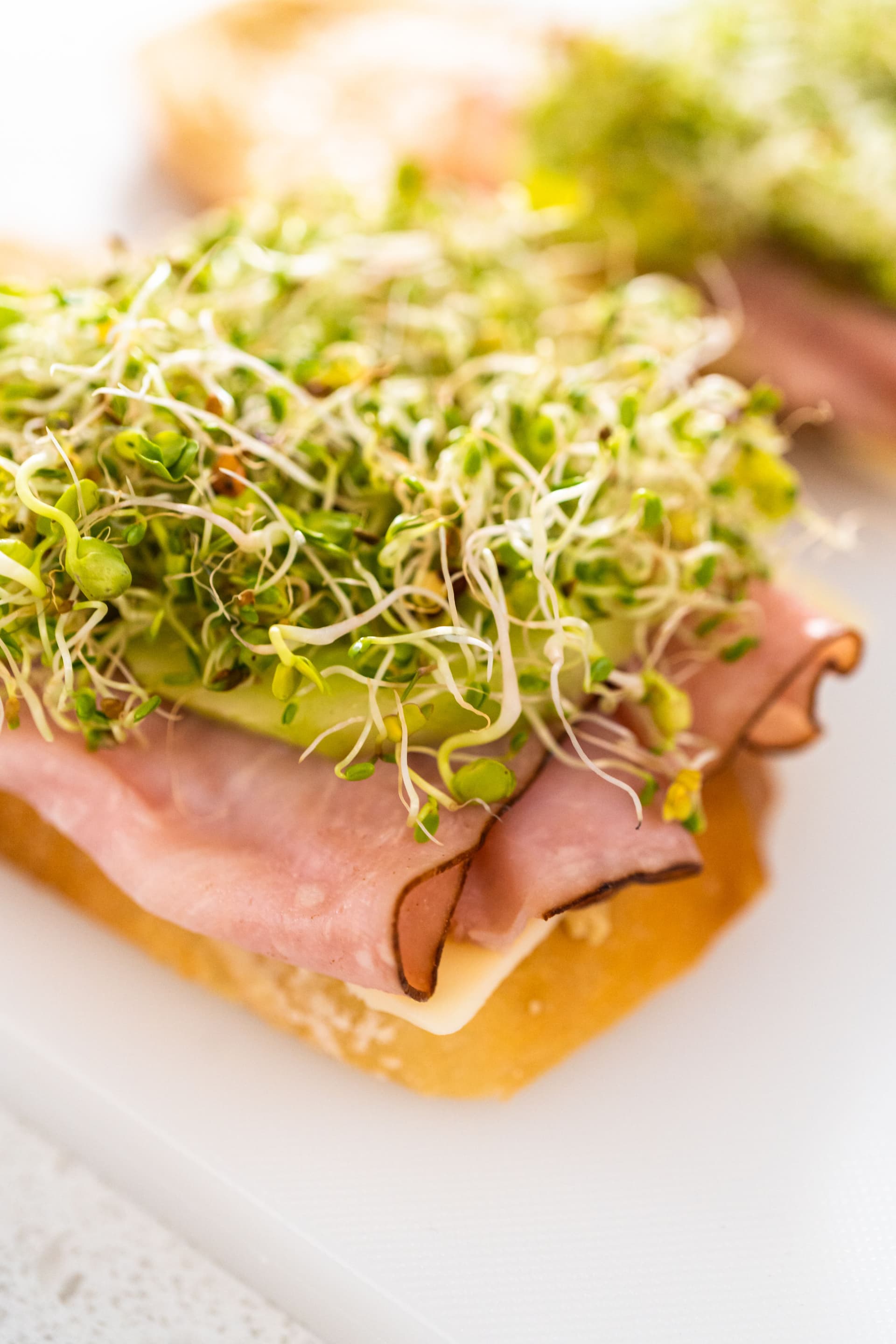
A realistic daily serving is 1 to 2 ounces—about a cup loosely packed. That's enough to get meaningful nutrient benefits without requiring you to eat platefuls of greens.
The Realistic Timeline for Benefits
Here's what the research actually shows about when you might notice changes.
Within days: Sulforaphane metabolites from broccoli sprouts are detectable in your blood and urine within hours of consumption, according to a 2023 study on bioavailability. Your detoxification enzymes start activating essentially immediately.
Within 4 weeks: The clinical trial on broccoli sprouts and inflammation mentioned earlier found significant reductions in inflammatory markers after 4 weeks of daily consumption. That's a month of adding sprouts to your routine, not six months.
Within 8 to 12 weeks: The diabetes study using broccoli sprout extract showed measurable improvements in blood sugar control and HbA1c after 12 weeks. Cardiovascular and metabolic benefits seem to develop over this timeframe with consistent intake.
Long-term: The cognitive benefits associated with leafy green consumption develop over years, not weeks. But starting now means you're building that protective effect for your future brain health.
The important thing to understand is that sprouts and microgreens aren't a supplement you take for 30 days and then stop. They're nutrient-dense foods you incorporate into your regular eating pattern because they're delicious, easy to grow, and remarkably good for you.
Your Starting Point This Week
Don't try to do everything at once. Pick one thing and start there.
If you want the easiest possible win: Start one jar of broccoli or alfalfa sprouts this week. Set a phone reminder to rinse morning and evening. In 3 to 5 days, you'll have fresh sprouts and proof that you can actually do this.
If you're slightly more ambitious: Start a jar of sprouts today and get a tray of radish or pea shoot microgreens going. The sprouts will be ready by the time your microgreens are really growing, so you'll have continuous harvests.
If you want to go all in: Set up a simple rotation system. Start a new jar of sprouts every 2 days so you always have a batch ready. Start a new tray of microgreens every week so you're harvesting fresh greens continuously.
The cost is minimal. The time investment is minutes daily. The equipment fits on a kitchen counter. And the nutritional payoff—40 times more vitamins in some cases, concentrated protective compounds, fresh food you grew yourself—is legitimately remarkable.
Your body is designed to run on real food packed with bioavailable nutrients, not synthetic vitamins in isolation. Sprouts and microgreens deliver exactly that: complete nutritional packages your cells actually recognize and use. The science is there. The methods are simple. The only question is whether you'll actually start.
What are you growing first?
References:
- https://pubs.acs.org/doi/abs/10.1021/jf300459b
- https://agresearchmag.ars.usda.gov/2014/jan/greens
- https://hub.jhu.edu/magazine/2023/spring/broccoli-sprouts-health-research/
- https://www.nature.com/articles/s41598-025-85860-z
- https://pubs.acs.org/doi/10.1021/jf401802n
- https://www.science.org/doi/10.1126/scitranslmed.aah4477
- https://pmc.ncbi.nlm.nih.gov/articles/PMC7802872/
- https://www.mskcc.org/cancer-care/integrative-medicine/herbs/broccoli-sprouts
- https://pubmed.ncbi.nlm.nih.gov/27933986/
- https://www.sciencedirect.com/science/article/abs/pii/S1756464612000953
- https://pubmed.ncbi.nlm.nih.gov/29263222/
- https://www.nia.nih.gov/news/leafy-greens-linked-slower-age-related-cognitive-decline
- https://pmc.ncbi.nlm.nih.gov/articles/PMC9864543/
- https://extension.psu.edu/a-step-by-step-guide-for-growing-microgreens-at-home
- https://extension.usu.edu/yardandgarden/research/grow-your-own-microgreens
- https://www.mdpi.com/2076-3921/14/2/191
- https://pmc.ncbi.nlm.nih.gov/articles/PMC10606698/


 Facebook
 Instagram
 LinkedIn