


Published: December 12, 2025
Today we're diving into something that’s super important, especially as we roll into the holiday season – Irritable Bowel Syndrome (IBS). With the standard American diet, more people experience gut issues nowadays and are completely unaware that these problems aren’t normal. And here’s a fun-but-not-so-fun- fact. Did you know that IBS affects more women than men? And the holidays can really stir the pot (pun totally intended!). Let’s talk about why that is, what to do about it, and how we can navigate this tricky time with grace and health.
What’s the Deal with IBS and Women?
First, a little background for you. Irritable Bowel Syndrome, commonly known as IBS, is a functional gastrointestinal disorder that affects the large intestine. It’s more common than you might think, with symptoms ranging from mild to severe. If you’ve ever experienced chronic stomach pain, bloating, gas, or irregular bowel movements like diarrhea or constipation, you might be familiar with the discomfort IBS can cause. It’s often linked to a combination of factors, including stress, dietary habits, and changes in the gut microbiome. Because symptoms can vary widely from person to person, IBS can be challenging to diagnose and manage. However, with the right approach—often combining diet, lifestyle changes, and chiropractic—many people find significant relief from their symptoms.
IBS tends to affect women more than men, and researchers are still exploring the reasons behind this disparity. Research shows that women are twice as likely to be diagnosed with IBS compared to men. Crazy, right? But why is this the case? Hormonal differences, particularly fluctuations in estrogen and progesterone levels, are believed to play a significant role. Psychological factors, including anxiety and depression, are also more prevalent in women and can intensify IBS symptoms.
Women possess incredible resilience and strength, and understanding your body empowers you to take charge of your health. Let’s arm you with information needed to make that happen.
The Role of Hormones
Ahhh… hormones. They’re the unsung heroes and villains in our bodies.
Fluctuations in estrogen and progesterone, especially around menstruation, pregnancy, and menopause, can affect gut motility and sensitivity.
During the holiday season, with its unique stressors, hormonal fluctuations can become more pronounced, potentially worsening IBS symptoms. A study published in the American Journal of Gastroenterology found that hormonal changes during the menstrual cycle can exacerbate IBS symptoms in women2. This suggests that the combination of holiday stress and hormonal fluctuations can lead to those dreaded IBS symptoms.
Fluctuations in estrogen and progesterone levels, particularly during the menstrual cycle, can impact gut motility and sensitivity, making women more prone to digestive discomfort. The added pressures of holiday activities can amplify these hormonal effects, creating a perfect storm for IBS flare-ups. Recognizing this connection allows women to take proactive steps in managing their gut health during the holiday season.
Psychological Factors: The Holiday Stress Grinch
Now, let’s add the holiday season into the mix. While the holidays can be magical, they can also be a major stress-fest.
A study highlighted that psychological distress is more commonly reported among women with IBS compared to men3. And this makes perfect sense with the pressures of shopping, cooking, decorating and family dynamics typically fall on women during this time. All of these can heighten stress, anxiety, and even depression.
And guess what? Psychological factors play a significant role in triggering and exacerbating IBS symptoms. Studies suggest that women may experience stress differently and more intensely than men. Women tend to juggle multiple roles – think career, family, social commitments – and the holidays amplify all of these pressures. When stress levels soar, our gut can go haywire, making IBS symptoms flare up.

Holiday Eating Habits
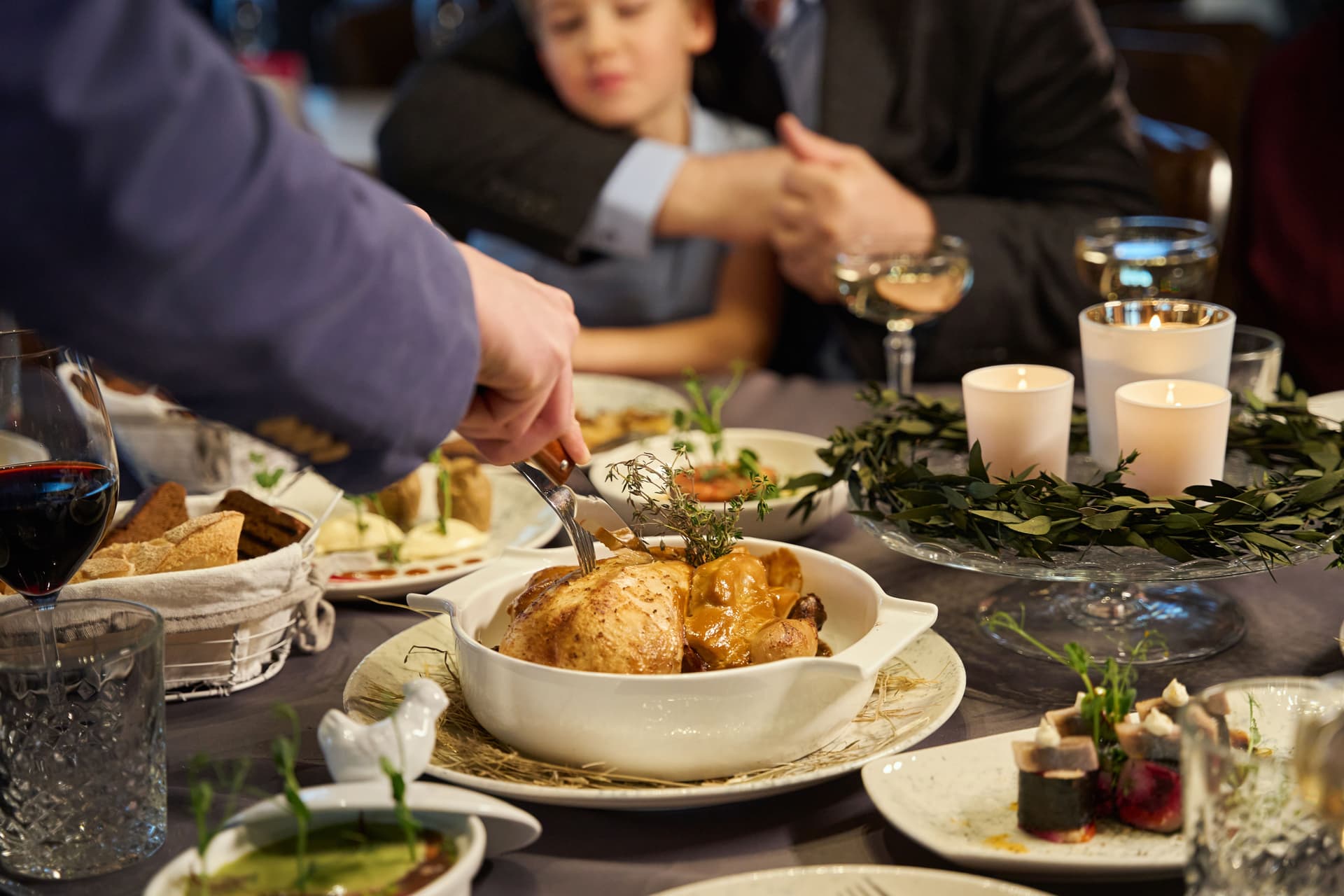
Let’s not forget about the holiday feasting! All the sugary and inflammatory Thanksgiving and Christmas foods society has come to love during this time of the year can really wreak havoc on everyone’s waistlines and digestive functions.
Those rich, indulgent foods can be tough on our digestive systems and women with IBS often report that certain foods, especially those high in fat and sugar, can trigger their symptoms.
Moreover, the holiday season tends to be a time when we deviate from our usual eating patterns, often indulging in larger portions and late-night snacking. This disruption in routine, coupled with the rich, fatty foods, can exacerbate bloating, gas, and other uncomfortable IBS symptoms. Women, who are already more susceptible to IBS due to hormonal fluctuations, may find that these dietary indulgences lead to more frequent and severe flare-ups. Understanding these triggers can empower you to make more mindful food choices during the holidays, helping to balance enjoyment with maintaining gut health.
The Nervous System-Gut Connection
Your nervous system controls and coordinates every function in your body, including digestion. When there is interference in the nervous system, often due to spinal misalignments or subluxations, it can disrupt communication between the brain and the digestive system. This can lead to various digestive issues such as bloating, constipation, and irritable bowel syndrome (IBS).
Chiropractic care focuses on correcting subluxations and spinal misalignments to restore proper nervous system function. By performing specific spinal adjustments, chiropractors help remove these interferences, allowing the nervous system to communicate more effectively with the digestive organs. This improved communication can enhance digestive function, reduce symptoms, and promote overall gut health.
How to Keep Your Gut Happy During the Holidays
But don’t worry, – we’ve got this! Here are a few tips to keep your gut in check during the holiday hustle:
Get Adjusted: Regular chiropractic care can help improve your nervous system function, which in turn can enhance your digestive health. It’s a great way to keep everything running smoothly and reduce IBS symptoms.
Mindful Eating: Slow down and savor your meals. Chew thoroughly and listen to your body’s hunger and fullness cues.
Stress Management: Take time for self-care. Whether it’s a quick yoga session, meditation, or simply a walk in nature, make sure to prioritize your mental health.
Stay Hydrated: Water is your best friend. It helps keep your digestive system running smoothly.
Avoid Trigger Foods: Identify and steer clear of foods that trigger your IBS symptoms. It’s different for everyone, so know your body.
Remember, our health is our wealth. Understanding how IBS affects us all and taking proactive steps to manage it can make all the difference, especially during the holiday season. Let’s make this time joyous and gut-friendly!


 Facebook
 Instagram
 LinkedIn