


Published: December 22, 2025
Let's be honest about something most people feel but rarely say out loud: modern life is exhausting your body in ways that go far beyond just feeling tired.
You're waking up sluggish even after a full night's sleep. Your brain feels like it's operating through a fog that coffee barely touches. Your digestion is unpredictable at best. Your skin looks dull, your energy crashes by mid-afternoon, and there's this underlying sense that something is just... off.
You're not imagining it. And you're definitely not alone.
The truth is, your body is dealing with a toxic burden that previous generations never faced. The air you breathe, the water you drink, the food you eat, the products you put on your skin, the stress you carry—it all adds up. Your body was magnificently designed to cleanse and renew itself, but it wasn't designed for this level of constant bombardment.
Here's the good news: your body knows exactly how to detoxify. It's been doing it since before you took your first breath. The question isn't whether detoxification is real or necessary—it absolutely is. The question is whether you're giving your body the support it needs to do this essential work effectively.
That's what we're going to talk about. Not gimmicks. Not empty promises. Just a clear understanding of how your body's detoxification systems work and exactly how to support them so you can feel even better than yourself again.
How Do Toxins Build Up in Your Body?
Your great-grandparents didn't need to think much about detoxification. They ate food that came from soil that wasn't depleted. They breathed air that wasn't filled with industrial pollutants. They drank water that hadn't passed through miles of aging pipes. They used products made from ingredients they could actually pronounce.
That world doesn't exist anymore.
Today, the average person is exposed to hundreds of synthetic chemicals before they even leave the house in the morning. Pesticide residues on conventional produce. Heavy metals in drinking water. Phthalates and parabens in personal care products. Flame retardants in furniture and clothing. Air pollution that seeps indoors. Microplastics that have now been found in human blood and breast milk.
This isn't fear-mongering—it's reality. Environmental toxin exposure has increased exponentially over the past century, and our bodies are feeling the effects.
Your liver, kidneys, lymphatic system, and cells are working overtime trying to process and eliminate substances they were never designed to handle in these quantities. When the incoming toxic load exceeds your body's processing capacity, things start backing up. Toxins get stored in fat tissue. Cellular function becomes impaired. Energy production suffers. Inflammation increases. And you feel it—even if you can't quite put your finger on why.
This is why detoxification isn't some trendy wellness buzzword. It's a biological necessity that's become increasingly urgent in our modern world. Your body has the innate wisdom and capacity to cleanse itself. It just needs the right support to keep up with demands that are unprecedented in human history.
How Does Your Body Detox Naturally? (Understanding the Brilliance)
Before we talk about how to support detoxification, let's appreciate what your body is already doing. Because honestly? It's remarkable.
Your liver is the undisputed champion of detoxification, performing over 500 different functions including filtering every drop of blood that passes through it. But it's not just filtering—it's actively transforming toxins through an elegant two-phase process that turns harmful substances into something your body can safely eliminate.
In Phase I, specialized enzymes called cytochrome P450s grab onto fat-soluble toxins—the ones that would otherwise accumulate in your tissues—and chemically modify them. This process prepares these substances for Phase II, where your liver attaches molecules like glutathione, sulfur compounds, and amino acids to make the toxins water-soluble. Now they can exit through your urine, bile, and stool instead of being stored indefinitely in your body.
This is sophisticated biochemistry happening every second of every day without you ever thinking about it. But here's what matters for you: both phases require specific nutrients to function optimally. When those nutrients are depleted—through poor diet, stress, or simply being overwhelmed by toxic load—detoxification slows down and becomes less efficient.
Your kidneys are equally impressive, filtering your entire blood supply roughly 60 times every single day. They pull out waste products, excess hormones, medication metabolites, and water-soluble toxins that your liver has prepared for elimination. Adequate hydration is essential here—without enough fluid, your kidneys can't flush effectively.
Then there's your lymphatic system, a network of vessels and nodes that moves cellular waste, dead cells, and toxins toward elimination. Unlike your blood, which has your heart pumping it around, lymph fluid depends entirely on muscle movement and breathing to circulate. When you're sedentary, lymph stagnates. When you move, it flows.
Your gut plays a crucial role as well. The gut-liver axis—the direct connection between your digestive system and your liver—means that gut health and detoxification are inseparable. A healthy microbiome actually helps break down certain toxins before they ever reach your liver. An unhealthy gut creates additional burden.
And at the cellular level, a process called autophagy allows each individual cell to clean house, breaking down damaged components and recycling them into new, functional parts. This cellular self-cleaning is essential for preventing the accumulation of debris that contributes to aging and disease.
Your body is doing all of this, all the time. The question is whether it's getting the support it needs to do it well.
What Are the Signs You Need to Detox?
Your body communicates constantly. The problem is that most of us have forgotten how to listen—or we've been taught to dismiss the signals as "normal."
They're not normal. They're feedback.
Persistent fatigue that doesn't improve with rest is one of the clearest signs that your cells are struggling. When toxic burden is high, your mitochondria—the energy-producing structures in every cell—can't function efficiently. You can sleep eight hours and still wake up exhausted because the problem isn't lack of rest. It's cellular overwhelm.
Brain fog, difficulty concentrating, and memory issues that seem worse than they should be often trace back to detoxification. Your brain is exquisitely sensitive to toxins, and it has its own cleaning system—the glymphatic system—that operates primarily during deep sleep. When this system is impaired or when toxic load is high, cognitive function suffers noticeably.
Digestive issues like bloating, constipation, irregular bowel movements, and food sensitivities can indicate that your gut-liver axis is compromised. If you're not eliminating efficiently, toxins that should be leaving your body get reabsorbed instead. This creates a cycle that makes everything worse.
Skin problems—acne, rashes, eczema, psoriasis, or just dull and lifeless-looking skin—often reflect what's happening internally. Your skin is a secondary elimination pathway, and when your primary pathways are backed up, your skin picks up the slack. What shows up on the outside often mirrors what's happening on the inside.

Stubborn weight that won't budge despite your best efforts can actually be protective. Your body stores fat-soluble toxins in adipose tissue to keep them away from vital organs. Sometimes the body resists releasing fat because it would mean releasing those stored toxins into circulation. Supporting detoxification can be the missing piece for people who've tried everything else.
Increased sensitivity to chemicals, fragrances, and environmental exposures suggests your detoxification capacity is maxed out. When your system is functioning well, you can handle normal exposures without reaction. When it's overwhelmed, even small exposures trigger symptoms.
If you recognize yourself in any of these descriptions, your body isn't failing you. It's asking for help. And the beautiful thing is, when you provide the right support, the body responds remarkably quickly.
What Foods Help Detox Your Body? (The Real Food-as-Medicine Approach)
What you eat either fuels your detoxification pathways or burdens them further. There's no neutral ground.
Every phase of liver detoxification requires specific nutrients to function. Without adequate amino acids, your Phase II pathways can't conjugate toxins for elimination. Without B vitamins, the enzymatic reactions slow down. Without sulfur compounds, glutathione production suffers. Without antioxidants, the free radicals generated during Phase I cause collateral damage. This is why what you eat matters so much—and why simply "eating healthy" in a vague sense isn't enough when you're actively supporting detoxification.
Cruciferous vegetables—broccoli, cauliflower, kale, Brussels sprouts, cabbage, arugula—contain compounds called glucosinolates that directly support liver enzyme activity. These aren't just theoretically helpful; research confirms they measurably increase your body's detoxification capacity. Broccoli sprouts are particularly potent, containing up to 100 times more sulforaphane than mature broccoli.
Here's a preparation tip that makes a real difference: when you cut or chew cruciferous vegetables, you activate an enzyme called myrosinase that creates the beneficial compounds. If you cook them immediately after cutting, you deactivate this enzyme. The solution? Cut your vegetables, let them sit for five to ten minutes, then cook them lightly. This simple step dramatically increases the detox-supporting compounds you actually absorb.
Sulfur-rich foods like garlic, onions, leeks, and eggs provide the raw materials for glutathione synthesis. Glutathione is often called the "master antioxidant" because it's involved in virtually every detoxification reaction in your body. Your liver makes glutathione, but it needs sulfur-containing amino acids to do so. When you eat sulfur-rich foods, you're directly supporting this critical pathway.
Fiber plays a role that most people don't realize. When your liver processes toxins and dumps them into bile, that bile enters your intestines. If you're not eating enough fiber, some of those toxins get reabsorbed before they exit your body—a process called enterohepatic recirculation. Fiber binds to toxins in your gut and escorts them out. Beans, lentils, vegetables, fruits, flax seeds, and chia seeds all contribute to this essential elimination pathway. Beets contain betaine, which supports methylation—a detoxification pathway involved in processing hormones, neurotransmitters, and various toxins. They also provide fiber and support healthy blood flow to the liver.
Quality protein is essential because Phase II conjugation requires amino acids like glycine, taurine, glutamine, cysteine, and methionine. If your protein intake is inadequate, your liver literally doesn't have the building blocks it needs. This is one reason why protein-deficient diets can actually impair detoxification.
Eating to support detox isn't complicated, but it does require intention. Colorful vegetables at every meal. Cruciferous vegetables daily. Sulfur-rich foods regularly. Adequate protein. Plenty of fiber. These aren't restrictions—they're foundations.
For comprehensive whole-food support, Max Greens combines organic wheat grass, chlorella, spirulina, and immunity-supporting mushrooms into one formula. Chlorella and spirulina are particularly valuable for detoxification—chlorella binds to heavy metals in the digestive tract, while spirulina provides chlorophyll and nutrients that support liver function.

Does Juicing Actually Help You Detox?
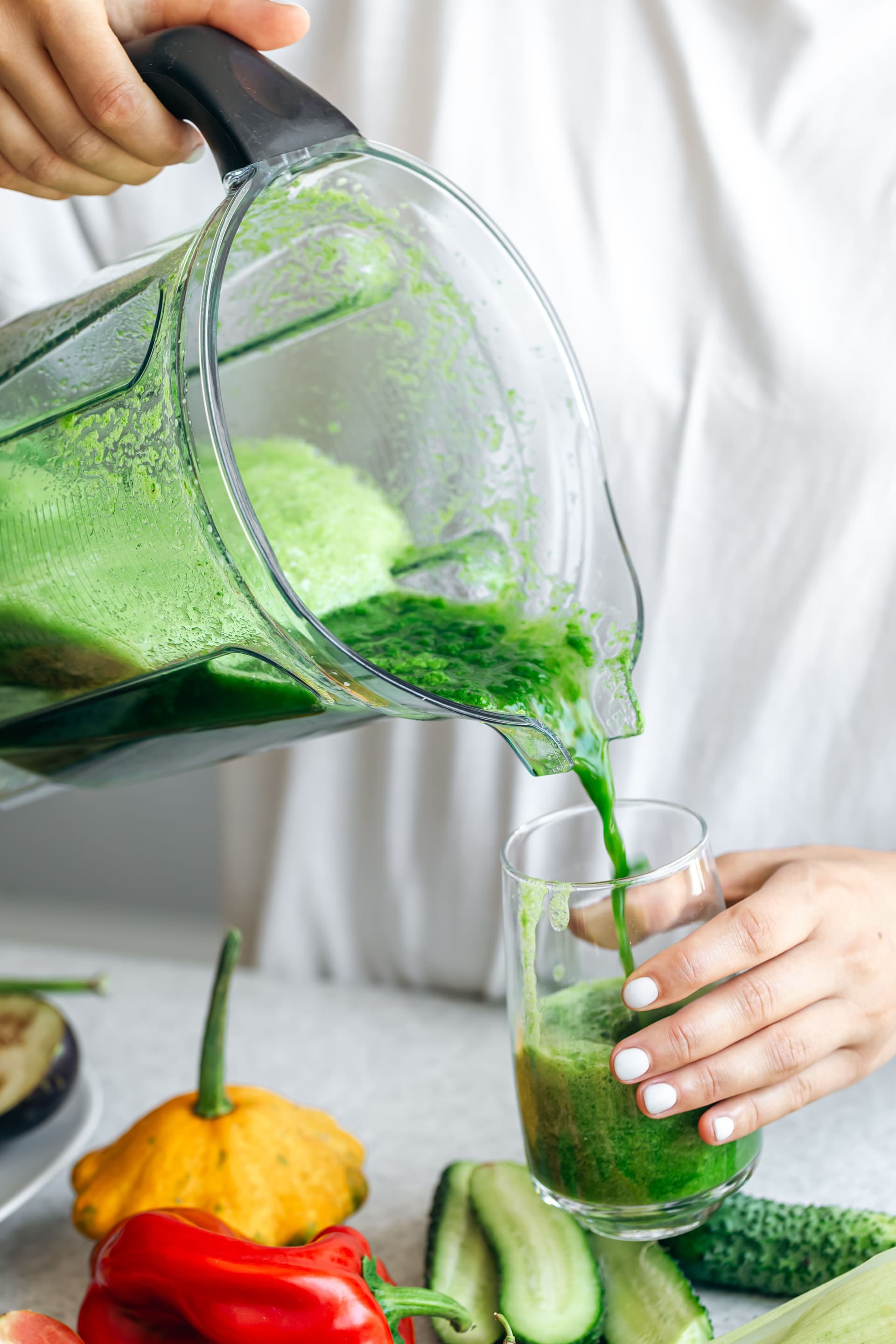
There's a reason juicing has been a cornerstone of healing protocols for decades. When you extract the liquid from fresh vegetables and fruits, you're creating something remarkable: concentrated, bioavailable nutrition that can reach your cells almost immediately.
Normally, your digestive system has to break down food, extract nutrients, and absorb them through the intestinal lining—a process that takes hours and requires significant energy. Juicing does much of that work for you. The nutrients in fresh juice enter your bloodstream rapidly, delivering vitamins, minerals, enzymes, and phytonutrients directly to cells that desperately need them.
This matters enormously for detoxification. Your cells need raw materials to perform the biochemical processes of cleansing and repair. When those nutrients arrive quickly and efficiently, your detox pathways can operate at greater capacity. Cells that have been starving for proper nutrition finally get what they need to function.
The enzyme content of fresh juice deserves special attention. Raw vegetables and fruits contain living enzymes that support digestion and various metabolic processes. These enzymes are destroyed by heat, which is why fresh, raw juice offers something cooked foods cannot. When your body receives these intact enzymes, it can direct more of its own enzymatic resources toward detoxification and repair rather than digestion.
The chlorophyll in green juices—from vegetables like celery, cucumber, spinach, and parsley—has its own detoxifying properties. Chlorophyll binds to toxins and heavy metals, helping escort them out of your body. It also supports liver function and helps oxygenate your blood.
People have experienced profound healing through intensive juicing protocols. This isn't anecdotal folklore—it's the predictable result of flooding the body with concentrated nutrition while simultaneously giving the digestive system a rest. When your body isn't spending energy breaking down difficult-to-digest foods, it can redirect that energy toward cleansing and regeneration.
The key is quality. Fresh-pressed juice from organic produce offers the full spectrum of nutrients and enzymes. Pasteurized juices from the store have been heat-treated, destroying enzymes and degrading many nutrients. If you're juicing for detoxification, fresh matters.
A simple daily green juice—celery, cucumber, lemon, ginger, and leafy greens—can become one of the most supportive habits you add to your routine. It doesn't have to replace meals to be beneficial. Even one fresh juice daily delivers concentrated nutrition that supports your body's cleansing processes.
How Does Fasting Detox Your Body? (The Power of Pause)
Something profound happens when you stop eating for a while. Your body shifts from building and storing mode into cleaning and recycling mode. And this shift, called autophagy, may be one of the most powerful detoxification tools available to you.
Autophagy literally means "self-eating," which sounds alarming until you understand what it actually does. When nutrients aren't constantly arriving, your cells start cleaning house. They identify damaged proteins, dysfunctional components, and cellular debris, break them down, and repurpose the salvageable materials into new, functional parts.
Think of it like a renovation crew that works the night shift. During the day when the building is busy, they can't tear anything apart. But when activity stops, they can finally address the accumulated damage—replacing worn-out parts, clearing out what doesn't work, and restoring everything to proper function.
Japanese cell biologist Yoshinori Ohsumi won the 2016 Nobel Prize in Physiology or Medicine for his discoveries of autophagy mechanisms—research that transformed our understanding of how cells clean and renew themselves. Autophagy is connected to longevity, cancer prevention, neurological protection, and healthy aging. When autophagy declines—as it naturally does with age and with constant eating—cellular debris accumulates and contributes to disease processes.
The practical application? Building fasting windows into your routine triggers this cellular cleaning. The most accessible approach is time-restricted eating, where you consume all your food within a specific window and fast the rest of the time. A 16:8 pattern—eating within an eight-hour window and fasting for sixteen hours—is sustainable for most people while providing meaningful autophagy benefits.
You can extend this further. An 18:6 pattern provides more autophagy activation. Occasional 24-hour fasts offer deeper cellular cleanup. Some people practice longer fasts under proper guidance for intensive detoxification and healing.
During fasting periods, your body isn't just cleaning cells—it's also giving your digestive system complete rest. Your liver can focus entirely on detoxification rather than processing incoming food. Your gut lining can repair. Your energy can go toward healing rather than digestion.
Combined with juicing, fasting becomes even more powerful. A juice fast provides cellular nutrition while still allowing digestive rest and autophagy activation. You're feeding your cells what they need while enabling the deep cleaning that only happens when you're not eating solid food.
The key is listening to your body and progressing gradually. If you've never fasted before, start with a 12-hour overnight fast and extend from there. Some people thrive with regular extended fasts; others do better with daily time-restricted eating. Both approaches support detoxification.
Your Brain's Nightly Cleanse
While you're sleeping, your brain is anything but inactive. It's running a sophisticated cleaning operation that can only happen when you're unconscious.
As mentioned above, the glymphatic system, discovered in 2012, is your brain's dedicated waste removal network. During sleep—particularly deep, slow-wave sleep—cerebrospinal fluid pumps through your brain tissue, flushing out metabolic waste that accumulated during the day. Your brain cells actually shrink slightly during sleep, creating more space between them for this cleansing fluid to flow.
This system clears beta-amyloid, the protein associated with Alzheimer's disease. It removes other metabolic debris that would otherwise accumulate and impair function. And it does this work almost exclusively during sleep. When you're awake, glymphatic activity drops dramatically.
This is why sleep deprivation affects cognition so profoundly. It's not just that your brain is tired—it's that your brain didn't get cleaned. The fog, the difficulty concentrating, the memory issues that come with poor sleep are partly the result of accumulated waste that should have been cleared overnight.
Sleep quality matters as much as quantity here. Deep sleep is when glymphatic activity peaks. If you're getting hours in bed but your sleep is shallow or fragmented, you're not getting the full cleaning cycle. This is why optimizing sleep quality—cool room, complete darkness, consistent schedule, no screens before bed—isn't optional for detoxification.
Even your sleep position may influence brain detoxification. Research suggests that sleeping on your side may enhance glymphatic drainage compared to sleeping on your back or stomach. While the science is still developing, it's another reminder that the details of how you sleep matter.
When you're actively supporting detoxification, prioritize sleep ruthlessly. Seven to nine hours of quality sleep isn't indulgent—it's essential. Your brain cannot fully detoxify any other way.
Does Exercise Help You Detox? (Why Movement Matters More Than You Think)
Your lymphatic system is your body's sewage system, collecting cellular waste, dead cells, and toxins and moving them toward elimination. But unlike your blood, which has your heart pumping it around, lymph fluid has no central pump. It depends entirely on you.
Muscle contractions squeeze lymphatic vessels, pushing fluid through. Deep breathing creates pressure changes that move lymph through central channels. Body movement opens and closes lymphatic valves, directing flow toward lymph nodes where waste is processed.
When you don't move, lymph stagnates. Waste products that should be traveling toward elimination sit in tissues instead. This contributes to that heavy, sluggish feeling that comes with inactivity—and it genuinely impairs your body's ability to cleanse itself.
The good news is that moving your lymphatic system doesn't require intense exercise. Walking is remarkably effective—thirty minutes of consistent walking creates the muscle contractions needed to pump lymph throughout your body. It's simple, accessible, and works.
Rebounding—bouncing on a mini-trampoline—has become popular specifically for lymphatic support. The vertical movement and the momentary weightlessness at the top of each bounce create unique conditions that open lymphatic valves and promote fluid movement. Even five to fifteen minutes of gentle bouncing can make a noticeable difference in how you feel.
Yoga combines movement, stretching, and breathing in ways that particularly support lymphatic flow. Inversions—poses where your head is below your heart—reverse the normal effects of gravity on lymph. Deep breathing practices directly massage the central lymphatic ducts. The combination makes yoga one of the most complete lymphatic support practices available.
Deep diaphragmatic breathing alone moves lymph. When you breathe deeply into your belly, your diaphragm massages the cisterna chyli, a major lymphatic reservoir. Several minutes of intentional deep breathing throughout your day can significantly improve lymphatic circulation.
The message is simple: move daily. How you move matters less than the consistency. Walk, bounce, stretch, breathe deeply—whatever you'll actually do. Your lymphatic system needs the stimulation, and your detoxification depends on it.

What Supplements Support Detoxification?
While food should always be your foundation, targeted supplementation can meaningfully enhance your body's detoxification capacity. The key is understanding what your body actually needs and choosing quality products that deliver it.
Milk thistle has been used for liver support for centuries, and modern research validates its benefits. The active compound, silymarin, stabilizes liver cell membranes, increases glutathione production, and supports the regeneration of liver tissue. It's found in virtually every liver support formula because it genuinely works.
N-acetyl cysteine (NAC) provides the rate-limiting amino acid for glutathione production. Your body makes glutathione, but it needs cysteine to do so—and NAC delivers cysteine in a highly usable form. Supplementing with NAC directly supports your master antioxidant system.
Glutathione itself can be supplemented, though absorption has historically been challenging. Liposomal forms and reduced glutathione have improved bioavailability, making direct supplementation more effective than it once was.
Probiotics support detoxification through the gut-liver axis. Beneficial bacteria help break down certain toxins, produce short-chain fatty acids that support liver function, and maintain gut barrier integrity so toxins don't leak into circulation. Multi-strain formulas with researched strains offer the most comprehensive support. MaxLiving’s gut health products offer these critical allies.
B vitamins serve as cofactors for Phase I and Phase II liver enzymes. Without adequate B vitamins, these enzymatic reactions slow down. A quality B-complex ensures your liver has the cofactors it needs for efficient detoxification.
MaxLiving's PurePath Detox System combines these evidence-based ingredients into a comprehensive two-part protocol. The Cell Detox formula taken in the morning includes milk thistle, glutathione, and organic beet to support cellular cleansing. The Body Detox formula taken in the evening includes activated bamboo charcoal and probiotics to support elimination and gut health. Together, they address multiple pathways in a coordinated approach.
Gut health specifically can be supported with MaxLiving's Digestion & Detox, which includes five clinically studied probiotic strains. The formula features Bacillus subtilis, a soil-based organism that's particularly resilient and effective for supporting the gut-liver connection.
The quality of supplements matters enormously. Cheap products often use inferior forms of nutrients that your body can't actually use well. They may contain fillers, additives, or contaminants that add to your toxic burden rather than reducing it. Investing in quality supplements from trusted sources ensures you're actually getting the support you're paying for.
How Long Does It Take to Detox Your Body?
Understanding detoxification is valuable. Putting that understanding into practice is what actually changes how you feel. Here's a structured approach that supports your body's cleansing processes effectively.
The Foundation Phase: Days One Through Seven
Start by removing the obvious burdens. Processed foods, refined sugars, alcohol, smoking and caffeine all create additional work for your detoxification systems. Eliminating them—even temporarily—frees up capacity for actual cleansing.
Simultaneously, flood your body with supportive nutrition. Increase vegetables dramatically, especially cruciferous varieties. Add sulfur-rich foods like garlic and onions to every meal. Include quality protein to provide amino acids for liver conjugation. Eat fiber-rich foods to support elimination.
Add fresh juice daily if possible. Even one green juice—celery, cucumber, lemon, ginger, leafy greens—delivers concentrated nutrition that reaches your cells quickly. This isn't replacing meals; it's adding support.
Hydrate intentionally. Aim for half your body weight in ounces of water daily. Your kidneys need adequate fluid to flush effectively, and proper hydration supports every detoxification pathway.
Begin time-restricted eating if you're not already practicing it. Start with a twelve-hour overnight fast and extend toward sixteen hours as comfortable. This activates autophagy and gives your digestive system rest.
Move daily. Walk for thirty minutes, practice yoga, use a rebounder, or simply ensure you're not sedentary. Your lymphatic system needs this stimulation.
Prioritize sleep aggressively. Get to bed early enough for seven to nine hours. Create conditions for deep sleep—cool, dark, quiet. Your brain can only fully detoxify during quality sleep.
The Intensive Phase: Days Eight Through Twenty-One
- Once the foundation is established, you can intensify support if desired. This is where targeted supplementation becomes particularly valuable.
- Add a comprehensive detox support formula like MaxLiving's PurePath Detox System. The two-part protocol—Cell Detox in the morning, Body Detox in the evening—provides coordinated support for multiple pathways.
- Consider extending fasting windows or incorporating occasional longer fasts. Some people benefit from one twenty-four-hour fast during this phase. Listen to your body and don't push beyond what feels sustainable.
- Increase juicing if you're seeing benefits. Some people do well with two or three fresh juices daily during an intensive phase. Others prefer to do a day or two of juice-only as a deeper reset.
- Continue all foundation practices. The supplements and intensified approaches work best when layered on top of consistent nutrition, hydration, movement, and sleep.
The Maintenance Phase: Ongoing
- Detoxification isn't a one-time event—it's an ongoing process that requires ongoing support, especially in our modern world.
- Maintain the dietary foundations you established. Vegetables at every meal, cruciferous vegetables daily, sulfur-rich foods regularly, adequate protein, plenty of fiber. These aren't temporary restrictions; they're permanent upgrades.
- Continue some form of time-restricted eating. Even a consistent twelve-to-fourteen-hour overnight fast provides daily autophagy benefits and digestive rest.
- Use supportive supplements as part of your regular routine. Daily probiotic support, periodic use of liver-supporting herbs, and consistent whole-food nutrition supplements all contribute to sustained detoxification capacity.
- Keep moving. The lymphatic support you need doesn't come from occasional intense exercise—it comes from daily movement of some kind.
- Protect your sleep. The glymphatic cleaning your brain needs happens every night, so every night of poor sleep is a missed opportunity.
How Do You Know If a Detox Is Working? (Honest Timelines)
Everyone wants to know how long it takes to feel better. The honest answer depends on where you're starting from, how consistently you follow through, and how burdened your system was to begin with.
The first few days of any detox protocol can feel challenging. If you're eliminating caffeine, sugar, alcohol, or processed foods, your body will protest. Headaches, fatigue, irritability, and cravings are normal during this adjustment. They're signs that you're actually changing something, not signs that something is wrong.
By days four through seven, most people begin noticing genuine improvements. Energy becomes more stable. Mental clarity improves. Digestive symptoms often ease. Sleep quality typically gets better. These early wins indicate that your body is responding to the support you're providing.
Two to four weeks brings more substantial change. This is enough time for liver function to improve measurably, for gut bacteria populations to shift, and for cellular cleanup to make a real difference. Most people feel significantly better at the two-week mark compared to when they started.
One to three months allows for deeper healing. Stubborn symptoms that didn't budge initially often begin improving. Energy and clarity continue building. Skin typically shows noticeable improvement. Weight that was stuck may finally start moving.
The changes that happen with consistent detoxification support tend to compound over time. The longer you maintain supportive practices, the better your baseline function becomes. You're not just addressing accumulated burden—you're building capacity that serves you going forward.
Your Body Was Designed for This You Just Need to Support the Design
Here's what matters most: your body possesses remarkable wisdom and capacity for cleansing and renewal. The detoxification systems you were born with are sophisticated, powerful, and constantly working on your behalf. They've kept you alive and functional despite living in an increasingly toxic world.
These systems don't need to be replaced or overridden. They need to be supported. They need the raw materials to function optimally. They need the conditions that allow them to work efficiently. They need you to stop adding burden and start adding support.
When you provide this support—through nutrition that fuels detox pathways, juicing that floods cells with bioavailable nutrients, fasting that activates cellular cleaning, sleep that allows brain detoxification, movement that keeps lymph flowing, and supplementation that provides targeted assistance—your body responds. It knows exactly what to do with the support you provide.
The fog lifts. The energy returns. The digestion normalizes. The skin clears. The body that felt heavy and sluggish starts feeling light and vital again.
This isn't about perfection or extreme protocols. It's about consistent support for the innate healing capacity that already exists within you. Your body is waiting to show you what it can do when given the chance.
Start where you are. Do what you can. Add support incrementally. Trust the process. Your body was designed for renewal. It's time to give it what it needs.
References:
- https://pmc.ncbi.nlm.nih.gov/articles/PMC4144270/
- https://pmc.ncbi.nlm.nih.gov/articles/PMC4488002/
- https://pmc.ncbi.nlm.nih.gov/articles/PMC4718206/
- https://pmc.ncbi.nlm.nih.gov/articles/PMC8703161/
- https://my.clevelandclinic.org/health/articles/24058-autophagy
- https://pmc.ncbi.nlm.nih.gov/articles/PMC10509423/
- https://experiencelife.lifetime.life/article/fiber-why-it-matters-more-than-you-think/
- https://www.urmc.rochester.edu/news/story/not-all-sleep-is-equal-when-it-comes-to-cleaning-the-brain
- https://pmc.ncbi.nlm.nih.gov/articles/PMC7698404/
- https://www.nobelprize.org/prizes/medicine/2016/press-release/


 Facebook
 Instagram
 LinkedIn