


Published: May 1, 2026
Your grandmother could grow a tomato, can preserves, and turn a whole chicken into three meals. Your mom could probably bake from scratch and knew which vegetables were in season. Your kids? They can order DoorDash like pros, but ask them where their food actually comes from, and you might get some creative answers.
We're not talking about the grocery store. We're talking about the actual origin. And the gap between what kids know and what they're eating is wider than you think—and it's showing up in their health, their relationship with food, and their willingness to eat anything that didn't come from a drive-thru window.
Here's the thing: in just three generations, we've gone from most Americans working farms to less than 2% today. Family dinners dropped from something nearly everyone did to something less than half of families manage regularly. And now kids are getting the majority of their calories from ultra-processed foods.
The good news? You don't need a farm to fix this. You don't need a big backyard. You don't even need to be a good cook. You just need to start connecting your kids to real food—and it's easier than you think.
What Happened to Multi-Generational Food Wisdom?
Something fundamental broke between your grandmother's generation and now. It wasn't dramatic. It happened slowly, almost invisibly. But the result is that skills passed down for centuries—growing food, preserving harvests, cooking from scratch, knowing what's in season—largely disappeared in just two or three generations.
The numbers tell the story. Daily family meals dropped from 84% among the Silent Generation to just 38% for Gen Z. That's not a slight decline—that's a cultural collapse. Currently, only 45% of children have family meals every day.
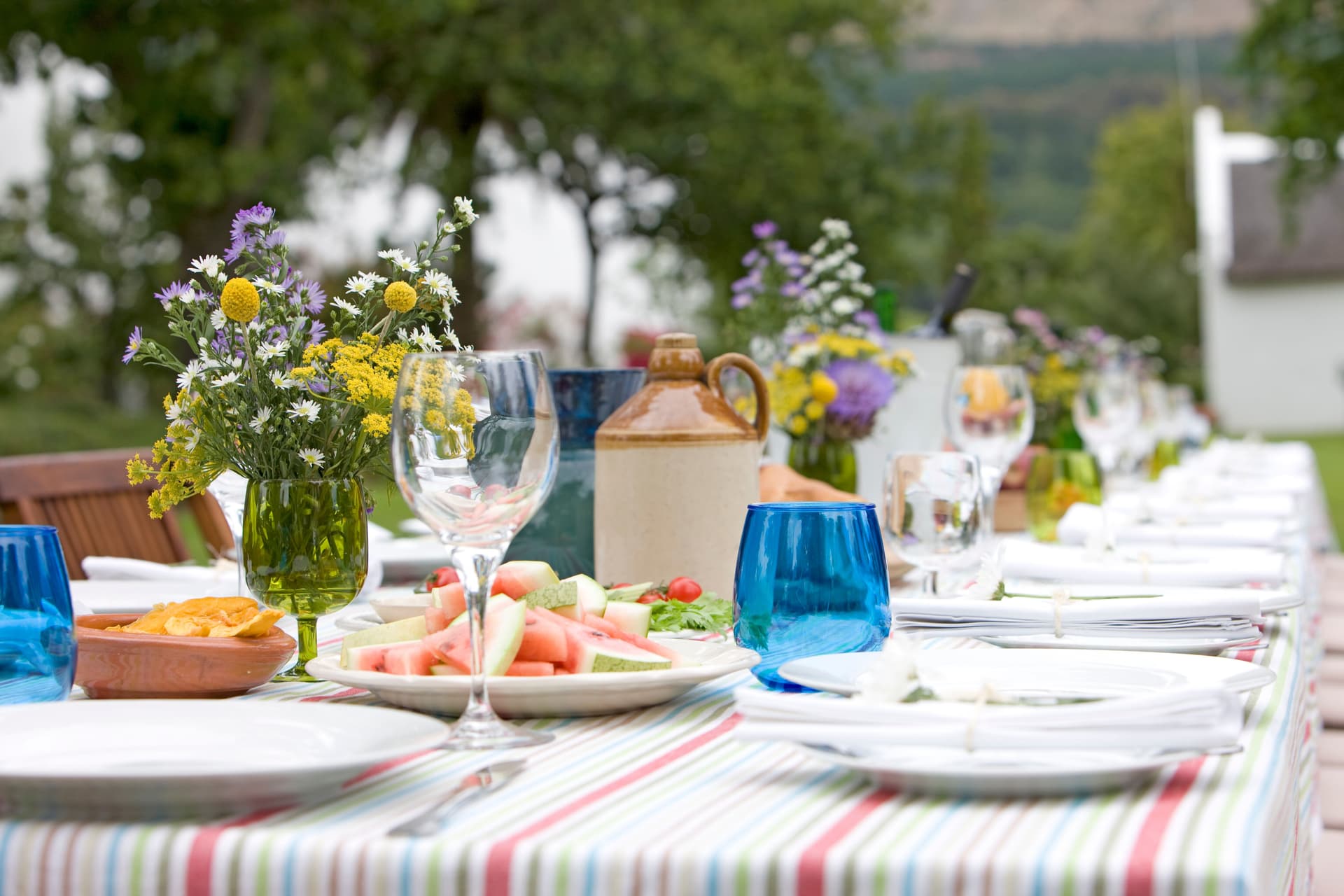
Cooking skills followed the same trajectory. Only 33% of Gen Z consider themselves skilled cooks, compared to 47% of Millennials. Just 37% of Gen Z took home economics classes in high school, down from 47% of Millennials. The infrastructure for teaching basic food skills simply vanished from schools.
It shows Americans now spend more on food away from home (50.3%) than on groceries (49.7%)—a shift that would have been unthinkable two generations ago. When eating out becomes the norm rather than the exception, children lose exposure to home cooking entirely.
Your grandmother didn't need a cookbook to make bread or can tomatoes. Your mom probably learned basic cooking from watching her parents. But today's kids? Many have never seen anyone cook a meal from actual ingredients. They've seen ordering on apps. They've seen reheating. They've seen drive-thru windows.
This isn't about romanticizing the past or suggesting everyone needs to bake their own bread. It's about recognizing what's been lost and deciding what's worth reclaiming. When children grow up without ever seeing food preparation, without understanding that meals come from ingredients rather than packages, they're starting adulthood missing fundamental life skills.
The remarkable part? You can rebuild this. You don't need your grandmother's decades of experience. You just need to start teaching what she knew—that food comes from somewhere real, and making it yourself is both possible and worthwhile.
How Urbanization Severed Our Connection to Food Sources
A century ago, understanding where food came from wasn't optional—it was unavoidable. Most Americans either lived on farms or lived close enough to farming that the connection between soil and table was obvious.
The shift happened fast. In 1900, 41% of the American labor force worked in agriculture. Today, it's less than 2%. Farm numbers peaked at 6.81 million in 1935 and fell to 1.88 million in 2024—a 72% decline. The average age of a U.S. farm producer is now 58.1 years, and the rural population dropped from 40% of Americans to just 16%.
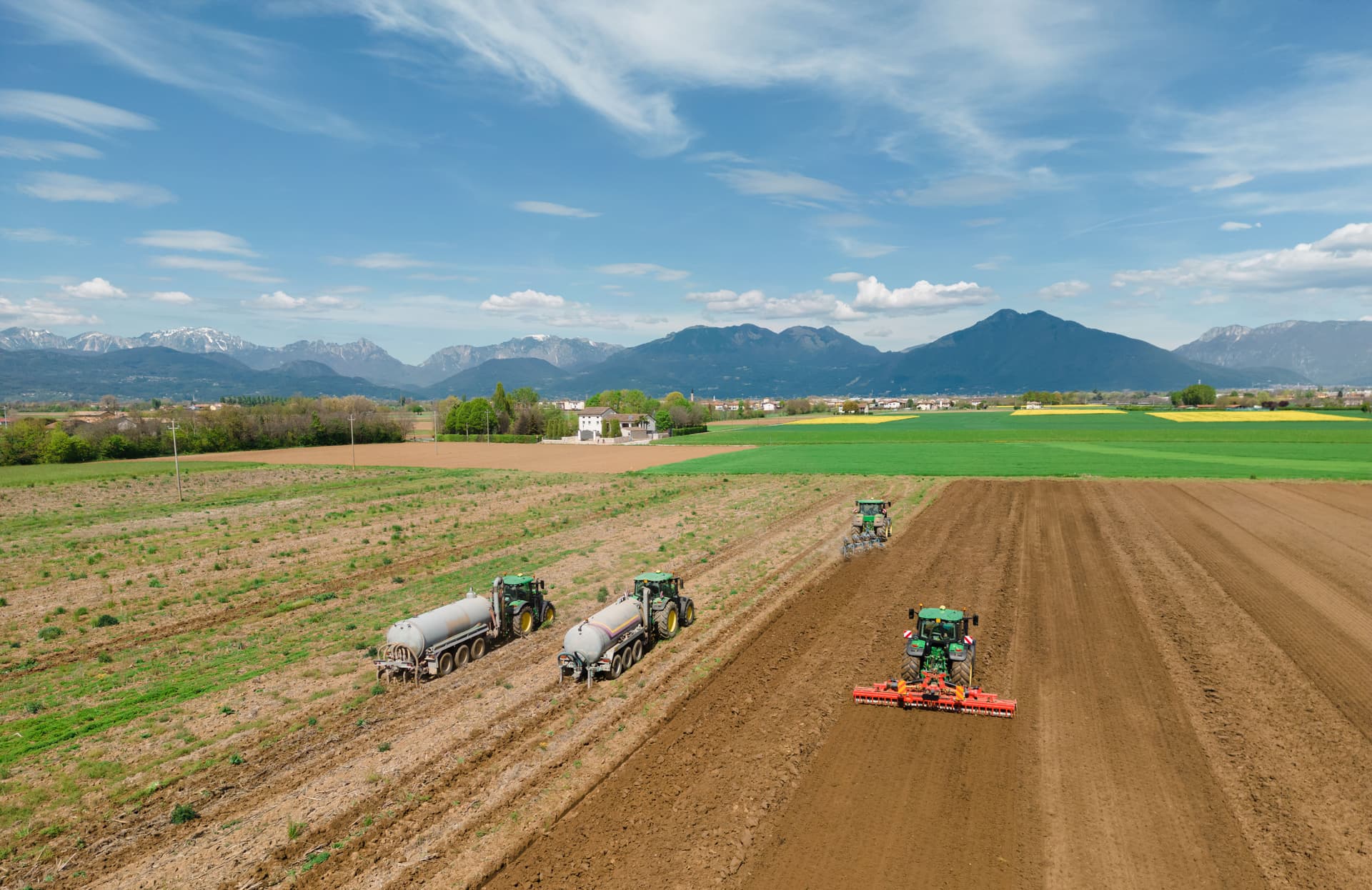
What replaced small, diversified family farms? Large-scale industrial agriculture concentrated in specific regions. Your vegetables might travel 1,500 miles before reaching your grocery store. Meat gets processed in massive facilities hundreds of miles from where animals were raised. The entire supply chain became invisible to consumers.
Urbanization compounded the disconnect. When you live in a city, food appears in grocery stores as if by magic. There's no farmer down the road. No seasonal rhythms determining what's available. Everything's always in stock, year-round, from anywhere in the world. Strawberries in December. Tomatoes in February. The concept of "in season" lost all meaning.
For children growing up in this environment, food is just something that appears in stores, already packaged. The idea that tomatoes grow on plants, that carrots come from underground, that chickens are actual birds—these aren't obvious facts. They're abstract concepts disconnected from daily experience.
It's a structural shift in how food systems work. The consequences are real. Kids who've never seen a farm, never picked produce, never watched anything grow from seed to harvest, don't have the mental framework for understanding food as something that comes from nature rather than factories.
The good news? You can rebuild these connections even in urban environments. Community gardens, farmers markets, CSA programs, U-pick farms within driving distance, even windowsill herbs and container vegetables—all create touchpoints between kids and real food sources.
The goal isn't moving to a farm or going back to 1900—although that isn’t a bad idea. It's creating enough direct experiences with where food comes from that kids understand the basic truth: food is grown, not manufactured. That understanding changes everything about how they relate to eating.
The Carrot They Pulled vs. The Carrot From a Bag
Picture this: Your kid willingly eats the carrots they pulled from the dirt, but won't touch the baby carrots from a bag. They devour warm tomatoes from the garden but claim to hate tomatoes at dinner. They beg for snap peas they planted in March.
What changed? They know where it comes from.
That single shift—connecting food to its source—might be the answer to your picky eater battles, your veggie negotiations, and those dinnertime standoffs where everyone's frustrated and nobody's happy. When kids understand that food comes from soil, seeds, and effort rather than just appearing in plastic packaging, something fundamental shifts in how they relate to eating.
Research backs this up: kids with better food knowledge are significantly more willing to try new foods and choose healthier options. It's not about lecturing them on nutrition. It's about letting them experience where food actually comes from.
Why Ultra-Processed Foods Have Taken Over Childhood
Walk down any grocery store aisle, and you'll see it: brightly colored packages designed to catch kids' eyes, cartoons on cereal boxes, "fun" shapes and flavors engineered in labs to hit every pleasure center in a developing brain. Ultra-processed foods aren't just convenient—they're specifically formulated to be irresistible.
The latest CDC data analyzing what American kids actually eat is sobering. Children ages 6–11 get nearly 65% of their calories from ultra-processed foods. That's not occasional treats—that's the foundation of their diet. The top sources? Sandwiches and burgers, sweet bakery products, savory snacks, sweetened beverages, and pizza.
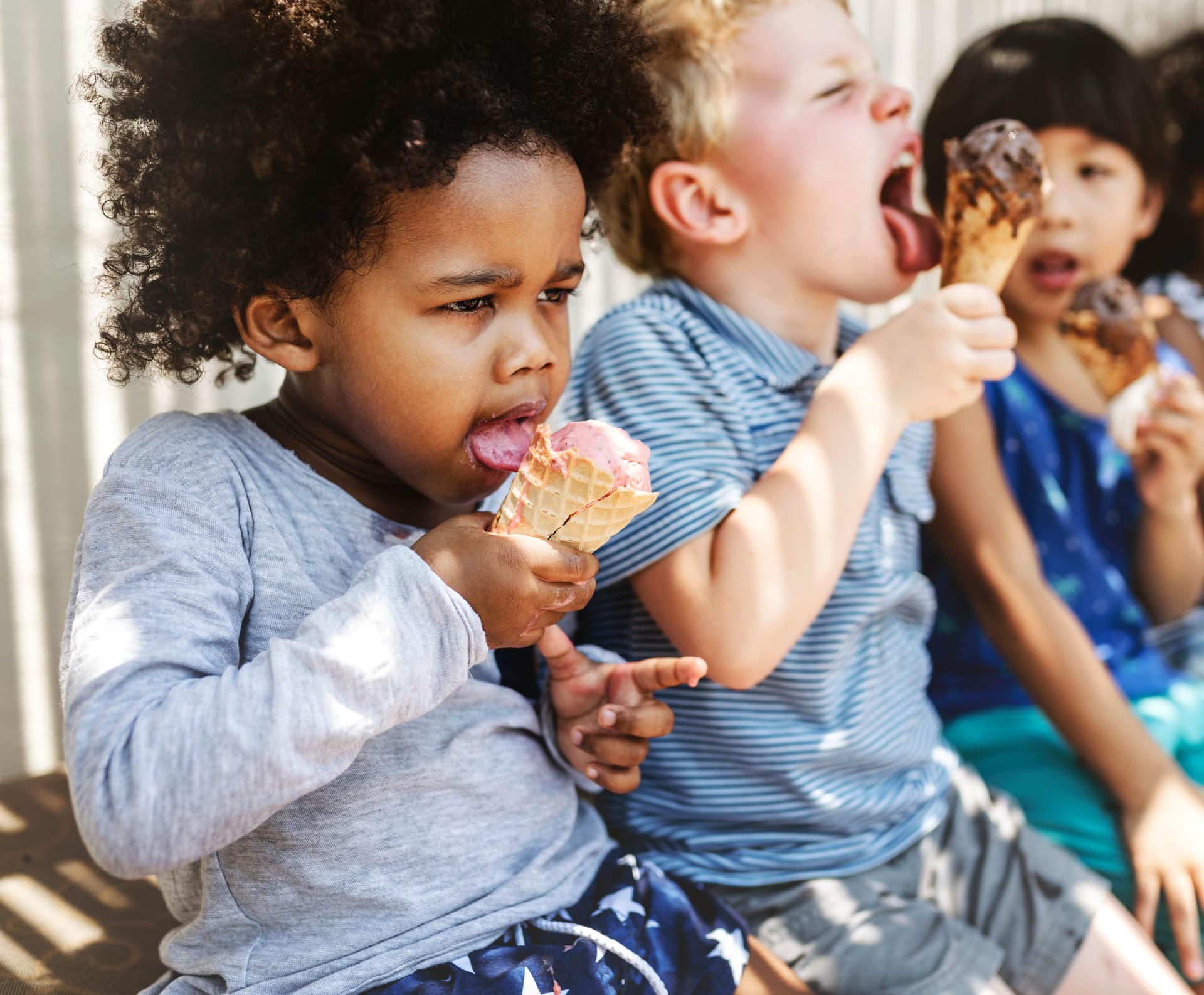
What makes this particularly concerning is that ultra-processed food consumption doesn't vary by income level. This isn't a rich-versus-poor issue. It's a cultural shift that's affecting everyone. Over the past two decades, the data reveals consumption of ready-to-heat-and-eat dishes jumped from 2% to 11% of kids' daily calories. Meanwhile, whole and minimally processed foods dropped from 29% to 23%.
These foods are designed to override natural satiety signals. They're hyperpalatable—engineered combinations of salt, sugar, and fat that don't exist in nature. They're also incredibly convenient in a world where both parents often work full-time, and drive-thru windows offer dinner in three minutes.
The solution isn't shaming parents for feeding their kids convenient food. It's rebuilding the connection between children and real food, so they have a framework for understanding what nourishes them versus what's just engineered to taste good.
The Screen Time Reality Nobody Wants to Talk About
Here's a number that might sting: the average American child ages 8–18 spends 7.5 hours daily on entertainment screens. That's more time than they spend sleeping. More time than they spend in school.
For younger kids, the 2025 Common Sense Census found that children ages 0–8 average 2.5 hours of screen time daily. By age 2, 40% of children have their own tablet. By age 4, more than half do. Short-form video consumption jumped from 1 minute per day in 2020 to 14 minutes daily in 2024—a fourteen-fold increase in just four years.
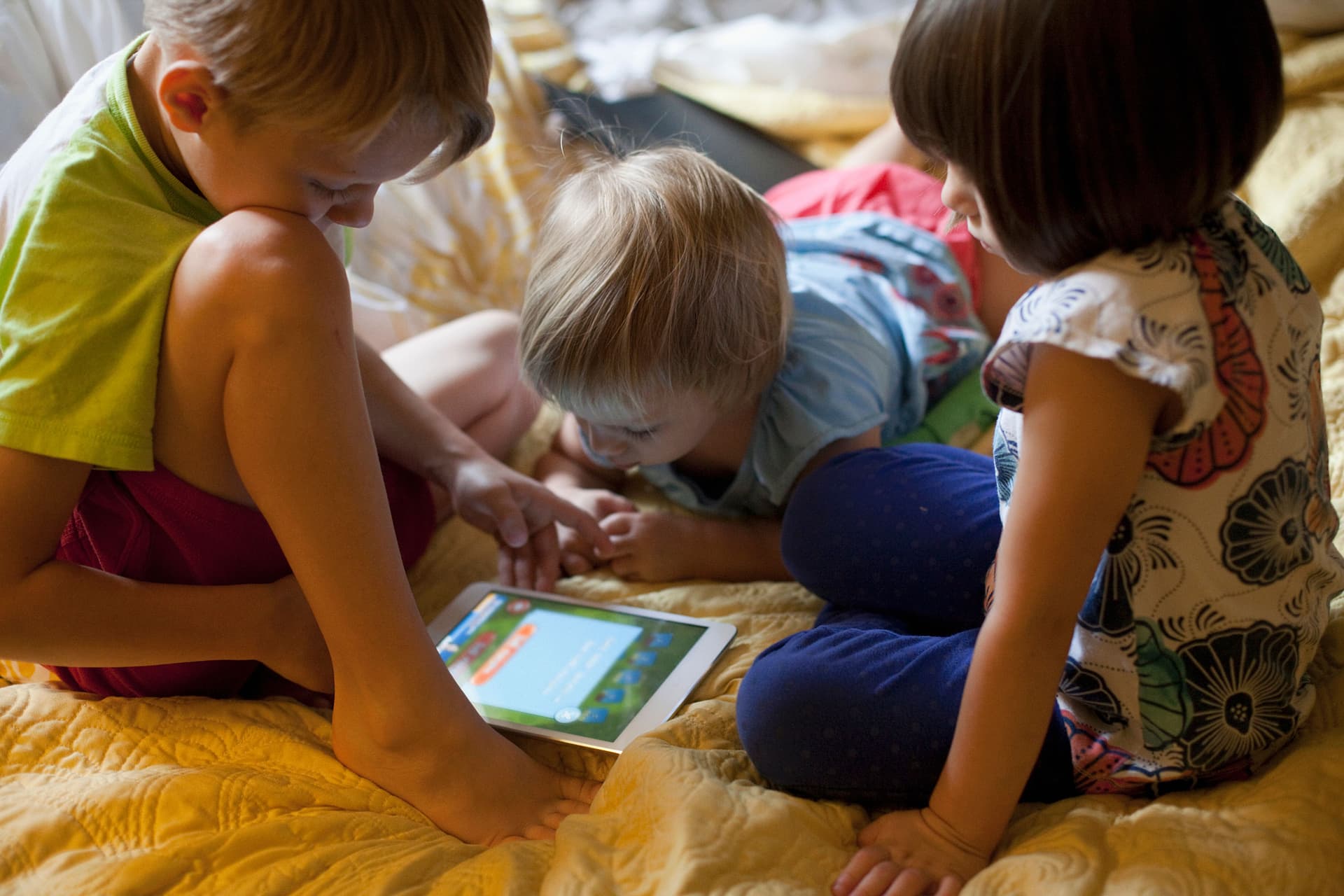
Meanwhile, outdoor playtime has collapsed. Today's children spend as few as 30 minutes per day in unstructured outdoor play—a dramatic shift from previous generations when 71% of mothers played outdoors daily as children, compared to just 26% of their own kids.
The connection to food might not seem obvious at first, but it's direct. Kids glued to screens aren't outside noticing seasons changing, seeing where food grows, or getting their hands dirty in soil. They're not developing the sensory experiences that build food curiosity. They're not bored enough to wonder what's growing in the backyard or ask to help cook dinner.
Screen time also correlates with processed food consumption. Kids watching screens are exposed to thousands of food advertisements yearly, almost all promoting ultra-processed products. They're eating mindlessly while distracted. And they're missing the family meal conversations that build food literacy.
The goal isn't eliminating screens entirely—that's unrealistic in 2026. But reclaiming even 15–20 minutes daily for food-related activities creates space for the connections that matter. Planting seeds. Washing vegetables. Stirring batter. Talking about where dinner came from. Those moments can't happen when everyone's staring at a screen.
What Happens When Kids Get Their Hands Dirty
Let's talk about what actually works. Not theory—real interventions with real kids.
Schools that added gardens saw something remarkable happen. Kids who spent time planting, watering, and harvesting vegetables started eating significantly more vegetables at lunch. Not because anyone forced them. Because they were curious about the food they grew.
One program combined gardening with simple cooking classes. After just 12 weeks, kids showed major increases in vegetable preference and nutrition knowledge. That fear of trying new foods? It decreased significantly.
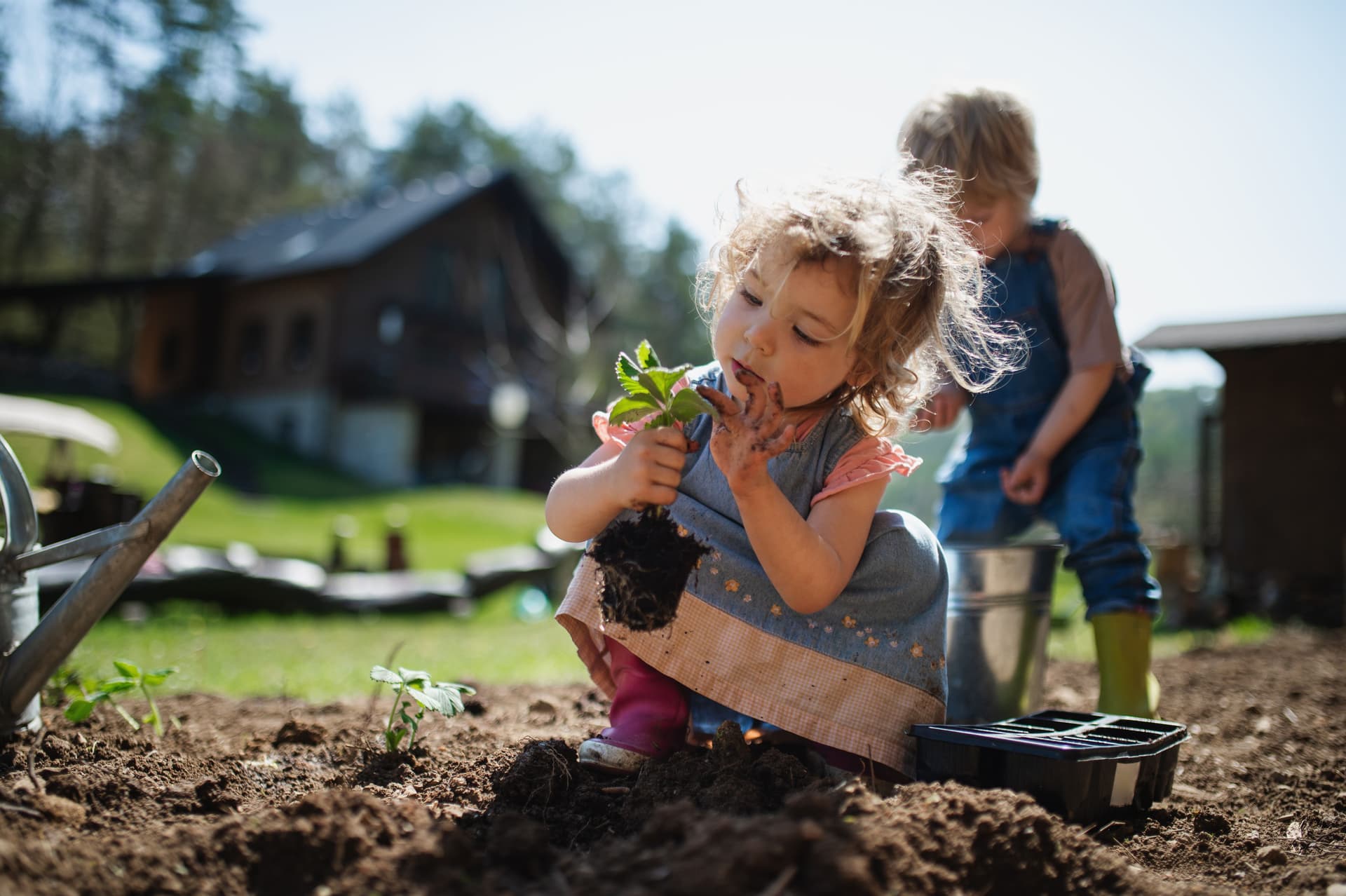
Here's something you can test tonight: let your kids help cook dinner. Even simple tasks. A study found that when kids helped prepare meals, they ate 76% more salad and felt more positive about eating. Turns out, ownership matters. When kids make food, they want to eat it.
Why Family Meals Matter More Than You Think
Let's talk about something simple that turns out to be surprisingly powerful: eating together as a family.
The research here is extensive and consistent. A meta-analysis of 57 studies involving over 200,000 participants found that higher family meal frequency was associated with better overall diet quality, healthier dietary patterns, less unhealthy food consumption, and lower BMI. The effects held across all ages, countries, and family sizes.
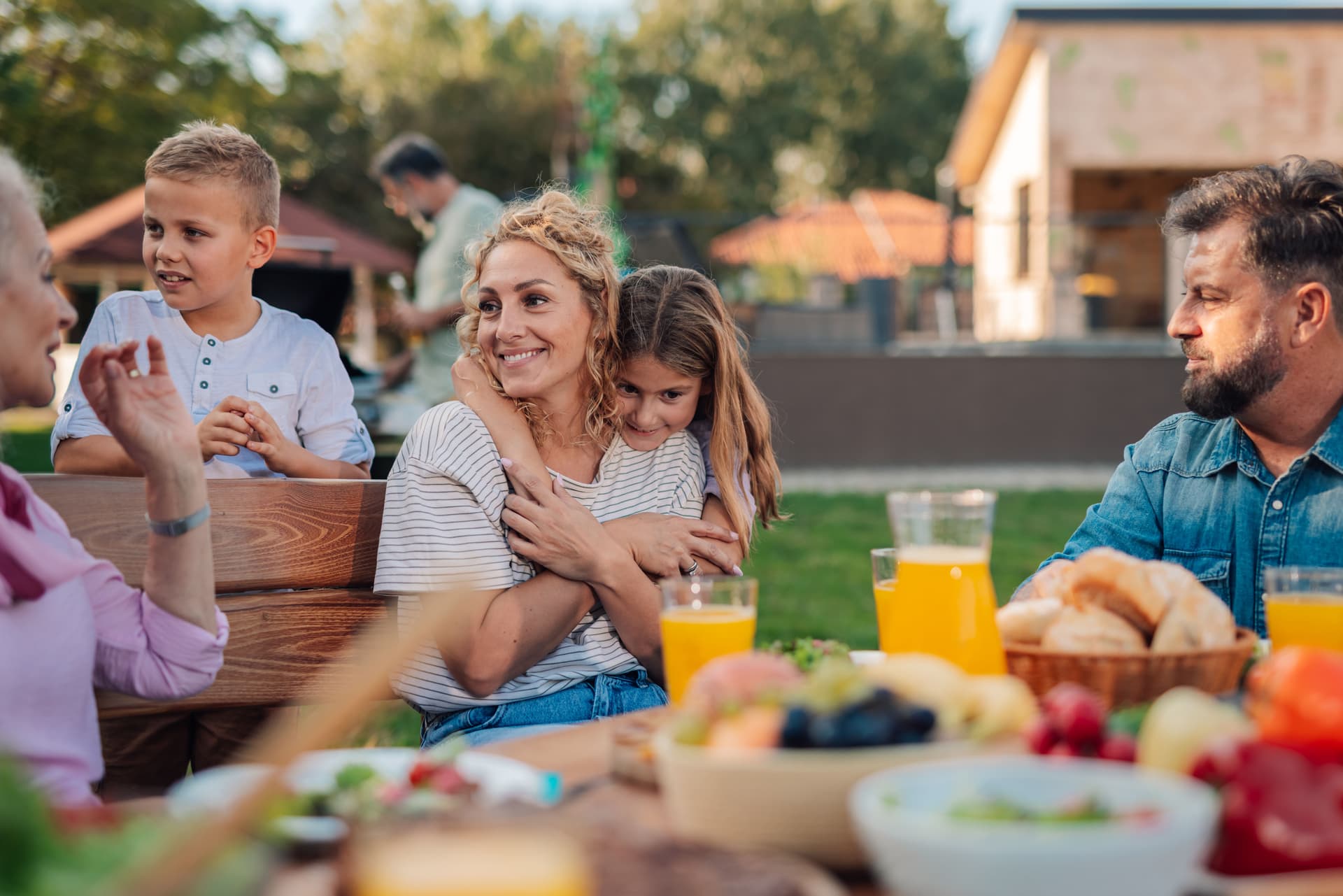
Another analysis identified six components that make family mealtimes particularly beneficial. The strongest factor? Longer meal duration. Meals that lasted longer—where families actually sat together and talked rather than rushing through—showed the biggest positive associations with children's nutritional health. Positive atmosphere, food quality, parental modeling, having the TV off, and children's involvement in meal prep all mattered too.
Sharing three or more family meals per week was associated with a 7% reduction in odds of being overweight and significantly healthier eating patterns. That might not sound dramatic, but for an intervention that costs nothing and simply involves sitting together, it's remarkably effective.
Here's what happens during family meals that doesn't happen when kids eat alone or in front of screens: they see adults eating and enjoying vegetables. They hear conversations about food—where it came from, how it was prepared, why it tastes the way it does. They try foods they might refuse if eating alone because everyone else is eating them. They develop positive associations between food and connection rather than food and screens or stress.
Family meals are also where food preferences get shaped. Kids watch what you eat, how you talk about food, whether you try new things. They notice if you grimace at vegetables or enthusiastically try the new dish. Research consistently shows that parental modeling is one of the strongest predictors of children's food choices—stronger than nutrition education, stronger than rules, stronger than pressure.
The barrier most families face isn't lack of desire—it's logistics. Different schedules, sports practices, work hours, homework. The perfect daily family dinner is unrealistic for many households.
But here's the thing: it doesn't need to be dinner. It doesn't need to be daily. Starting with three times per week makes a difference. Breakfast counts. Weekend lunches count. The goal is regular, predictable times when everyone sits together without screens and shares a meal.
Even 15–20 minutes of focused family mealtime builds connection, models healthy eating, and creates space for food conversations that don't happen any other time. You're not just feeding bodies—you're building food culture within your family.
The "Just One Bite" Myth (And What Actually Works)
If you've tried getting a toddler to eat broccoli, you know the drill. You offer it once. They refuse. You try again. Still no. After three attempts, you're done.
Except that's exactly when most kids are just starting to warm up to the idea.
Here's the truth most parents don't know: kids need somewhere between 8 and 15 exposures before they accept a new food. Not eight times eating it, eight times just tasting or even seeing it on their plate.
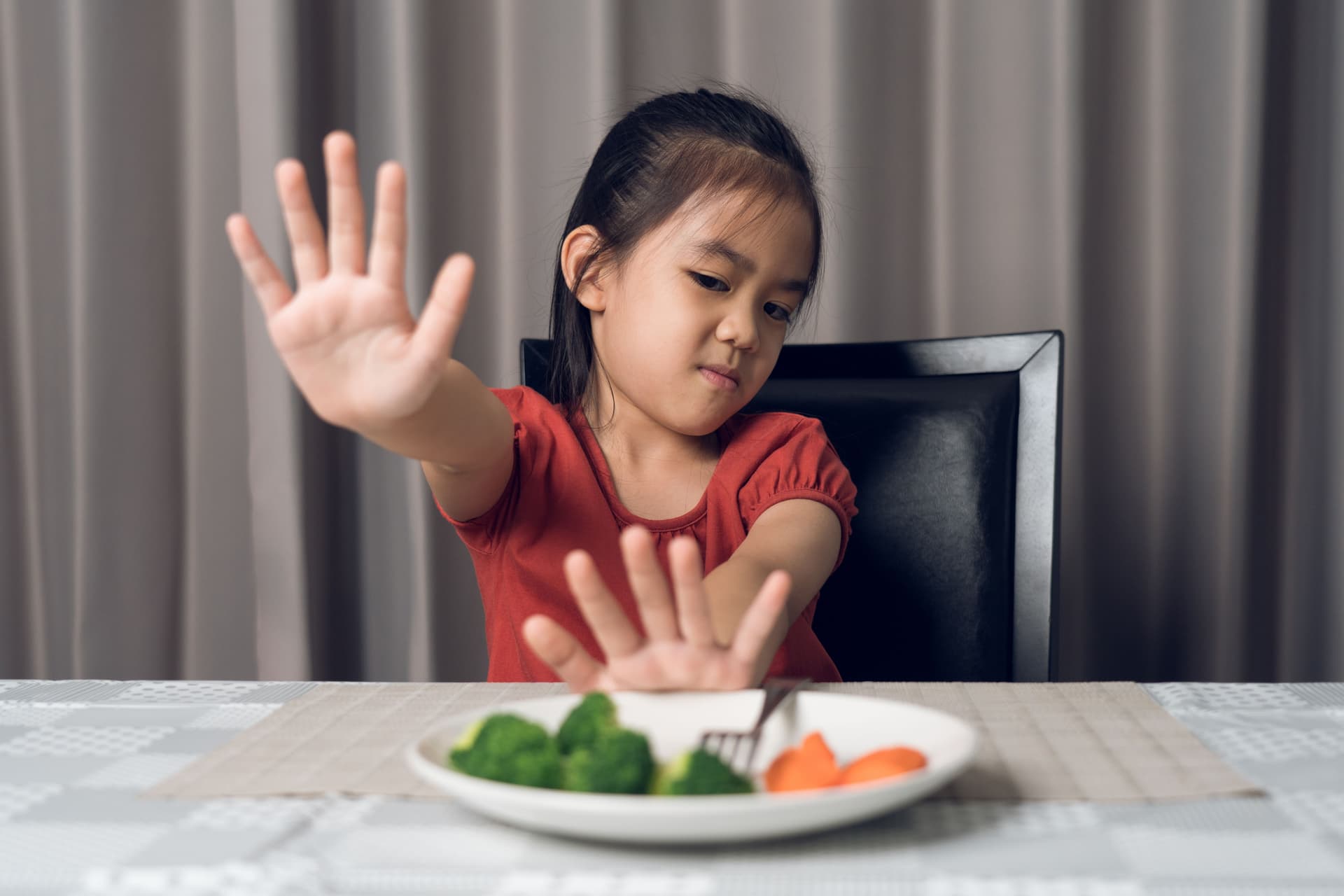
One study asked parents to offer a target vegetable 14 times over two weeks. Most families stuck with it, and 80% of parents said the approach made their kids more willing to try vegetables. The key? They pushed past the point where most parents quit.
That gap between attempt three and attempt ten? That's where the magic happens. That's the difference between "my kid won't eat vegetables" and "my kid actually likes vegetables."
The science is clear, but here's the practical translation: keep offering. Make it pressure-free. Don't force bites. Just keep the food showing up. Eventually, curiosity wins.
Why the Farm Effect Matters (Even If You Live in an Apartment)
There's something almost magical that happens when kids spend time around farms, gardens, and soil. Research comparing farm kids to non-farm kids found that children raised with close animal contact and exposure to diverse microbes had dramatically lower rates of asthma and allergies—we're talking differences as large as four to six times lower.
It's not just physical health. Kids who grow up with more green space show significantly lower rates of psychiatric disorders, including depression, anxiety, and mood disorders. The effect held even after accounting for socioeconomic factors and family history. Nature exposure during childhood appears to be protective for mental health in ways researchers are only beginning to understand.
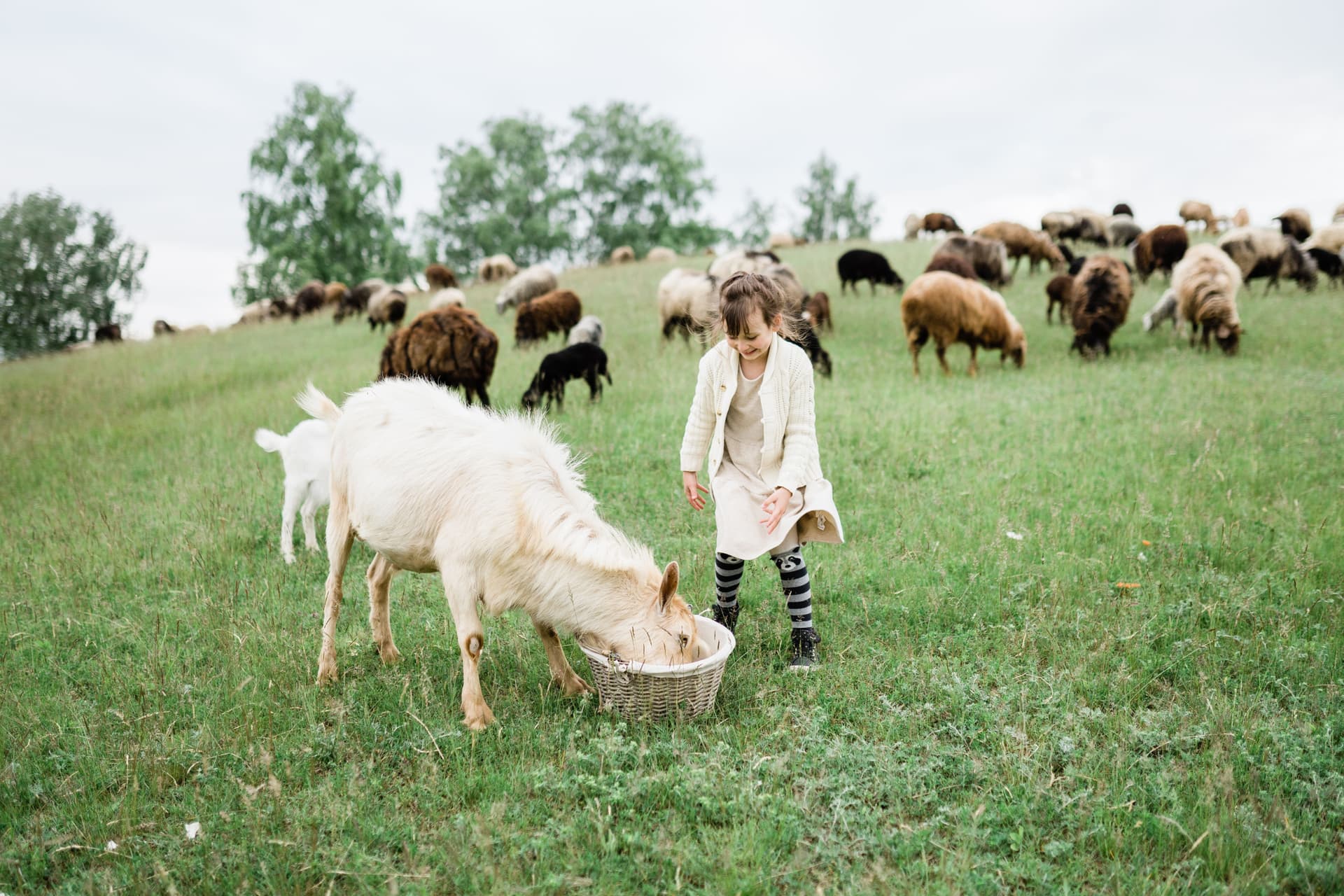
This doesn't mean you need to move to a farm. It means finding ways to connect kids to where food grows, even in small ways. Container gardens on balconies. Windowsill herbs. Weekend visits to U-pick farms or farmers' markets. Sprouting beans in a jar on the kitchen counter.
The goal isn't perfection. It's connection.
Teaching Kids About Real Food at Every Age
The beautiful part? You can start this at any age, and every stage has activities that work.
Toddlers (Ages 1-3): Sensory Exploration
At this age, it's all about touch, smell, and taste. Let them hold a whole tomato. Smell fresh basil. Tear lettuce leaves for salad. These aren't chores—they're sensory adventures.
Plant something fast-growing in a pot. Radishes sprout in days. Lettuce grows quickly. Even just watching a bean seed germinate in a clear cup creates wonder. Name foods during meals and at the grocery store. "This is a sweet potato. It grows underground. Let's find more orange vegetables."
Simple kitchen tasks work beautifully: wiping tables, washing produce in a small pan of water, shaking ingredients in a jar, breaking apart broccoli florets. They're building food literacy without even knowing it.
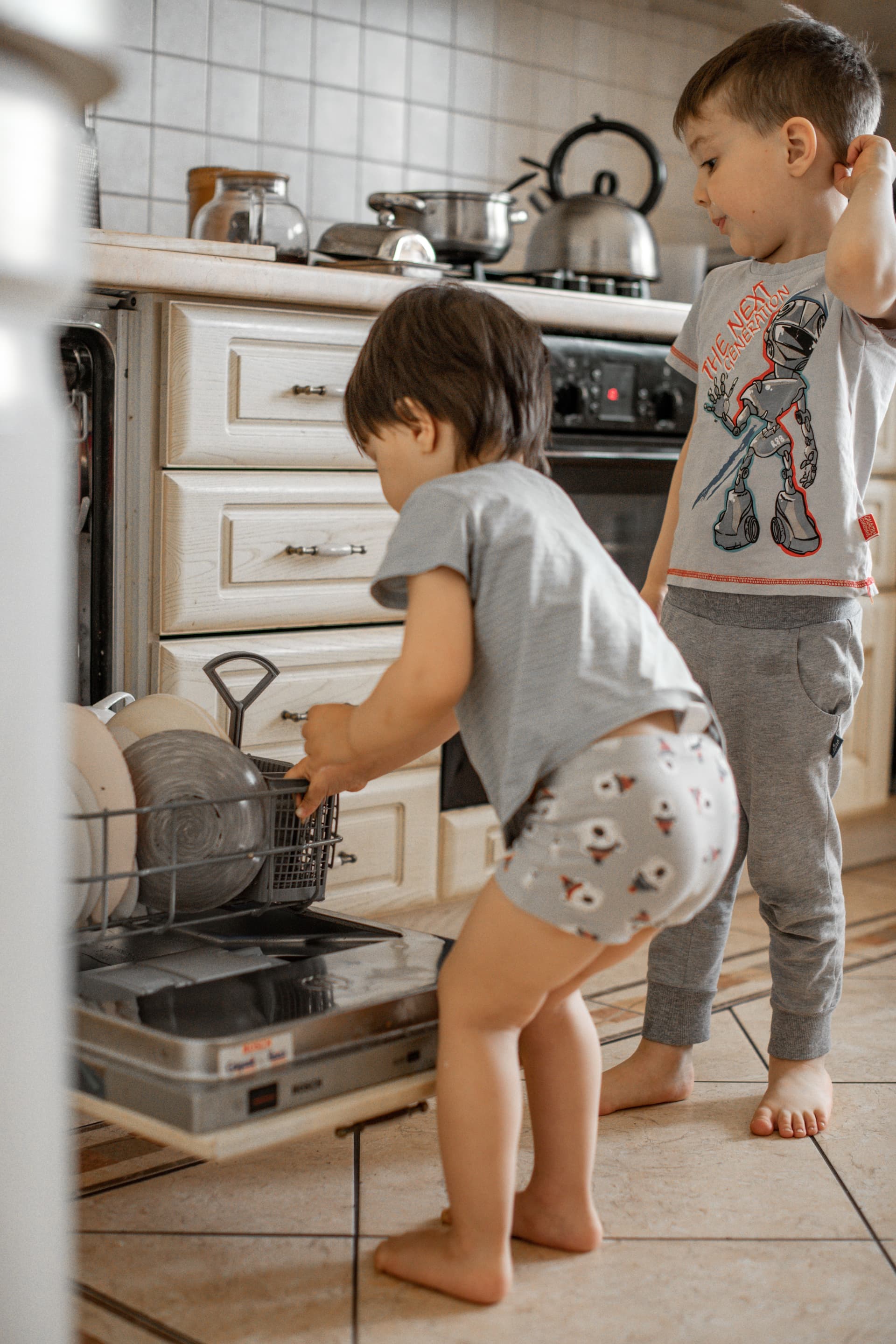
**Preschoolers (Ages 3-5): Hands-On Helpers ** This is the golden age for getting kids involved. They can peel hard-boiled eggs, bananas, and oranges. Measure ingredients with cups and spoons. Stir batter. Mash soft foods with a fork. Cut soft items with a kid-safe knife.
Start fast-growing plants together. Bean seeds in cups. Herbs in pots. Cherry tomatoes that they can watch turn from green to red. Create food art—fruit and veggie rainbows sorted by color.
Farmers' markets become treasure hunts. The USDA tested a program where kids got small amounts to spend on produce at farmers' markets. Eighty-three percent of participating children tried and liked a new food.
**Elementary Age (Ages 6-10): Building Confidence ** Now they can follow simple recipes, measure ingredients accurately, and handle more complex kitchen tasks. They can knead dough, load the dishwasher, and start using the stove with supervision.
Give them their own small garden plot or container. Let them choose what to grow, track its progress, and harvest when ready. Visit local farms. Go to U-pick orchards and berry farms.
Start teaching them to read labels. Make it a game: "Which cereal has less sugar?" Kids this age love challenges and comparisons.
Tweens and Teens (Ages 11+): Independence and Ownership
By this age, they can plan entire meals. Choose recipes. Create shopping lists. Budget for ingredients. They can cook independently on the stove and in the oven.
This is when you can start having conversations about food systems. Where does organic food come from? What are food miles—the distance food travels from farm to plate, which affects freshness, nutrition, and environmental impact? How do CSAs work—those Community Supported Agriculture programs where you buy a share of a local farm's harvest and receive weekly produce boxes? What's the difference between local and imported?
Let them take ownership. Maybe they cook dinner one night a week. Maybe they're in charge of the family garden. Maybe they research and plan a farmers' market trip. Autonomy at this age builds skills they'll use for life.
Real Food Education Without a Farm
"But I live in an apartment," or “I have no yard,” is probably the most common objection. And it's completely solvable.
Container gardening works beautifully for lettuce, cherry tomatoes, sweet peppers, strawberries, cucumbers, and herbs. You need containers at least 6 inches deep, potting soil, and a spot that gets 4-6 hours of sunlight. Balconies, patios, even sunny windowsills work.
Windowsill herbs need minimal space. Basil, chives, mint, parsley, and thyme thrive indoors in south-facing windows. Kids can snip them for meals and watch them regrow.
Sprout growing requires nothing but a jar, sprouting seeds, and water. In 5-7 days, you have fresh sprouts. Kids love watching the daily progress.
You can regrow green onions in a glass of water on the counter. Harvest the new growth in days. Repeat. It feels like magic to young kids.
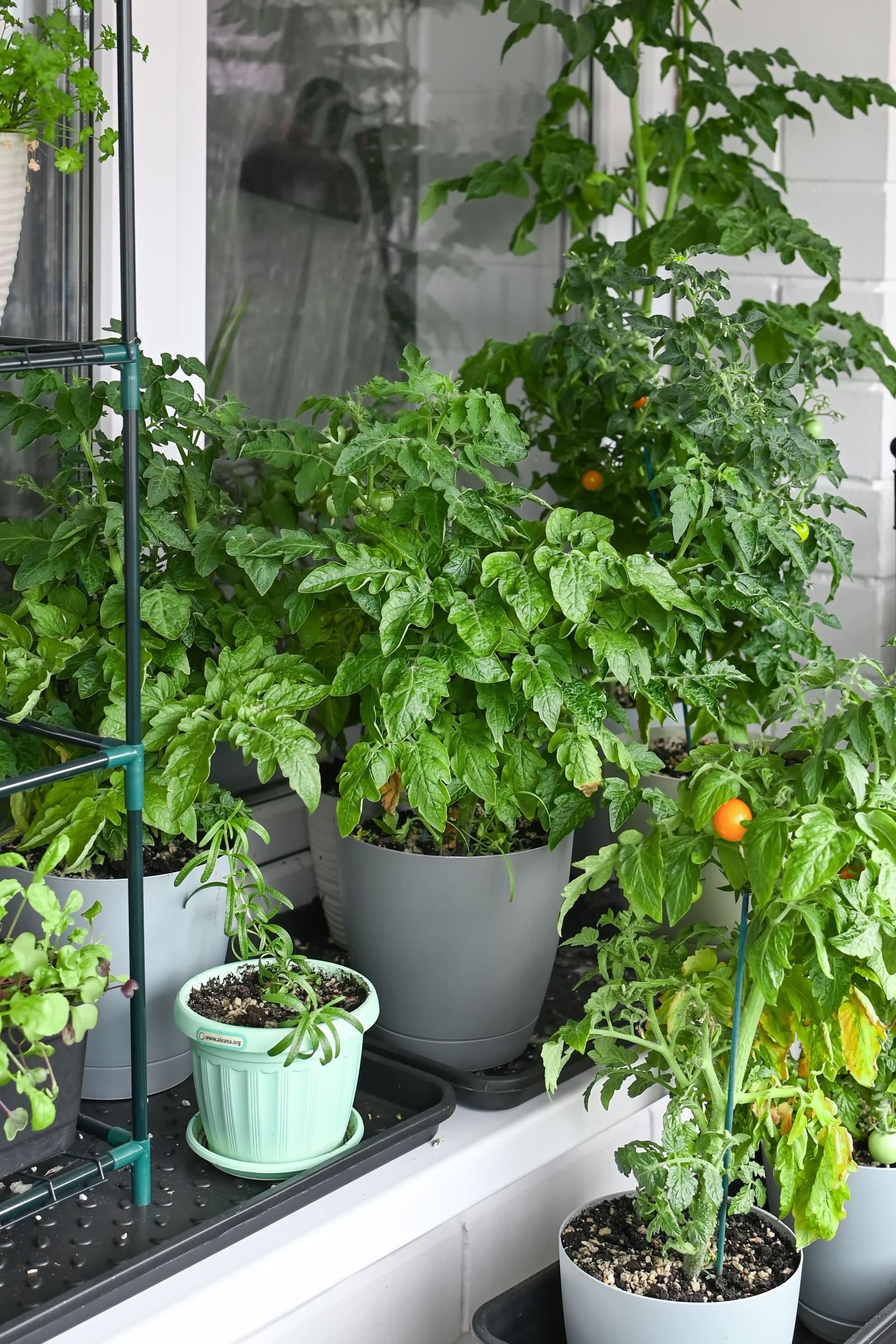
Community gardens exist in most cities, offering family plots. LocalHarvest.org and the USDA Local Food Directory help you find CSAs, farmers' markets, and community gardens nearby.
CSA programs let families buy a share of a local farm's harvest. You get weekly boxes of seasonal produce—average $20-25 per week. Unboxing becomes a weekly treasure hunt where kids identify and name unfamiliar vegetables. Some CSAs host farm visits, planting parties, and harvest festivals.
Why Seasonal Eating Matters (And How to Teach It)
One of the most fundamental food literacy concepts children are missing is seasonality—the understanding that different foods grow at different times of year, and eating what's currently in season connects you to the natural rhythms of where you live.
Your grandmother didn't need to think about seasonality. It was obvious. Strawberries showed up in May. Tomatoes in summer. Apples in fall. Squash in winter. You ate what was growing, or you ate what had been preserved from when it was growing.

Today's kids walk into grocery stores with tomatoes year-round and assume that's normal. They don't realize those winter tomatoes traveled from another hemisphere, were picked unripe, and taste nothing like August tomatoes from a local farm. The concept that food has seasons—and tastes dramatically better in those seasons—is completely foreign.
Teaching seasonality builds food curiosity and awareness. When kids know that strawberries are a spring treat, they get excited when strawberry season arrives. When they understand that local corn is a summer thing, they appreciate it more. Seasonal eating makes food special again, rather than just another item always available.
Start simple. Create a seasonal activity calendar:
Spring means planting season. Start seeds indoors 6–8 weeks before your last frost date. Grow cool-weather crops like peas, lettuce, and radishes that thrive in spring temperatures. Visit farmers' markets for early greens and asparagus. Plant a "Pizza Herb Garden" with basil, oregano, and thyme. Let kids track what shows up at the market week by week as seasons shift.
Summer is harvest time for warm-weather crops. Visit U-pick farms for strawberries, blueberries, and cherries. Grow cherry tomatoes and cucumbers in containers or garden beds. Make fruit popsicles and smoothies from fresh berries. Try outdoor cooking with vegetable skewers on the grill. Notice how farmers' market stands overflow with produce in July and August.
Fall brings apples, pumpkins, and squash. Go apple picking and make homemade applesauce together. Visit pumpkin patches and roast the seeds. Start composting with fall leaves. Bake pumpkin muffins. Plant fall crops like kale, broccoli, and carrots that tolerate cooler weather. Talk about how farmers prepare for winter.
Winter is for indoor growing and planning. Start sprouts on the windowsill. Grow herbs indoors. Make soups and stews with root vegetables that store well. Plan what you'll grow in spring. Make healthy baking projects together. Start seeds indoors in late winter for spring planting.
The seasonal rhythm teaches patience—you can't have everything all the time. It builds anticipation—strawberry season becomes something to look forward to. And it creates natural opportunities for conversations about where food comes from, why seasons matter, and how eating locally connects you to your community.
You don't need a farm to teach this. You just need to start noticing what's in season at your local farmers' market or grocery store and talking about it with your kids. Point out when local strawberries appear. Notice when tomatoes disappear. Ask what's growing right now in your region.
That awareness—that food comes from specific places at specific times—is fundamental food literacy that most kids are completely missing.
Virtual farm tours work when in-person visits aren't possible. And U-pick farms exist within driving distance of most metro areas—strawberries in spring, blueberries in summer, apples in fall, pumpkins in October.
The point isn't doing everything. It's doing something. Start small. Build from there.
Handling the Challenges Every Parent Faces
"My Kid Is the Pickiest Eater on the Planet"
The Division of Responsibility approach developed by registered dietitian Ellyn Satter is the most evidence-backed framework: parents decide what, when, and where food is offered. The child decides whether and how much to eat.
That means you offer the broccoli. You don't force the bite. You don't bribe. You don't make separate meals. You offer, and you let them choose. And here's the key: you keep offering even when they refuse. Remember those 8-15 exposures.
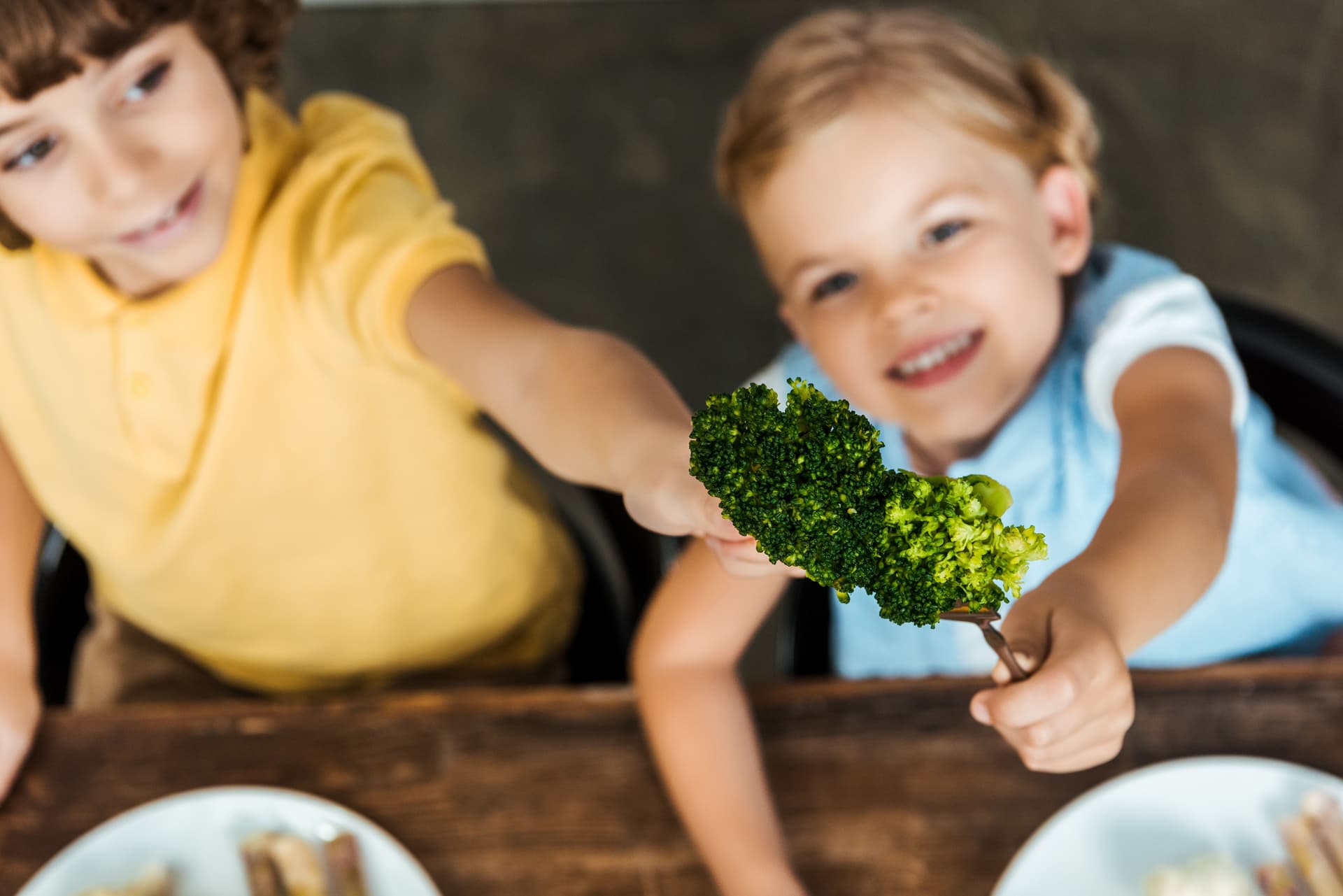
Repeated exposure works. Non-food rewards like praise help. Keeping meals positive and pressure-free matters. So does role modeling—they need to see you eating and enjoying vegetables. Long-term consistency beats short-term tactics.
Some practical strategies: serve tiny portions so it's less overwhelming. Let them help cook so they have ownership. Pair new foods with familiar favorites. Never pressure, bribe, or force. And remember that kids' taste preferences are still developing. What they reject at four, they might love at seven.
"We Don't Have Time for This"
Pre-measure ingredients before cooking with kids. It cuts the time dramatically.
Focus on 30-minute activities: veggie wraps, fruit parfaits, smoothies, assembly-style meals. Batch cook on weekends with kids involved—double or triple recipes, freeze extras.
Assign specific roles. One person reads the recipe. One measures. One stirs. One sets the table. Division of labor makes it faster and teaches teamwork.
You don't need an hour. You need 15-20 minutes of intentional connection with food. That's enough.
"We're on a Tight Budget"
Container gardening from seed costs $1-2 per seed packet. Use recycled containers—yogurt cups, plastic bottles cut in half, old buckets.
Windowsill sprouts need just seeds, a jar, and water. Total cost: under $5.
CSA half-shares or splitting full shares with friends cuts costs. Many CSAs offer payment plans or accept SNAP benefits.
Farmers' markets often have end-of-day deals when vendors want to sell out before packing up.
Free resources abound: Super Healthy Kids offers beautiful, whole-food family recipes and meal plans. Kids Eat in Color provides evidence-based resources from a pediatric dietitian specifically for picky eaters. 100 Days of Real Food focuses entirely on cutting out processed foods with kid-approved recipes. Weelicious has gorgeous photography and age-specific recipe filters. KidsGardening.org provides free lesson plans and gardening activities for families.
The most expensive option is doing nothing and dealing with the health consequences later. Teaching kids about real food is an investment that pays dividends for decades.
"But Their Friends Eat Junk Food"
This is real. Peer influence matters, especially as kids get older.
Have age-appropriate conversations about why certain foods nourish bodies. Not "that's bad for you"—more like "here's what this does in your body."
Make healthy food appealing. Let them help cook it. Use fun presentations. Food art isn't just for toddlers.
Avoid demonizing treat foods. Balance matters more than perfection. Restriction often backfires, creating the "forbidden fruit" effect where kids want those foods more.
For teens, give them ownership. Let them research nutrition. Involve them in meal planning. Give them agency rather than rules.
And model it yourself. Research consistently shows that parental modeling is the single strongest predictor of children's food choices. They watch what you do far more than they listen to what you say.
How The 5 Essentials Support Real Food Education
Teaching kids about real food fits directly into The 5 Essentials framework for optimal health:
Nutrition is the obvious connection. Choosing whole foods and teaching kids where they come from builds the foundation for lifelong healthy eating. Our nutrition philosophy emphasizes organic whole foods, avoiding processed options, and understanding ingredients—exactly what you're teaching when you involve kids in food sourcing and preparation.
Mindset plays a huge role in developing healthy relationships with food. When kids grow or cook their own food, they build confidence, autonomy, and positive associations with healthy eating rather than viewing vegetables as punishment.
Oxygen & Exercise connects beautifully to outdoor activities like gardening, farm visits, and nature exploration. Gardening is a physical activity that doesn't feel like exercise—digging, planting, watering, and harvesting all get kids moving.
Minimizing Toxins becomes tangible when kids learn about organic farming, pesticides, and reading labels. They start understanding why ingredient lists matter and make connections between food choices and health.
Core Chiropractic supports optimal body function and when combined with real food education, creates a complete approach to children's wellness.
For picky eaters or kids whose diets lack variety, Max Kids Multivitamin provides foundational nutrition support with naturally sweetened chewables free from artificial ingredients. It's not a replacement for real food education—it's a complement while you're building those healthy habits.
Our recipe collection offers dozens of kid-friendly options perfect for cooking together: two-ingredient Banana Egg Pancakes, Very Berry Smoothies, yogurt parfaits, healthy trail mix, Asian Turkey Lettuce Wraps kids can assemble themselves, and homemade ranch dressing that avoids store-bought additives.
If you want to dive deeper into how our framework supports total family wellness, The 5 Essentials to Real Health book provides the complete roadmap. It breaks down each of the five essentials with practical, actionable steps for implementing them in your daily life—not as overwhelming changes, but as sustainable habits that build on each other.
Teaching kids about real food is just one piece of a bigger picture. When you combine nutrition education with movement, mindset work, toxin reduction, and nervous system optimization through chiropractic care, you're not just addressing symptoms—you're building a foundation for lifelong health that your kids will carry into adulthood.
Your Starting Point: This Week's Simple Wins
Don't try to overhaul everything by Tuesday. Start with one small shift this week.
Maybe you visit a farmers' market when the season begins and let your kids choose one new vegetable to try. Maybe you plant three herb seeds in a pot on the windowsill. Maybe you let your five-year-old wash the lettuce or your eight-year-old measure ingredients for pancakes.
Maybe you just commit to offering that rejected vegetable three more times this week without pressure, knowing you're building toward those 8-15 exposures that create acceptance.

Next week, add one more small thing. A month from now, you'll have built a handful of habits that are creating real change.
The goal isn't raising kids who never eat chicken nuggets or never want French fries. The goal is raising kids who understand that food comes from somewhere real, who are willing to try new things, who can cook basic meals, and who have a healthy relationship with eating.
You're not just teaching them about food. You're teaching them that they can grow things, make things, and trust their own bodies. Those lessons extend far beyond the dinner table.
Your grandmother knew where her food came from because it was unavoidable in her world. Your kids won't learn it by accident. But they can learn it through small, intentional moments that add up to something bigger.
Start this week. Start small. Just start.
References:
- https://www.ers.usda.gov/data-products/ag-and-food-statistics-charting-the-essentials/farming-and-farm-income
- https://www.americansurveycenter.org/the-class-divide-in-family-dinner/
- https://www.cdc.gov/nchs/products/databriefs/db536.htm
- https://www.homeruninnpizza.com/news-blog/fun-facts/cooking-habits-gen-z-millennials/
- https://www.commonsensemedia.org/research/the-2025-common-sense-census-media-use-by-kids-zero-to-eight
- https://www.aap.org/en/patient-care/media-and-children/center-of-excellence-on-social-media-and-youth-mental-health/qa-portal/qa-portal-library/qa-portal-library-questions/average-amounts-of-screen-time/
- https://www.reconnectwithnature.org/news-events/the-buzz/why-kids-need-to-spend-time-in-nature/
- https://pmc.ncbi.nlm.nih.gov/articles/PMC10925906/
- https://www.sciencedirect.com/science/article/pii/S2211335522003606
- https://pmc.ncbi.nlm.nih.gov/articles/PMC7068610/
- https://pubmed.ncbi.nlm.nih.gov/24709485/
- https://pubmed.ncbi.nlm.nih.gov/29334693/
- https://pubmed.ncbi.nlm.nih.gov/31556657/
- https://pmc.ncbi.nlm.nih.gov/articles/PMC3387875/
- https://link.springer.com/article/10.1186/s12966-017-0501-3
- https://pmc.ncbi.nlm.nih.gov/articles/PMC5829121/
- https://pmc.ncbi.nlm.nih.gov/articles/PMC4037818/
- https://www.nejm.org/doi/full/10.1056/NEJMoa1508749
- https://pmc.ncbi.nlm.nih.gov/articles/PMC6421415/
- https://www.usda.gov/about-usda/news/blog/farmers-markets-teaching-kids-where-food-comes


 Facebook
 Instagram
 LinkedIn