


Published: March 2, 2026
If you're dreading that Monday morning on March 9th when your alarm goes off an hour "early," you're not wrong. Your body is about to stage a small rebellion, and science backs you up.
Daylight Saving Time isn't just annoying—it's a measurable health disruptor. Car crashes jump 6% that week, stroke risk increases 8% in the first 48 hours, and workplace injuries spike 67% with more lost workdays on Monday.
The good news? Unlike most health challenges, this one comes with a countdown clock. You can prepare. And preparation makes a massive difference.
Your Body Isn't Being Dramatic—It's Being Biological
That groggy feeling after DST isn't a weakness. It's your circadian rhythm doing exactly what evolution designed: resisting sudden changes to your internal clock.
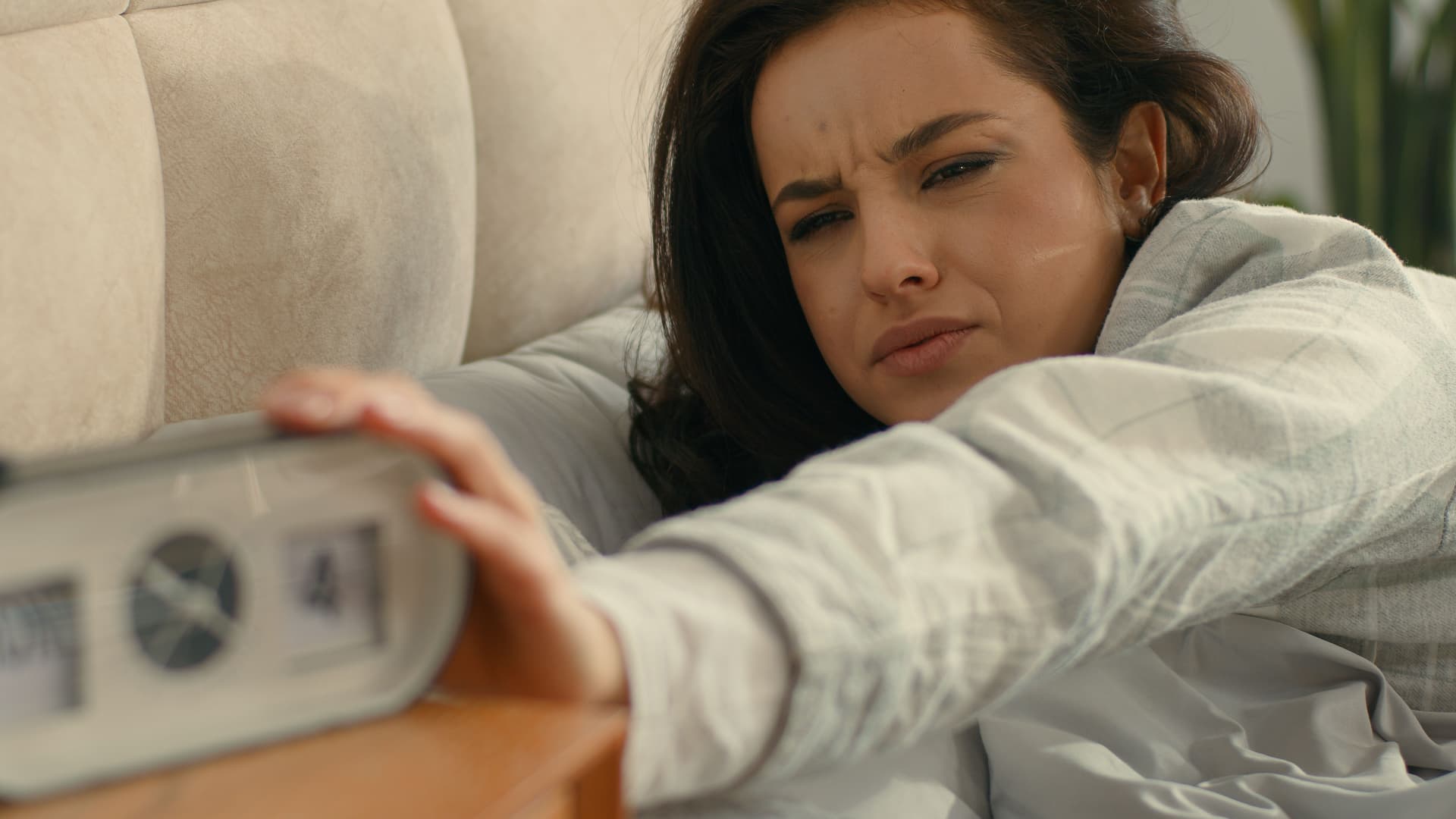
Deep in your brain, about 20,000 specialized neurons control when you feel alert, hungry, and when you produce hormones. When DST hits, sunrise and sunset suddenly shift one hour later. You're getting morning darkness when your brain expects light, and evening light when your brain expects darkness.
The American Academy of Sleep Medicine is clear: evidence shows the body clock doesn't adjust to DST even after several months. You're essentially living with permanent jet lag.
A groundbreaking Stanford study from September 2025 quantified the damage: adopting permanent standard time could prevent approximately 300,000 strokes annually and result in 2.6 million fewer people with obesity.
Why Your Pain Feels Worse
If you manage chronic pain, bad sleep makes everything hurt more. Sleep deprivation amplifies pain perception—after 24 hours without sleep, brain imaging shows a 120% increase in activity in pain-sensing regions while natural pain-relieving areas significantly decrease.
Pain sensitivity follows a strong circadian rhythm with maximum sensitivity at night. When DST throws off your timing, you're experiencing pain when your body's tolerance is lowest.
Research shows sleep quality more reliably predicts next-day pain than pain predicts next-night sleep. Fix your sleep, improve your pain.
Your Science-Backed Survival Guide
Start This Weekend: Gradual Bedtime Shifts
Beginning Friday, March 6th, go to bed and wake up 15-20 minutes earlier each night. By Sunday, your body will have partially adapted.
Sunday Morning: Get Outside Immediately
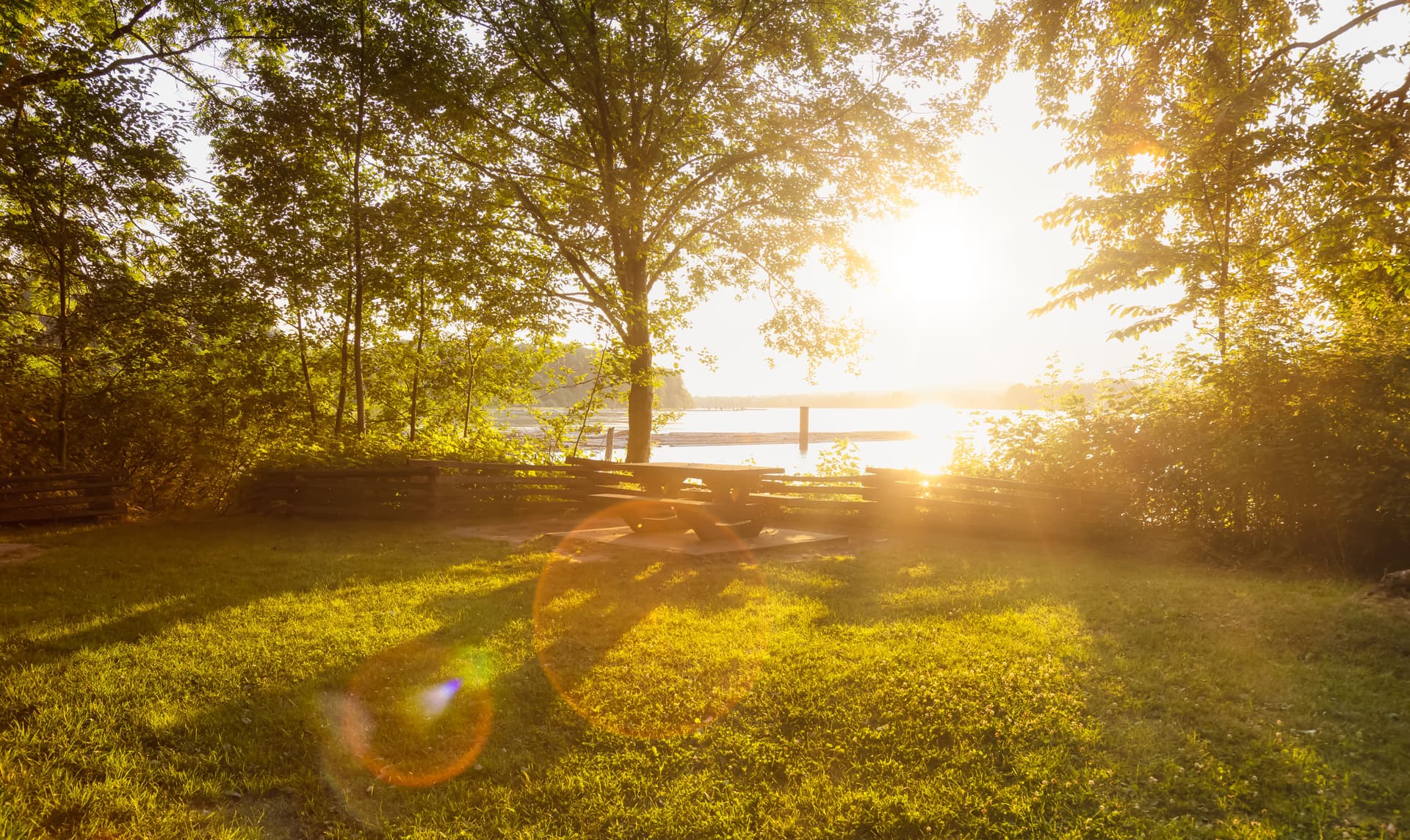
Morning light exposure is your most powerful circadian reset tool. Get outdoor sunlight within 1-2 hours of waking on March 8th. Minimum 15 minutes provides optimal stimulus.
Sleep Hygiene Gets Non-Negotiable
Maintain at least 7 hours of sleep before and after March 9th. Avoid caffeine after 2 PM—its 6-hour half-life means afternoon coffee affects nighttime sleep. Skip alcohol; it fragments sleep.
Move Your Body
A 20-minute brisk walk outdoors Sunday morning combines exercise's alertness-promoting effects with light's circadian-advancing stimulus.
**Chiropractic Support ** Time changes can disrupt more than sleep; they can throw off your body’s circadian rhythm, affecting energy, focus, and overall recovery. A chiropractic adjustment during this transition week helps restore alignment, improve nervous system function, and support the body’s ability to adapt to new sleep-wake cycles.
What March 9th Really Means
On Sunday, March 8th, you're going to lose an hour. Your body will notice. But now you know what's happening at the biological level and have evidence-based tools to minimize the impact.
This isn't about living in fear of DST—it's about respecting what research reveals. Shift your schedule gradually. Get morning light. Prioritize sleep. Be cautious on the roads and at work.
Your body is fighting a biological battle against artificial timekeeping twice every year. Until the policy changes, stack the deck in your favor. Start preparing this Friday. Your Monday-morning self will thank you.
References
- https://pubmed.ncbi.nlm.nih.gov/27938913/
- https://www.cell.com/current-biology/fulltext/S0960-9822(19)31678-1
- http://osha10hrtraining.com/blog/worker-safety-articles/workplace-injuries-increase-after-time-change/
- https://med.stanford.edu/news/all-news/2025/09/daylight-saving-time.html
- https://www.jneurosci.org/content/39/12/2291
- https://pmc.ncbi.nlm.nih.gov/articles/PMC10758561/
- https://www.ama-assn.org/press-center/ama-press-releases/ama-calls-permanent-standard-time
- https://www.sleepfoundation.org/circadian-rhythm/daylight-saving-time
- https://georgiachiropracticneurologycenter.com/understanding-circadian-rhythms/?utm_source=chatgpt.com

 Facebook
 Instagram
 LinkedIn