


Published: May 15, 2026
You know that weird guilt you feel every time you scrape half a plate of food into the trash? Or when you're tossing banana peels and coffee grounds into a garbage bag, thinking "this feels wrong, but what else am I supposed to do?"
That nagging feeling exists for a reason. And it's not just about wasting food your parents told you to finish as a kid.
Every time organic material — food scraps, yard waste, paper products — ends up in a landfill instead of breaking down naturally, it becomes part of a toxic cycle most people have no idea they're feeding. We're talking methane emissions that trap heat at rates that make carbon dioxide look tame, leachate cocktails of heavy metals and forever chemicals seeping into groundwater, and microplastics that end up in literally everything from the soil to your bloodstream.
Here's the thing nobody tells you: food waste is the single largest category of material sitting in American landfills right now. Not plastic. Not packaging. Food. The USDA estimates that somewhere between 30 and 40 percent of the entire U.S. food supply just… goes to waste. For the average family of four, that's roughly $1,500 a year in groceries you bought and then threw away.
But this isn't another guilt trip about cleaning out your fridge more often or meal planning better. This is about what happens to all that organic waste after it leaves your house — and why composting isn't just some crunchy hobby for people with backyard chickens and a standing order at the farmers market.
Composting is one of the most accessible, immediate, measurably effective ways to minimize your household's toxic footprint while actually improving your health. And you don't need a yard, a degree in soil science, or a trust fund to do it.
What Happens to Food Waste in Landfills?
Let's start with the uncomfortable truth about where your trash actually goes.
Municipal solid waste landfills aren't just big holes in the ground where stuff sits quietly decomposing. They're actively generating some of the most potent greenhouse gases on the planet. When organic materials break down without oxygen — which is exactly what happens when they're buried under tons of garbage — they produce methane. And methane is at least 28 times more powerful than carbon dioxide at trapping heat in the atmosphere.
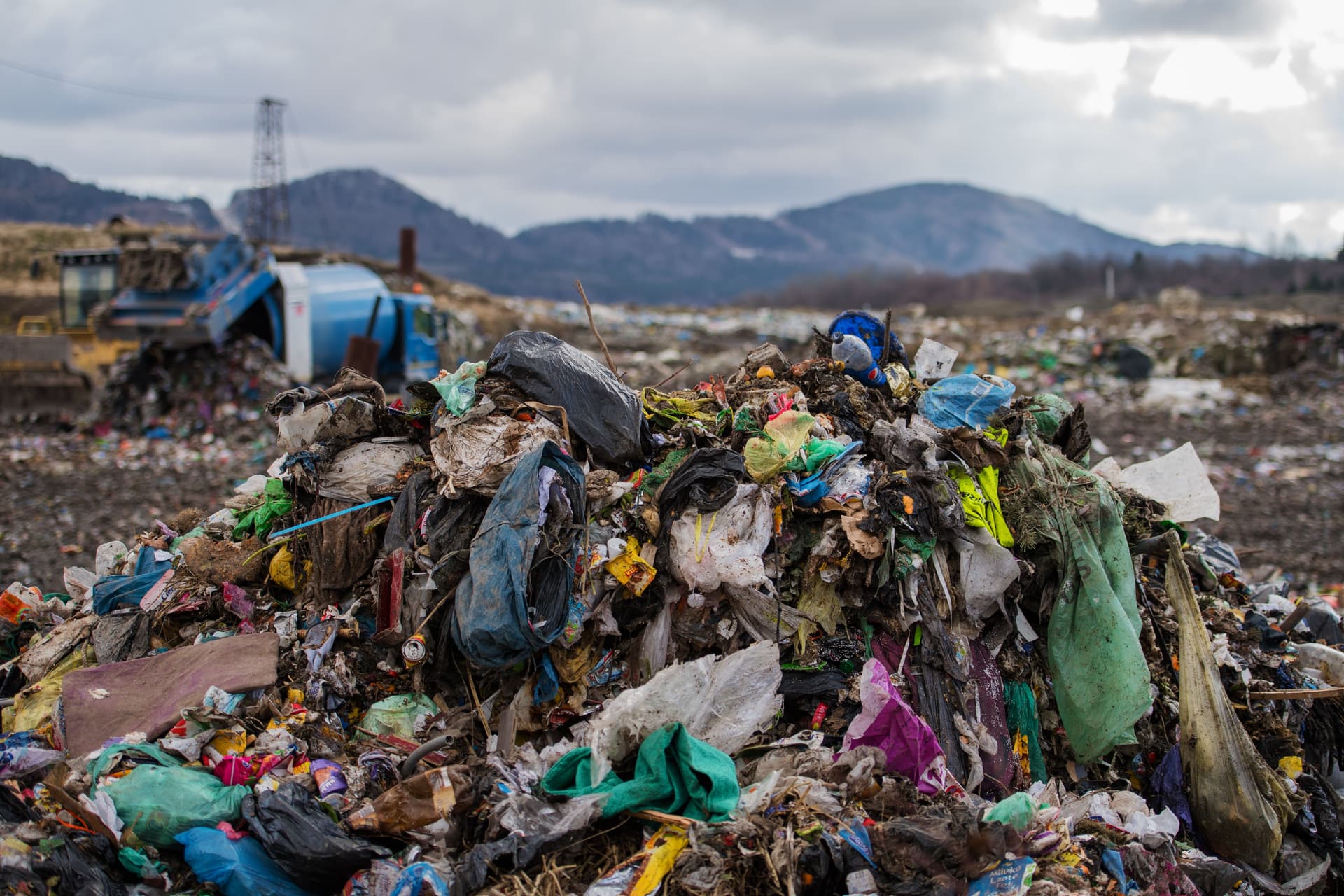
Landfills are currently the third-largest source of human-related methane emissions in the United States. Food waste alone is responsible for 58 percent of the fugitive methane coming from those sites. Think about that. More than half of the methane problem in landfills comes directly from the banana peels, leftover pasta, and moldy bread we're throwing away.
And here's the kicker: the EPA has been dramatically underestimating how bad the problem actually is. A Harvard study published in 2024 using satellite data found that actual landfill methane emissions are 51 percent higher than official EPA estimates. For landfills with gas collection systems that are supposed to be capturing this stuff, actual emissions were over 200 percent higher than reported.
Beyond the methane, there's the leachate issue. That's the toxic liquid that forms when rain filters through decomposing garbage. This stuff contains volatile organic compounds, heavy metals like lead and mercury, ammonia, pathogens, and PFAS — those "forever chemicals" that don't break down and accumulate in your body over time. A 2024 study confirmed that both microplastics and PFAS cycle through landfills and wastewater treatment plants, eventually re-entering the environment.
Speaking of microplastics: landfills are estimated to store somewhere between 21 and 42 percent of all plastics ever produced globally, and 90 percent of microplastics found in groundwater come from buried plastics in landfills. These microplastics act as carriers for even more toxins — heavy metals, flame retardants, pharmaceutical residues — hitching a ride into water supplies and food chains.
So when you throw away food scraps, you're not just wasting groceries. You're actively contributing to methane pollution, toxic leachate, and microplastic contamination. Every banana peel that goes into the trash is a small brick in a very toxic wall.
The good news? Composting food scraps produces 38 to 84 percent fewer greenhouse gas emissions than landfilling. Because aerobic composting creates carbon dioxide instead of methane, the climate impact difference is massive. You're literally taking something that would become a potent heat-trapping gas and turning it into rich, living soil instead.
Does Composting Have Health Benefits for Your Body?
Here's where composting stops being just an environmental thing and becomes a personal wellness practice that might genuinely improve how you feel day to day.
There's a bacterium called Mycobacterium vaccae that lives naturally in soil. It's non-pathogenic, meaning it won't make you sick. But researchers have discovered something fascinating: exposure to this soil bacterium activates serotonin-producing neurons in your brain's dorsal raphe nucleus. Essentially, it mimics the effect of antidepressants.
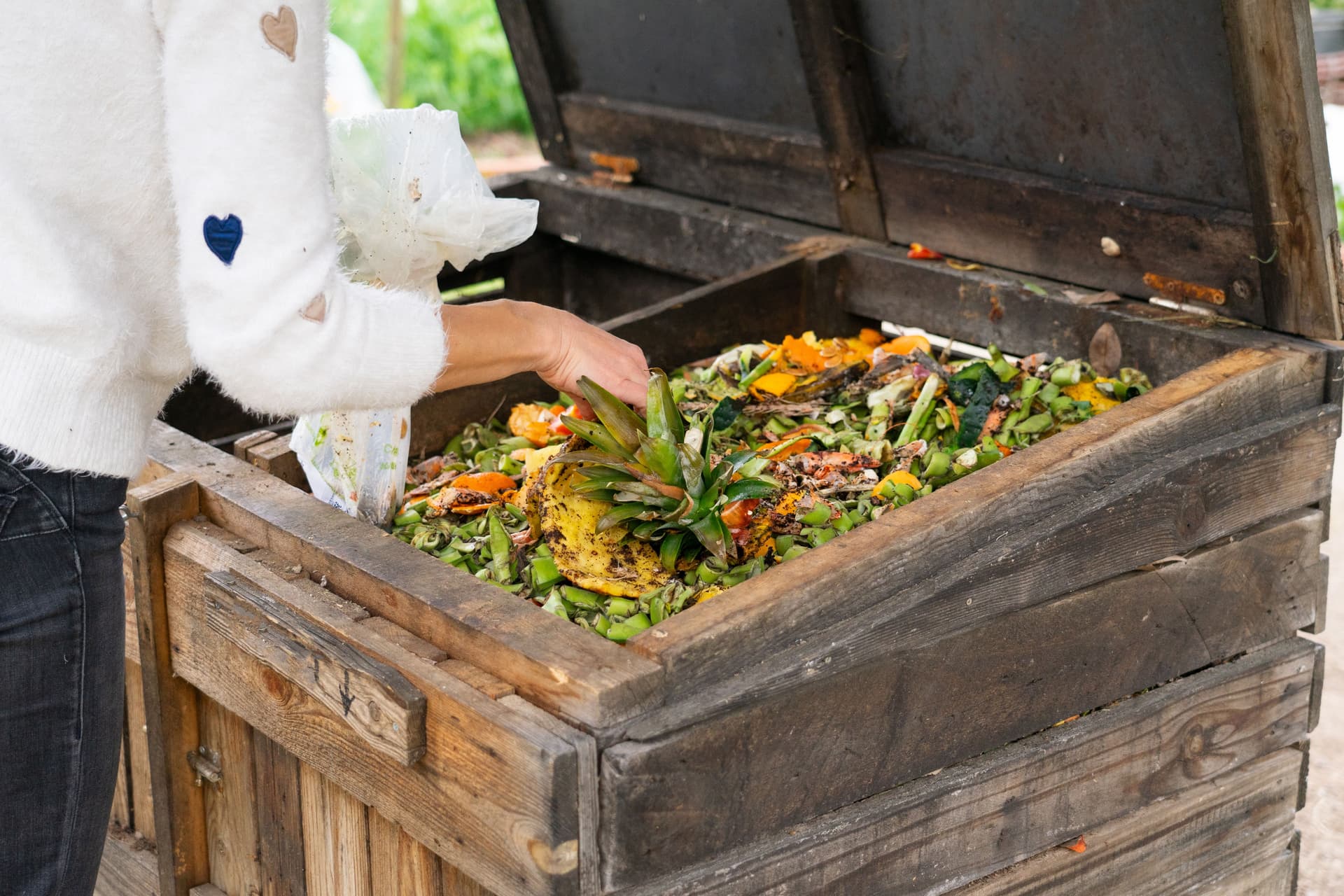
Dr. Chris Lowry's research team at the University of Colorado Boulder has been studying this for years. They found that when you breathe in soil bacteria or get them on your hands while working with compost or dirt, these microbes interact with your immune system in ways that promote stress resilience. In one study, mice fed M. vaccae navigated mazes twice as fast with half the anxiety behaviors compared to control mice.
A 2021 study confirmed that immunization with this soil bacterium stabilizes the gut microbiome and helps prevent PTSD-like stress responses. This isn't fringe science. It's peer-reviewed research showing that regular contact with healthy soil — the kind you create through composting, has measurable mental health benefits.
But it's not just about the bacteria. There's the stress reduction piece.
A landmark 2011 study published in the Journal of Health Psychology provided the first experimental evidence that 30 minutes of outdoor gardening produced significantly greater decreases in salivary cortisol — your primary stress hormone, than 30 minutes of indoor reading. More recent research examining over 6,400 participants across eight countries found that people who spent just 30 minutes per day gardening had measurably lower cortisol levels compared to those doing moderate-to-intense gym workouts.
Then there's your microbiome. A 2024 study at the University of Florida found that indoor gardening for one month with microbially diverse soil diversified skin microbiota and increased anti-inflammatory IL-10 cytokine levels. Gardening with microbially poor soil showed no such changes. Working with compost literally changes your body's microbial composition in beneficial ways.
A 2022 study in Nature Scientific Reports found that gardening families had higher gut microbial diversity, higher fiber intake, and greater abundance of fiber-fermenting bacteria compared to non-gardening families. Even people in the household who weren't the primary gardeners showed these benefits, meaning soil exposure spreads wellness through the whole family.
For younger generations dealing with climate anxiety — and 65 percent of Gen Z and Millennials report feeling it — composting provides something desperately needed: a tangible daily action that combats feelings of helplessness. You're not just doom-scrolling about environmental collapse. You're actively participating in a solution you can see, smell, and touch.
Is Compost-Grown Food More Nutritious Than Store-Bought?
If you use your finished compost to grow food — even just herbs on a windowsill — the nutritional difference compared to conventionally grown produce is measurable and significant.
A 2022 study comparing regenerative farms (using compost, no-till practices, cover crops) versus conventional farms found that regenerative cabbage had 41 percent more calcium, 35 percent more carotenoids, and 74 percent more phytosterols. Spinach from regenerative farms had roughly four times the total phenolic compounds.
Older research showed compost-grown spinach had 77 percent more iron than conventionally grown. Meanwhile, synthetic nitrogen fertilizers can decrease glucosinolates in broccoli — the compounds linked to cancer prevention — by up to 70 percent.
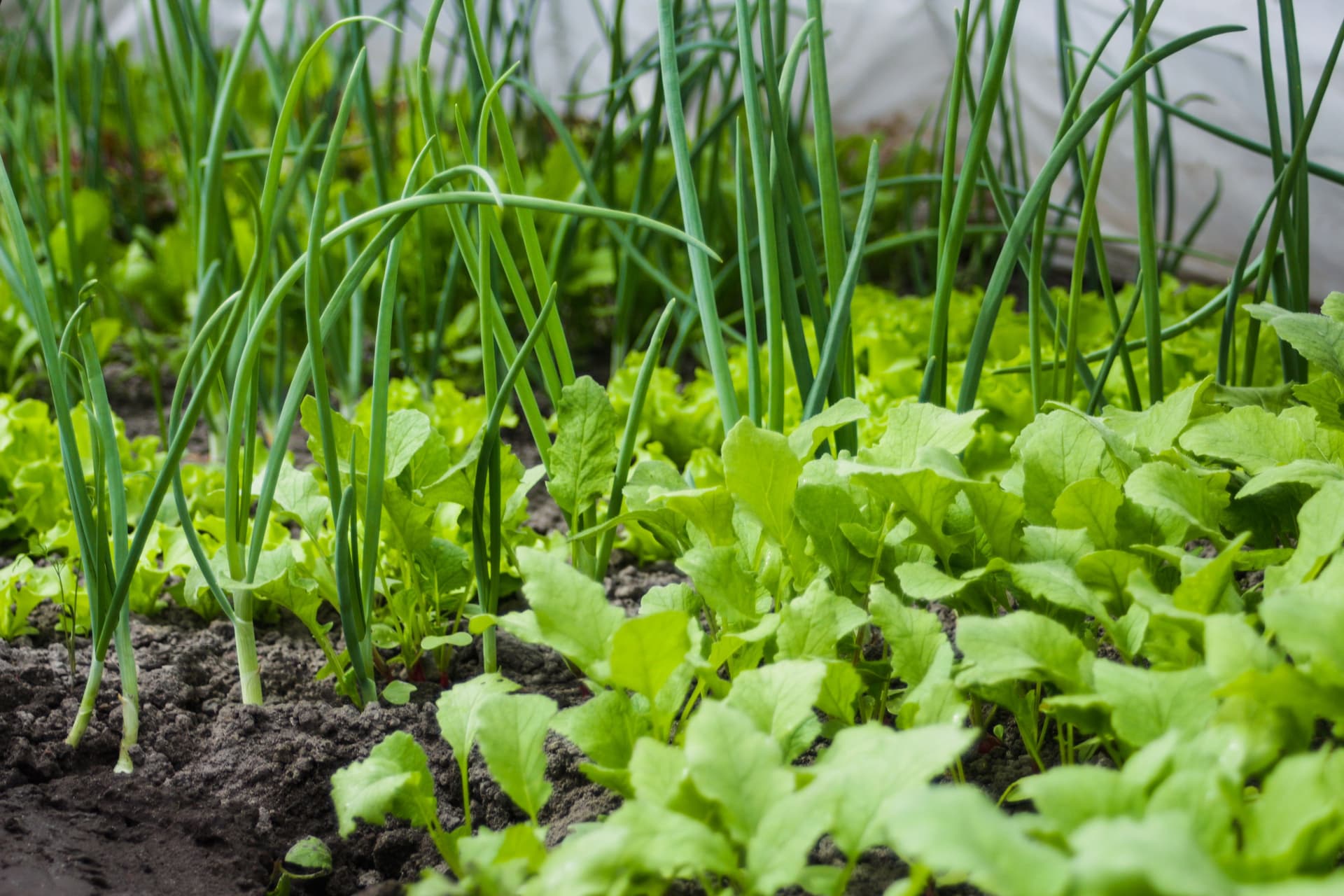
This matters because conventional fertilizers don't just provide fewer nutrients. They actively introduce toxins. Phosphate fertilizers contain cadmium, arsenic, lead, chromium, mercury, and nickel as impurities. Biosolids — treated sewage sludge used as fertilizer — contain PFAS at concerning levels. The Environmental Working Group estimates that roughly 70 million acres of U.S. farmland are potentially contaminated by PFAS from fertilizer sludge.
When you grow food in your own compost, you're eliminating that entire toxic pathway. You know exactly what went into your soil because you created it from your kitchen scraps and yard waste. No heavy metals. No forever chemicals. Just nutrient-dense soil creating nutrient-dense food.
How to Compost Indoors in an Apartment
Let's get practical. You don't need a backyard to compost. You don't even need a balcony. Here are the real indoor options that actually work, ranked by budget and space constraints.
Vermicomposting (Worm Composting) — The Gold Standard for Apartments
This is hands-down the best indoor composting method for quality and space efficiency. Red wiggler worms live in a plastic bin, eat your food scraps, and produce worm castings — which are basically the Rolls-Royce of compost. Worms eat approximately their own body weight in organic matter daily.
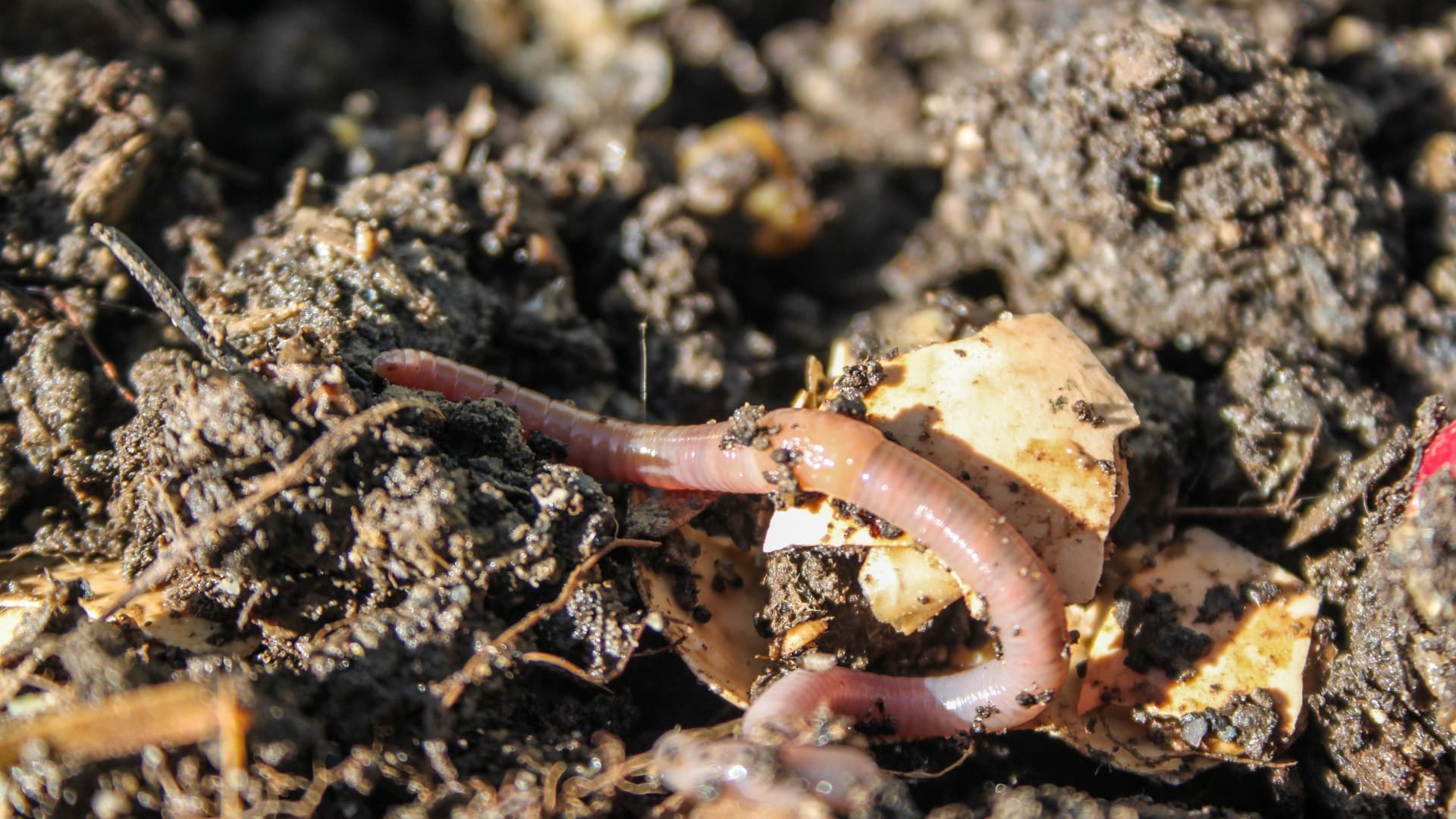
Setup: You need a plastic storage bin (about 21 × 15 × 5 to 8 inches), drill some air holes, add moistened shredded newspaper as bedding, and introduce 500 to 1,000 red wiggler worms. This fits under a sink, in a closet, or in a pantry. Total footprint: roughly 2 square feet.
Cost: DIY setup costs $40 to $60. Pre-made systems like the Worm Factory 360 run $90 to $130.
What you can compost: Fruits, vegetables, coffee grounds and filters, tea bags, crushed eggshells, bread, cereal. Avoid meat, dairy, oils, pet waste, and excessive citrus or onion.
Maintenance: Feed the worms two to three times per week. Takes about 15 to 20 minutes weekly. Harvest finished compost every three to four months.
Timeline: Your first harvest takes three to six months. After that, you're harvesting every two to three months.
The catch: Worms die if they freeze, so they need to stay between 55 and 77 degrees Fahrenheit. If your apartment gets really cold in winter near windows, keep the bin somewhere more insulated.
Bokashi Composting — For People Who Want to Compost Meat and Dairy
Bokashi isn't technically composting. It's anaerobic fermentation using inoculated bran containing beneficial bacteria and yeast. The process converts food into lactic acid, similar to pickling.
The big advantage: You can process meat, bones, dairy, cooked food, and citrus — all the stuff excluded from other methods.
How it works: Layer food scraps in a bucket, sprinkle one to two tablespoons of bokashi bran on top, press down to remove air, and seal the lid. Every two to three days, drain the "bokashi tea" that collects at the bottom via a spigot. Dilute this liquid 100:1 and use it as plant fertilizer.
When the bucket is full (usually takes about two weeks), seal it and let it ferment for two more weeks. Then you bury the fermented material in soil or add it to an outdoor compost pile. It still needs that soil burial phase to finish breaking down.
Cost: $60 to $100 for a two-bucket starter kit, plus $15 to $25 per bag of bokashi bran (ongoing cost).
Timeline: Total process is four to six weeks from scraps to usable compost, including the soil burial phase.
Space: About 1 square foot per 5-gallon bucket. Best to have two buckets rotating — one fermenting while you fill the other.
The apartment limitation: You still need somewhere to bury the fermented material. Workaround: Create a "soil factory" — a large tub filled with soil on a balcony or even indoors if you're committed. But if you have zero outdoor access and no houseplants, bokashi becomes tricky.
Electric Composters — Convenient but Expensive (And Technically Not Composting)
These countertop devices are all over TikTok and Instagram. They look slick, require minimal effort, and process scraps in hours instead of months. But here's what most marketing doesn't tell you: they don't actually produce compost.
Most electric composters work by heating food scraps to 150 to 200 degrees Fahrenheit to dehydrate them, then grinding the dried material into powder. The EPA explicitly states these devices "do not produce compost but rather a dried food scraps mixture."
Popular models:
- Lomi (~$500, 3 to 20 hours per cycle)
- Vitamix FoodCycler (~$400, 3 to 8 hours)
- Mill (~$33/month subscription model)
Pros: Push-button convenience, no odor, no pests, handles meat and dairy, fits on a countertop.
Cons: High upfront cost, electricity use (0.5 to 1.5 kWh per cycle), ongoing filter costs ($25 to $55 every three to six months), and the end product isn't true compost. It can be used as a soil amendment if you mix it with actual soil, but it lacks the microbial life that makes compost so beneficial.
If you have zero outdoor space, no interest in worms, and the budget for it, an electric composter is better than sending scraps to a landfill. Just know what you're actually getting.
How to Prevent Odor and Pests in Compost
Let's address the fears head-on.
Odor: Properly managed indoor composting doesn't smell. The number one cause of odor is excess nitrogen from too many food scraps and not enough carbon-rich "browns" like shredded newspaper or cardboard. If you're adding food waste, also add torn-up newspaper, dry leaves, or even cardboard. Keep a rough ratio of two to three parts browns to one part greens by volume.
Fruit flies: Freeze your food scraps for 48 hours before adding them to your compost. This kills any fruit fly eggs already on the scraps. Always bury fresh food under at least a few inches of bedding. Keep lids tight.
Pests: Indoor bins with properly fitted lids don't attract rodents. Never compost meat, dairy, or oily foods in open bins (bokashi and electric composters are fine for these). If you're doing outdoor composting and worried about pests, bury food scraps under six to ten inches of browns and use enclosed bins.
Mold: White mold is normal and actually beneficial, especially in bokashi systems. Green or black mold indicates problems — usually too much moisture. Add dry browns and turn or mix the material.
Indoor air quality: You don't need special ventilation for a properly managed worm bin or bokashi bucket. The bins are sealed except when you're adding material.
How to Start Composting in Your Backyard (Or Even Just a Balcony)
If you have outdoor space — even a small balcony — your options expand significantly.
The Simplest Method: Cold Composting (Also Called Passive Composting)
This is the "pile it and forget it" method. You create a heap of organic material in a corner of your yard or in a simple bin, add to it whenever you have scraps, and let it decompose slowly over time.
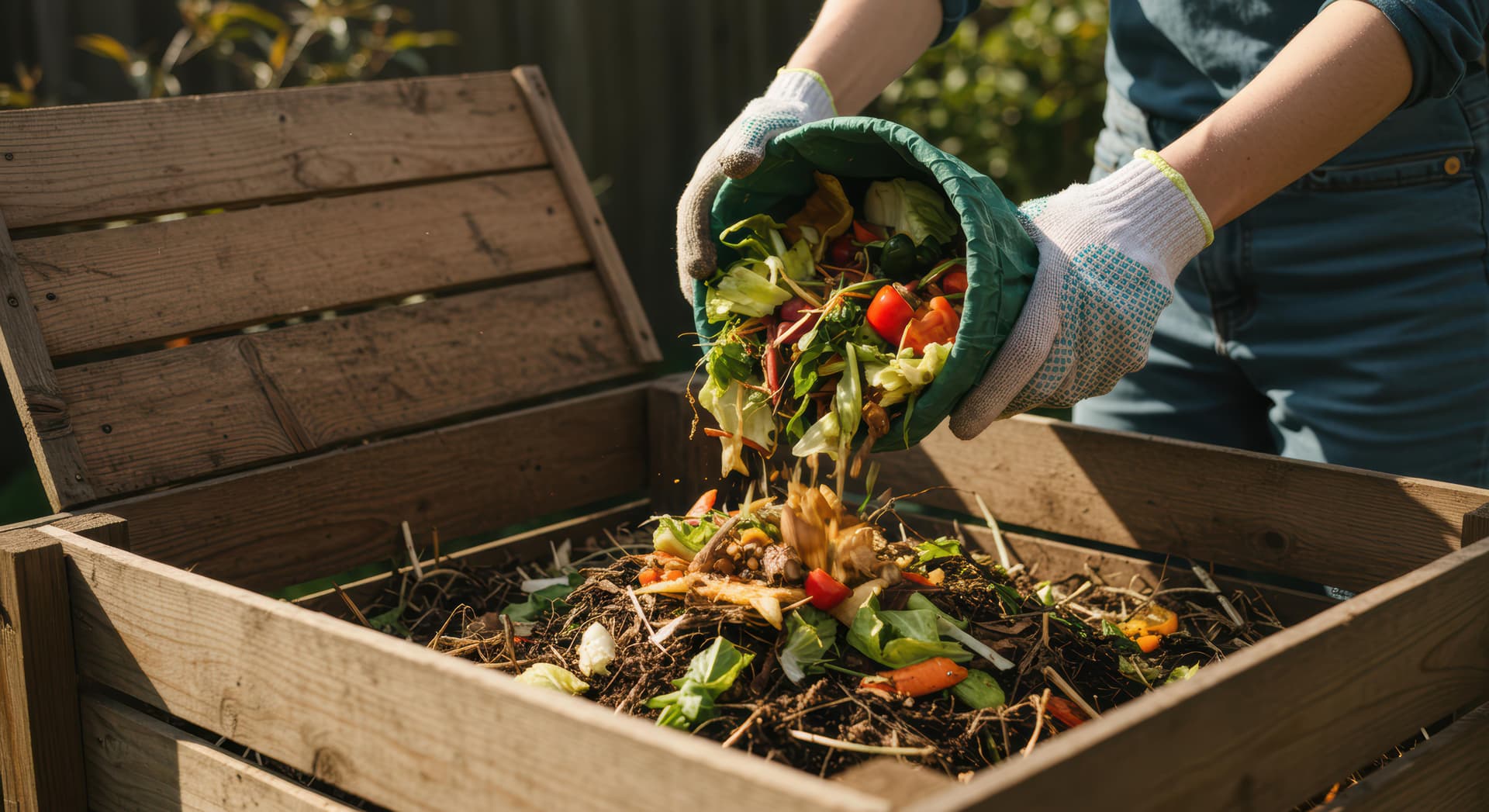
Timeline: Six months to two years, depending on your climate, what you're composting, and whether you turn it occasionally.
Effort: Minimal. Add scraps, maybe turn it once a month if you feel like it.
Pros: Easiest method, no precise ratios needed, works for people who don't want to fuss with composting.
Cons: Slow, doesn't kill weed seeds or pathogens because it never gets hot enough, can attract pests if you're not careful.
Best for: People with patience, yard space, and low maintenance tolerance.
Hot Composting: Faster Results, More Effort
Hot composting creates conditions where beneficial bacteria generate heat — reaching 131 to 160 degrees Fahrenheit — which speeds decomposition dramatically and kills pathogens and weed seeds.
The key: Maintaining the right carbon-to-nitrogen ratio (roughly 25 to 30 parts carbon to one part nitrogen by weight, or about two to three parts browns to one part greens by volume), keeping the pile moist like a wrung-out sponge, turning it every three to five days for aeration, and having enough material to generate heat (minimum three feet by three feet by three feet).
Timeline: Four to eight weeks of active composting, then four to eight weeks of curing.
Effort: Higher. You're monitoring temperature, turning regularly, adjusting moisture.
Pros: Fast results, kills pathogens and weed seeds, produces high-quality compost.
Cons: Requires more attention, physical labor (turning with a pitchfork), and a larger initial volume of material.
Best for: Gardeners who want finished compost quickly and don't mind the work.
Compost Tumblers: The Middle Ground
Tumblers are enclosed bins mounted on a frame that you rotate instead of turning with a pitchfork. They're pest-resistant, faster than cold composting (usually four to eight weeks), and easier on your back than traditional turning.
Cost: $100 to $400.
Pros: Easier turning, fully enclosed (no pests), faster than open piles.
Cons: Smaller capacity, higher upfront cost, limited earthworm access.
Best for: People with smaller yards who want faster results without heavy labor.
What Can You Compost? (Complete List)
Compostable greens (nitrogen-rich): Fruit and vegetable scraps, coffee grounds and filters, tea bags, grass clippings, fresh plant trimmings, eggshells.
Compostable browns (carbon-rich): Dry leaves, shredded newspaper and cardboard (non-glossy), straw, untreated sawdust, wood chips.
Never compost (toxin concerns): Treated or pressure-treated wood (leaches arsenic, chromium, copper), glossy or coated paper (heavy metal inks), meat and dairy in open outdoor systems (attracts pests; fine for bokashi or enclosed systems), pet waste (pathogens), coal ash (heavy metals), diseased plants in cold composting (pathogens survive).
Common Mistakes and How to Fix Them
Smell problems: Ammonia smell means too much nitrogen. Add browns and turn the pile. Rotten or sulfur smell means anaerobic conditions (no oxygen). Add dry browns and turn thoroughly. Sour or vinegar smell means excess fruit or greens. Add browns.
Slow decomposition: Chop materials smaller (more surface area for microbes). Make sure your pile is at least three feet by three feet by three feet if doing hot composting. Add nitrogen if you have too much carbon. Add water if it's too dry. Turn for aeration.
Fruit flies in indoor bins: Freeze scraps 48 hours before adding. Always bury food under bedding. Use a lid. Trap existing flies with apple cider vinegar mixed with dish soap in a shallow dish.
Too wet: Add dry browns, turn the pile, cover with a tarp if it's outdoors.
Too dry: Add water, add high-moisture greens like fresh grass clippings or fruit scraps.
How to Start Composting on a Budget
You don't need to overhaul your entire life to start composting. Start with one small, realistic step.
If you have $0 to spend: Collect food scraps in a container in your freezer until full, then find a community garden, urban farm, or neighbor who composts and offer your scraps. Apps like ShareWaste and MakeSoil connect people without compost bins to local composters. Many will take your scraps for free in exchange for occasional finished compost.
If you have $20 to $50: Buy a small countertop compost pail with a charcoal filter to collect scraps without smell, then drop them off weekly at a farmers market compost program, municipal composting site, or community garden. Many cities now offer compost drop-off as part of waste management.
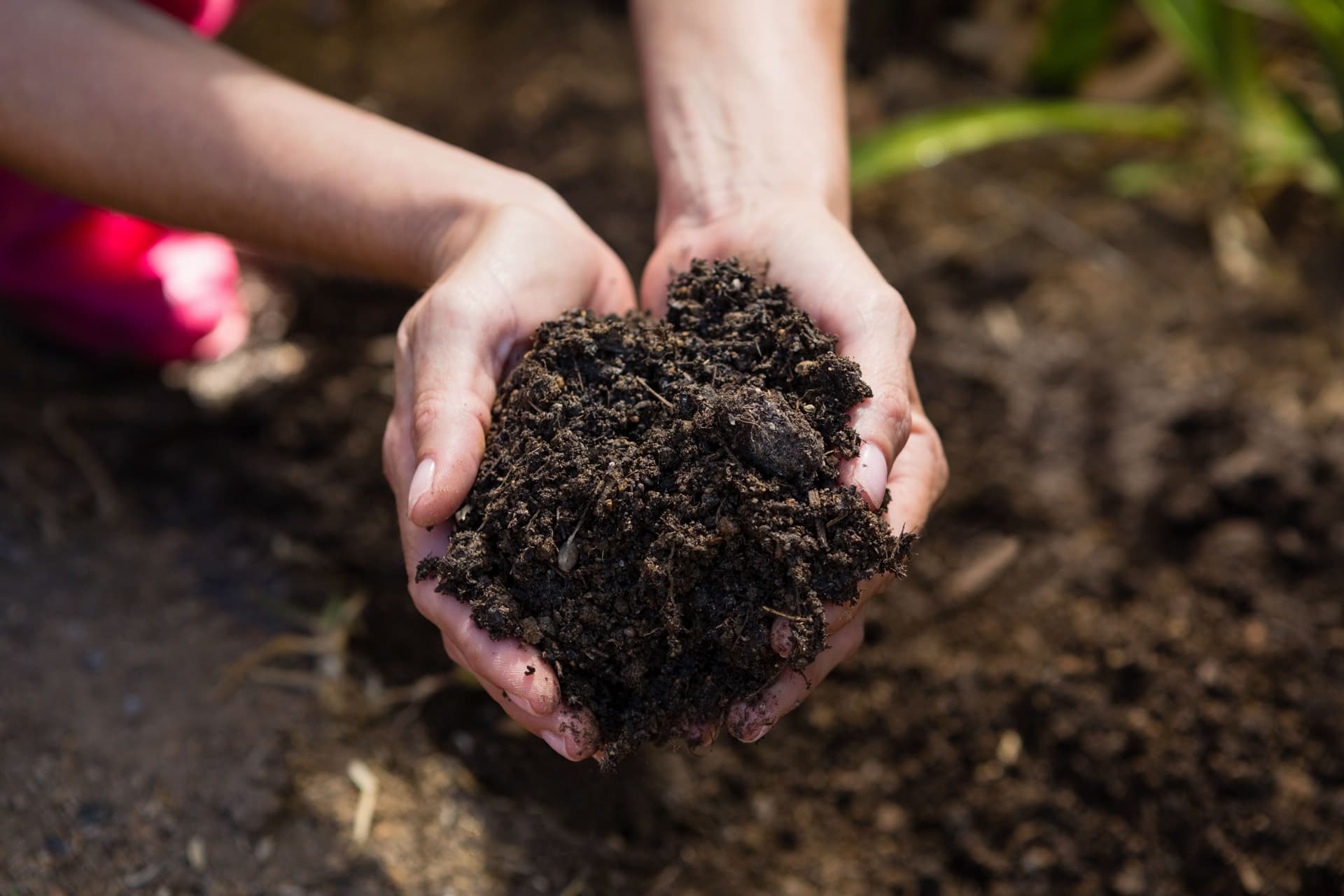
If you have limited space but $50 to $100: Start a small worm bin. It fits under your sink, produces incredible compost, and requires about 15 minutes of attention per week.
If you have outdoor space and $0: Create a simple pile in a corner of your yard. Designate a spot, start adding food scraps and yard waste, and let nature do the rest. It's slow, but it works.
If you have more budget and want convenience: Invest in a tumbler ($100 to $300) or a bokashi system ($60 to $100), depending on whether you have outdoor or indoor space. The point isn't to do this perfectly. The point is to do something. Even diverting half your food waste from the landfill makes a measurable difference in methane emissions, toxic leachate, and your own mental clarity about climate action.
The Growing Movement (And Why Your City Might Soon Require This)
Composting isn't fringe anymore. It's going mainstream, and policy is catching up.
New York City began mandatory composting enforcement in April 2025, becoming the nation's largest composting program. In one week in May 2025, the city collected 5.4 million pounds of compostable material. San Francisco has required composting since 2009. California's SB 1383 mandates a 75 percent reduction of organics from landfills by 2025.
Access to composting programs has grown dramatically. In 2005, only 576,000 U.S. households had access to organics collection. By 2023, that number hit 14.9 million households. As of 2025, roughly 36 percent of the U.S. population has some form of composting access.
Community composting operations are scaling up. A 2024 census found that 76 percent of community composters increased the organic material they handled year over year.
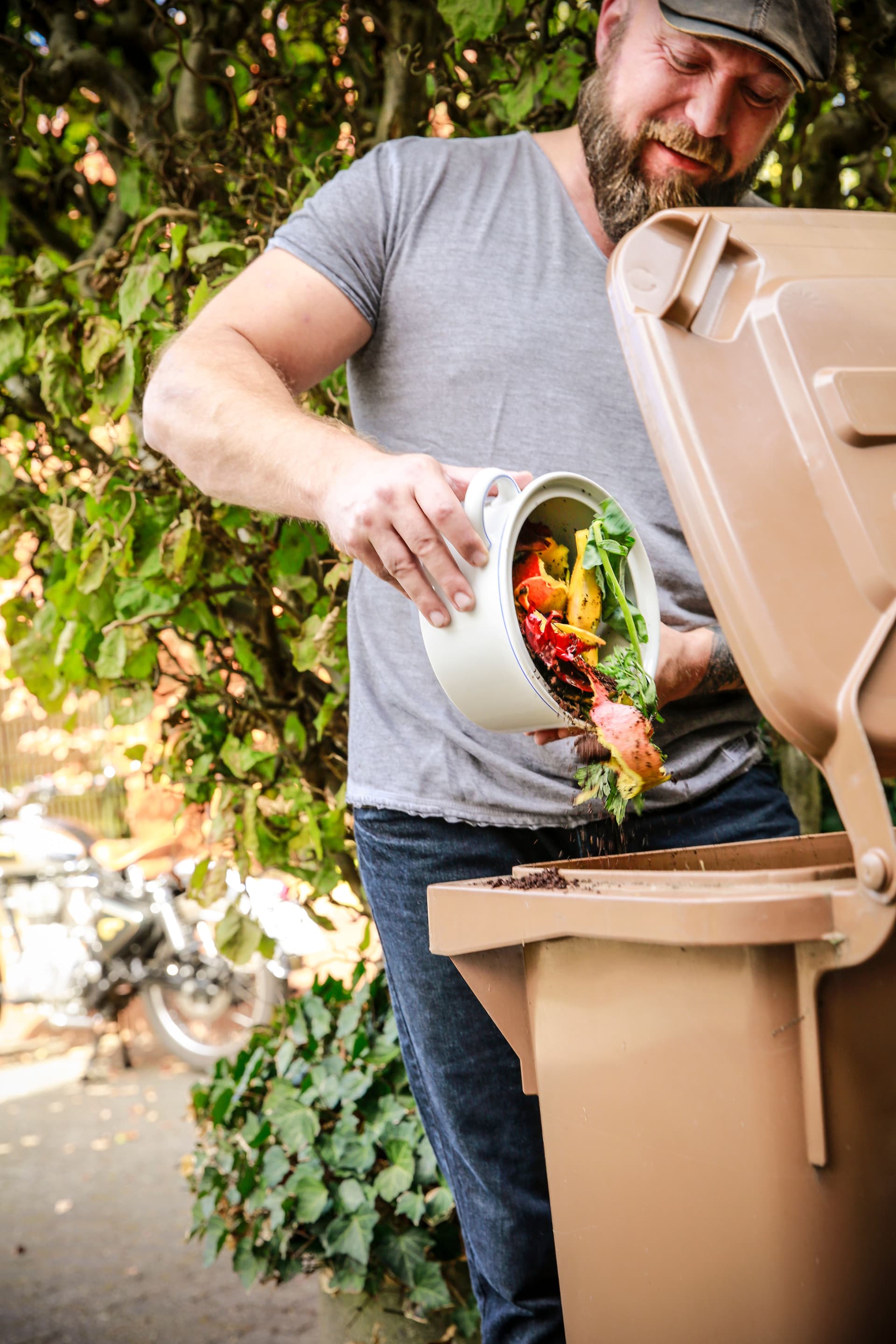
For Millennials and Gen Z, composting has become a visible value statement. Forty-five percent of Gen Z and 41 percent of Millennials now compost waste. It's showing up on TikTok and Instagram not just as environmental activism but as lifestyle content — aesthetically pleasing countertop bins, satisfying before-and-after transformations, worm bin tours.
This isn't just crunchy granola culture anymore. It's design-forward, tech-integrated, and increasingly unavoidable if you live in an urban area.
What Are the Benefits of Composting at Home?
Composting won't fix everything. It won't reverse climate change by itself. It won't eliminate all your household waste. It won't make you a perfect zero-waste warrior.
But here's what it will do:
It will reduce the methane emissions coming from your household waste by diverting organic material from landfills. It will eliminate your contribution to toxic leachate seeping into groundwater. It will reduce the need for chemical fertilizers if you use your compost to grow anything — even just herbs on a windowsill. It will expose you to beneficial soil bacteria that measurably reduce stress and boost mood. It will give you a tangible daily action that counters climate anxiety with actual, visible impact.
And if you have kids, it teaches them that waste isn't just something that disappears when the truck comes. It shows them that organic material has value, that natural cycles exist, and that their choices matter.
Composting is one of those rare practices that benefits you personally while also contributing to a larger solution. Most environmental actions ask you to sacrifice for the greater good. Composting gives back.
Start small. Start imperfect. Start with a container in your freezer and a drop-off location. Start with a worm bin under your sink. Start with a pile in the corner of your yard that you mostly ignore but occasionally add to.
The point isn't perfection. The point is participation. And every banana peel you keep out of a landfill is one less contributor to methane pollution, one less toxic input into groundwater, and one small step toward a system that actually makes sense.
What's the first thing you're willing to try this week?
References:
- https://www.epa.gov/sustainable-management-food/composting
- https://www.usda.gov/foodwaste/faqs
- https://www.nrdc.org/stories/composting-101
- https://www.epa.gov/lmop/basic-information-about-landfill-gas
- https://www.epa.gov/ghgreporting/landfills-and-ghgrp
- https://seas.harvard.edu/news/epa-underestimates-methane-emissions-landfills-urban-areas
- https://www.sciencedaily.com/releases/2024/11/241119132615.htm
- https://www.mdpi.com/1660-4601/19/20/13223
- https://grist.org/food/food-waste-prevent-methane-pollution-compost/
- https://www.medicalnewstoday.com/articles/66840
- https://www.colorado.edu/today/2019/05/09/natures-original-stress-buster
- https://pmc.ncbi.nlm.nih.gov/articles/PMC7813891/
- https://pubmed.ncbi.nlm.nih.gov/20522508/
- https://wilmotgardens.med.ufl.edu/2024/06/20/human-health-plants-research-contact-with-the-soil-microbiome-during-gardening-alters-the-skin-microbiota-and-influences-il-10-cytokine-levels/
- https://www.nature.com/articles/s41598-022-05387-5
- https://sustainabilitymag.com/news/deloitte-what-gen-z-millennials-think-about-sustainability
- https://www.researchgate.net/publication/358175884_Soil_health_and_nutrient_density_preliminary_comparison_of_regenerative_and_conventional_farming
- https://www.frontiersin.org/journals/sustainable-food-systems/articles/10.3389/fsufs.2021.699147/full
- https://www.ewg.org/news-insights/news/2025/01/forever-chemicals-sludge-may-taint-nearly-70-million-farmland-acres
- https://extension.umd.edu/resource/indoor-worm-composting-or-vermicomposting
- https://gardening.usask.ca/articles-and-lists/articles-healthysoils/bokashi.php
- https://www.epa.gov/recycle/composting-home
- https://compost.css.cornell.edu/microorg.html
- https://sustainablepackaging.org/2025/10/01/new-composting-access-data/
- https://ilsr.org/article/composting-for-community/2024-census/


 Facebook
 Instagram
 LinkedIn