


Published: December 5, 2025
You know that feeling when the first real cold snap hits and suddenly your back decides to remind you it exists? When your neck feels like it's been sleeping on a pile of rocks, and your joints seem to have their own weather forecasting system?
You're not imagining it. And you're definitely not alone.
You're not imagining it. And you're definitely not alone.
Turns out, there's actual science behind why winter makes everything hurt more. But here's what's really interesting – while most people are reaching for heating pads and hoping for spring, there's a growing movement of people who've figured out how to winter-proof their bodies before the pain even starts.
They're not just surviving winter. They're thriving through it.
Here's the thing most people miss: the decisions you make in the early colder months determine how your spine, joints, and overall energy feel in the thick of the chill later on - not the emergency measures you take when you're already hurting.

Recent research has completely changed how we understand the winter-body connection. We're talking about measurable biological changes that happen when temperatures drop – changes that affect everything from your joint fluid to your brain chemistry to your breathing.
The crazy part? Most of this is preventable with the right approach.
Why Does Cold Weather Turn Your Body Into a Pain Factory? (It's Not Just "Getting Older")
Let's get one thing straight: cold temperatures don't directly cause pain. But they trigger a cascade of changes that create the perfect storm for discomfort.
You know how your grandmother always says she can "feel it in her bones" before a storm? She's actually describing real biological processes that scientists can now explain.
Here's what happens when that weather pressure drops before a storm:
Your joint tissues literally expand. Like a balloon that gets bigger at higher altitude, the tissues around your joints swell when atmospheric pressure decreases. This puts stress on areas that were perfectly fine yesterday and can compress nerves.
Your joint fluid gets thick and sluggish. This is the stuff that lubricates your joints, and cold weather turns it from smooth olive oil into something more like thick honey. Less lubrication means more friction, which explains that grinding, stiff feeling when you try to move.
Your blood vessels tighten up. Research shows that cold causes blood vessels to constrict, reducing blood flow to joints and muscles. Less blood flow means less oxygen and nutrients getting to tissues that are already working harder.
But here's where it gets really interesting: cold weather specifically triggers pain sensors called TRPA1 receptors when temperatures hit the 50s and 60s. These specialized receptors become hyperactive when it's cold, essentially turning your nervous system's volume up on any existing discomfort.
So when people say they can predict the weather with their joints, they're not being dramatic. They're describing actual biology that researchers can measure and explain.
The good news? Understanding what's happening gives you the power to do something about it.
Can Vitamin D Deficiency Really Make Winter Pain Worse? (The Answer Might Shock You)
This is where things get personal for a lot of people.
Most of us are walking around with vitamin D levels that are way too low to support optimal health. But during winter months, especially if you live anywhere that gets actual cold, those levels can drop dramatically.
Here's what most people don't realize: vitamin D isn't just about strong bones. It's about pain management.
Recent research found a direct connection between vitamin D levels and pain intensity. The lower your vitamin D, the more you hurt. And here's the kicker – more than half of people dealing with severe joint issues had vitamin D levels that were too low.
But the mechanism is what really matters. When your vitamin D is low, several things happen:
Your muscles get weak and achy – this can actually progress to a condition called myopathy when it gets severe Inflammation increases – your body produces more of the chemicals that drive pain and tissue damage.
Your bones become more vulnerable – making your skeleton less prepared for winter activity demands Your nervous system gets disrupted – affecting how your brain processes pain signals.
During winter, your vitamin D levels can drop by half or more from summer peak. Your skin simply can't produce enough from limited sunlight exposure, and most people don't get nearly enough from food.
The experts recommend much higher amounts than most people think – often a minimum of 2,000 IU daily or more to maintain optimal levels.
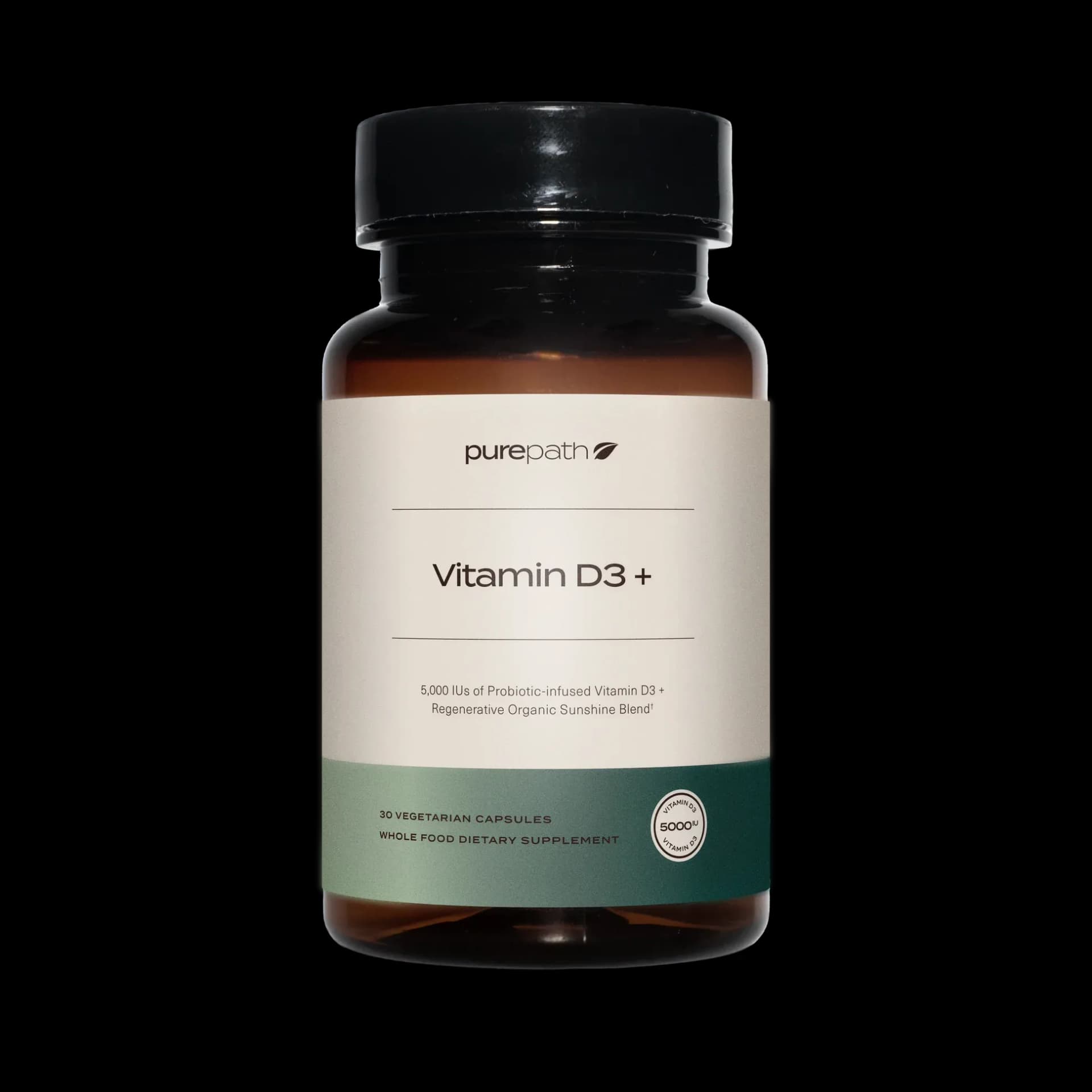
This is why smart people start their vitamin D protocol in the shift between summer and autumn, not smack-dab in the dead of winter when they're already running on empty. PurePath's Vitamin D3 + Probiotics delivers a solid 5,000 IU plus immune-supporting probiotics, recognizing that most of your immune system lives in your gut and winter wellness requires comprehensive support.
When Your Mood Hurts: Why Seasonal Blues Cause Real Physical Pain
Here's something that might surprise you: Seasonal Affective Disorder doesn't just mess with your mood. According to the National Institute of Mental Health, SAD actually causes "aches or pains, headaches, cramps, or unexplained digestive issues."
This isn't all in your head. This is your brain chemistry directly affecting how your body feels. Scientists have confirmed what doctors have observed for years: there's a two-way street between chronic pain and depression. When you're depressed, you're more likely to develop pain problems. And when you're in chronic pain, you're more likely to become depressed.
It's a feedback loop that can spiral quickly if you don't address both pieces.
During winter, several changes create the perfect environment for this pain-mood connection: Less serotonin production – reduced sunlight means lower serotonin, which affects both mood and how you perceive pain Disrupted sleep patterns – affecting everything from hormone production to tissue repair Vitamin D deficiency – which directly impacts serotonin activity and nervous system function Increased inflammation – from indoor air pollution, less activity, and dietary changes
The good news? This is highly treatable when you understand what's happening.
Bright light therapy for 30-45 minutes each morning can help reset your internal clock and improve both mood and physical symptoms. Getting your vitamin D levels optimized during the limited sunlight months can support healthy neurotransmitter function.
For natural approaches, combining morning light exposure, vitamin D optimization, and omega-3 fatty acids creates a comprehensive strategy that addresses multiple pathways at once.
Is Your Home Office Destroying Your Spine? (The WFH Health Crisis Nobody's Talking About)
Let's talk about the elephant in the room: more than a third of people now work from home full-time, and most of them are doing it with setups that would make any spine specialist cringe. Kitchen tables. Couches. Beds. That folding chair you've been meaning to replace since the pandemic started.
Meanwhile, new research shows that office workers spend most of their day sitting, developing something called forward head posture that literally changes your spinal alignment.
Here's what happens: your head weighs about as much as a bowling ball. When it's properly stacked over your shoulders, your neck muscles can handle that load easily. But when you're constantly looking down at a laptop or hunching forward toward a screen, your head moves forward from where it should be.
For every inch your head moves forward, the effective weight on your neck doubles. So if your head is just a few inches forward – which is super common with laptop work – your neck is supporting way more weight than it's designed to handle. All day. Every day.
The research found that people using standing desks actually improved their neck alignment, while traditional desk users got progressively worse over time.
But here's what really matters: poor posture affects way more than just your spine. It can impact your blood pressure, reduce how much air your lungs can hold, decrease your energy efficiency, and even affect your confidence levels.
The fix isn't rocket science, but it does require some intentional changes: Position your monitor so the top of the screen is at eye level. This prevents the forward head posture that compresses neck joints and strains muscles. Keep your elbows at about 90 degrees with your shoulders relaxed. Your keyboard should be at elbow height, letting your arms hang naturally. Sit all the way back in your chair to actually use that lumbar support. Your feet should be flat on the floor, with your knees at hip level or slightly below. Switch between sitting and standing every 15-30 minutes. Standing desks aren't magic bullets, but changing positions prevents tissue stagnation and muscle fatigue. Take movement breaks every hour. Set a timer that actually interrupts your work. This isn't optional – it's essential for preventing the cumulative damage that leads to chronic problems.
The National Spine Health Foundation points out that even kids are now developing back pain from too much screen time. If we're seeing spinal problems in children, imagine what's happening to adults who've been working this way for years.
How Smart People Exercise in Winter (Without Wrecking Their Bodies)
Here's where a lot of people mess up: they either become complete couch potatoes when it gets cold, or they jump into winter activities their bodies haven't seen since last year.
Both approaches are asking for trouble.
Spine experts report that back injuries from falls on ice are incredibly common, and winter months bring a significant spike in spine-related injuries from weather hazards and unprepared activity.
Here's the thing: cold weather makes your muscles, tendons, and ligaments tighter and less flexible. When you combine that with movement patterns you haven't done in months (hello, skiing) or bodies that haven't been conditioned properly, you're setting yourself up for problems.
The smarter approach focuses on preparation and realistic expectations:
Keep moving indoors when weather shuts down outdoor plans. This means having backup activities that don't require perfect conditions or high motivation. Walking inside, stretching routines, yoga videos, bodyweight exercises – things that maintain mobility and strength without special equipment.
Warm up way longer when you plan to venture outside. Cold muscles need extra time to reach optimal function. What might take five minutes in summer could easily take 15 minutes in winter.
Layer your clothing strategically to maintain the right body temperature. Too cold and your muscles stay tight and restricted. Too warm and you'll overheat quickly, then get chilled when you stop moving.
Invest in proper footwear with actual traction for ice and snow. Most winter injuries happen because people underestimate how much slippery conditions affect balance and normal movement.
Start winter sports at your real current skill level, not where you remember being last season. Your nervous system needs time to reestablish coordination and movement patterns for activities you haven't done in months.

For snow shoveling – probably the biggest winter injury trigger – use a lightweight shovel with a curved handle, bend at your hips instead of your lower back, take frequent breaks, and avoid twisting while you're loaded up with snow.
The goal isn't to hibernate until spring or avoid winter activities. It's to prepare your body so you can actually enjoy them safely and comfortably.
The Air You're Breathing Might Be Making Everything Worse
This one catches people completely off-guard: the air quality inside your house during winter can be significantly more polluted than the air outside.
When you seal up your house to keep the heat in, you're also trapping things like carbon monoxide, particles from combustion, chemical vapors, and other stuff that can trigger inflammatory responses throughout your body.
Inflammation directly affects how you perceive pain and can make existing chronic conditions worse. Wood smoke, mold from winter condensation, cleaning product chemicals – all of these add to your body's total inflammatory burden.
Simple changes can make a real difference:
- Crack windows for 10 minutes each day, even when it's cold outside. This helps dilute accumulated pollutants without dramatically affecting your heating bill.
- Use air purifiers with HEPA filters in your main living spaces. These remove the particles that trigger inflammatory responses.
- Keep humidity levels reasonable – somewhere between 30-60%. Too dry irritates your respiratory system and lets particles stay airborne longer. Too humid encourages mold growth.
- Cut back on sources of chemical vapors like scented candles, air fresheners, and harsh cleaning products during winter when ventilation is limited.
- Make sure any combustion sources are properly ventilated – fireplaces, gas stoves, space heaters. Even small amounts of carbon monoxide can cause headaches and fatigue.
This isn't about creating a perfectly sterile environment. It's about reducing unnecessary inflammatory triggers that make winter's natural challenges to your system even harder to handle.
Why Chiropractic Care Works Better in Winter (The Research Will Surprise You)
Here's something most people don't realize: extensive data shows that chiropractic care is just as effective as standard medical care and physical therapy for chronic back and neck pain.
But here's the really interesting part: when researchers studied military personnel, they found that people who got chiropractic care combined with their usual medical treatment had much better outcomes than those who only got standard medical care. We're talking about the vast majority achieving significant pain reduction.
Winter is actually the perfect time for this type of care because it addresses the mechanical joint problems that cold weather tends to amplify.
Remember those pain sensors that become hyperactive in cold temperatures? Chiropractic adjustments help normalize nervous system function and reduce the hypersensitivity that makes winter discomfort worse.
Research shows that chiropractic care:
- Reduces mechanical joint restrictions that become more problematic when tissues are cold and stiff
- Improves nervous system function that gets disrupted by seasonal changes
- Enhances circulation to areas that are compromised by cold-induced blood vessel constriction
- Provides drug-free pain relief when you'd rather not deal with medication side effects
- Works really well when combined with exercise for optimal outcomes

Medical experts consistently emphasize the importance of preventive care and proper treatment for winter-related musculoskeletal issues. The safety profile is excellent when care is provided by properly trained practitioners.
But timing really matters. Starting care before you're already in crisis allows for preventive approaches that address dysfunction before it becomes painful. It's the difference between maintaining optimal function and trying to recover from acute flare-ups.
What Should You Actually Do? (Your Winter Spine Survival Protocol)
Alright, we've covered a lot of ground here. If you're feeling a bit overwhelmed by all the moving pieces, don't worry – that's totally normal. The key is not trying to do everything at once.
Here's your streamlined action plan that pulls together everything we just discussed into manageable steps. Think of this as your winter wellness roadmap – you don't have to be perfect, you just need to be consistent with a few key strategies:
Get Your Vitamin D Situation Handled Start taking vitamin D3 (not the D2 version) to keep your levels in the optimal range throughout winter. If you've never had yours tested, consider getting a baseline so you know where you're starting from. PurePath's Vitamin D3 + Probiotics gives you 5,000 IU plus gut health support, since most of your immune system lives in your digestive tract.
Fix Your Workspace Before the Weather Gets Bad Get your monitor at eye level, make sure you have proper back support, and start alternating between sitting and standing every 30 minutes. Set hourly reminders that actually interrupt your work flow. Poor ergonomics compound over time – small changes now prevent big problems later.
Set Up Indoor Exercise Backup Plans Have realistic alternatives ready for when the weather makes outdoor activity miserable. Yoga videos, stretching routines, bodyweight exercises, indoor walking – whatever you'll actually do consistently when it's freezing outside and you don't want to leave the house.
Clean Up Your Indoor Air Before You Seal Up the House Start opening windows for brief periods each day, get some air filtration going, and keep humidity levels reasonable. Your total inflammatory burden affects everything else, so reducing unnecessary triggers makes every other strategy more effective.
Address Seasonal Mood Stuff Before It Starts If you've dealt with winter blues before, start bright light therapy in October. Get your vitamin D levels optimized. Deal with both the biochemical and lifestyle factors before symptoms show up.
Get Preventive Chiropractic Care on Your Schedule Don't wait until you're already hurting. Regular maintenance care addresses mechanical problems before cold weather amplifies them. The research is crystal clear that prevention beats crisis intervention every time.
Layer in Joint Support Strategically MaxLiving's Joint Health combines potent ingredients like Boswellia serrata extract, hyaluronic acid and Type I & II collagen for comprehensive inflammation, joint and cartilage support. Starting before stiffness kicks in allows these compounds to build up protective effects.
Support Your Body's Natural Anti-Inflammatory Systems Omega-3 fatty acids become even more important when inflammatory triggers increase during winter months. PurePath's formula includes GLA for additional anti-inflammatory support beyond what you get from regular fish oils.
Build Systems That Work Regardless of Conditions The people who feel great through winter don't rely on motivation or perfect circumstances. They create routines and systems that function whether they feel like it or not, whether the weather cooperates or not.
The Reality Check: What to Actually Expect
Let's be realistic about timelines and what you can actually achieve.
Vitamin D optimization takes a couple of months to reach steady levels. Starting in early means you'll hit your peak right when winter gets serious in later months.
Postural improvements from better ergonomics show initial benefits within a few weeks, but real structural adaptations take several months of consistency.
Chiropractic care often helps immediately with acute issues, but the preventive benefits build over time with regular maintenance visits.
Getting your body ready for winter activities takes about a month of preparation for your nervous system to adapt to movement patterns and physical demands.
Seasonal mood support works best when you start well before symptoms typically appear – think early season, not when you're already feeling crappy.
Here's the key insight: winter wellness isn't about dramatic transformations or feeling like you're 20 again. It's about modest improvements across multiple areas that add up to significantly better function and comfort.
You're not going to eliminate every ache or feel perfect all winter long. But you can absolutely feel more comfortable, energetic, and resilient than you did last winter.
Your Move for This Winter
The people who consistently feel good through winter aren't genetically lucky. They're just strategic about it. They understand that your body responds predictably to seasonal changes, and that most winter discomfort comes from amplified dysfunction rather than completely new problems.
They invest in prevention because trying to fix problems after they've already started is more expensive, more disruptive, and less effective. They know that optimal winter wellness requires multiple approaches working together – vitamin D alone won't fix terrible posture, and ergonomics alone won't address nutritional deficiencies.
Most importantly, they start early, stay consistent, and make adjustments based on actual results rather than just hoping things will be different this year. Winter doesn't have to be something you just endure. With the right approach, it can be a season where you actually thrive.
Your spine, your energy levels, and your overall quality of life will thank you for taking action now instead of waiting until January when everything already hurts.
The research is solid, the solutions are available, and the timing is perfect.
What are you going to do differently this winter?
References:
- https://pmc.ncbi.nlm.nih.gov/articles/PMC10120534/
- https://www.uab.edu/medicine/news/latest-news/combat-the-cold-how-to-find-relief-from-joint-pain-this-winter
- https://www.ncbi.nlm.nih.gov/pmc/articles/PMC4718045/
- https://health.osu.edu/health/bone-and-joint/achy-joints-cold-weather
- https://pmc.ncbi.nlm.nih.gov/articles/PMC8915715/
- https://sportsmedicine.mayoclinic.org/news/dont-let-common-winter-injuries-take-you-down/
- https://ods.od.nih.gov/factsheets/VitaminD-HealthProfessional/
- https://pmc.ncbi.nlm.nih.gov/articles/PMC11820127/
- https://pmc.ncbi.nlm.nih.gov/articles/PMC11054101/
- https://www.nimh.nih.gov/health/publications/seasonal-affective-disorder
- https://www.ncbi.nlm.nih.gov/books/NBK568745/
- https://pubmed.ncbi.nlm.nih.gov/38761582/
- https://www.epa.gov/emergencies-iaq/winter-weather-and-indoor-air-quality
- https://pmc.ncbi.nlm.nih.gov/articles/PMC11641771/
- https://www.brownhealth.org/be-well/posture-and-how-it-affects-your-health
- https://spinehealth.org/article/spine-posture-workplace-ergonomics/
- https://spinehealth.org/winter-wellness-for-the-spine


 Facebook
 Instagram
 LinkedIn