


Published: April 2, 2026
You know that person who brags about needing three cups of coffee just to be human in the morning? The one who can't function without their afternoon energy drink? The one scrolling their phone at 11 PM, wondering why they can't fall asleep?
Could it possibly be you? Maybe someone you live with?
Here's the uncomfortable truth nobody wants to hear: 94% of Americans drink caffeinated beverages, and most have absolutely no idea they're stuck in a vicious cycle that's creating the exact fatigue they're trying to fix. Your daily coffee habit isn't just masking tiredness—it's actively sabotaging the biological systems that produce real, lasting energy. The research on this is so clear it's almost insulting that we keep pretending caffeine is a solution.
The good news? Your body already has an energy production system far more powerful than anything in a can or cup. It just needs the right inputs to work the way it was designed to. And if you're reading this as the days get longer and spring light starts flooding your mornings, your timing couldn't be better.
Does Caffeine Affect Sleep Quality Hours After Drinking It?
Let's start with what happens every single time you drink coffee, because this is where most people's understanding completely falls apart. Caffeine works by blocking adenosine receptors in your brain. Adenosine is the chemical that accumulates throughout the day and tells you when you're tired. Block those receptors, and suddenly you don't feel tired anymore. Sounds like a win, right? Except your brain isn't stupid, and it definitely doesn't appreciate being lied to.

A 2024 double-blind study using PET-MRI imaging found something deeply unsettling: repeated daily caffeine intake actually suppresses cerebral grey matter responses through adenosine receptor adaptation. Translation: your brain physically restructures itself to work around the caffeine. It builds more adenosine receptors, so it can keep sending you the "you're tired" signal even when caffeine is blocking the original ones. That's why the first cup of coffee you ever had felt like rocket fuel, and your third cup today barely gets you to lunch without a nap.
But the real damage happens at night, and most people have no clue it's even occurring. A 2023 meta-analysis in Sleep Medicine Reviews analyzed 24 studies and found that caffeine reduces total sleep time by 45 minutes and cuts deep sleep by over 11 minutes—even when consumed hours before bed. The researchers calculated that a single cup of coffee needs at least 8.8 hours of clearance time before your sleep quality returns to normal. A stronger pre-workout dose? Over 13 hours.
Here's where it gets worse. A 2025 clinical trial published in SLEEP gave participants caffeine at different times throughout the day and tracked their sleep with polysomnography—the gold standard for sleep measurement. The finding: consumers can't accurately perceive their own sleep disruption from caffeine. You think you're sleeping fine. You're objectively not. You're losing deep sleep, tossing more, and waking up less restored—but because you fell asleep eventually, you assume everything's good.
Meanwhile, the CDC reports that one in three American adults fails to get the recommended seven-plus hours of sleep. The Sleep Foundation found that 88% of people who consume afternoon caffeine report at least one sleep problem. You're tired because you didn't sleep well. You didn't sleep well because you had caffeine. So you have more caffeine. The loop is airtight.
Are Energy Drinks Bad for You? (What Research Actually Shows)
If regular coffee is problematic, energy drinks are the final boss of metabolic chaos.
The energy drink market hit $21 billion in 2024—a staggering number for beverages that a systematic review and meta-analysis in Nutrients found cause jolt-and-crash episodes in nearly 23% of consumers, with insomnia reported in over a third of users. These aren't occasional side effects. These are predictable consequences of combining massive caffeine doses with sugar, taurine, B vitamins, and proprietary "energy blends" that may or may not do anything except jack up your heart rate.
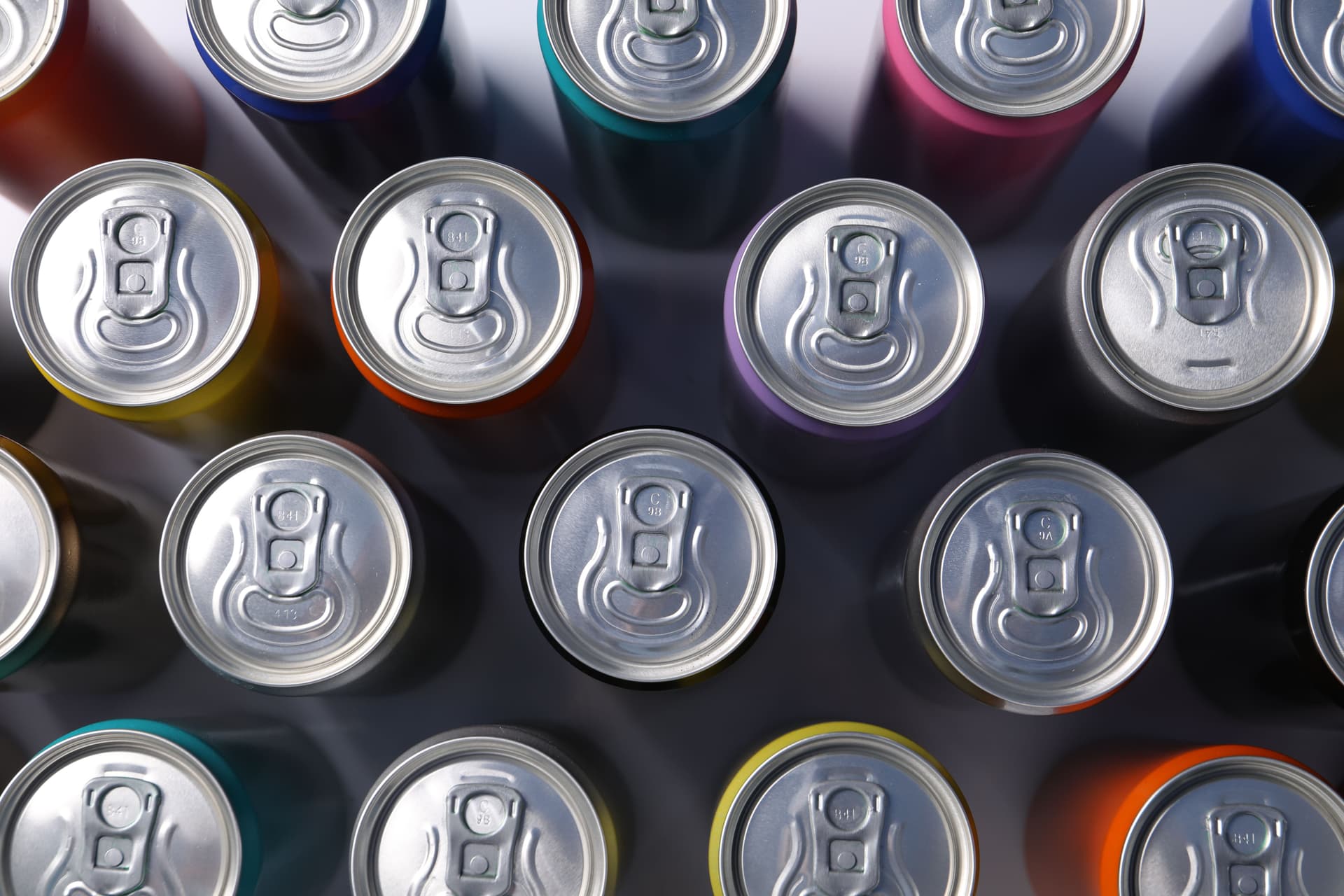
The crash isn't a bug. It's a feature. The faster you crash, the sooner you reach for another can. The companies selling these drinks aren't in the energy business—they're in the dependency business. And it's working brilliantly.
For people dealing with the hormonal wreckage of chronic caffeine use—elevated cortisol, adrenal fatigue, that "wired but tired" feeling where you're simultaneously exhausted and unable to relax PurePath Adrenal Balance was formulated to help rebalance what caffeine dysregulates. Ashwagandha KSM-66, rhodiola, cordyceps, and targeted B vitamins support the adrenal system instead of flogging it into submission.
Does Morning Sunlight Give You More Energy?
If there's an ideal moment to ditch caffeine and rebuild your natural energy system, it's right now. Not because of some wellness trend or New Year's resolution spillover. Because increasing daylight in spring does something no supplement, drug, or motivational quote can replicate: it recalibrates your master biological clock.
A 2025 study analyzing 1,762 adults published in BMC Public Health found that morning sunlight exposure before 10 AM significantly improves circadian rhythm alignment, sleep quality, sleep onset speed, and total sleep duration. Better sleep means less reliance on stimulants to function. The cycle starts reversing on its own.
Stanford neuroscientist Andrew Huberman ranks morning sunlight exposure in the top five actions for mental and physical health—above most supplements, above most dietary changes, right up there with sleep and exercise. The mechanism is elegant: morning UVB light triggers a healthy cortisol-awakening response (the good kind of cortisol spike that makes you feel alert), releases dopamine and norepinephrine for focus and motivation, and suppresses melatonin, so you actually feel awake instead of groggy.
His protocol is absurdly simple: 5 to 10 minutes of outdoor light within the first hour of waking on sunny days, 15 to 20 minutes on overcast mornings. No sunglasses. No windows. Just you and the sky. The Cleveland Clinic notes that people with seasonal affective disorder who took a one-hour morning walk outdoors reported a 50% improvement in symptoms within a single week. One week!
Now combine that light exposure with movement, and the benefits compound. NPR reported on 2024 research from the University of Florida and Karolinska Institute showing that exercise acts as a secondary zeitgeber—a "time-giver"—that synchronizes not just the central brain clock but peripheral clocks in your muscles, liver, and heart. When those clocks drift out of sync, energy production tanks across your entire body. Morning outdoor exercise delivers both zeitgebers simultaneously. It's a metabolic reset button most people don't even know exists.
Why Am I Tired All Day Even After Sleeping 8 Hours?
You slept a full eight hours. You had your coffee. Maybe you even hit the gym. And yet by 2 PM you're fighting to keep your eyes open in a meeting, wondering what's wrong with you.
Nothing's wrong with you. Your mitochondria are just tapped out.
Mitochondria are the tiny power plants inside nearly every cell in your body. They take the food you eat and the oxygen you breathe and convert them into ATP—adenosine triphosphate—the molecular currency that fuels literally every function in your body.
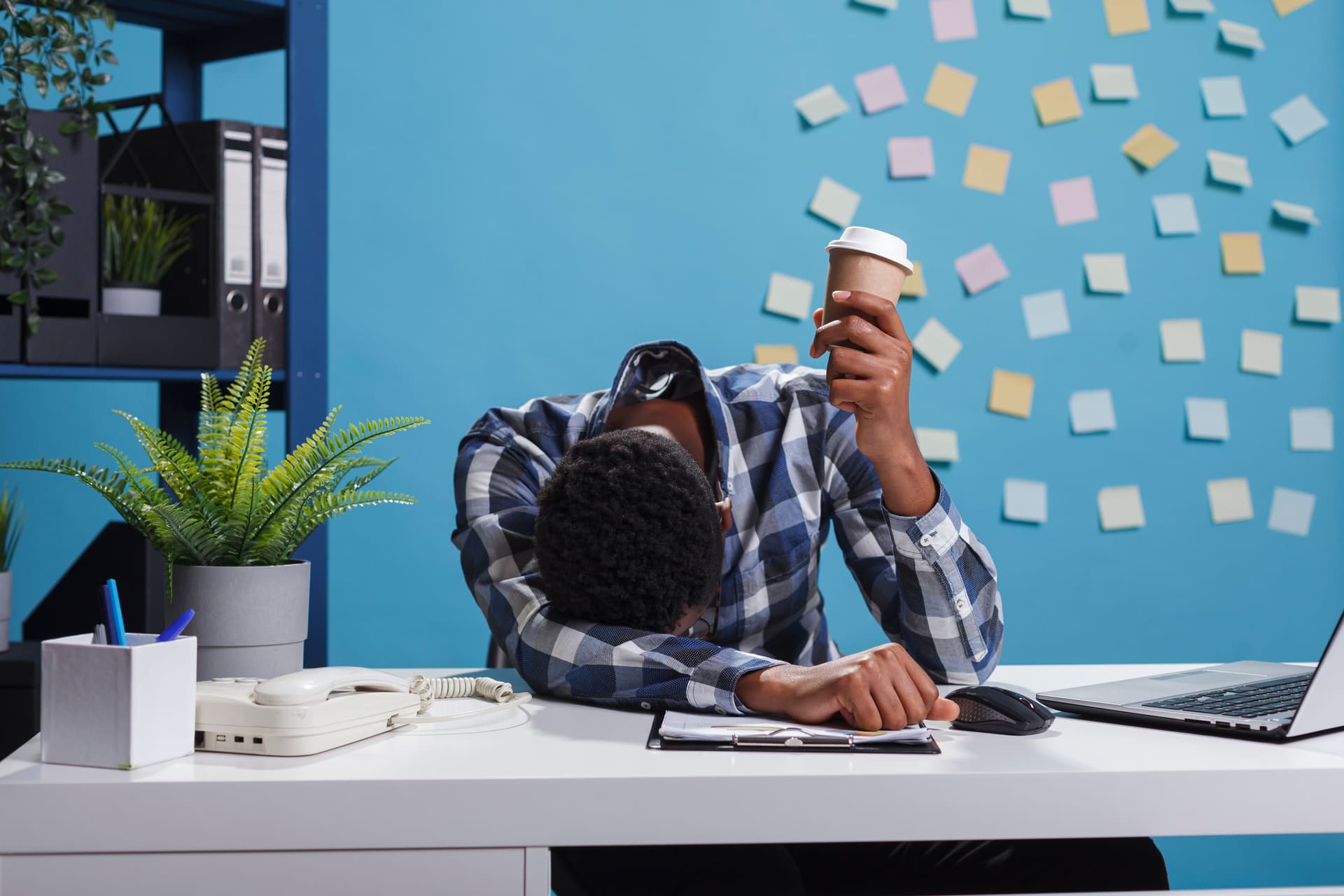
Your brain cells alone contain hundreds to thousands of mitochondria each because neurons are absolute energy hogs. When mitochondria underperform, no amount of caffeine compensates. You can block the tiredness signal all day long; it won't create more energy at the cellular level.
Here's where it gets interesting. Over 90% of your body's ATP doesn't exist as free ATP. It exists bound to magnesium as Mg-ATP. A 2024 study from Umeå University published in Science Advances discovered that magnesium physically reorganizes the molecular geometry inside the enzymes that produce ATP, changing the reaction angle from 135° to 168° and creating what the researchers called a "dramatic catalytic effect." Without adequate magnesium, ATP production slows to a crawl. The downstream symptoms—chronic fatigue, brain fog, muscle weakness, irritability—are exactly what millions of tired people report daily.
Most Americans don't get enough magnesium from diet alone, and caffeine actively depletes it further through increased urinary excretion. PurePath Multi Magnesium delivers three bioavailable forms specifically chosen for cellular energy support: magnesium glycinate for absorption and nervous system calming, magnesium malate for direct ATP production (malic acid is a Krebs Cycle intermediate), and magnesium glycerophosphate for bone and metabolic health. Plus organic spinach, beet, and mushroom extracts to support the nutritional foundation your mitochondria actually need.
The other half of the equation is oxygen delivery. Your mitochondria need a constant, reliable stream of oxygen to run the electron transport chain that cranks out ATP. Anything that improves oxygen delivery—better cardiovascular fitness, improved breathing mechanics, dietary nitrates from beets and leafy greens—directly increases your capacity to produce energy. This is why people who exercise consistently report feeling more energized throughout the day, even though they're technically "spending" energy during workouts. They've upgraded the engine.
Does Exercise Actually Give You More Energy or Make You Tired?
This is the question that stops most exhausted people from even starting. "I'm already tired—how is running supposed to help?" It sounds backwards. And yet the research is so overwhelmingly one-sided it's almost comical.
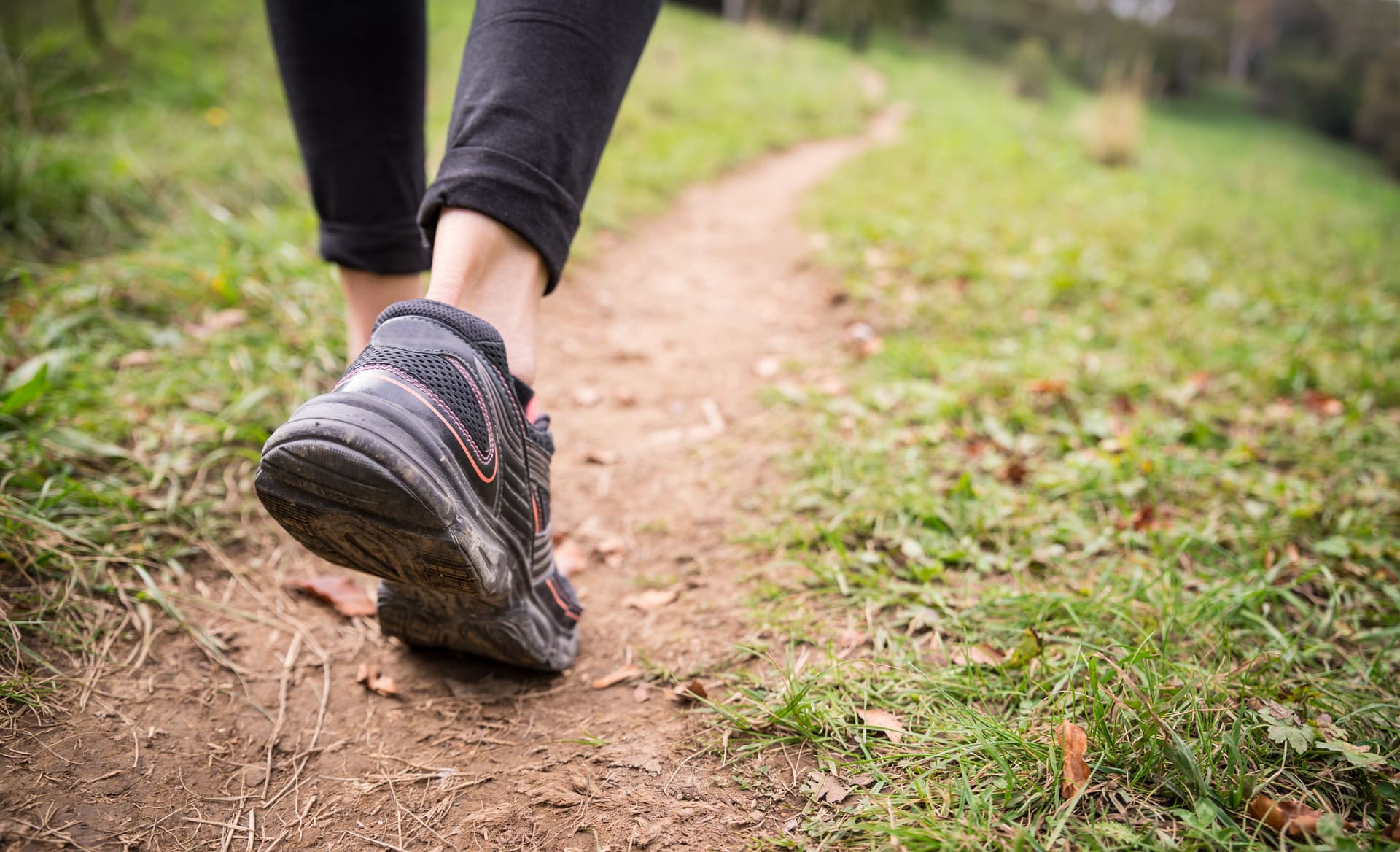
A landmark University of Georgia study put sedentary adults with persistent fatigue through six weeks of low-intensity exercise—just easy walking, 20 minutes, three times per week. The result: fatigue dropped 65%, and energy increased 20%. The surprising detail? A moderate-intensity group in the same study saw less fatigue improvement (49%), and the energy gains had nothing to do with improved aerobic fitness. The researchers concluded exercise acts directly on the central nervous system—your brain's perception of energy availability fundamentally shifts when you move regularly.
At the cellular level, the mechanism is mitochondrial biogenesis, your body literally building new power plants. A 2023 study from the Mayo Clinic team found that 12 weeks of high-intensity interval training increased mitochondrial volume, number, and perimeter with high statistical significance. A 2025 review in Frontiers in Physiology confirmed that HIIT produces superior mitochondrial biogenesis compared to moderate-intensity continuous training, roughly 27% increases in mitochondrial content, and two to three times less training time.
But here's what really matters for people who just want to stop feeling exhausted: you don't need to become an athlete. The UGA research showed that easy walking outperformed moderate exercise for fatigue reduction. The barrier to entry is laughably low. You just need to move your body consistently.
Resistance training contributes differently but just as powerfully. A 2023 paper in The Journal of Physiology found that strength-trained athletes show increased mitochondrial cristae density—the internal folds where ATP is actually produced. Rather than building more mitochondria, strength training makes existing ones more efficient. You're upgrading the hardware.
And the downstream longevity implications are staggering. A study tracking 122,007 patients in JAMA Network Open found a five-fold difference in mortality risk between the least and most fit individuals, with low cardiorespiratory fitness carrying greater mortality risk than smoking, diabetes, or hypertension. Low fitness versus elite fitness wasn't a 10% difference. It was 500%. Your VO₂ max—your body's ability to use oxygen—is essentially a direct measurement of how powerful your mitochondrial energy system is.
For a structured program that combines HIIT principles with metabolic conditioning in minimal time, MaxT3 program was designed around short, efficient workouts (12 minutes) that trigger the afterburn effect and optimize hormonal response without requiring a gym membership or hours of your day.
Are There Breathing Exercises That Give You More Energy?
You take roughly 20,000 breaths per day. Most of them are shallow, unconscious, and metabolically wasteful. But targeted breathing protocols can shift your nervous system state in minutes—faster than caffeine kicks in, with zero crash on the backend.
The strongest evidence belongs to cyclic sighing. A 2023 randomized controlled trial from Stanford, led by David Spiegel and Andrew Huberman, compared three different breathwork techniques against mindfulness meditation over 28 days. Participants did just five minutes per day.

Cyclic sighing—a double inhale through the nose followed by an extended exhale through the mouth—produced greater improvement in positive mood than meditation. Not marginally better. Significantly better. It also reduced resting respiratory rate, a physiological marker of whole-body calmness.
As Stanford Medicine reported, participants were "not only happier, but physiologically more relaxed" after just five minutes daily. The mechanism is straightforward: extended exhalation activates the parasympathetic nervous system (your "rest and digest" mode), slowing heart rate and reducing cortisol. The effects compound over consecutive days.
Box breathing—inhale for four counts, hold for four, exhale for four, hold for four—also showed anxiety reduction in the same trial, making it useful for acute stress moments. The key is the extended hold and exhale phases, which force a parasympathetic shift your body can't ignore.
The practical application is dead simple: before reaching for your afternoon coffee, try five minutes of cyclic sighing instead. The research suggests it will improve your energy and mood more reliably than caffeine—and the effect builds over time rather than diminishing.
What to Eat to Support Cellular Energy Production (Not Just "Healthy Eating")
Your mitochondria don't run on willpower or good intentions. They run on specific biochemical inputs, and most people are deficient in at least one of them.
B vitamins sit at the center of cellular energy production. Research published in Frontiers in Physiology established that five of the eight B vitamins—B1 (thiamine), B2 (riboflavin), B3 (niacin), B5 (pantothenic acid), and B7 (biotin)—are directly required for the TCA cycle, the core metabolic pathway that generates ATP. Riboflavin builds Complex I and II of the mitochondrial respiratory chain. Niacin supplies the NADH that drives oxidative phosphorylation.

Without adequate B vitamin status, the entire energy production cascade slows. The problem? B vitamins are water-soluble and depleted by exercise, stress, and caffeine consumption—the exact pattern that defines most chronically tired people.
PurePath B-Complex provides all eight B vitamins in methylated, bioavailable forms—critical for the estimated 40-60% of people with MTHFR gene variations who can't efficiently convert standard synthetic B vitamins. It also includes organic beet root, connecting directly to the next critical nutrient for energy.
Dietary nitrates are one of the most well-researched natural performance enhancers available, and most people have never heard of them. A 2025 umbrella review analyzing 15 separate meta-analyses found that beetroot juice—rich in nitrates that convert to nitric oxide—significantly improved muscular strength, VO₂ max, and time to exhaustion. The mechanism: nitric oxide dilates blood vessels, reduces the oxygen cost of exercise by 3-5%, and improves mitochondrial efficiency. Beets aren't some exotic superfood. They're one of the most effective performance-enhancing foods on the planet, and they cost about a dollar per pound.
CoQ10 and PQQ work in tandem but do different things. CoQ10 helps existing mitochondria function better by shuttling electrons in the respiratory chain. A meta-analysis of 13 randomized controlled trials confirmed that CoQ10 supplementation significantly reduces fatigue scores compared to placebo. PQQ goes a step further—it actually stimulates the creation of new mitochondria, a process standard CoQ10 doesn't trigger. Cellular Health & Longevity combines both, along with rhodiola, ashwagandha KSM-66, grains of paradise, and methylated B vitamins—targeting mitochondrial biogenesis, cortisol balance, and sustained energy production without stimulants.
And don't overlook hydration. Even mild dehydration impairs attention, motor coordination, and executive function. Losing just 2% of body mass in water, completely normal during a busy morning when you skip drinking, measurably degrades cognitive performance. Before diagnosing yourself with chronic fatigue, try drinking two glasses of water and see if half your symptoms disappear.
What Should I Eat for Natural Energy Without Caffeine?
You don't need to quit caffeine cold turkey, sign up for a marathon, or buy a bunch of supplements. The research points to a clear hierarchy of impact. Start here.
Get outside within the first hour of waking for 10 to 15 minutes. Walk around the block. Stand in your yard. Sit on your porch with coffee if you must. Just get natural light hitting your eyes. This single intervention addresses circadian rhythm dysregulation, cortisol timing, vitamin D production, and your central nervous system's energy regulation simultaneously. It's the highest-leverage change you can make, and it costs nothing.
Shift your caffeine cutoff to at least 8.8 hours before bed. For most people, that means no coffee after noon. You'll sleep deeper, wake more naturally alert, and gradually need less caffeine to function. If you're not ready to quit entirely, at least respect the biochemical reality of caffeine's half-life. Your sleep quality will improve whether you notice it consciously or not, and better sleep creates better energy.
Replace your afternoon coffee break with a breathing break. Five minutes of cyclic sighing—double inhale through the nose, long exhale through the mouth. The Stanford research shows it works better than meditation for immediate energy and mood improvement. It's free. It takes five minutes. And it doesn't wreck your sleep eight hours later.
Move at low intensity more often. The UGA research showed that easy walking three times per week outperformed moderate exercise for fatigue reduction. You don't need to destroy yourself in the gym. You need to move your body consistently and give your mitochondria the signal to adapt. When you're ready for more, short HIIT sessions—even 10 to 15 minutes—deliver disproportionate mitochondrial benefits for the time invested.
Shore up your nutritional foundations before chasing exotic supplements. Magnesium, B vitamins, and adequate hydration aren't sexy. They're just the raw materials your cells need to produce ATP. If you've been running on caffeine and processed food for months or years, addressing these basics alone can produce noticeable energy shifts.
Caffeine Isn't an Energy Source—It's an Energy Loan with Terrible Interest Rates
The caffeine-dependent energy model isn't just ineffective. The research shows it actively degrades the sleep architecture, neurochemistry, and hormonal balance that produce natural, sustained energy. You're not managing fatigue—you're compounding it.
The alternative isn't grinding through caffeine withdrawal with sheer willpower. It's building a system that works with your biology instead of against it. Morning light resets your circadian clock. Exercise triggers mitochondrial biogenesis. Breathing techniques shift your nervous system state in minutes. Strategic nutrients provide the raw materials for ATP synthesis. These aren't hacks. They're how your body was designed to function before we decided to chemically override the fatigue signal instead of addressing its root cause.
Spring hands you longer days, more sunlight, and natural momentum for change. Your body already knows how to produce energy. It's been trying to tell you for months. Maybe it's time to stop blocking the signal and start building the system.
References
- https://www.nature.com/articles/s41598-024-61421-8
- https://www.sciencedirect.com/science/article/pii/S1087079223000205
- https://pmc.ncbi.nlm.nih.gov/articles/PMC11985402/
- https://www.cdc.gov/sleep/data-research/facts-stats/adults-sleep-facts-and-stats.html
- https://www.sleepfoundation.org/nutrition/caffeine-and-sleep
- https://www.webmd.com/diet/energy-drinks
- https://pmc.ncbi.nlm.nih.gov/articles/PMC8083152/
- https://store.maxliving.com/products/purepath-adrenal-balance
- https://store.maxliving.com/products/purepath-adrenal-balance
- https://www.hubermanlab.com/newsletter/using-light-for-health
- https://health.clevelandclinic.org/how-much-sunshine-you-need-daily
- https://www.npr.org/2024/03/25/1240640445/the-explosion-of-new-research-on-the-interplay-between-exercise-and-circadian-rh
- https://www.science.org/doi/10.1126/sciadv.ado5504
- https://store.maxliving.com/products/purepath-multi-magnesium
- https://news.uga.edu/low-intensity-exercise-reduces-fatigue-symptoms-by-65-percent-study-finds/
- https://journals.physiology.org/doi/full/10.1152/japplphysiol.00405.2023
- https://www.frontiersin.org/journals/physiology/articles/10.3389/fphys.2025.1554222/full
- https://physoc.onlinelibrary.wiley.com/doi/full/10.1113/JP284856
- https://jamanetwork.com/journals/jamanetworkopen/fullarticle/2707428
- https://www.maxt3.com/pages/about-maxt3
- https://pmc.ncbi.nlm.nih.gov/articles/PMC9873947/
- https://med.stanford.edu/news/insights/2023/02/cyclic-sighing-can-help-breathe-away-anxiety.html
- https://pmc.ncbi.nlm.nih.gov/articles/PMC6379835/
- https://store.maxliving.com/products/purepath-b-complex
- https://pubmed.ncbi.nlm.nih.gov/40573069/
- https://www.gssiweb.org/sports-science-exchange/article/dietary-nitrate-and-exercise-performance-new-strings-to-the-beetroot-bow
- https://pmc.ncbi.nlm.nih.gov/articles/PMC9449413/
- https://store.maxliving.com/products/cellular-health-longevity
- https://pubmed.ncbi.nlm.nih.gov/29933347/

 Facebook
 Instagram
 LinkedIn