


Published: April 6, 2026
Most people treat stress, poor sleep, anxiety, sluggish thyroid, and weak recovery as separate problems that need separate solutions. A prescription here. A sleep aid there. Maybe a cortisol supplement someone on the internet recommended.
But what if your body is simply begging for what it was designed to work with?
There's an ancient root that's been used for over 3,000 years in Ayurvedic medicine — not because it was trendy, but because it worked. It's called ashwagandha (Withania somnifera), and today the research published in GreenMedInfo's public database is catching up to what healers have known for millennia: this adaptogenic herb touches nearly every system in your body, and the clinical evidence is remarkable.
Does Ashwagandha Really Work? What the Research Says
Ashwagandha means "smell of horse" in Sanskrit. Ancient healers named it that because they believed consuming it gave you the strength and stamina of a horse. Whether you believe that or not, the science is starting to make it feel less like folklore.
It belongs to a special class of plants called adaptogens — herbs that help your body normalize its own stress response rather than forcing artificial reactions. This isn't the same as a stimulant, a sedative, or a synthetic drug that hijacks one pathway. Adaptogens work with your body's intelligence, not against it.
Ashwagandha has been described in traditional texts as a "rasayana" — a rejuvenative tonic that restores strength to a depleted body.
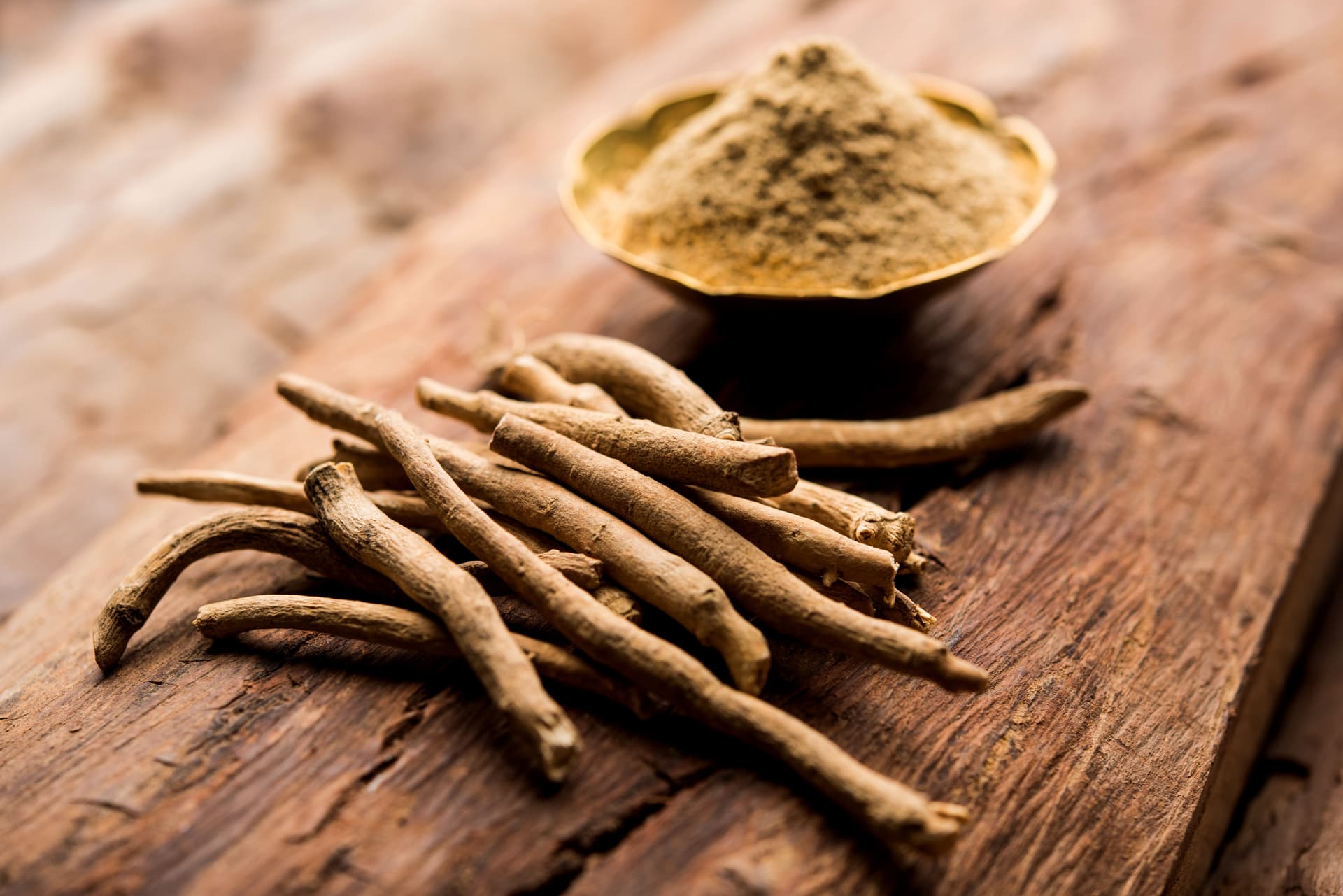
According to Sayer Ji's GreenMedInfo, the world's most widely-referenced, open-access, evidence-based natural health resource, ashwagandha's broad therapeutic properties include anti-inflammatory, antitumor, antistress, antioxidant, immunomodulatory, and rejuvenating actions — with little to no associated toxicity reported in preliminary studies.
That's not a marketing claim. That's a peer-reviewed conclusion.
How Does Ashwagandha Reduce Cortisol and Stress?
Here's what most people don't realize: chronic stress isn't just a feeling. It's a physical state driven by a hormone called cortisol. When cortisol stays elevated day after day, it breaks down muscle tissue, disrupts sleep, suppresses immune function, promotes fat storage, and creates systemic inflammation throughout your body.
The sick care system's answer? Prescribe medications for each symptom while ignoring the root cause — the dysregulated stress response driving all of them.
This is exactly where ashwagandha stands apart from pharmaceutical intervention. A double-blind, placebo-controlled human trial published on GreenMedInfo found that participants who received ashwagandha root extract experienced significant improvements on the Perceived Stress Scale and the Oxford Happiness Scale, along with measurably lower cortisol levels, reduced blood pressure and pulse rate, and improvement in blood glucose and cholesterol markers.

All from one root. No laundry list of side effects. No drug dependency.
This is what we at MaxLiving mean when we talk about getting to the root cause. Stress isn't a pharmaceutical deficiency. It's a signal that your body's adaptive capacity is overwhelmed. Ashwagandha supports your body's God-given ability to rebalance itself.
Does Ashwagandha Help with Anxiety?
You've seen the commercials. "Ask your doctor about..." followed by a list of side effects that take longer to read than the benefit they're selling.
Here's what they won't advertise: a double-blind, randomized, placebo-controlled human study found that ashwagandha root extract significantly reduced anxiety scores without the devastating trade-offs that come with pharmaceutical interventions.
Ashwagandha works with your body's natural calming systems. Research shows chronic administration significantly increased GABA and serotonin levels—your nervous system's own calming neurotransmitters—supporting the body's innate design for stress regulation.
That's Food by God doing what it was created to do.

Ashwagandha Benefits for Brain and Nervous System
This is where it gets especially relevant for anyone who understands that the nervous system coordinates every function in the body.
The 28th Principle of Chiropractic states it plainly: "The forces of Innate Intelligence operate through or over the nervous system in animal bodies." In other words, your body's God-given ability to heal, adapt, and regulate itself flows through your nervous system. When that system is under stress — when chronic cortisol creates neuroinflammation, when elevated stress hormones disrupt nerve signaling — your body's innate healing capacity gets compromised.
The same bioactive compounds in ashwagandha — withanolides, sitoindosides, and alkaloids — that modulate the stress response also support neuroprotection, reduce neuroinflammation, and influence the very signaling pathways your brain and body use to communicate.
Research catalogued in Sayer Ji's GreenMedInfo research database shows ashwagandha's neuroprotective and cognitive-enhancing potential through multiple mechanisms: it reduces stress-induced cognitive deficits, promotes neuronal regeneration, and supports the kind of brain-body communication that allows your entire system to operate at its designed capacity.

Ashwagandha doesn't replace chiropractic care. It works alongside it, supporting the very nervous system that chiropractic adjustments free up to function. Less stress. Less inflammation. Better nerve signal transmission. More capacity to move, heal, and adapt.
Does Ashwagandha Help You Sleep Better?
If you're not sleeping deeply, nothing else you're doing for your health matters as much as it should. Sleep is when your body repairs tissue, consolidates memory, regulates hormones, and clears inflammatory waste from the brain. Without it, every other health strategy gets compromised.
The science on ashwagandha and sleep is becoming too clear to ignore. A double-blind, randomized, placebo-controlled clinical study in patients with insomnia found that 300 mg of ashwagandha root extract taken twice daily for 10 weeks produced significant improvements in sleep onset latency, sleep efficiency, total sleep time, and overall sleep quality — with no adverse effects reported throughout the entire study.
Let that sink in. A natural root that humans have been using for 3,000 years measurably improved sleep onset and quality in a clinically controlled trial. Without dependency. Without next-day grogginess. Without a single alarming warning label.
Ashwagandha's Latin species name — somnifera — literally means "sleep-inducing." The ancient healers named it for what it does. Modern science is confirming they were right.
Ashwagandha for Muscle Strength and Recovery
This section is for everyone who moves — whether you're an athlete, someone recovering from an injury, or simply someone who wants to move through life with less pain and more capacity.
A landmark randomized, double-blind, placebo-controlled trial featured in the GreenMedInfo athletic performance database found that subjects who received ashwagandha root extract during an 8-week resistance training program showed significantly greater increases in muscle strength on both bench press and leg extension exercises, compared to the placebo group. They also demonstrated measurably greater increases in muscle size in the arms and chest, greater reduction in exercise-induced muscle damage, significant increases in testosterone levels, and a greater decrease in body fat percentage.
This matters for chiropractic patients because muscle strength and recovery aren't separate from nervous system health — they're downstream of it. When your body is under chronic stress, elevated cortisol actively breaks down muscle tissue and suppresses the hormonal environment needed for repair. By reducing cortisol and supporting the body's stress-adaptation mechanisms, ashwagandha helps maintain the muscular strength and recovery capacity that supports joint stability, proper movement patterns, and range of motion.
When your muscles recover faster, your joints move better. When you move better, your body heals better. This is our 5 Essentials philosophy in action: Core Chiropractic working in tandem with Mindset, Nutrition, Oxygen and Exercise to support the whole person.
Can Ashwagandha Help with Thyroid Problems?
Millions of people are walking around with sluggish, underactive thyroid function and have no idea. The symptoms — fatigue, brain fog, weight gain, cold sensitivity, low mood — get dismissed or medicated without addressing why the thyroid is underperforming in the first place.
Here's what your doctor likely hasn't told you: chronic stress and elevated cortisol directly suppress thyroid function. When your HPA axis is stuck in overdrive, thyroid hormone conversion suffers.
This is where ashwagandha becomes something remarkable. A double-blind, randomized, placebo-controlled clinical trial in patients with subclinical hypothyroidism found that 600 mg of ashwagandha root extract daily for just 8 weeks significantly improved serum TSH, T3, and T4 levels compared to placebo. The researchers concluded that ashwagandha may be beneficial in normalizing thyroid indices in subclinical hypothyroid patients.

Eight weeks. One natural root. Measurable, statistically significant improvement in thyroid hormones. Compare that to a lifetime of synthetic hormone replacement with its own set of dependencies and side effects.
This is an adaptogenic herb that supports the interconnected hormonal architecture your body was created with.
Can Ashwagandha Support Cancer Prevention?
We're going to say this carefully but clearly: the research exists, and it's compelling.
Ashwagandha contains a class of bioactive compounds called withanolides, and the peer-reviewed research on their relationship to cancer cells is something that should be widely known.
Published research in GreenMedInfo's database shows that ashwagandha leaf extract demonstrates selective killing of cancer cells through ROS (reactive oxygen species) signaling — meaning the extract targeted cancer cells specifically, consistent with the body's own intelligent mechanisms for identifying and eliminating abnormal cells.
In a separate line of research, Withaferin A, a withanolide compound isolated from ashwagandha, was shown to cause apoptosis (programmed cell death) in human breast cancer cells in-vivo. The compound triggered cancer cell self-destruction while operating through mechanisms that conventional treatments do not replicate.
Additionally, a broader review of ashwagandha's components, activities, and pathways published described ashwagandha's anti-cancer activity as pronounced and diverse.
This research doesn't suggest that ashwagandha replaces comprehensive cancer care. But it absolutely validates what the MaxLiving movement has always taught: God's design for healing through food is not only valid — it's often superior to synthetic interventions that create as many problems as they solve.
How to Add Ashwagandha to Your Daily Routine
1. Add Ashwagandha to Your Daily Life
The simplest way to start is with a high-quality ashwagandha root extract standardized for withanolide content. The clinical studies above have used doses ranging from 300–600 mg daily, often split into two doses — morning and evening. Powder form can be added to smoothies, warm tea, or a golden milk blend. Look for root extract specifically, not leaf-only formulations, as the root is where the most extensively studied compounds concentrate.
Be consistent. Most studies showing meaningful results ran for 8–12 weeks. This isn't a pharmaceutical that suppresses symptoms instantly. It's a whole-food adaptogen that supports your body's own adaptive intelligence over time.

2. Targeted Support with MaxLiving
If you're looking for therapeutic-grade ashwagandha formulated alongside complementary botanicals, we’ve built it directly into several of our PurePath products — each designed to address root causes rather than mask symptoms.
For those whose primary concern is chronic stress and depleted adrenal function, PurePath Adrenal Balance is the most targeted option. This formula combines adaptogenic ashwagandha with rhodiola, cordyceps, licorice root, B-vitamins, and an amino acid complex including L-theanine and L-tyrosine — working synergistically to regulate cortisol rhythms, support natural energy without stimulants or crashes, and build the kind of long-term stress resilience your body was designed to have.
For those seeking a broader cellular approach — supporting energy production, hormonal balance, metabolic function, and recovery all at once — Cellular Health & Longevity includes ashwagandha KSM-66 alongside nine clinically studied ingredients, including PQQ, rhodiola, grass-fed glandular support, and regenerative organic botanicals. It's formulated specifically for those who want to address the full picture: mitochondrial health, hormonal balance, and long-term vitality from the cellular level up.
And for men looking to support testosterone balance, prostate health, and sustained energy as part of daily nutrition, PurePath Men's Multivitamin includes ashwagandha alongside saw palmetto, zinc, selenium, and a full B-vitamin complex — building adaptogenic support into your everyday foundation.
Every PurePath product is sourced from regenerative organic farms, third-party tested for purity, and formulated without fillers, additives, or pesticides. This is the PurePath Standard — clean, closest-to-the-source nutrition that works with your body's God-given healing capacity, not against it.
3. Explore GreenMedInfo's Ashwagandha Research
Sayer Ji's GreenMedInfo is the world's most widely-cited, evidence-based natural health resource. Visit their ashwagandha research page to explore the depth of peer-reviewed studies on this remarkable adaptogen. Whether you're addressing stress, sleep, thyroid function, muscle recovery, or simply want to protect your health proactively, their database contains published research specific to your needs. This is the arsenal that gives you receipts when the sick care system tells you "there's no evidence."
4. Stay Connected to the Movement
Join the MaxLiving community by signing up for MaxLiving's newsletter to stay updated on natural health strategies, upcoming events, and ways to take your health back. For ongoing access to cutting-edge research, also subscribe to GreenMedInfo's free newsletter for the latest peer-reviewed studies on natural medicine delivered directly to you.
5. Share This Information
How many people do you know who are exhausted, anxious, sleeping poorly, and managing multiple prescriptions for symptoms that might share one root cause? Share this article. Share the research. Be the person who opens a door someone didn't know existed. Heroes grow here. And sometimes being a hero is as simple as handing someone information that changes everything.
About This Research:
All research and information referenced in this article is sourced from GreenMedInfo.com, founded by Sayer Ji. GreenMedInfo is the world's most widely-referenced, open-access, evidence-based natural health resource, containing over 95,000 peer-reviewed study abstracts on natural medicine. Their comprehensive database on ashwagandha includes 800+ studies, making it one of the most extensively researched adaptogenic herbs in their entire collection.
Disclaimer: This content is educational and not intended to diagnose, treat, cure, or prevent any disease. Always consult with your healthcare provider before making changes to any health protocol or medication regimen. Ashwagandha may interact with certain medications, including thyroid medications, sedatives, blood pressure medications, and immunosuppressants. Those who are pregnant, have hyperthyroidism, or are on thyroid medications should consult a qualified healthcare professional before use. Professional guidance is essential.
References:
- https://greenmedinfo.com/substance/ashwagandha
- https://greenmedinfo.com/blog/ashwagandha-stress-strength-smarts-and-sex
- https://greenmedinfo.com/article/ashwaganda-has-broad-therapeutic-value-no-known-toxicity
- https://greenmedinfo.com/article/narrative-review-delves-most-recent-findings-and-provides-comprehensive-overvi
- https://greenmedinfo.com/article/neuroprotective-and-cognitive-enhancing-potentials-herbal-remedies-focus-st-jo
- https://greenmedinfo.com/article/withinia-somnifera-alone-and-combination-shilajeet-prevented-ethanol-withdrawa
- https://greenmedinfo.com/article/ashwagandha-could-be-potential-use-improve-sleep-parameters-patients-insomnia-
- https://greenmedinfo.com/blog/athletic-performance-enhancement-ayurvedic-supplements
- https://greenmedinfo.com/article/treatment-ashwagandha-may-be-beneficial-normalizing-thyroid-indices-subclinica
- https://greenmedinfo.com/article/ashwaganda-selectively-kills-cancer-cells
- https://greenmedinfo.com/article/withaferin-compound-found-within-ashwaganda-exhibits-vivo-anticancer-activit-0
- https://greenmedinfo.com/article/ashwaganda-has-pronounced-and-diverse-anti-cancer-activity
- https://greenmedinfo.com/newsletter
- https://link.maxliving.com/ngs/81579/DDgnDdTxRfeeprPgMJsC


 Facebook
 Instagram
 LinkedIn