


Published: June 8, 2026
Here's something the pharmaceutical industry doesn't want trending on your feed: A common kitchen herb that kills antibiotic-resistant bacteria, eliminates parasites completely, and triggers cancer cell death. No prescription needed. No devastating side effects. Just sitting in your spice rack, waiting to unleash healing properties that Big Pharma can't patent.
You've sprinkled oregano on pizza and pasta your whole life, never knowing you were seasoning your food with one of nature's most powerful antimicrobial agents. While mainstream medicine pushes antibiotics that breed resistant superbugs and destroy your gut microbiome, research shows oregano does something remarkable: it eliminates pathogens while actually improving your beneficial bacteria.
According to Sayer Ji's GreenMedInfo, the world's largest open-access natural health database, oregano possesses antimicrobial properties so potent that studies compare it favorably to pharmaceutical antibiotics—without the resistance, without the side effects, without the destruction of your body's natural defenses.
The active compound in oregano, carvacrol, doesn't just mask symptoms. It targets the root cause of infections at the cellular level, working with your body's design rather than against it. And the research backing this isn't fringe science—it's peer-reviewed, published, and systematically ignored by a medical system that profits from your dependency on pharmaceuticals.
Does Oregano Really Kill Antibiotic-Resistant Bacteria
Let's start with the crisis conventional medicine created: antibiotic-resistant bacteria. Decades of overprescribing antibiotics have produced superbugs that laugh at our most powerful drugs. The medical establishment's answer? Stronger antibiotics that breed even stronger resistance.
But here's what they're not telling you.
Research on Staphylococcus aureus infections found that oregano oil may prove useful as an antimicrobial agent for both prevention and therapy. This is the same Staph bacteria that causes life-threatening MRSA infections in hospitals—infections that kill thousands every year because antibiotics no longer work.
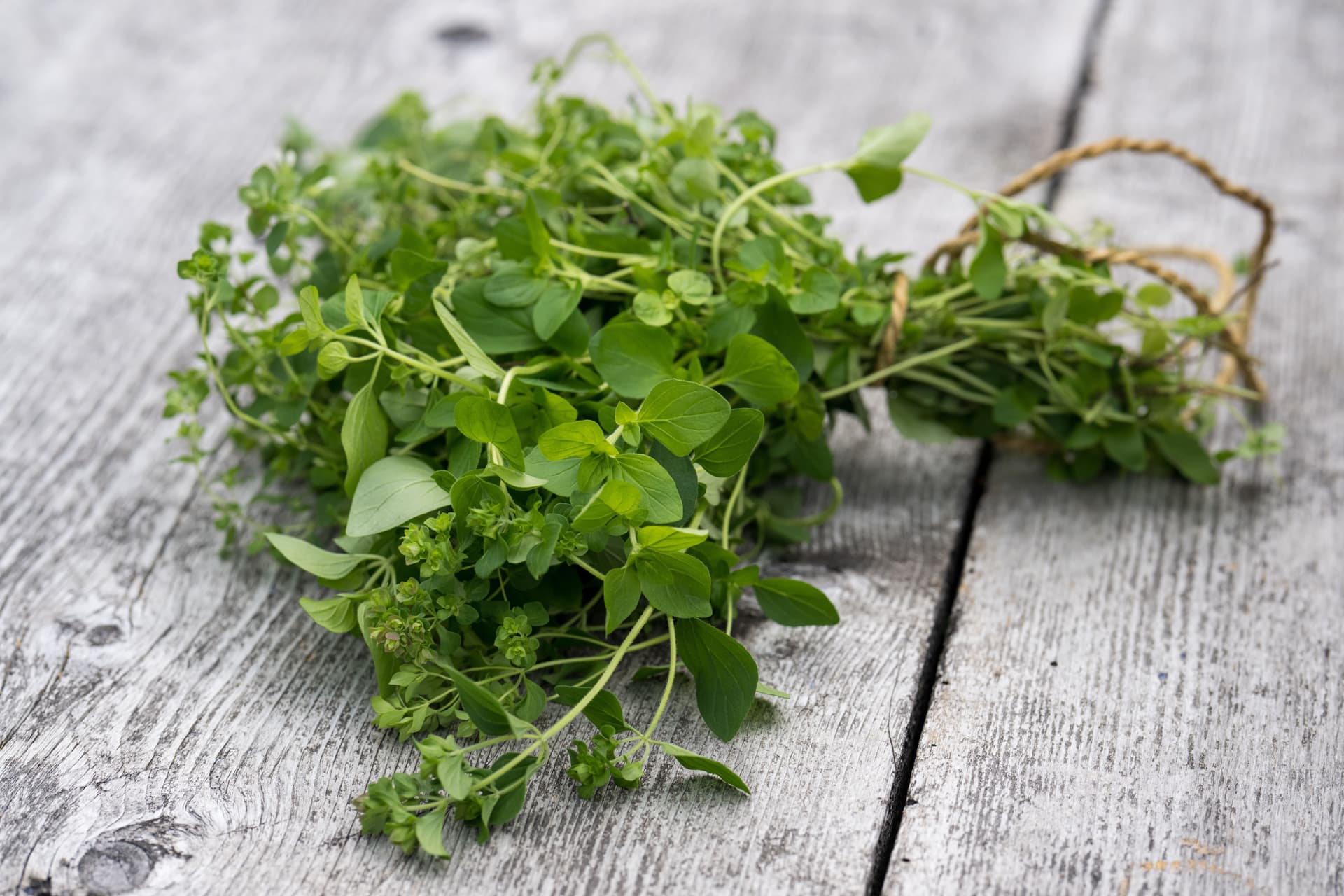
Even more impressive: studies on antibiotic-resistant Campylobacter strains demonstrated that carvacrol from oregano oil inactivated bacteria that had developed resistance to multiple pharmaceutical antibiotics. The oregano compounds worked where ampicillin, ciprofloxacin, erythromycin, and other frontline antibiotics had failed.
Think about that for a second. A kitchen spice defeating bacteria that hospitals can't kill.
Research comparing oregano oil to other antimicrobial agents found that oregano oil demonstrated superior antibacterial activity against E. coli, Salmonella, and Listeria compared to garlic and allspice oils. The study concluded that oregano essential oil could be used for food applications to prevent foodborne illnesses—naturally, without chemical preservatives.
But here's the critical difference between oregano and antibiotics: oregano is selective. It targets harmful bacteria while supporting beneficial microbes. Antibiotics carpet-bomb your entire microbiome, killing everything in sight and leaving you vulnerable to secondary infections like C. diff.
This is intelligent design at work. Your body wasn't created to need synthetic chemicals to fight infections. It was designed to work synergistically with compounds found in nature—compounds like carvacrol that have co-evolved with human biology for millennia.
Can Oregano Eliminate Parasites? The Human Trial Nobody Talks About
Parasitic infections are more common than most people realize. Contaminated water, undercooked food, international travel—any of these can introduce parasites into your digestive system. And conventional medicine's approach? Harsh pharmaceutical antiparasitics with side effects that sometimes rival the infection itself.
But a human clinical trial published in peer-reviewed research told a different story.
Fourteen adults with confirmed parasitic intestinal infections took 600 mg of emulsified oregano oil daily for six weeks. The results? Complete disappearance of Entamoeba hartmanni in four cases, Endolimax nana in one case, and Blastocystis hominis in eight cases.
Let that sink in. Complete disappearance. Not "reduced symptoms." Not "managed the condition." Complete elimination of parasites that had colonized their digestive systems.
Even in the three cases where parasites weren't completely eliminated, Blastocystis hominis scores still declined significantly. And gastrointestinal symptoms improved in seven of the eleven patients who had tested positive for Blastocystis hominis.
This wasn't a lab study on mice. This was real people, with real infections, experiencing real healing from a plant that grows wild across the Mediterranean.
The mechanism isn't complicated. Oregano's antimicrobial compounds create an environment where parasites can't survive. They disrupt the parasites' cellular membranes, interfere with their metabolism, and ultimately eliminate them from the body—without destroying beneficial gut bacteria in the process.
Compare that to pharmaceutical antiparasitics that often require multiple rounds of treatment, come with warnings about liver damage, and leave patients dealing with die-off symptoms that can be debilitating.
This is the difference between working with your body's natural healing capacity and forcing it to tolerate toxic chemicals.
Oregano vs. Cancer: When Food Targets Tumors
Cancer treatment in conventional medicine follows a predictable pattern: cut it out, burn it with radiation, or poison it with chemotherapy. All three approaches devastate healthy tissue along with cancerous cells, leaving patients struggling with side effects that sometimes prove more deadly than the disease itself.
But what if there were compounds that could selectively target cancer cells while leaving healthy tissue untouched?
Research on breast cancer demonstrated, for the first time, a distinct tumor-suppressive effect of oregano in the breast carcinoma model. Researchers administered lyophilized oregano at concentrations of 0.3% and 3% through diet, and after fourteen weeks, mammary tumors were significantly suppressed.
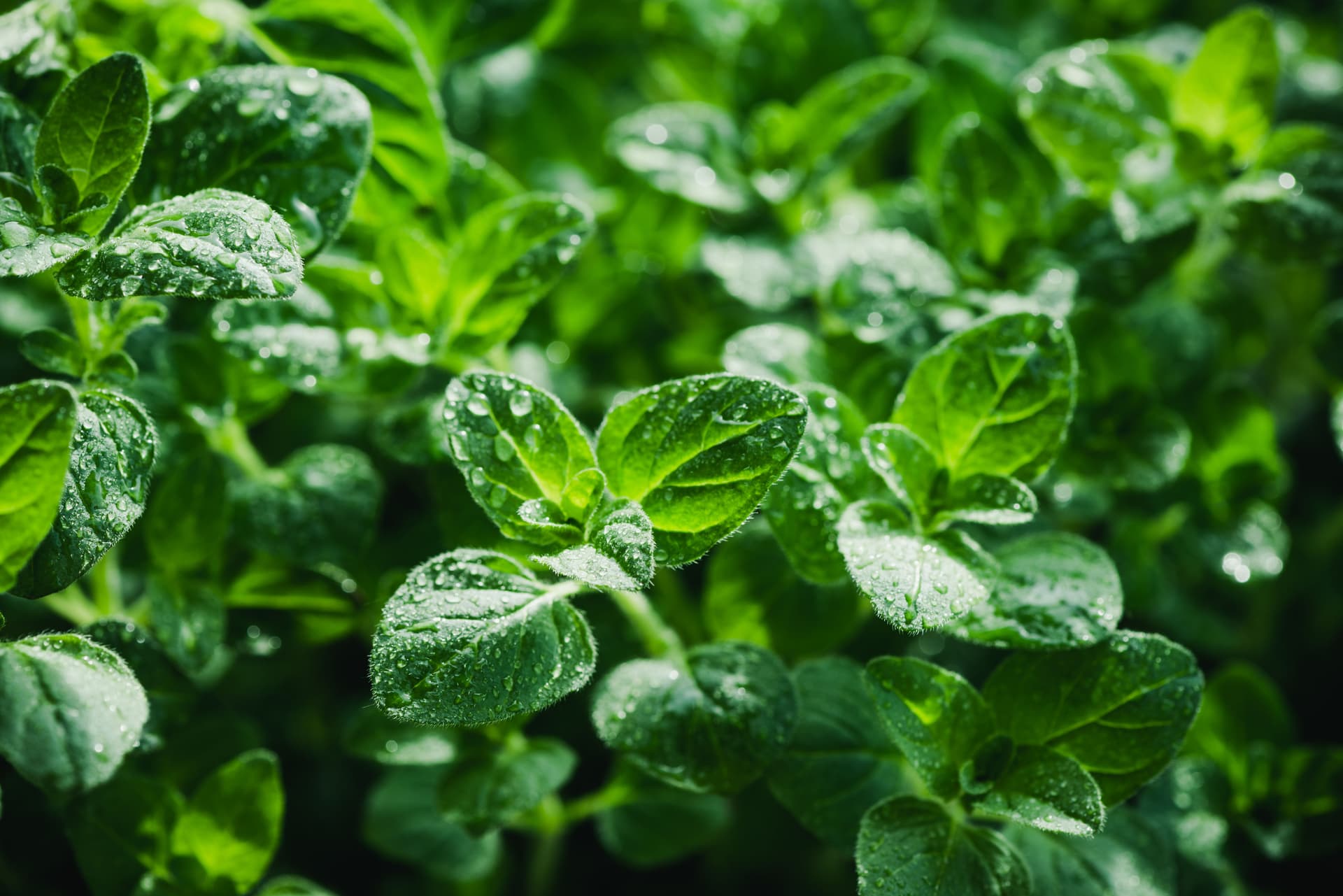
The study's conclusion was clear: oregano demonstrates tumor-suppressive effects in breast cancer. This wasn't about preventing cancer in healthy tissue. This was about actively suppressing existing tumors.
Even more remarkable: research on colon cancer cells found that oregano extracts induced programmed cell death—apoptosis—in a dose-and-time-dependent manner. The cancer cells essentially self-destructed when exposed to oregano compounds.
Here's what makes this extraordinary: the study specifically noted that oregano's proapoptotic effects were selective for cancer cells. Healthy cells were left alone. Only the abnormal, rapidly dividing cancer cells were targeted for destruction.
Both extrinsic and intrinsic apoptotic pathways were activated by the oregano extract. The researchers concluded that oregano amounts found in the Mediterranean diet—the actual food people eat—could exert these cancer-fighting effects.
You don't need a pharmaceutical dose. You need real food, consumed regularly, supporting your body's innate ability to identify and eliminate abnormal cells.
This is why the Mediterranean diet, rich in oregano and other herbs, correlates with dramatically lower rates of colon cancer. It's not genetics. It's not luck. It's food working as medicine, exactly as it was designed to do.
Chemotherapy destroys cancer cells, yes—but it also destroys bone marrow, immune function, and often the patient's will to continue treatment. Oregano triggers cancer cell death while supporting overall health. There's no comparison.
How Oregano Rebuilds Your Gut Microbiome
Your gut microbiome—the trillions of bacteria living in your digestive system—controls everything from immune function to mental health. When that ecosystem gets disrupted, disease follows. And the number one disruptor? Antibiotics.
Every round of antibiotics devastates your beneficial bacteria, creating opportunities for harmful species to overgrow. This leads to digestive problems, weakened immunity, chronic inflammation, and a cascade of downstream health issues.
But oregano does something different.
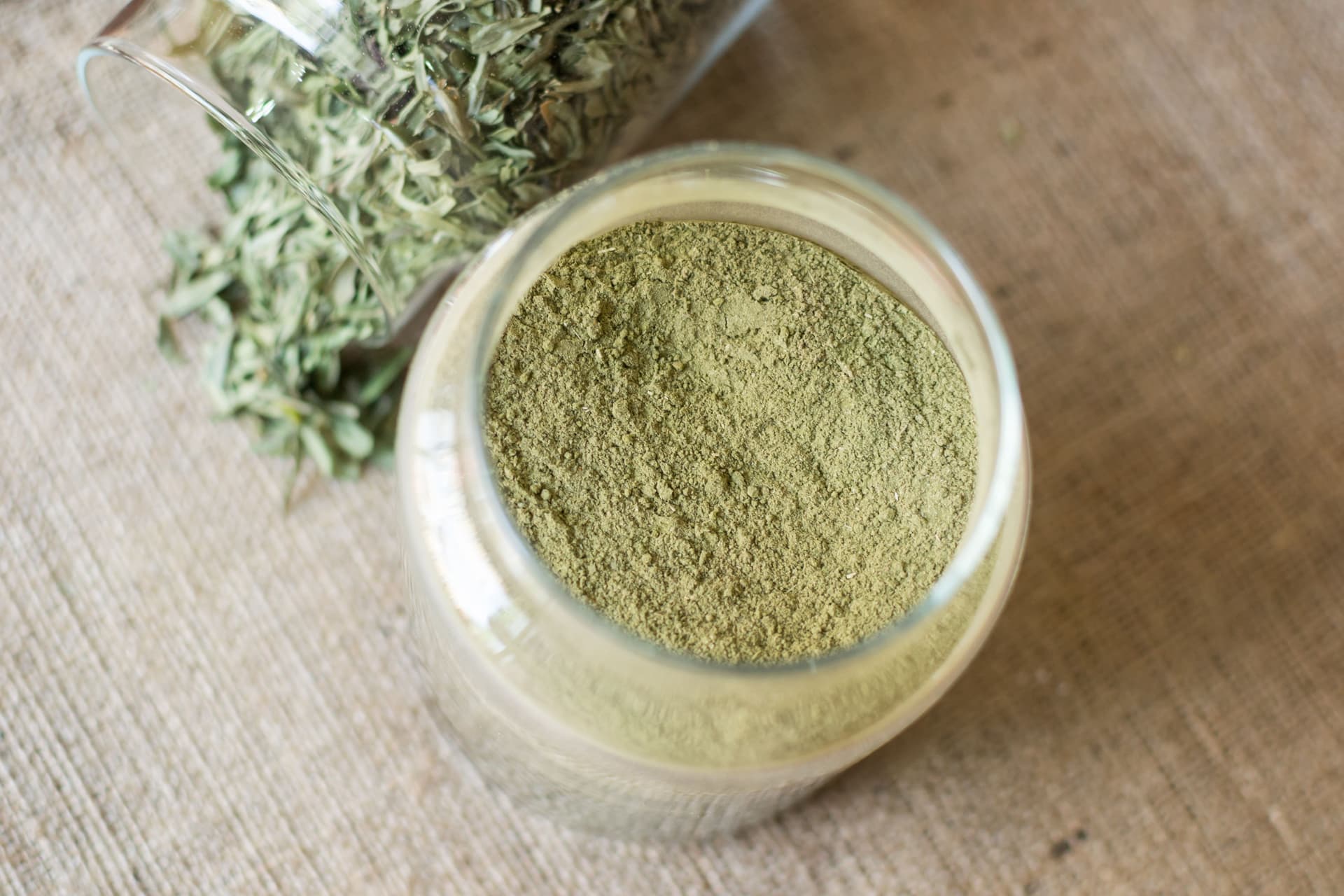
Research on gut bacteria populations found that oregano powder significantly reduced harmful Streptococcus bacteria while increasing beneficial Enterococcus faecium and rearranging Lactobacillus populations in favorable ways.
Even more impressive: oregano supplementation significantly increased beneficial short-chain fatty acids—specifically acetic acid and butyric acid. These short-chain fatty acids are critical for gut health, reducing inflammation, supporting the intestinal barrier, and even influencing brain function through the gut-brain axis.
Think about what this means. Oregano selectively reduces harmful bacteria, supports beneficial bacteria, and increases the metabolic byproducts that keep your gut healthy.
Antibiotics do the opposite. They kill everything indiscriminately, reduce short-chain fatty acid production, and leave your gut vulnerable to opportunistic infections.
This selective antimicrobial activity is exactly what your body needs. Your gut wasn't designed to be sterile. It was designed to be a balanced ecosystem where beneficial microbes outnumber and outcompete harmful ones.
Oregano supports that natural balance. It doesn't force your body into an unnatural state of microbial warfare. It tips the scales in favor of health, allowing beneficial bacteria to thrive while harmful species decline.
This is root-cause healing. Not symptom suppression. Not pharmaceutical dependency. Just supporting the body's natural order so it can do what it was created to do.
Viral Infections: The HIV Research That Changes Everything
Viruses present a unique challenge. Antibiotics don't touch them. Antiviral drugs are limited, expensive, and often only marginally effective. And for viruses like HIV, conventional medicine offers management—not cure—through lifelong pharmaceutical regimens with serious side effects.
But research on HIV infections revealed something remarkable about oregano oil and its principal component, carvacrol. Oregano oil specifically inhibited lentiviruses—including human and simian immunodeficiency viruses (HIV and SIV)—regardless of virus tropism. The mechanism? Carvacrol blocked virus-target cell fusion by altering the cholesterol content of the viral envelope membrane, preventing the virus from entering cells.
This is a completely different approach from pharmaceutical antiretrovirals. Instead of interfering with viral replication after infection, carvacrol prevents infection from occurring in the first place by targeting the viral envelope.
Even more promising: resistance to carvacrol emerged much later than typically observed for other clinically used drugs. When resistance did develop, it required mutations in the viral envelope protein gp41—mutations that made the virus less fit overall.
The researchers concluded that oregano oil could be considered a safe supplement to antiretroviral therapy, potentially delaying disease progression and resistance development.
Let that sink in. A compound from a culinary herb, supplementing pharmaceutical HIV treatment, with potential to delay both disease progression and drug resistance.
This isn't about replacing medical care for serious viral infections. It's about understanding that nature provides compounds with antiviral mechanisms that pharmaceutical research is only beginning to understand.
Interestingly, the study noted that oregano oil did not inhibit hepatitis C virus, adenovirus, Zika virus, or influenza virus. Its activity was specific to lentiviruses. This selectivity suggests targeted mechanisms rather than broad toxicity—exactly what you'd expect from an intelligently designed natural compound.
The study also found that carvacrol worked additively with antiretroviral therapy. When combined with pharmaceutical drugs, the effects were enhanced beyond what either treatment achieved alone.
This is synergy. This is how natural compounds can work alongside conventional medicine when needed, supporting the body's fight against infection without the side effects of pharmaceutical-only approaches.
Liver Regeneration: Beyond Detox
Your liver is remarkable. It's the only organ in your body capable of complete regeneration. Damage it, and given the right support, it can rebuild itself. But conventional medicine rarely focuses on supporting that regenerative capacity—instead offering drugs that often further burden an already struggling liver.
Research on liver regeneration in rats undergoing partial hepatectomy found that carvacrol from oregano oil significantly increased the liver regeneration rate.
This wasn't about "detoxing" or "cleansing"—terms that have been so overused they've lost meaning. This was about measurably accelerating the liver's natural ability to regenerate tissue after injury.
The liver performs over 500 critical functions in your body. It filters toxins, produces bile for digestion, stores vitamins and minerals, regulates blood sugar, synthesizes proteins, and metabolizes medications. When liver function declines, everything suffers.
Supporting liver regeneration isn't just about the liver itself. It's about supporting every system that depends on proper liver function—which is essentially every system in your body.
Carvacrol's ability to enhance liver regeneration suggests mechanisms beyond simple antimicrobial activity. It appears to support cellular repair and tissue renewal at a fundamental level.
This makes sense when you consider that inflammation—often driven by bacterial, viral, or fungal infections—is one of the primary causes of liver damage. By reducing microbial burden and associated inflammation, oregano's compounds create an environment where regeneration can occur.
This is why traditional medicine systems across cultures have used oregano and similar herbs for liver support for thousands of years. Ancient healers didn't understand the molecular mechanisms, but they observed the results: people felt better, symptoms improved, and health was restored.
Modern research simply validates what traditional wisdom already knew.
Fungal Infections: When Candida Won't Quit
Candida overgrowth is epidemic. Antibiotics, birth control pills, high-sugar diets, chronic stress—all of these contribute to an environment where Candida albicans and other fungal species proliferate beyond normal levels.
Conventional medicine treats symptomatic Candida infections—vaginal yeast infections, oral thrush—with antifungal medications. But these drugs often fail to address the underlying overgrowth, leading to recurrent infections that become increasingly resistant to treatment.
Research on Candida infections found that carvacrol from oregano oil inhibited Candida albicans growth.
Even more impressive: a study on drug-resistant Candida strains found that vapor-phase oregano essential oil demonstrated antifungal activity against biofilms of antifungal-resistant vaginal isolates of Candida albicans and Candida glabrata.
Biofilms are the sticky protective layers that fungi create to shield themselves from antimicrobial agents—including pharmaceutical antifungals. These biofilms are a major reason why Candida infections become chronic and resistant to treatment.
But oregano essential oil, even in vapor form, penetrated and disrupted these biofilms in strains that had developed resistance to conventional antifungal drugs.
This is critical. Vulvovaginal candidiasis affects millions of women, and the increasing incidence of drug-resistant strains has made treatment increasingly difficult. Oregano offers an alternative approach that works even when pharmaceuticals fail.
The researchers concluded that oregano vapor-phase essential oil could be a promising alternative therapy for drug-resistant Candida infections—without the side effects associated with pharmaceutical antifungals like fluconazole.
Systemic antifungal drugs can cause liver damage, digestive upset, and allergic reactions. Topical applications can disrupt the vaginal microbiome, sometimes making the problem worse long-term.
Oregano, by contrast, targets the fungal overgrowth while supporting beneficial bacteria—creating an environment where healthy balance can be restored naturally.
This is how healing should work. Not suppressing symptoms with drugs that create new problems. Supporting the body's natural ecosystem so health can emerge from the inside out.
Respiratory Infections: The Urgent Care Alternative
How many times have you or someone you know ended up at urgent care for a respiratory infection, only to be sent home with an antibiotic that may or may not work—and may or may not be necessary?
Respiratory infections are one of the most common reasons people seek medical care. And while some require pharmaceutical intervention, many could be addressed with natural antimicrobial support that doesn't destroy your microbiome or contribute to antibiotic resistance.
A clinical trial on upper respiratory infections tested an aromatic spray containing oregano essential oil along with eucalyptus, peppermint, and rosemary. Sixty patients participated, and the results showed significant immediate improvement in symptoms compared to placebo.
Twenty minutes after using the spray, participants reported greater improvement in symptom severity. While the effect wasn't significant after three days of treatment, the immediate relief matters—especially when you're struggling to breathe, sleep, or function with a respiratory infection.
This suggests oregano's compounds work quickly to reduce inflammation, open airways, and support the body's immune response against respiratory pathogens.
The beauty of this approach is that it supports your body's natural defenses rather than suppressing them. Oregano doesn't just mask symptoms—it provides antimicrobial support while your immune system does its job.
For most respiratory infections, this is exactly what you need. Time, rest, and support for your body's natural healing processes. Not antibiotics that won't work on viral infections and will damage your gut microbiome in the process.
Obviously, serious respiratory infections—pneumonia, severe bronchitis, complications in vulnerable populations—require medical evaluation. But for the everyday cold, flu, or upper respiratory infection that sends millions to urgent care every year? Supporting your body with compounds like oregano makes infinitely more sense than reflexively reaching for antibiotics.
When Research Validates Root-Cause Healing
Everything you just read—the antibiotic-resistant bacteria eliminated, the parasites completely eradicated, the cancer cells targeted for destruction, the beneficial gut bacteria supported—this is what happens when you stop managing symptoms and start supporting your body's innate healing capacity.
Every time you choose oregano over an unnecessary antibiotic, you're reducing your toxic load. Every time you support your body's natural antimicrobial defenses instead of suppressing them with pharmaceuticals, you're allowing your nervous system to function as designed.
This isn't about rejecting medicine when it's necessary. It's about recognizing that your body already has profound healing capacity—capacity that's been built into your design since creation. And when you remove interference and provide what your body was designed to work with, healing happens naturally.
GreenMedInfo's research database on oregano contains hundreds of studies documenting therapeutic applications across dozens of conditions. This isn't fringe science. This is peer-reviewed research, systematically compiled by Sayer Ji and his team, proving what traditional healers have known for millennia.
When someone tells you "there's no evidence" for natural approaches, they're either ignorant or lying. The evidence exists. It's published. It's accessible. GreenMedInfo has spent over a decade making it impossible to ignore.
GreenMedInfo provides both truth and proof. Ancient wisdom without scientific validation gets dismissed as superstition. Scientific research without practical application remains locked in academic journals where nobody benefits.
But when you combine traditional knowledge with modern research and make it accessible to people who need healing? That's when transformation happens. That's when the sick care system loses its grip on your health. That's when you become dangerous to an industry that profits from your dependency.
What You Can Do: Take Action Today
1. Use Fresh Oregano Daily
Fresh oregano can be added to nearly anything—salads, roasted vegetables, marinades, soups, eggs, or olive oil for dipping bread. The Mediterranean diet didn't accidentally include oregano in nearly every meal. Those cultures understood its protective properties long before modern research confirmed them.
Dried oregano retains much of its antimicrobial activity, but fresh is always superior when available. Grow it in your kitchen windowsill or garden—oregano is nearly impossible to kill and produces abundantly with minimal care.
2. Oregano Oil for Therapeutic Support
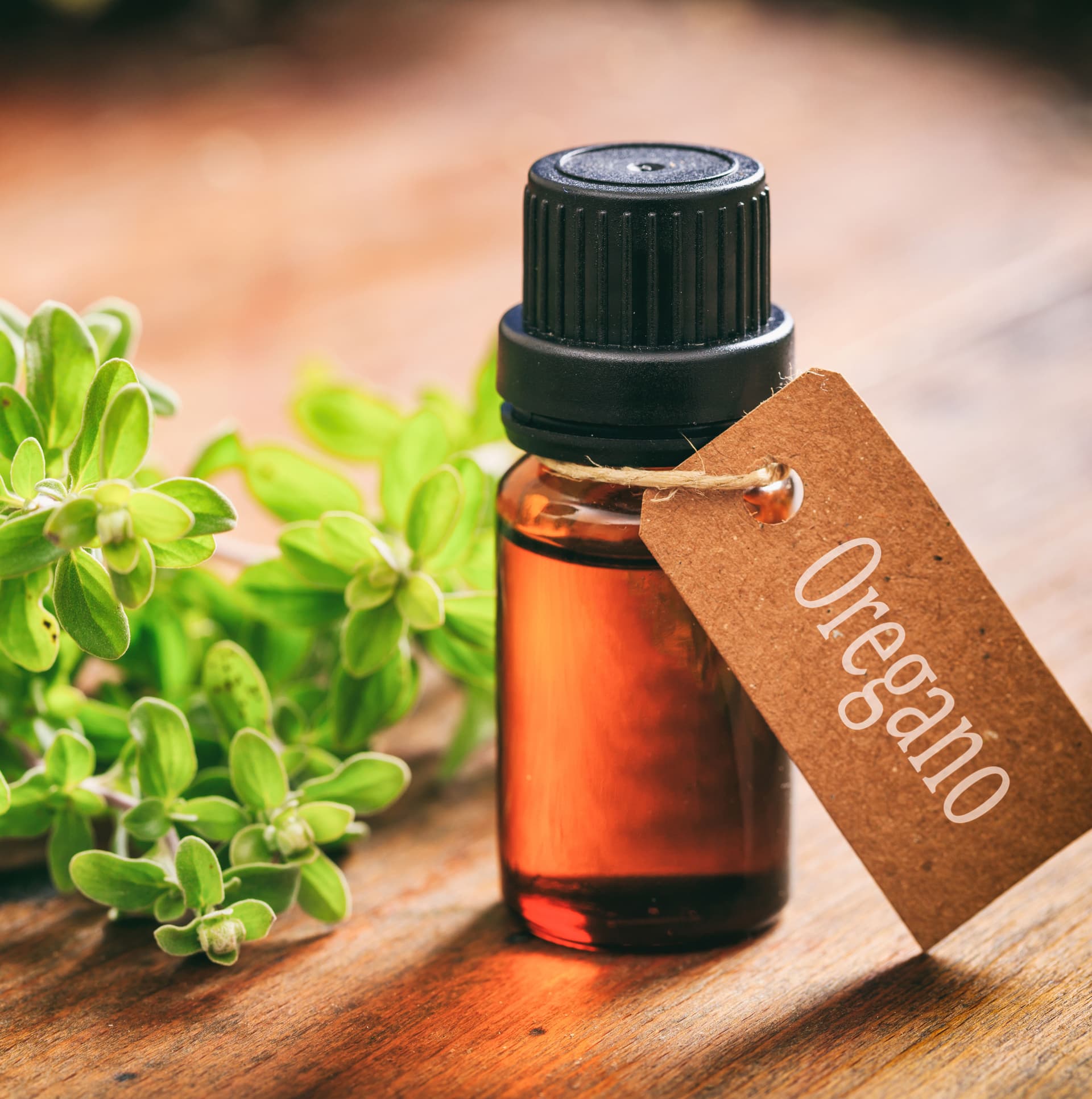
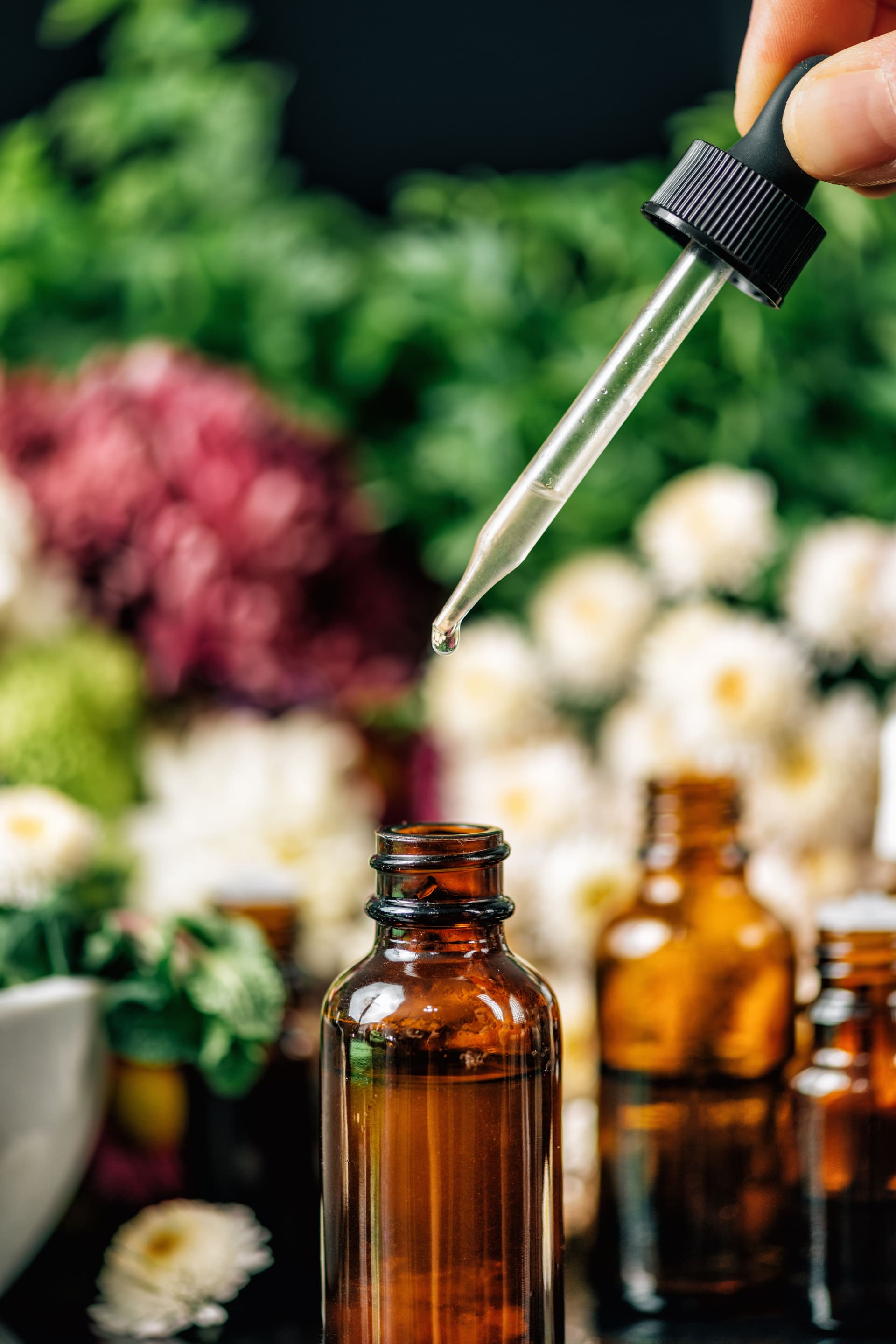
For acute infections or targeted antimicrobial support, oregano essential oil provides concentrated therapeutic compounds. Look for wild Mediterranean oregano oil (Origanum vulgare) standardized to 60-75% carvacrol.
Always dilute oregano oil. It's potent and can irritate mucous membranes if used undiluted. Mix with a carrier oil like olive oil or coconut oil at a ratio of one part oregano oil to three parts carrier oil. For internal use during acute illness, one to two drops in water or under the tongue (diluted) can provide powerful antimicrobial support. Use short-term only—two weeks maximum—and always under guidance from a qualified healthcare practitioner who understands herbal medicine.
3. Explore GreenMedInfo's Oregano Research
Sayer Ji's GreenMedInfo is the world's most widely-cited, evidence-based natural health resource. Visit GreenMedInfo's oregano research page to explore the hundreds of studies on this remarkable herb's therapeutic applications.
Whether you're dealing with bacterial infections, fungal overgrowth, digestive issues, or just want to support your immune system proactively, their database contains peer-reviewed research specific to your needs.
This is the arsenal that gives you receipts when the sick care system tells you "there's no evidence."
4. Stay Connected to the Movement
Join the MaxLiving community by signing up for MaxLiving's newsletter to stay updated on natural health strategies, upcoming events, and ways to take your health back. For ongoing access to cutting-edge research, also subscribe to GreenMedInfo's free newsletter for the latest peer-reviewed studies on natural medicine.
5. Share This Information
How many people do you know who take antibiotics multiple times per year for infections that keep recurring? How many are struggling with gut issues, chronic Candida, or weakened immunity from repeated pharmaceutical interventions?
Share this article. Share the research. Be the person who introduces someone to healing possibilities they didn't know existed.
Small daily choices add up. Heroes grow here, and sometimes being a hero is as simple as sharing knowledge that could change someone's trajectory from pharmaceutical dependency to natural healing.
About This Research:
All research and information referenced in this article is sourced from GreenMedInfo.com, founded by Sayer Ji. GreenMedInfo is the world's most widely-referenced, open-access, evidence-based natural health resource, containing over 95,000 peer-reviewed study abstracts on natural medicine. Their comprehensive database on oregano includes 345+ studies (Cumulative Knowledge), making it one of the most extensively researched herbs in their collection.
Disclaimer: This content is educational and not intended to diagnose, treat, cure, or prevent any disease. Always consult with your healthcare provider before making changes to any health protocol or medication regimen. Oregano essential oil is very potent and should always be diluted before use. It may interact with blood-thinning medications and should be used with caution in pregnant or nursing women, so professional guidance is essential.
References:
- https://greenmedinfo.com/substance/oregano
- https://greenmedinfo.com/blog/can-wild-oregano-oil-provide-relief-engineered-diseases
- https://greenmedinfo.com/blog/9-herbs-and-spices-proven-health-benefits
- https://greenmedinfo.com/article/study-demonstrates-distinct-tumour-suppressive-effect-oregano-breast-cancer-mo
- https://greenmedinfo.com/article/oregano-induces-programmed-cell-death-human-colon-cancer-cells
- https://greenmedinfo.com/article/after-6-weeks-supplementation-daily-oil-oregano-there-was-complete-disappearan
- https://greenmedinfo.com/article/oregano-powder-reduces-streptococcus-and-increases-scfa-concentration-mixed-ba
- https://greenmedinfo.com/article/oregano-oil-and-monolaurin-may-prove-be-useful-antimicrobial-agents-prevention
- https://greenmedinfo.com/article/cinnamon-and-oregano-containing-cinnamaldehyde-and-carvacrol-respectively-exhi
- https://greenmedinfo.com/article/results-present-study-show-3-plant-derived-essential-oils-can-be-used-prepare-
- https://greenmedinfo.com/article/oregano-oil-safe-supplement-antiretrovirals-potentially-delaying-disease-progr
- https://greenmedinfo.com/article/results-revealed-antifungal-activity-oregano
- https://greenmedinfo.com/article/oregano-carvacrol-oil-inhibits-candida-albicans-0
- https://greenmedinfo.com/article/carvacrol-obtained-oregano-oil-significantly-increases-liver-regeneration-rate
- https://greenmedinfo.com/article/spray-containing-eucalyptus-peppermint-oregano-and-rosemary-improves-symptoms-


 Facebook
 Instagram
 LinkedIn